



When a garment remains in contact with the skin for several hours, its material can directly affect how comfortable it feels. Friction, heat, perspiration and rough textures can all intensify itching and redness in people with sensitive, reactive or atopic skin.
Choosing a fabric for sensitive skin is not simply a matter of comparing natural fibers with synthetic materials. Texture, weave, breathability, textile treatments and even seams all need to be considered.
In short, choose a fabric that is:
- Soft and smooth against the skin;
- Sufficiently breathable;
- Able to manage moisture effectively;
- Made with as few treatments or finishes as possible that may be poorly tolerated.
With this in mind, cotton is often an excellent starting point, especially when it is soft, well woven and selected with appropriate textile certifications.
Why do some fabrics irritate sensitive skin?
Friction, seams and rough textures
Irritation can simply be mechanical. Rough fabric, thick knits or clothing that is too tight increase friction against the epidermis.
The most sensitive areas are often where you find:
- Thick seams;
- Labels;
- Tight elastic bands;
- Rigid collars;
- Pressure points.
For someone with eczema or atopic dermatitis, repeated friction can make a garment particularly uncomfortable.
Heat, moisture and perspiration
Breathability is just as important. A textile that traps heat and keeps perspiration against the skin creates a warm, humid environment that can increase discomfort.
The aha! Swiss Allergy Centre therefore recommends taking thermal regulation as well as moisture absorption and wicking into account.
Dyes, treatments and residues
The fiber itself is not the only factor to consider. Clothing can also contain dyes, finishes or various products used during manufacturing.
This is one of the key benefits of certifications such as Oeko-Tex Standard 100, which set controls for unwanted substances in tested textile components.

Which fabrics should you choose to prevent irritation on sensitive skin?
Cotton: a reference material for sensitive skin
Soft, breathable and pleasant to the touch, cotton is one of the most useful materials when looking for comfortable clothing for sensitive skin. Its fibers allow good airflow and absorb moisture, two valuable properties for garments worn every day.
Not all cotton is the same, however. You also need to consider fabric quality, weave and the treatments it has received. Soft, smooth cotton will generally feel more comfortable than coarse or very stiff fabric.
Organic cotton is also an appealing option when you want to favor a material sourced from organic agriculture. A certification such as Oeko-Tex Standard 100 provides additional information about the substances controlled in the textile product.
One nuance is important: cotton absorbs perspiration effectively but can retain that moisture. For intense physical activity or situations involving heavy perspiration, the textile should therefore be selected based on its overall ability to remain comfortable.
Linen: choose a smooth texture
Linen is naturally breathable and provides a pleasant feeling of freshness. For reactive skin, however, it is better to choose linen that is sufficiently smooth and supple, as highly textured fabrics can create more friction.
A linen-cotton blend can also combine the characteristics of both fibers.
Silk: reducing friction
Thanks to its particularly smooth surface, silk creates very little friction. Lightweight, it can be useful for certain garments or for linens that remain in prolonged contact with the skin. Its cost and more demanding care requirements can, however, limit everyday use.
Lyocell, Tencel, modal and viscose
These cellulose-based fibers can offer a very soft feel and good breathability. Their quality nevertheless depends heavily on the manufacturing process and treatments used.
|
Material |
Softness |
Breathability |
Point to watch |
|
Cotton |
Good |
Good |
Can retain moisture |
|
Smooth linen |
Good |
Good |
Avoid rough textures |
|
Silk |
Very smooth |
Good |
Delicate care, expensive |
|
Lyocell / Tencel |
Very soft |
Good |
Check manufacturing process and treatments |
|
Modal / viscose |
Soft |
Good |
Quality varies considerably |
Which fabrics should you avoid or limit with sensitive skin to prevent irritation?
Polyester, polyamide, acrylic and elastane
It would be excessive to claim that synthetic fibers systematically cause irritation. The main issue lies more in the properties of the resulting textile.
Some garments containing high proportions of polyester, polyamide, acrylic or elastane may manage heat and perspiration less effectively. They can therefore become uncomfortable for some reactive skin types.
The best approach is therefore to assess the garment as a whole: composition, breathability, feel and proportion of synthetic fibers.

Wool and rough materials
Thick or coarse fibers increase friction and can cause an itching sensation. Traditional wool is particularly associated with this issue.
Even merino wool, although much finer, is not automatically suitable for everyone with sensitive skin. Tolerance varies from person to person.
How should you choose fabrics to prevent irritation?
Read the entire label
Do not stop at a 'cotton' or 'natural material' claim. Check the garment's full composition and look in particular for:
- The actual proportion of cotton;
- The presence of polyester, elastane or other fibers;
- Available textile certifications;
- The fabric's texture;
- The stated finishes and treatments.
For garments worn directly against the skin, soft, certified cotton is a straightforward option to prioritize.
Check seams and elastic bands
Run your hand over the inside of the garment as well. Seams should remain discreet and elastic bands should not place unnecessary pressure on the skin.
Some people also need to watch for specific components. Nickel may, for example, be present in buttons or fasteners, while some elastic bands may contain latex.
Choose according to use
The best fabric ultimately depends on the context:
|
Situation |
Property to look for |
Materials to consider |
|
Everyday wear |
Softness and breathability |
Cotton, organic cotton, smooth linen |
|
Heavy perspiration |
Moisture wicking |
Breathable textile suited to the activity |
|
Winter |
Soft layer against the skin |
Cotton, cellulose-based fibers |
|
Night |
Smooth, breathable surface |
Cotton, smooth linen, silk, lyocell |
|
Atopic skin |
Limit friction |
Soft, fine and smooth textile |
How should you care for fabric to prevent irritation?
Wash new clothes before wearing them
Even when a textile appears clean, a first wash is recommended before wearing it. This can help remove some of the residues that may remain after manufacturing, storage or transport.

Use a simple detergent and rinse thoroughly
When skin reacts easily, it is better to limit the substances that may remain in the fibers.
A simple routine consists of:
- Choose a dye-free detergent with little or no fragrance;
- Use the recommended amount;
- Avoid overloading the washing machine;
- Run an extra rinse cycle if necessary;
- Make sure the laundry is thoroughly rinsed.
Avoid unnecessary products
Fabric softeners and textile fragrances are not essential. On particularly reactive skin, adding more products to laundry can actually make it harder to identify the source of discomfort.
Q&A on fabrics and sensitive skin
What is the best fabric for sensitive skin?
There is no material that is universally suitable for every skin type. Above all, look for a soft, smooth, breathable textile that is unlikely to irritate. Cotton is often one of the simplest options for everyday clothing, alongside smooth linen, silk and certain cellulose-based fibers.
Is cotton always recommended for sensitive skin?
Cotton is generally appreciated for its softness, breathability and absorbency. It can nevertheless retain moisture when heavily soaked with perspiration. Its use should therefore be adapted to the context.
Does polyester always irritate the skin?
No. A synthetic material does not automatically cause irritation. Some less breathable synthetic textiles can, however, retain more heat and perspiration and become less comfortable for sensitive skin.

Which fabric should you choose for eczema or atopic dermatitis?
Above all, choose a finely woven, smooth surface, limit friction and select garments that provide good heat and moisture regulation.
Which fabric should you choose when you have sensitive skin?
Cotton, smooth linen, silk or lyocell can all be suitable. Beyond the fiber itself, look above all for soft, breathable fabric with as few rough points as possible against the skin.
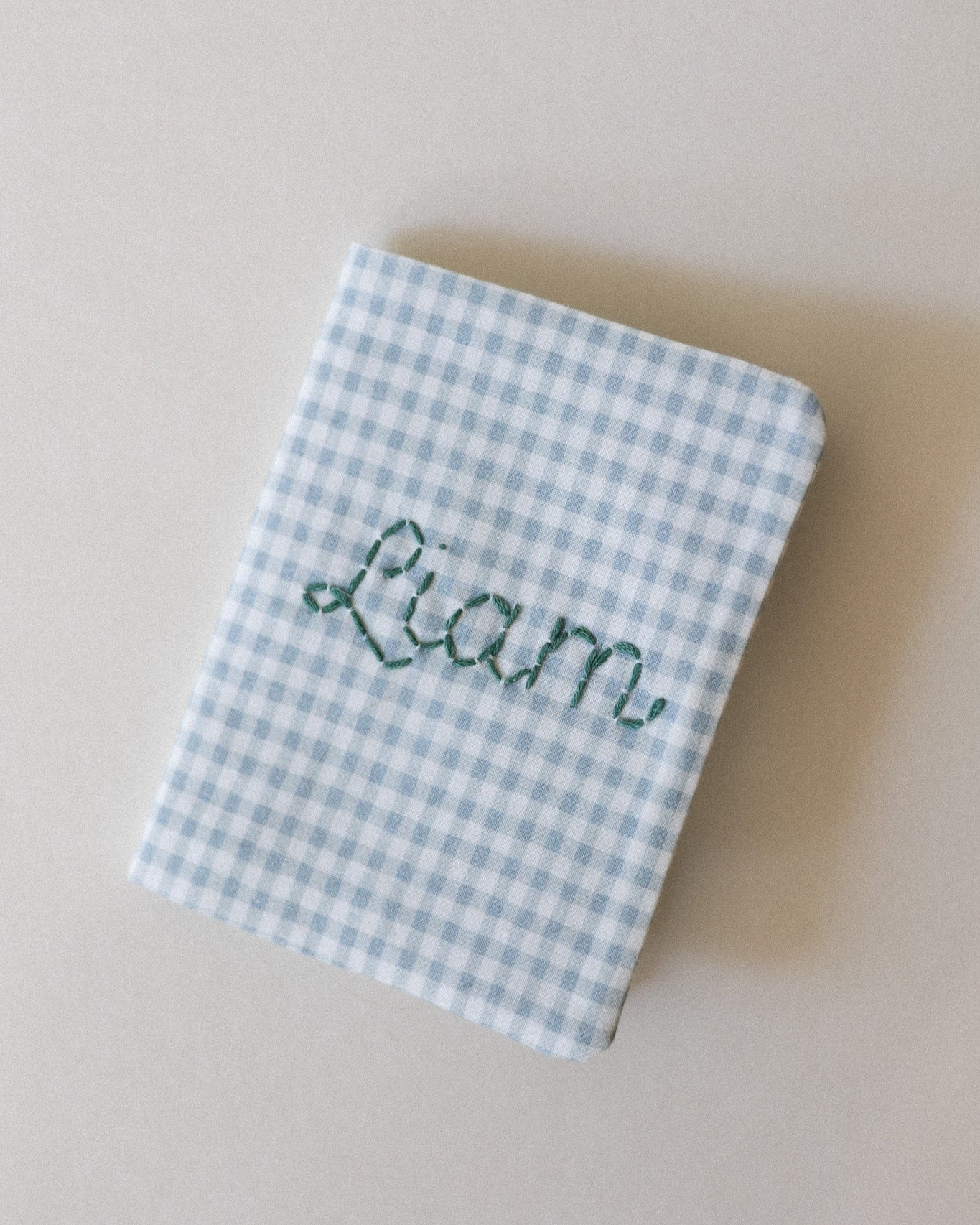
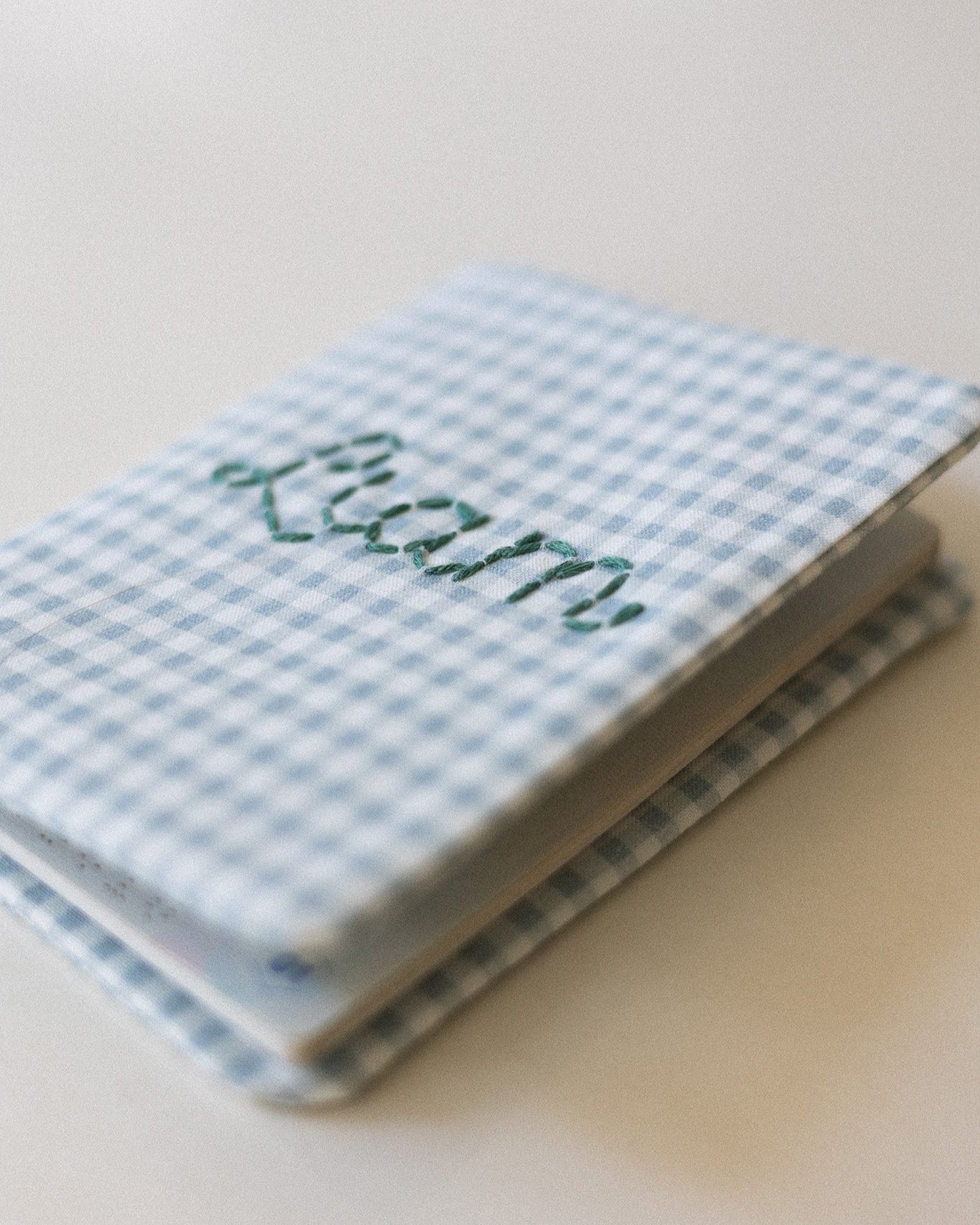
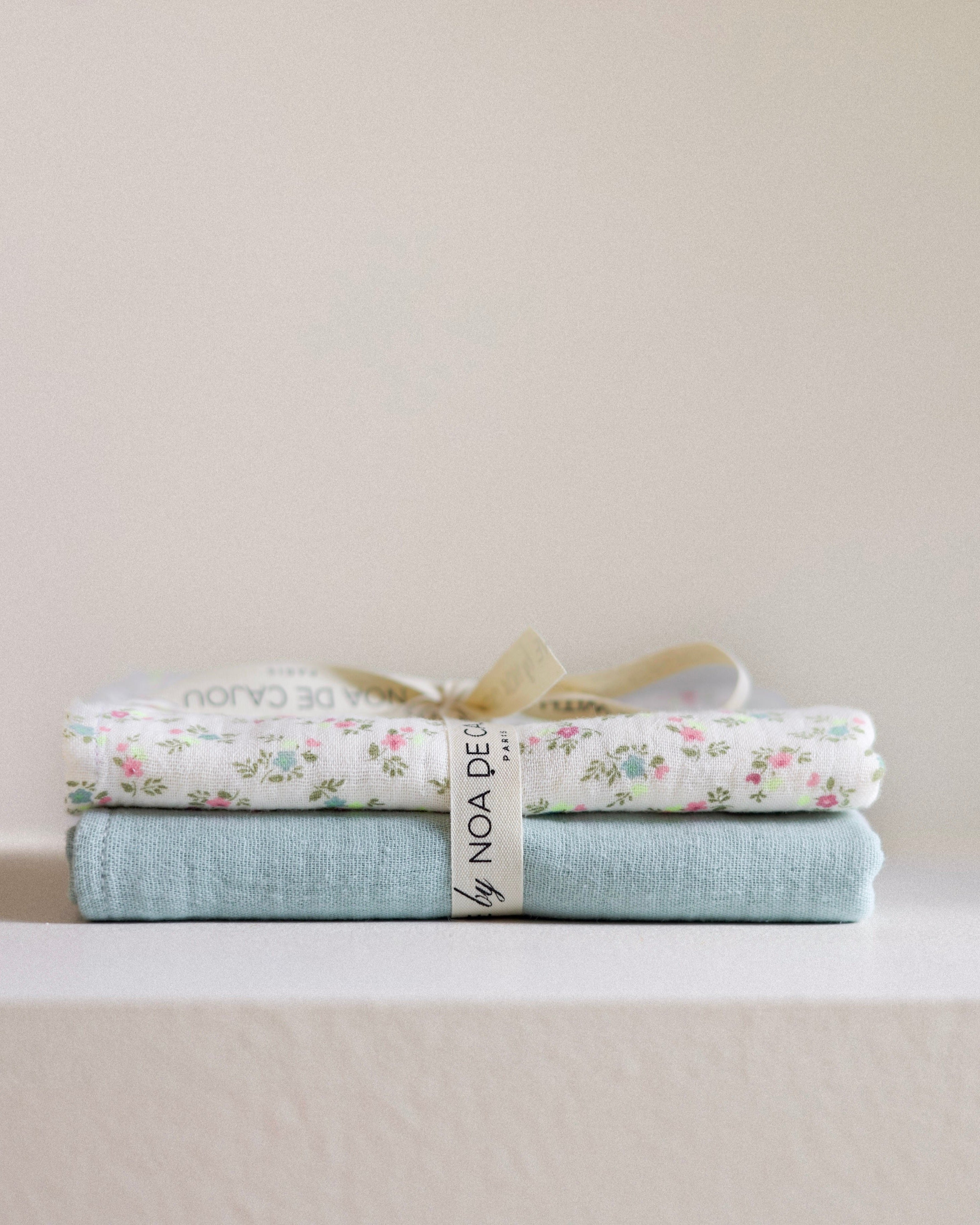
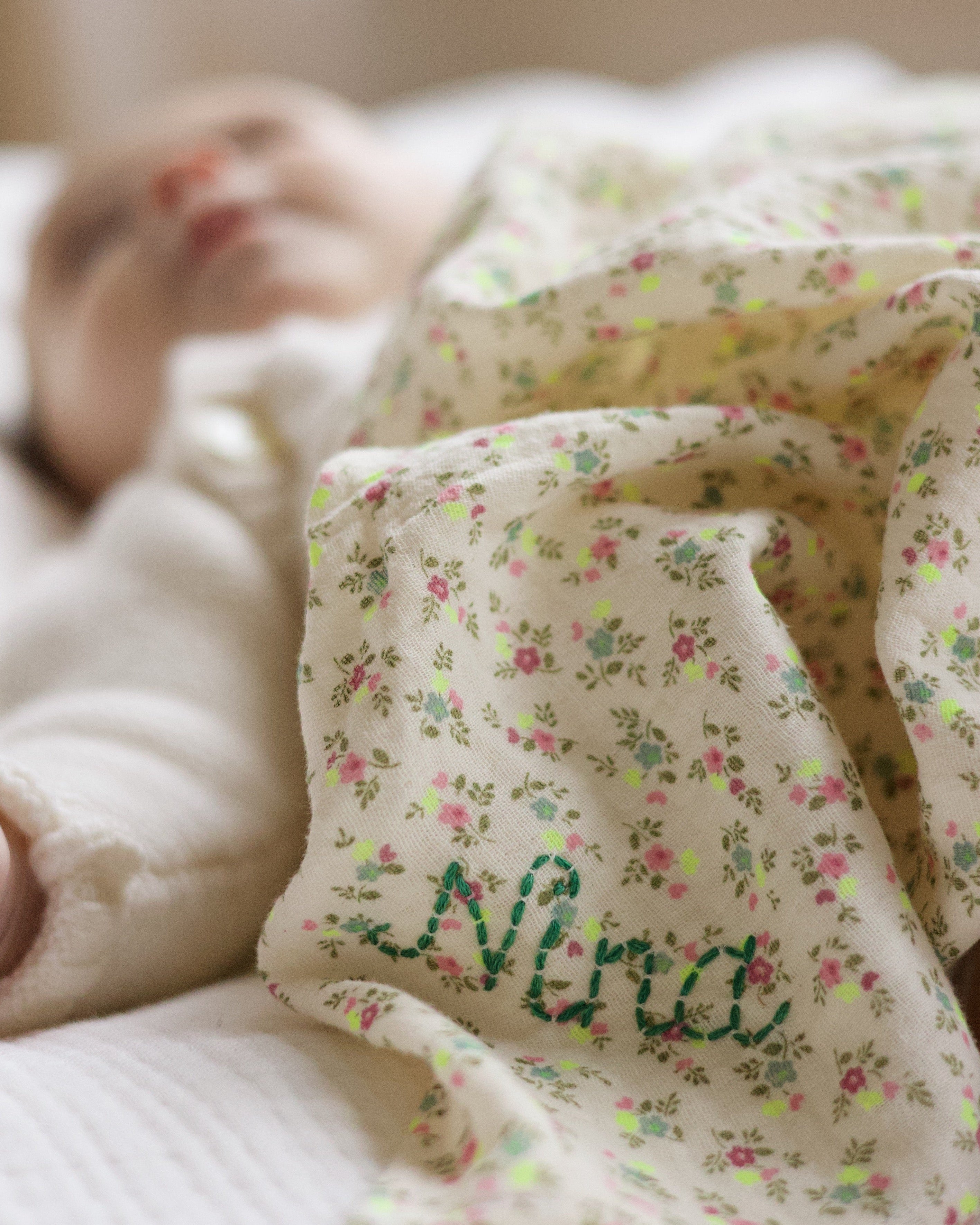
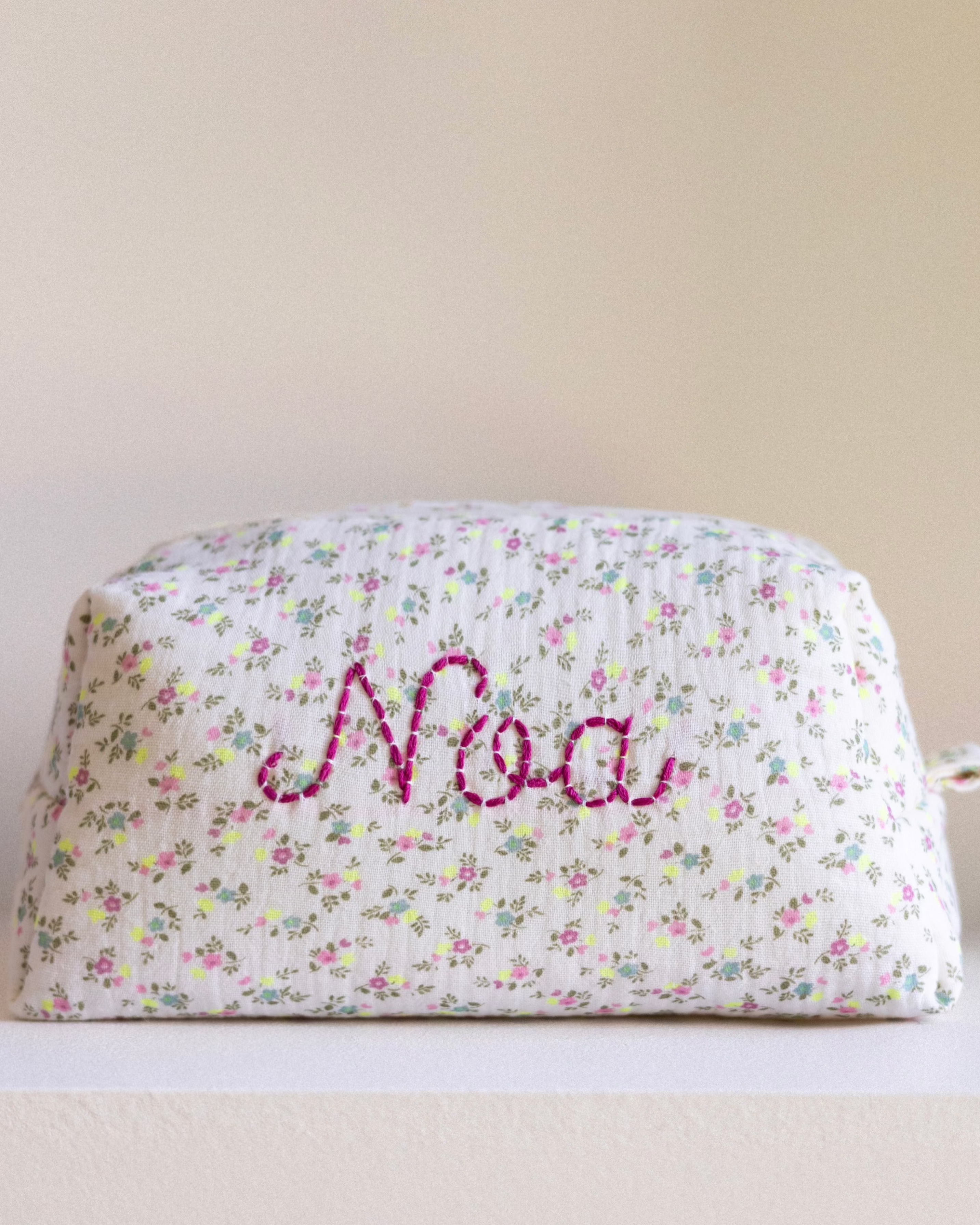
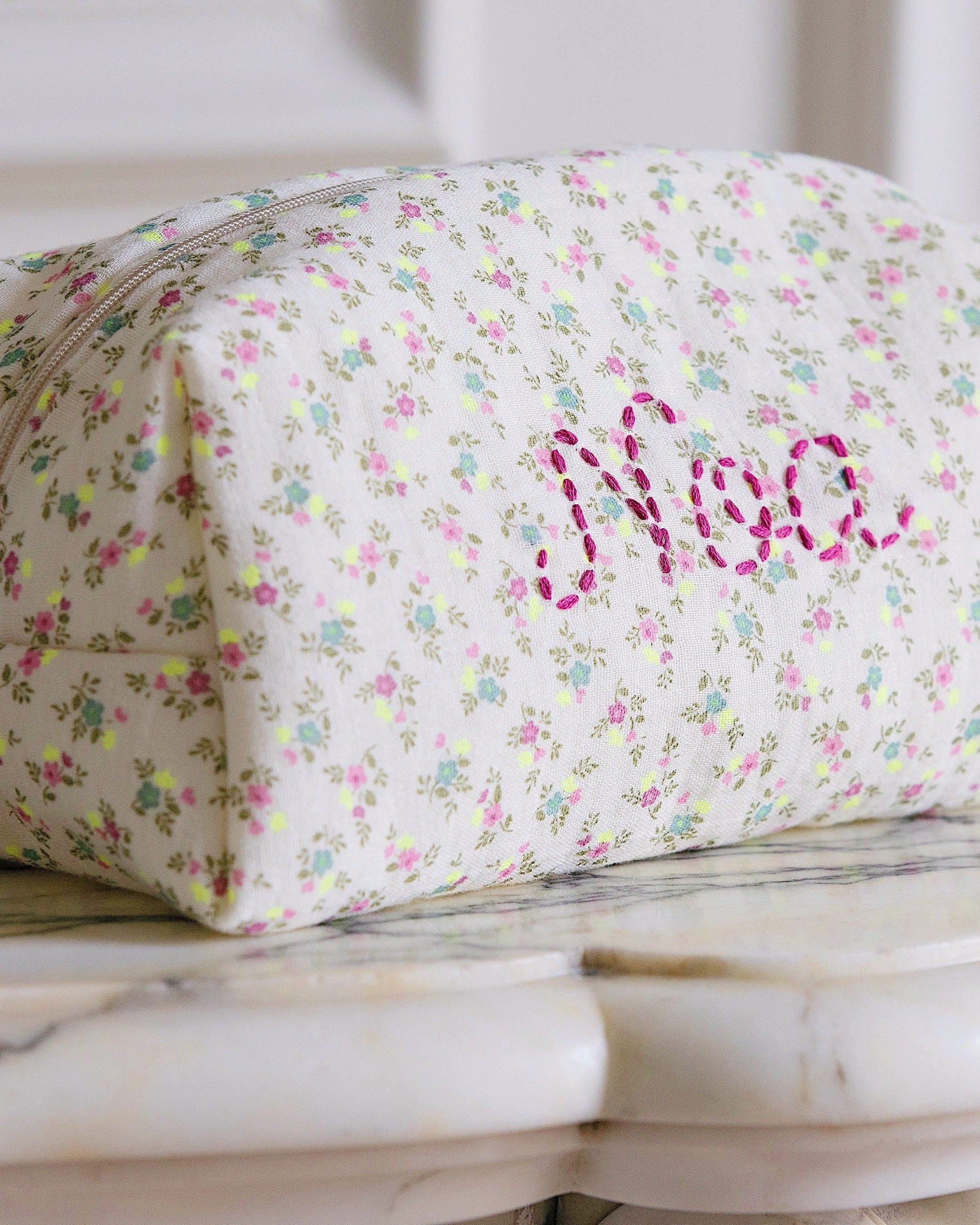
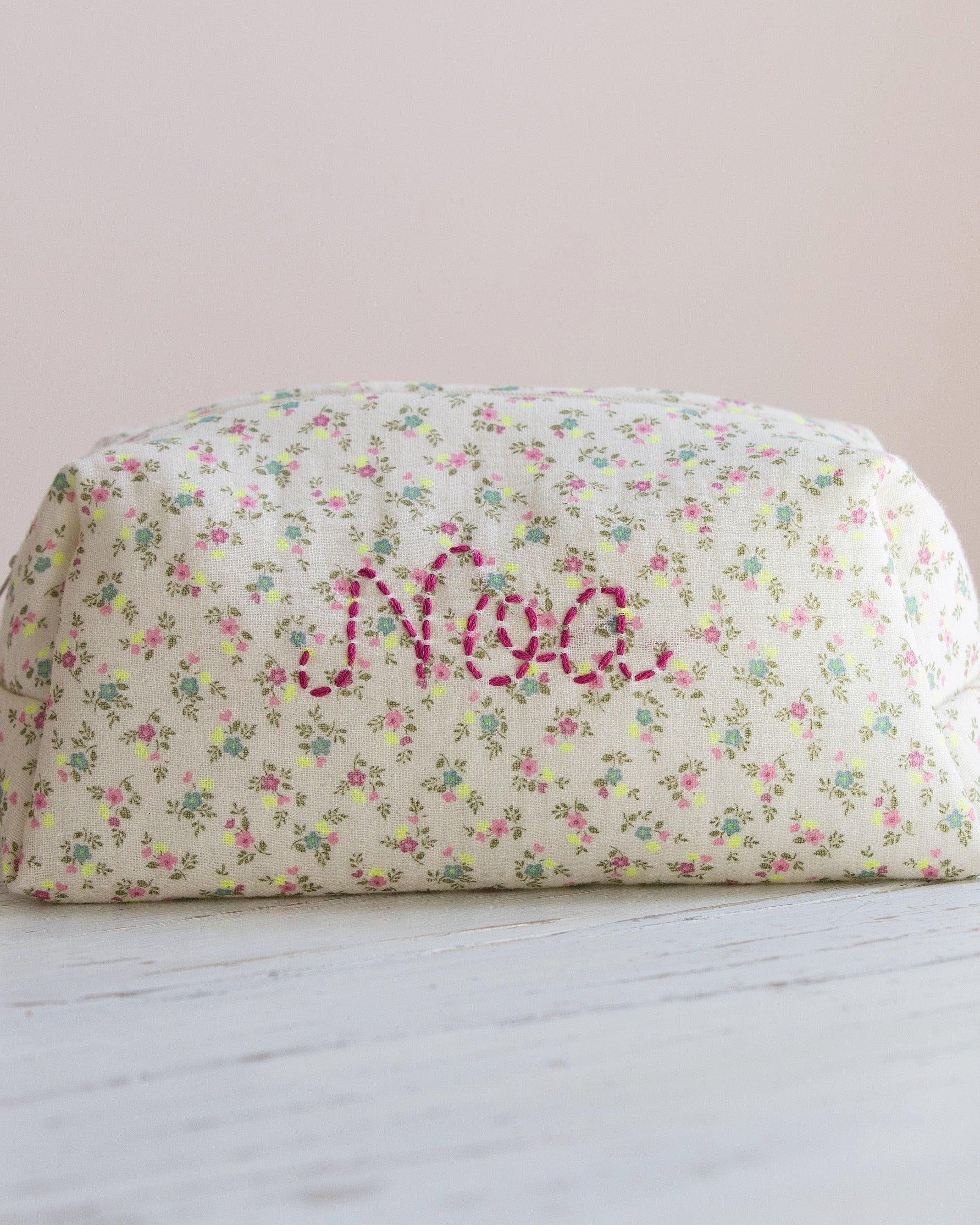
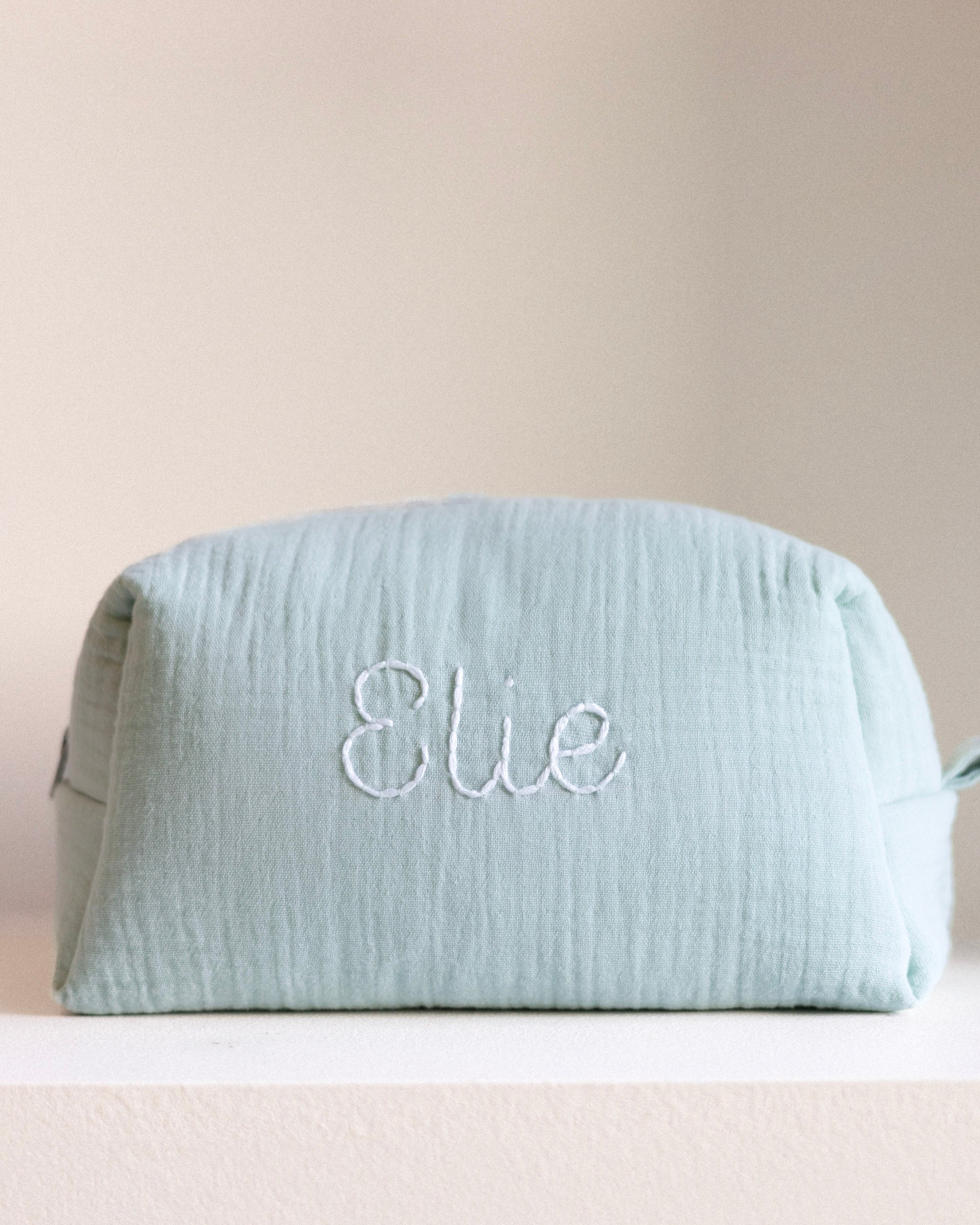
This focus on softness and textile quality also guides our product selection at Cajou Paris. We prioritize items made from Oeko-Tex Standard 100 certified cotton, whose components have been tested according to the certification criteria, as well as organic cotton designs.
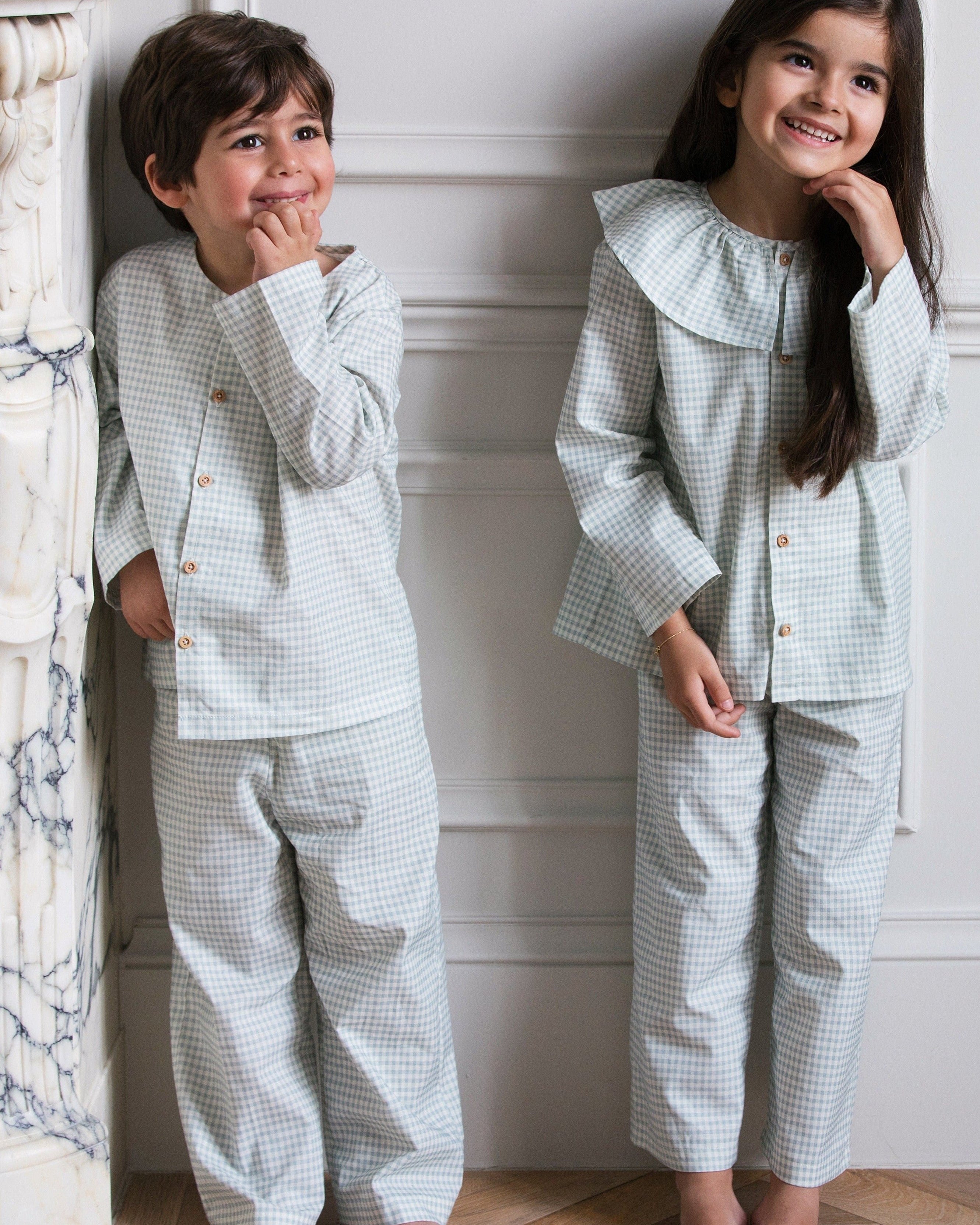
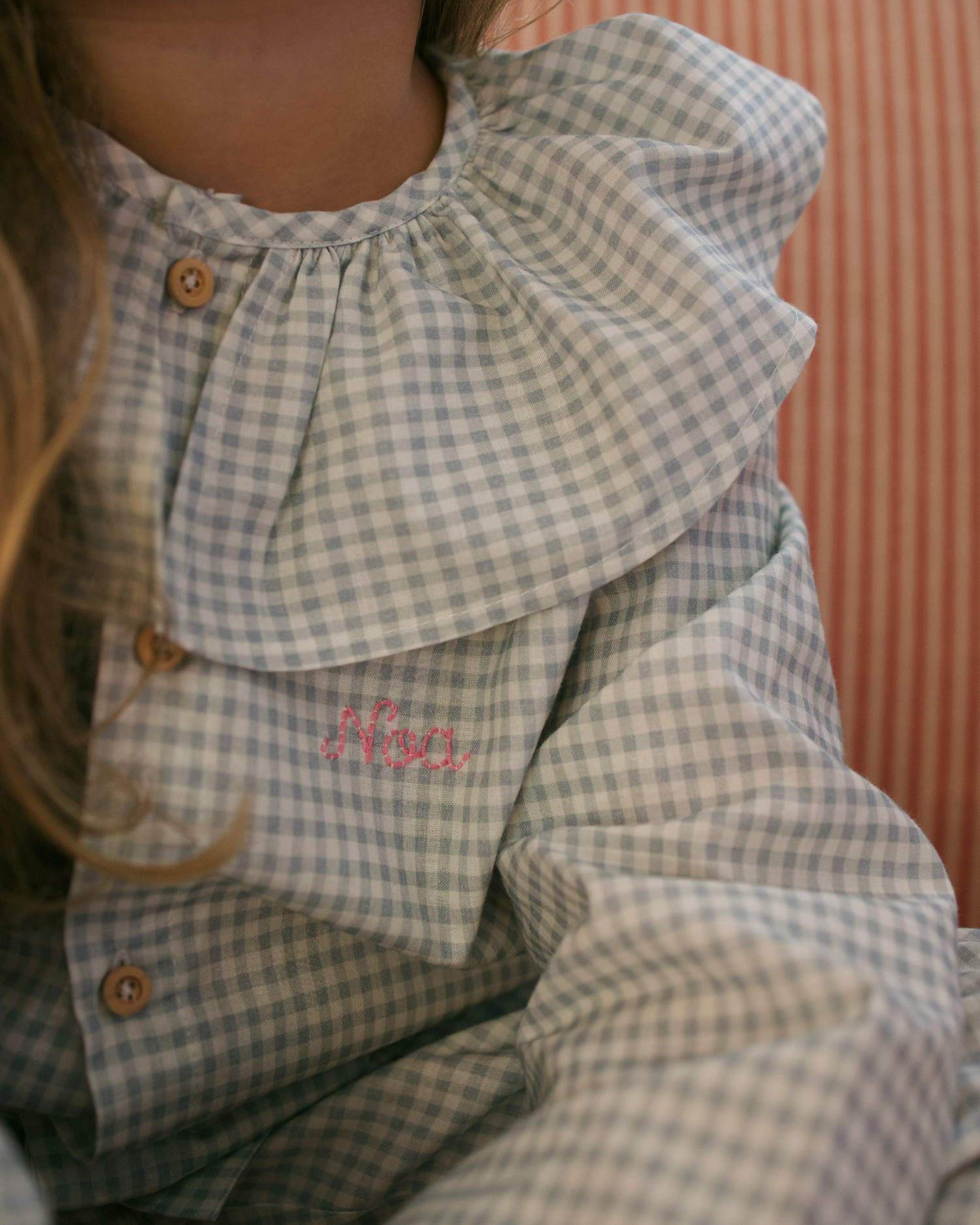
For everyday accessories as well as our pajamas for women and children, we pay particular attention to feel, cotton quality and comfort in use. Discover the Cajou Paris' range and our cotton creations designed to combine softness, textile quality and personalization.