

Dressing a newborn in summer means finding the right balance between comfort, protection and safety. Even when temperatures are high, a baby remains more sensitive than an adult to temperature changes. A newborn can cool down quickly during the first days, but can also suffer from heat if their outfit is too warm.
The choice of clothing therefore depends on several factors: the baby’s age, the indoor temperature, sun exposure, the time of day and sleeping conditions. The aim is simple: choose lightweight, breathable and suitable clothing, while protecting the infant’s fragile skin.
General recommendations for dressing a newborn in summer
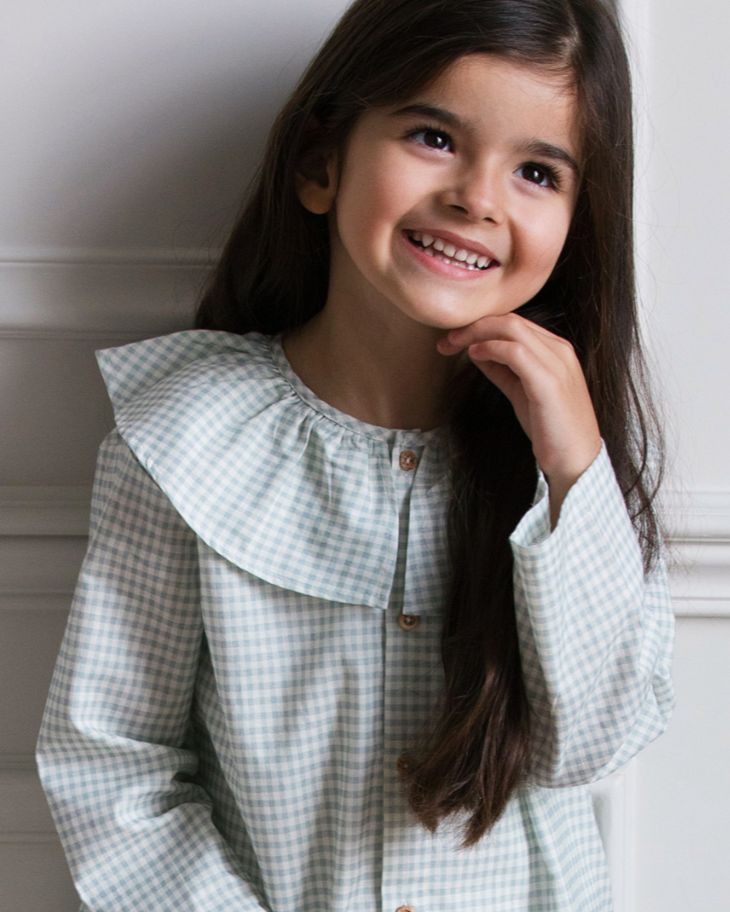
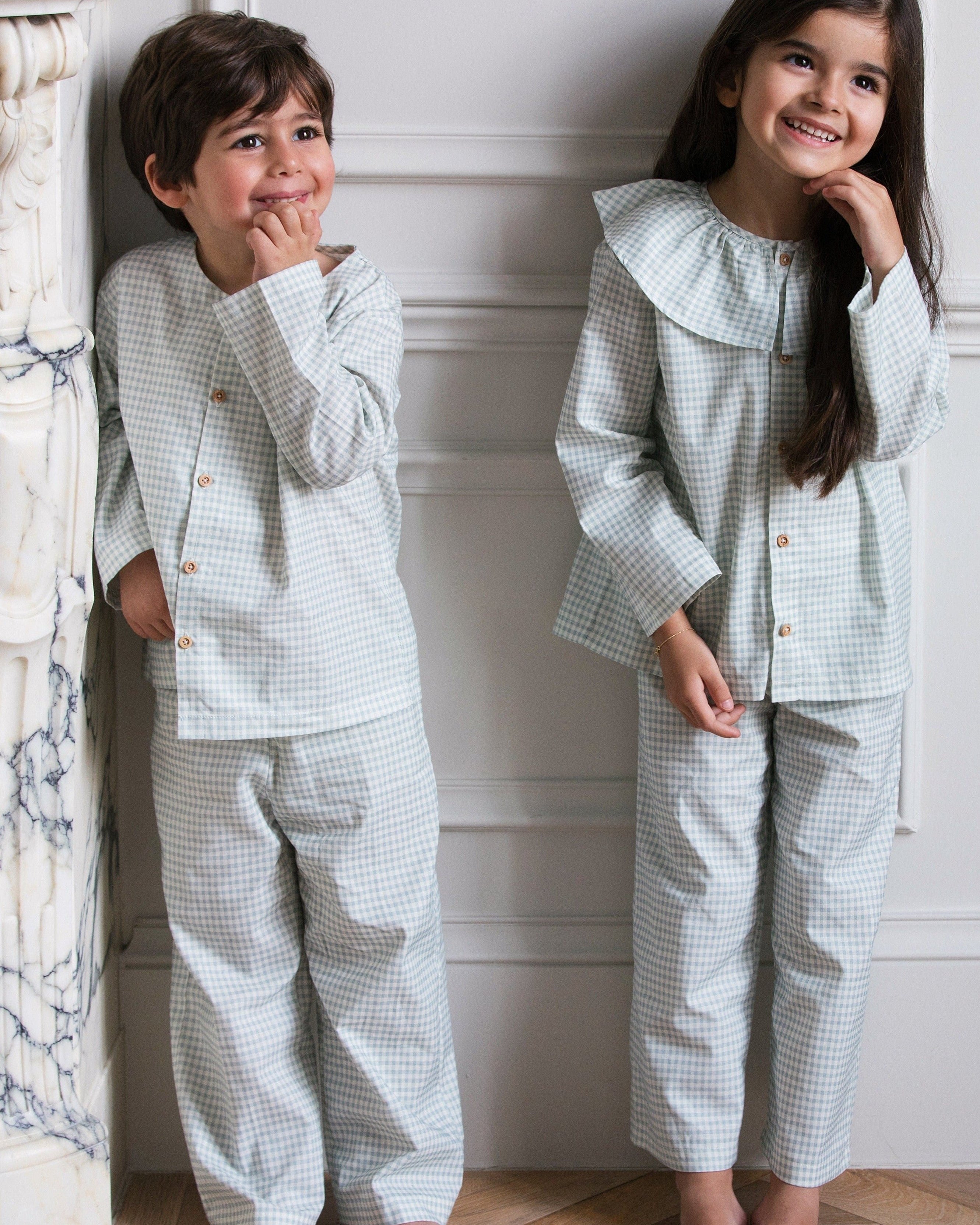
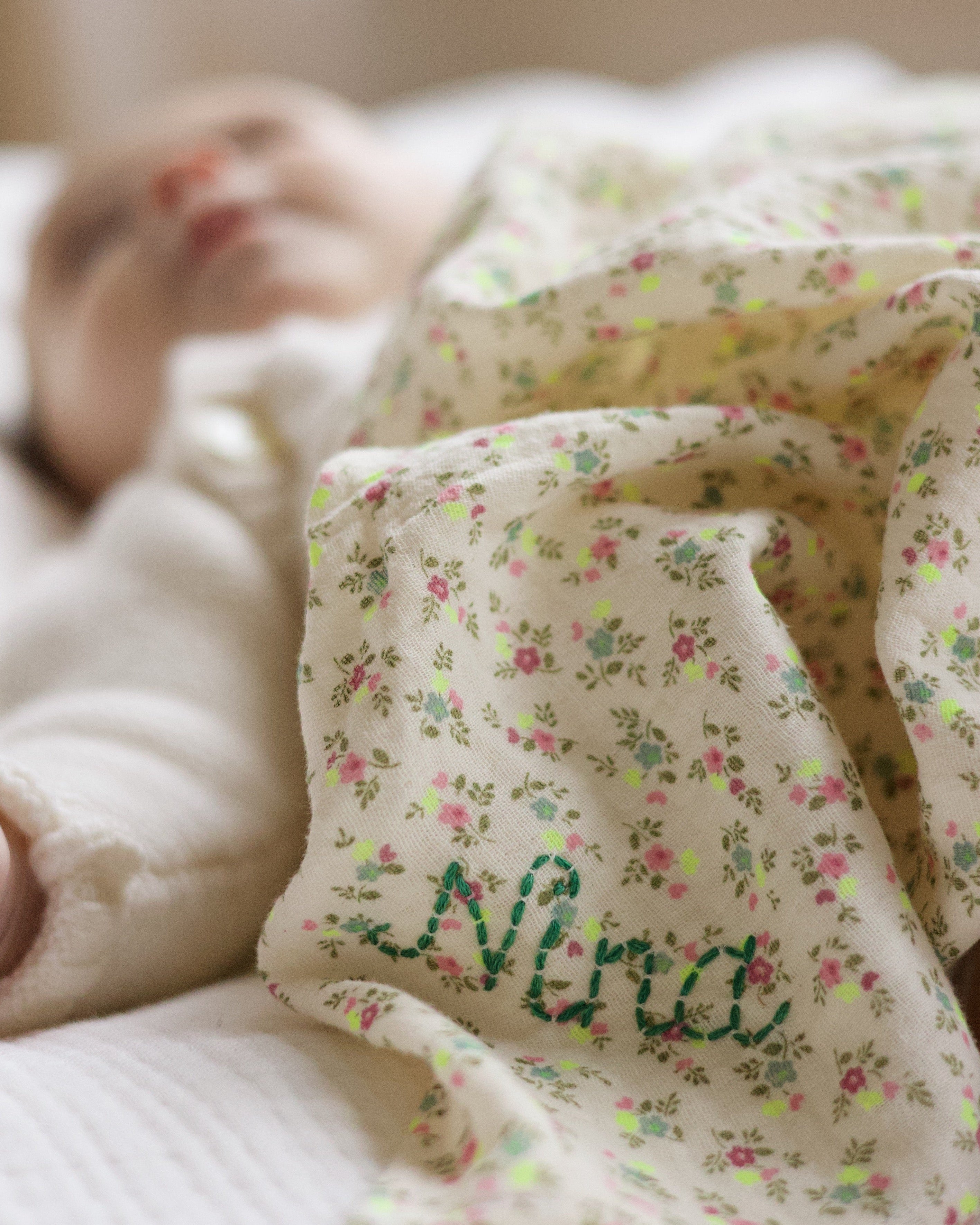
In summer, it is best to dress your baby in few layers, but to choose the materials carefully. Cotton, linen and cotton muslin are particularly suitable, as they allow air to circulate more easily and help limit perspiration.
During the day, at home, a lightweight bodysuit may be enough if the temperature remains reasonable. In very hot weather, it may sometimes be possible to leave the baby in only a diaper, especially when they are sleeping or resting in a well-ventilated room, away from direct draughts.

The main principles to remember are as follows:
• Choose light-coloured, loose and breathable clothing.
• Avoid synthetic materials, which can retain heat and encourage perspiration.
• Adapt the outfit to the actual temperature of the room, rather than to the season alone.
• Do not add unnecessary layers of clothing.
• Regularly check the baby’s neck, tummy or back to see whether they are too hot.
• Keep an extra lightweight layer on hand in case of air conditioning, wind or an outing at the end of the day.
Do not rely only on the baby’s hands or feet: they may feel cool without the child being cold. A damp neck, a moist back, very warm skin or redness, however, can be signs that the baby may be overdressed.
How to dress a newborn in summer according to age?
At the maternity ward: the first days after birth
Even in summer, a newborn may need a more covering outfit at birth. During the first hours of life, newborns still struggle to regulate their body temperature. It is therefore common to prepare a first outfit made up of several items.
In the maternity bag, you can generally include:
• A long-sleeved bodysuit.
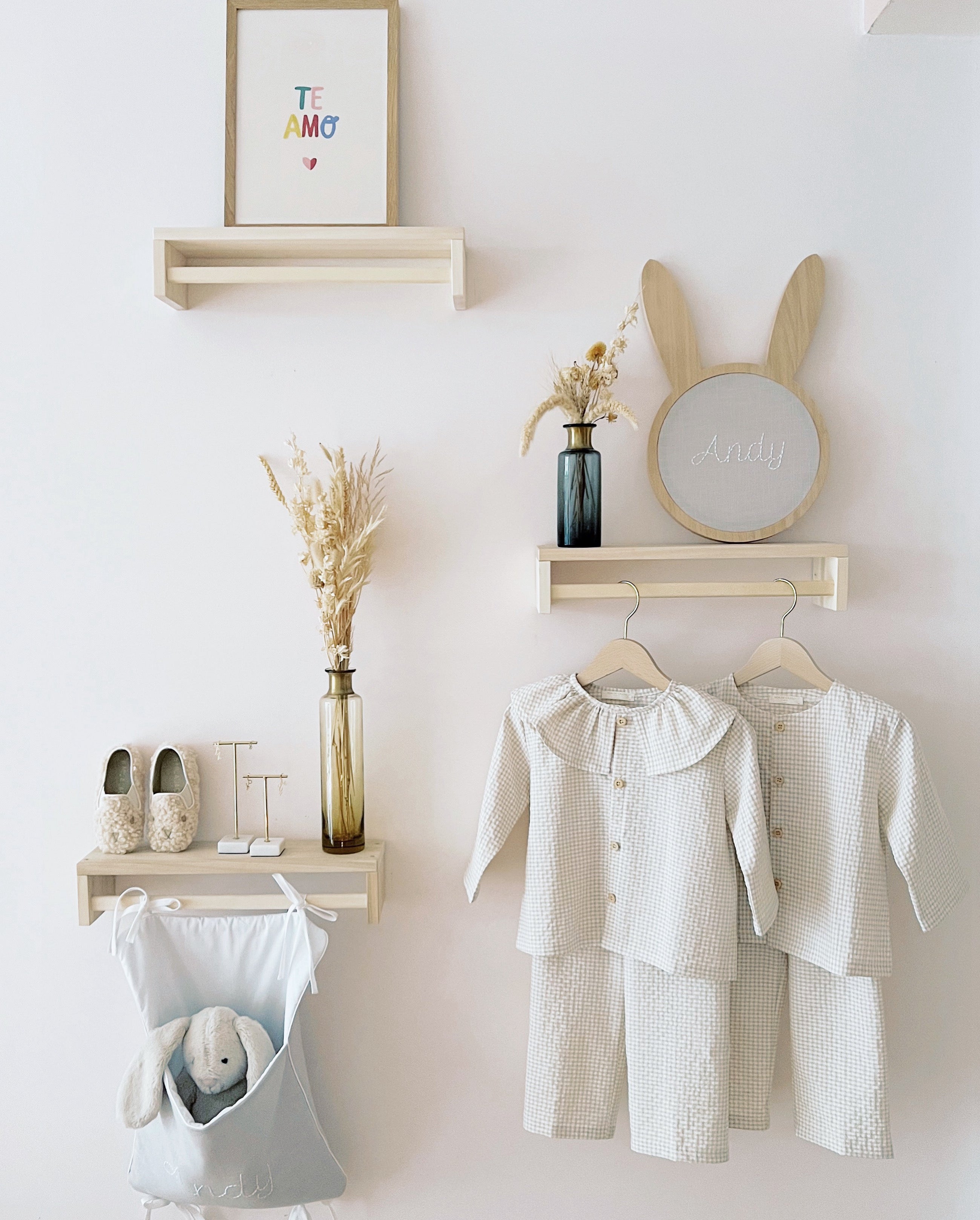
• Lightweight cotton pyjamas.
• A newborn hat.
• A pair of socks or booties.
• A lightweight cardigan if the room is cool.
• A summer sleep sack or a lightweight blanket used only under supervision.
The outfit should then be adjusted according to the medical team’s advice, the temperature of the room and the baby’s behaviour. If the room is very warm or if the baby is sweating, the outfit should naturally be made lighter.
From 0 to 1 month: supporting adaptation to heat
When the baby comes home, they gradually begin to adapt to their environment. However, they remain very sensitive to temperature changes. During the day, if the house is warm, a short-sleeved bodysuit or a simple diaper may be enough.
For a short outing, it is better to choose a lightweight but covering outfit: a bodysuit, thin trousers or a loose one-piece outfit, as well as a wide-brimmed hat. The aim is not to leave the baby completely uncovered, but to protect them from the sun without smothering them under several layers.
It is also recommended to keep a thin cardigan, a muslin cloth or an extra lightweight item in the diaper bag for air-conditioned places, car journeys or returns at the end of the day.

From 1 to 3 months: lighten the outfit further according to the temperature
After the first few weeks, babies generally cope better with slight temperature changes, but remain vulnerable to heat. During the day, a simple outfit is often enough: a short-sleeved bodysuit, bloomers, a lightweight romper or a cotton set.
In very hot weather, outings should be limited to the coolest times of day, ideally in the morning or at the end of the day. Clothes should remain soft, easy to put on and loose enough not to stick to the skin.
For this age, the right habits are as follows:
• Choose clothing without unnecessary thickness.
• Avoid tight outfits.
• Keep the baby’s head protected during outings.
• Never expose the baby directly to the sun.
• Pack a change of clothes if the baby sweats.
From 3 to 6 months: protect from the sun without overheating
Between 3 and 6 months, babies may be more alert, more mobile and spend more time outdoors. Vigilance remains important, however, because their skin is still very fragile.
For summer outings, covering but lightweight clothes are the most suitable: a cotton T-shirt or bodysuit, fluid trousers, a lightweight one-piece outfit, a hat and suitable sunglasses if possible. Light colours are preferable, as they absorb less heat.
Avoid leaving the arms, legs or head exposed to the sun. Physical protection remains the priority: shade, covering clothing, a hat and suitable hours for outings.
How to dress a newborn at night in summer?
At night, clothing mainly depends on the temperature of the bedroom. Ideally, a baby’s room should remain cool, around 18 to 20 °C. In summer, this temperature can be difficult to maintain, which is why it is important to adapt the outfit.
A few guidelines can help:
• Between 20 and 22 °C: a lightweight long-sleeved bodysuit or a short-sleeved bodysuit with a lightweight sleep sack.
• Between 22 and 24 °C: a short-sleeved bodysuit and a summer sleep sack.
• Between 24 and 26 °C: a short-sleeved bodysuit alone or a very lightweight sleep sack, depending on the baby.
• Above 26 °C: a simple bodysuit, or even just a diaper if the baby is too hot.

A summer sleep sack can be useful, provided you choose a suitable model. The TOG rating indicates its level of warmth: the lower it is, the lighter the sleep sack. In summer, TOG 0.5 or TOG 1 models are generally the most appropriate.
It is best to avoid blankets, duvets, pillows and cot bumpers. The sleeping area should remain simple, clear and safe.
How to dress a baby for going out in summer?
When going out with a newborn in summer, two risks must be considered: heat and sun. A baby should not be exposed directly to the sun’s rays, especially during the first months.
The ideal outfit for a summer walk may include:
• A lightweight bodysuit.
• Thin trousers or a loose one-piece outfit.
• A wide-brimmed hat.
• Suitable sunglasses if the baby accepts them.
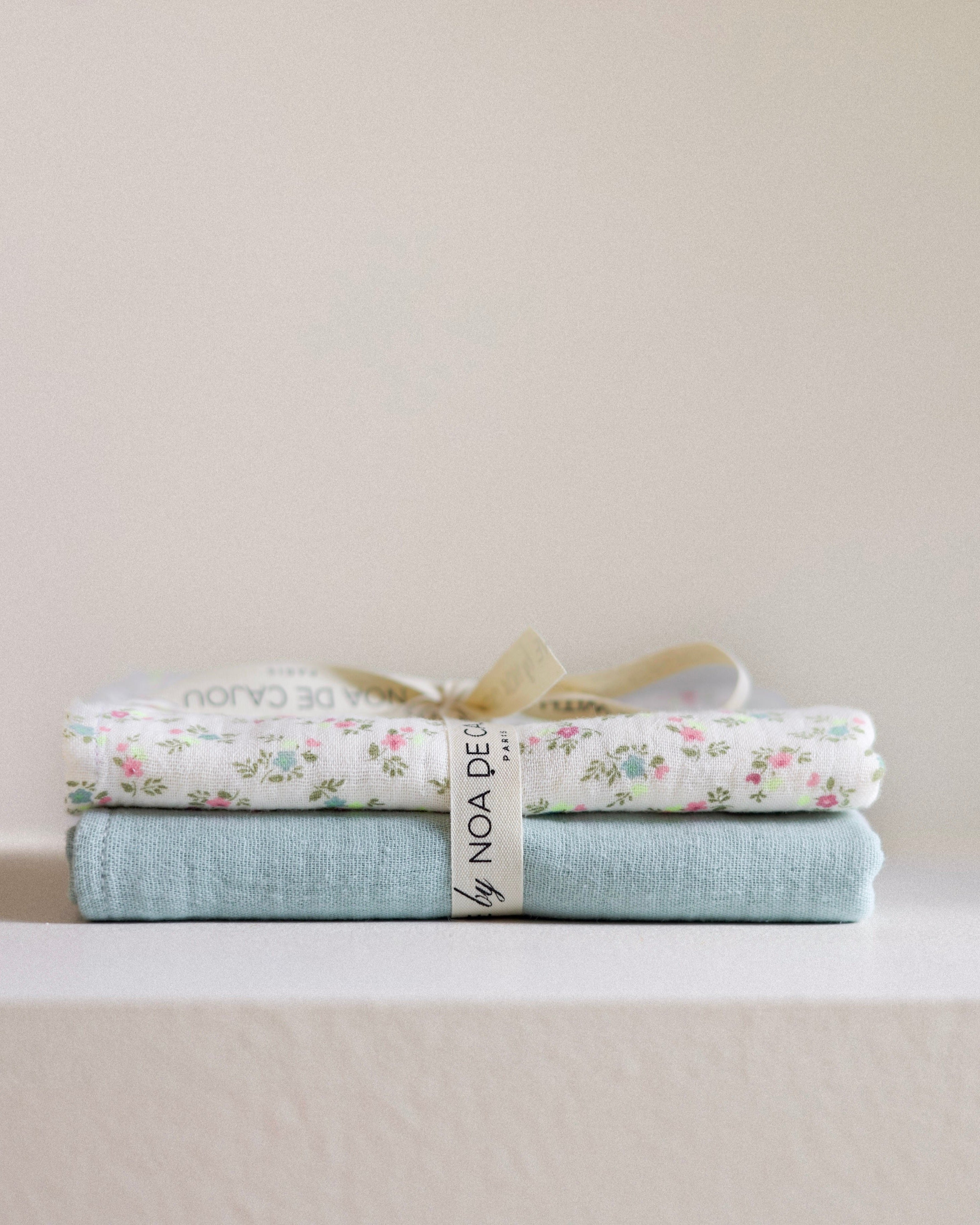
• A lightweight muslin cloth to keep in the bag, without fully covering the stroller.
Avoid covering the stroller with a muslin cloth or blanket to create shade. This practice can block air circulation and cause the temperature inside to rise. It is better to use a UV-protective parasol, an adapted canopy or stay in the shade.
Outings are best planned early in the morning or at the end of the day. During a heatwave, it is better to limit non-essential trips, especially with an infant under one year old.
What signs show that a baby is too hot or too cold?
A newborn cannot yet clearly express discomfort. It is therefore necessary to observe certain physical signs.
The baby may be too hot if:
• Their neck is damp.
• Their back or tummy is moist.
• Their skin is red or very warm.
• They are sweating.
• They seem agitated, irritable or sleepy.
• Their breathing seems faster.
In this case, remove one layer, provide a cooler environment and make sure the baby remains properly hydrated according to their feeding method.
For a breastfed newborn, feeds can be offered more often. For a bottle-fed baby, it is preferable to ask a healthcare professional for advice in case of high heat or doubt.
A baby may be cold if their tummy or neck feels cold to the touch, if they seem uncomfortable or if they curl up. In that case, simply add one light layer, without overdoing it.

Which materials should you choose to dress a newborn in summer?
The choice of materials is essential to preserve the baby’s comfort. In summer, clothes should be soft, breathable and pleasant against the skin.
The most suitable materials are:
• Cotton, soft, absorbent and easy to care for.
• Organic cotton, appreciated for its softness and contact with sensitive skin.
• Linen, breathable and comfortable in hot weather.
It is best to avoid clothes that are too thick, synthetic materials and very fitted cuts. A loose outfit allows air to circulate more easily and limits irritation caused by perspiration.
Accessories are also important: a hat, a thin cardigan, a muslin cloth, a changing pouch and a change of clothes make it easier to adapt the baby quickly to temperature changes.
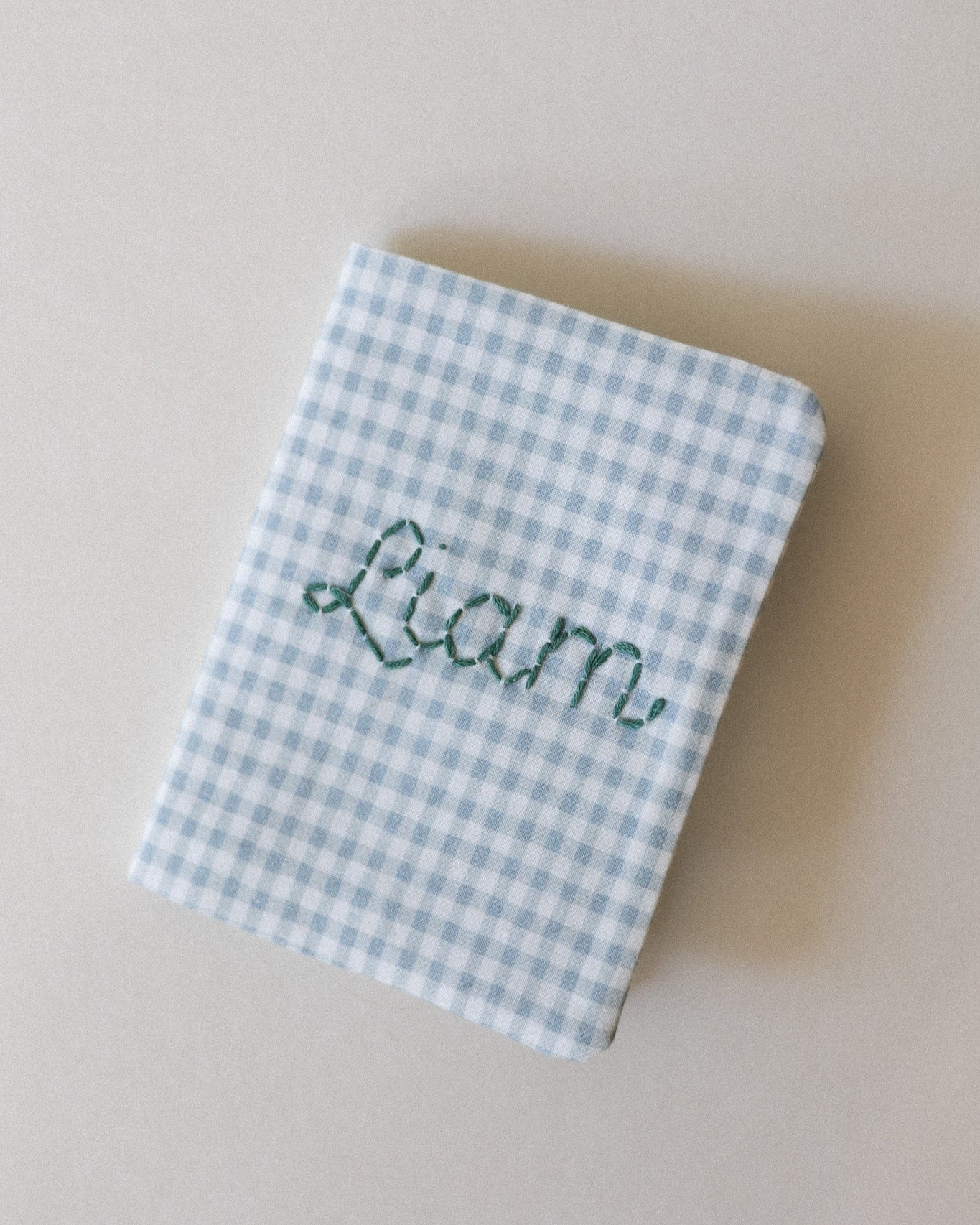
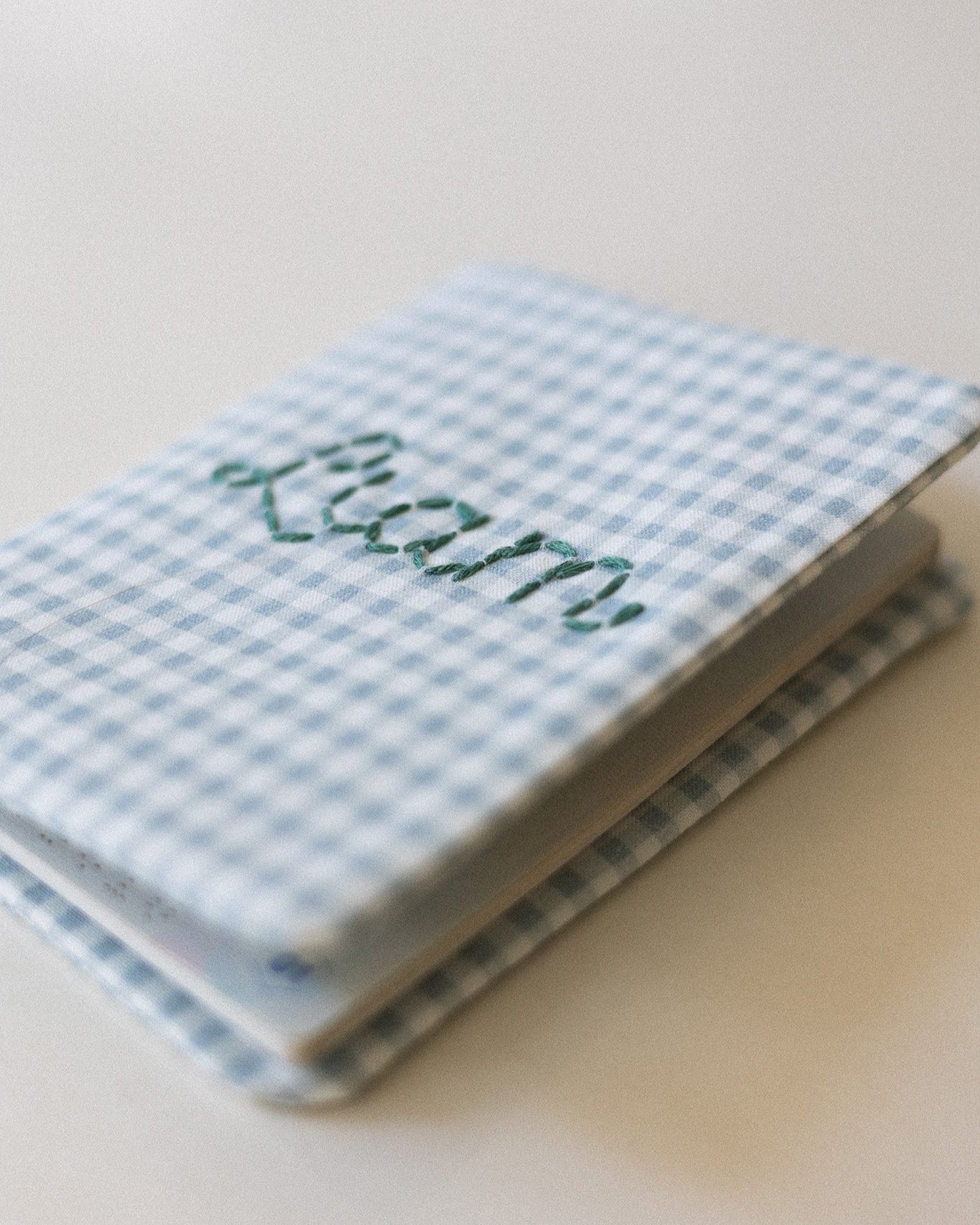
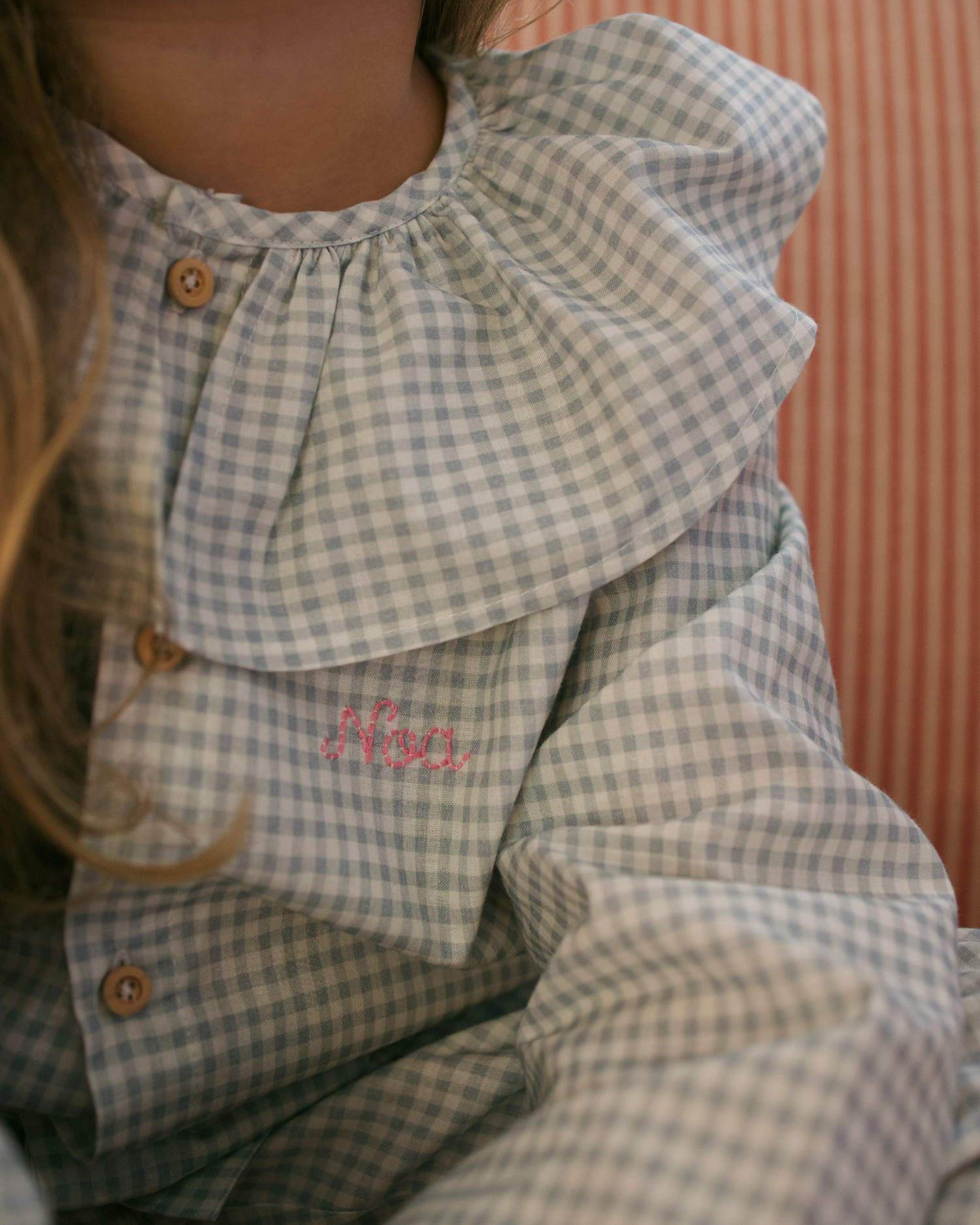
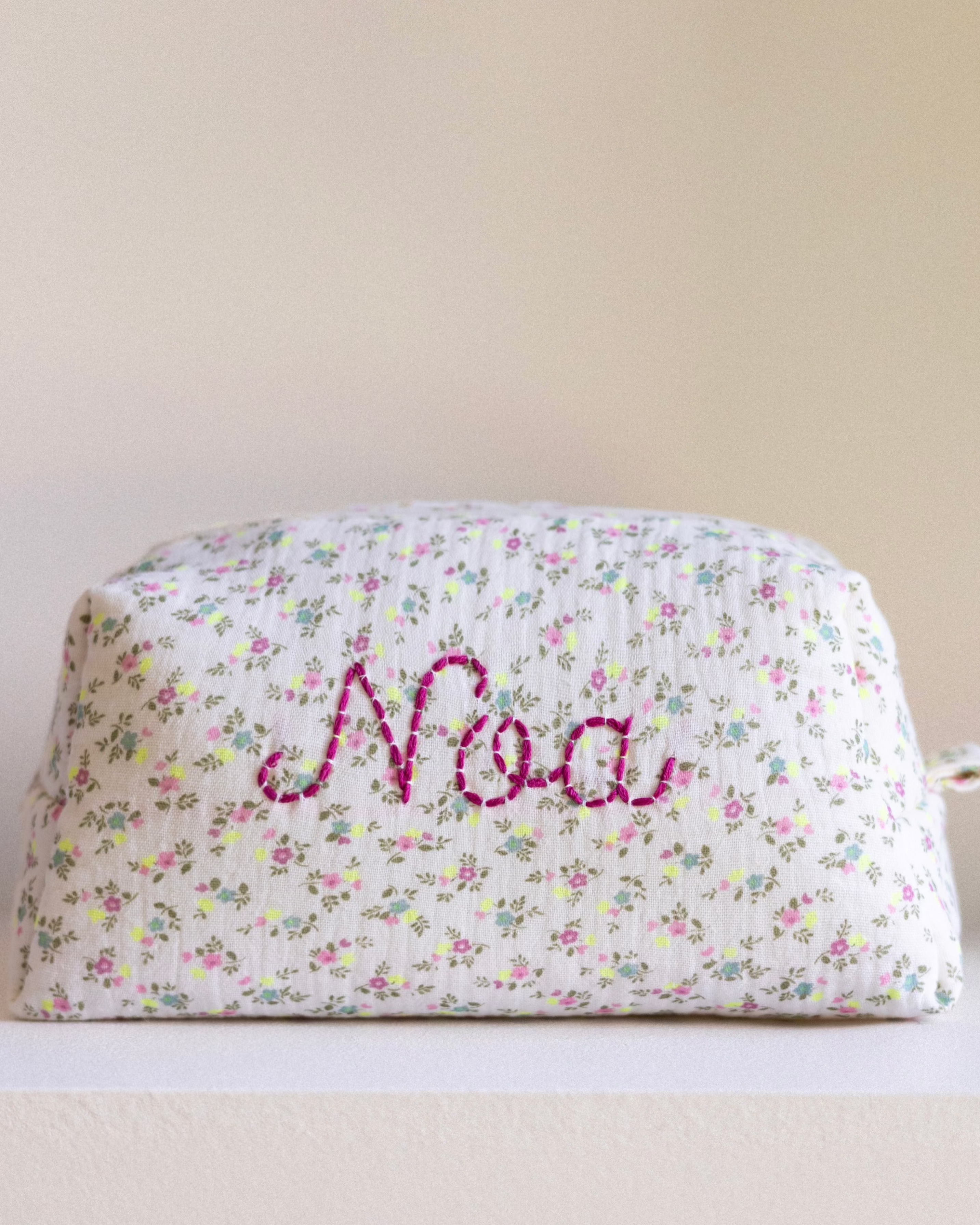
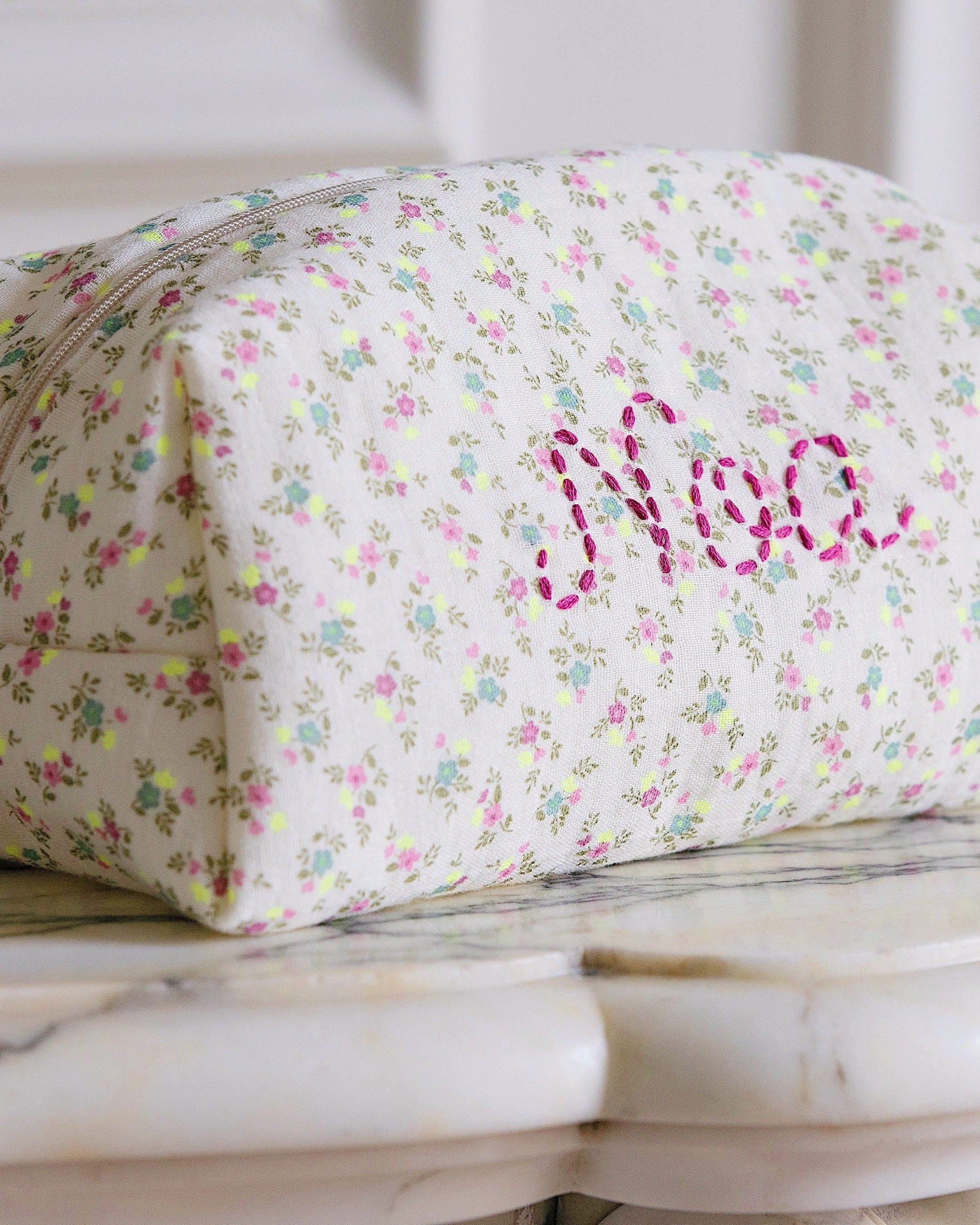
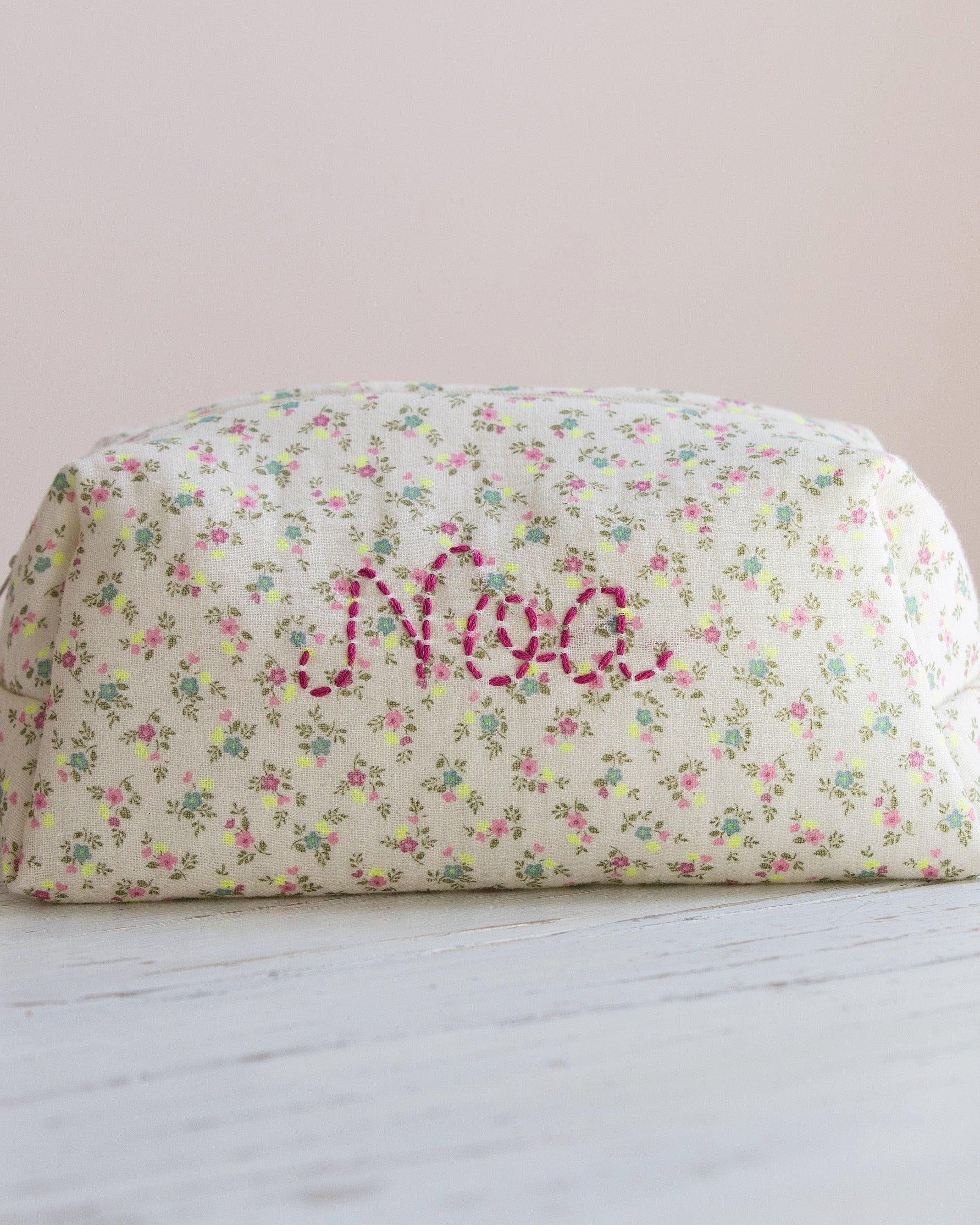
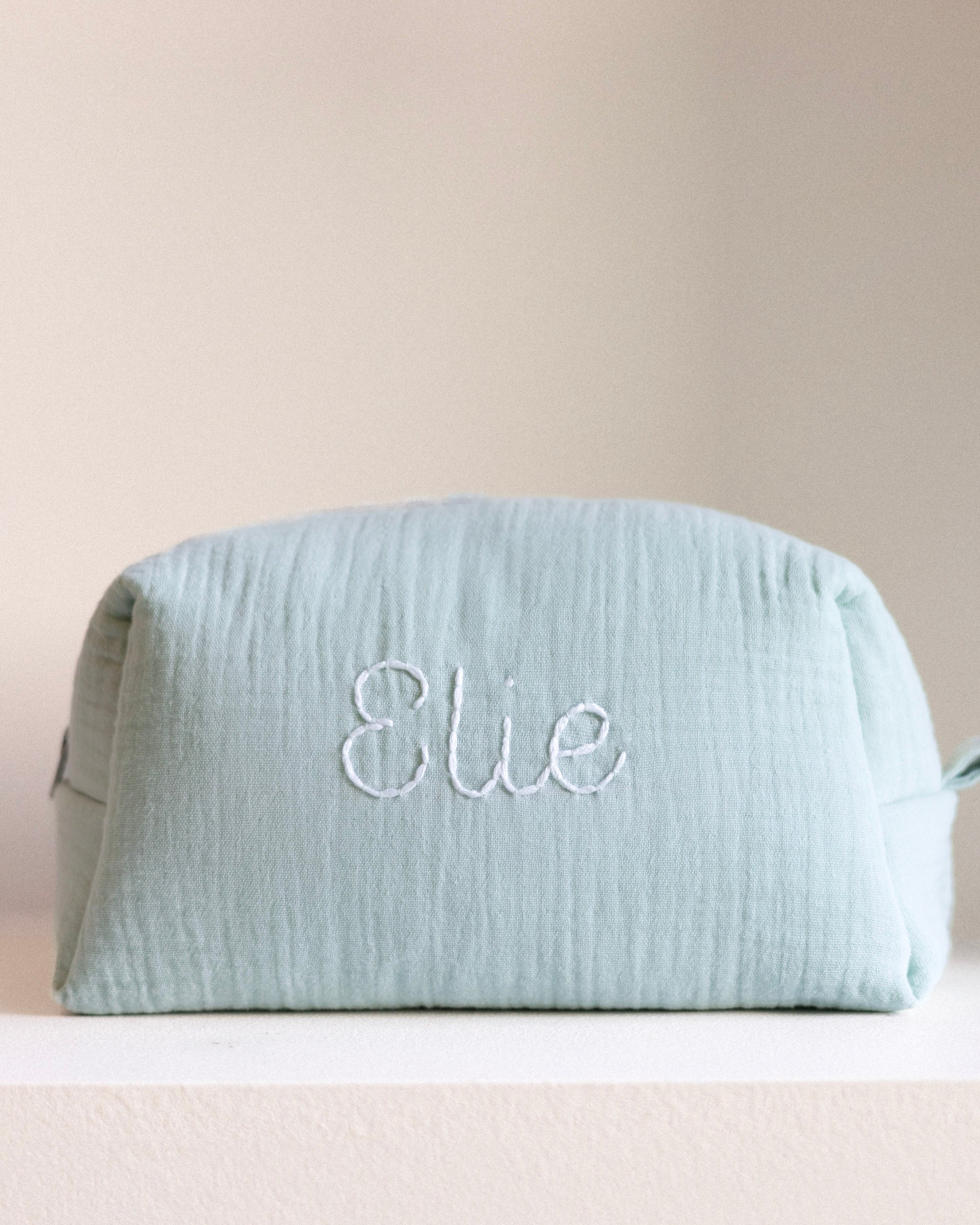
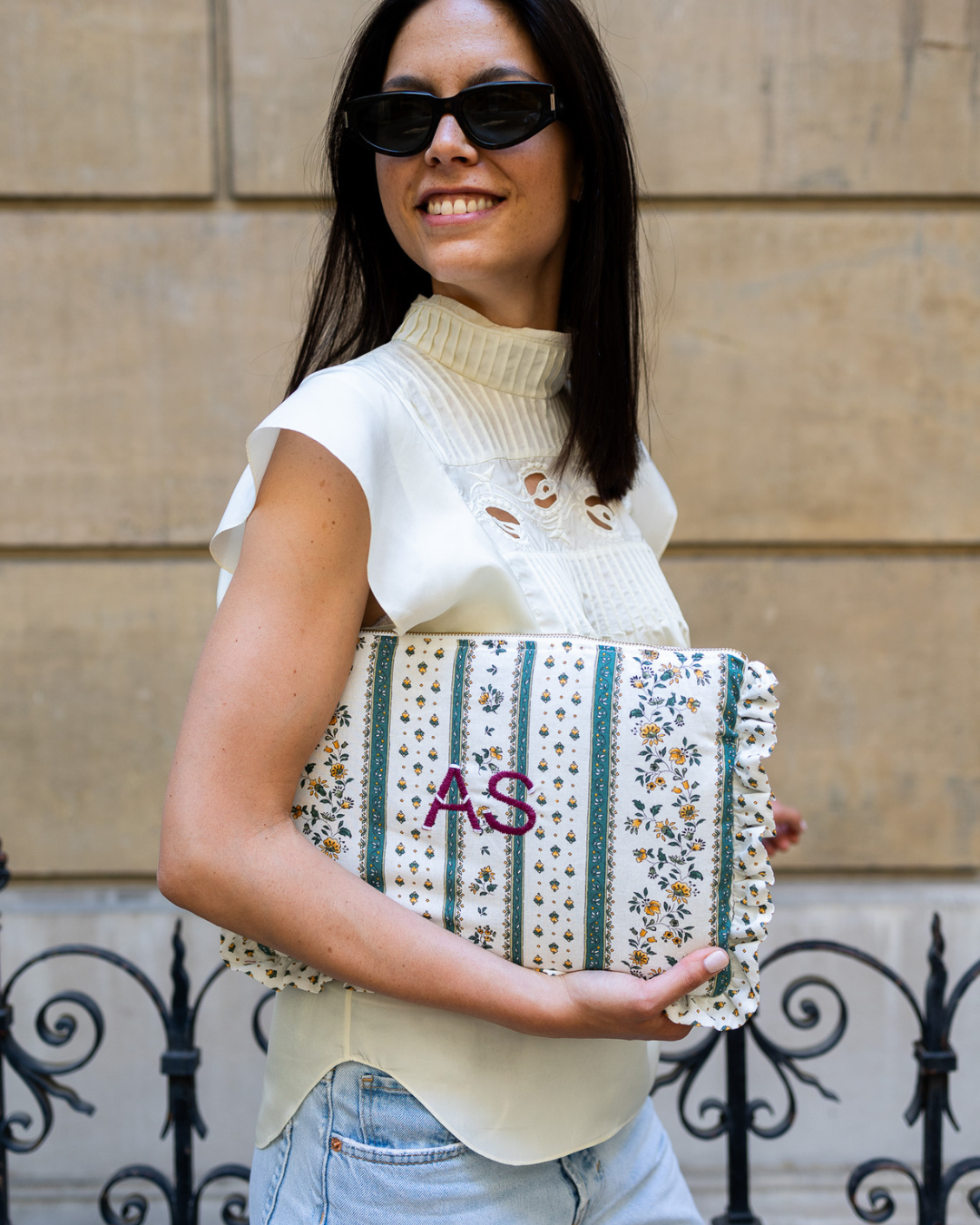
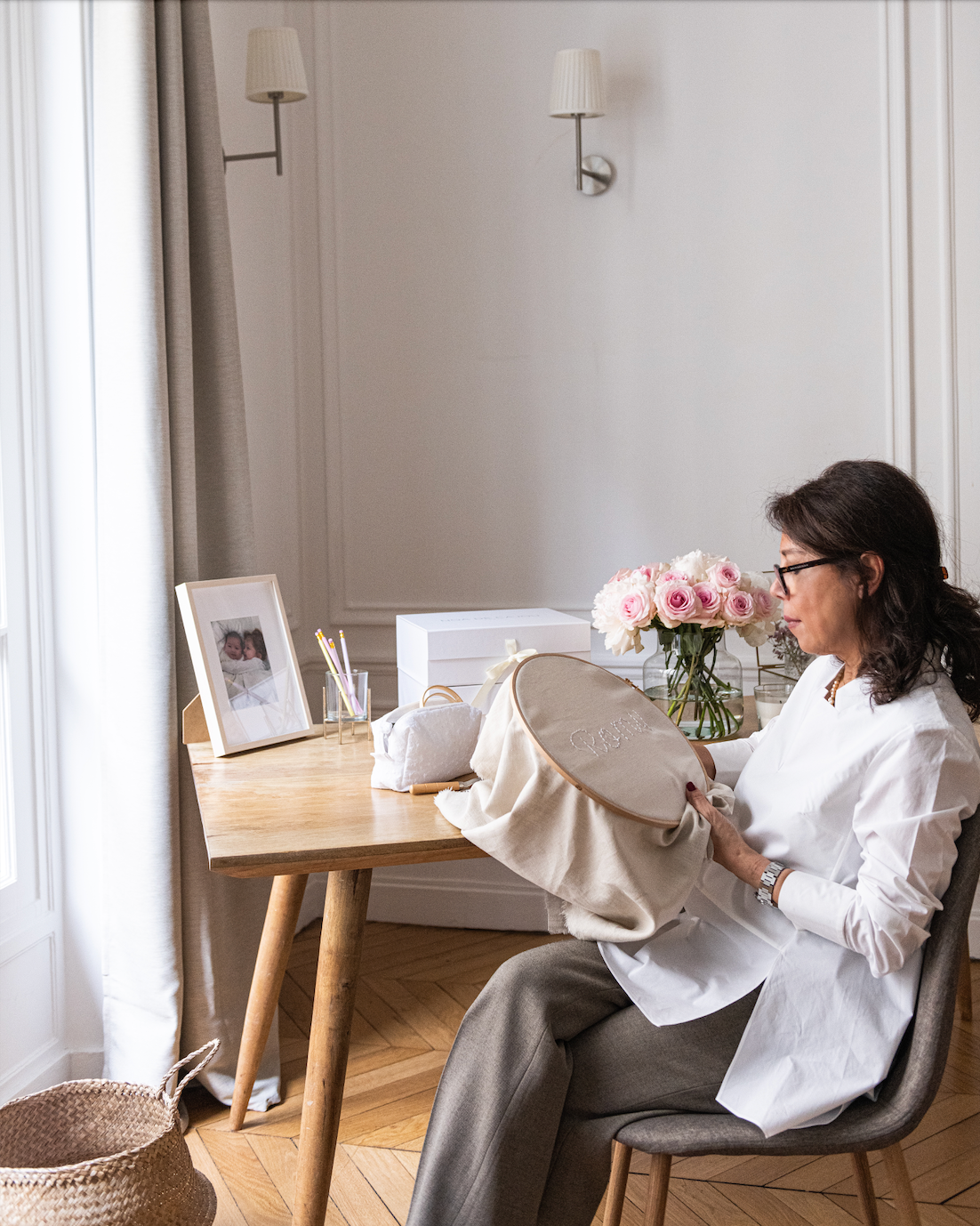
To support the first summer outings, Cajou Paris offers personalised clothing and accessories designed for parents’ everyday needs: sleep sacks, pouches, small bags, all hand-embroidered pieces, ideal for organising baby’s essentials with elegance.
A simple way to keep care, changing and walking essentials close at hand, while offering a durable and unique item.