







When a child is born, a dad's role is not limited to supporting the other parent. He needs to take an active role in caring for the baby, take part in daily life and gradually build a relationship of his own.
Changing a diaper, giving a bath, carrying the baby, soothing them or simply spending a few minutes in skin-to-skin contact are all actions that meet the baby's needs while helping to build the father-baby bond. Repeated care routines and everyday interactions are among the main ways a father can develop his relationship with his child.
This involvement is less about a theoretical division of roles than about practical co-parenting: each parent can learn to care for the newborn, develop their own routines and gradually become confident and independent with the baby.
Dad's role in baby care: which tasks can he take on?
Diaper changes, bath time and dressing baby
From the very first days, dad can take part in most everyday care routines. There is no reason why bath time, diaper changes or dressing should systematically be left to the other parent.
These moments are also particularly useful for getting to know your baby. Over time, dad learns their reactions, facial expressions and the small signals that show they are tired, uncomfortable or simply looking for closeness.
Among the care tasks dad can easily take on:
- Change diapers and help with washing;
- Give the baby a bath;
- Dress and undress the baby;
- Carry the baby and go for a walk;
- Rock the baby and help them fall asleep;
- Give the baby a bottle when bottle-feeding is part of their diet;
- Soothe the baby when they cry;
- Practice skin-to-skin contact and share moments of cuddling.
Bath time and diaper changes are two particularly natural opportunities for a father to get directly involved in caring for the newborn.

Feeding, carrying, rocking and soothing baby
Caring for a baby is not only about hygiene routines. You also need to learn how to reassure and soothe them.
When a baby cries, dad can try holding them, walking with them, speaking softly to them or rocking them. There is not necessarily one single effective method: each parent gradually develops their own gestures and reference points.
These small successes matter. Being able to calm the baby, recognize that they need sleep or settle them to sleep independently helps a new dad build confidence in his parenting skills and become more autonomous.
Dad's role in baby care: how can he build a father-baby bond?
Skin-to-skin contact and physical closeness
The relationship between a father and his baby develops gradually. It does not depend on one single moment, but on an accumulation of contact, care and interaction.
Skin-to-skin contact with dad can begin from the very first days. Resting against his father's chest, the baby experiences warmth, closeness and physical contact. Skin-to-skin contact is one of the approaches commonly recommended to help a father get to know his newborn.
Cuddling, babywearing and baby-appropriate massage extend this sense of closeness over the following weeks.
Talking, singing and playing with baby
Even when they are still very young, a baby can be included in family interactions. Dad can talk to them during a diaper change, sing while rocking them, smile at them or simply seek eye contact.
As time goes on, the possibilities expand: reading a story, sensory play, going for a walk or spending time together on the floor become new shared routines.
The aim is not to multiply activities, but to create regular dad-and-baby moments. Giving the bath on certain evenings, taking a daily walk or handling part of the bedtime routine can be enough to establish habits and a distinctive relationship.

Dad's role in baby care and breastfeeding: how can he find his place?
Supporting the mother during breastfeeding
When a baby is breastfed, some dads may feel they have fewer opportunities to participate. Yet feeding is only one part of a newborn's daily life.
During a feed, dad can help the mother get comfortable, bring her what she needs or bring the baby to her. He can then take over for the diaper change, burping, rocking or settling the baby to sleep.
He can also take on more household tasks so the mother can recover. Breastfeeding therefore does not prevent a father from building a strong bond with his child: physical contact, comfort and everyday care all provide opportunities to interact with the baby.
When baby takes a bottle
When bottle-feeding is part of the baby's diet, it can naturally be shared between both parents.
For dad, this feed becomes a moment of closeness: holding the baby close, making eye contact, talking to them and respecting their pace can turn an everyday task into a genuine moment of connection.
|
Situation |
What dad can do |
|
Breastfeeding |
Help the mother get comfortable, bring the baby to her, change, rock and soothe the baby |
|
Bottle-feeding |
Feed the baby and share some feeds |
|
After feeding |
Carry, burp, change, soothe or settle the baby to sleep |
Sharing responsibilities to strengthen dad's role in baby care
Taking over so the mother can rest
Dad's role also extends beyond the care given directly to the baby. The first few weeks require a great deal of energy and organization.
Preparing meals, managing laundry, grocery shopping, doing housework, organizing appointments or managing visitors all help reduce the household's daily workload. During the postpartum period, this practical support directly complements the care given to the newborn.
The goal is not for dad to simply 'help' from time to time. Both parents can take genuine responsibility for how the family functions.

Sharing the parenting load rather than simply 'helping'
Talking about co-parenting helps move away from the idea that one parent is responsible by default while the other merely steps in to assist.
Diaper changes, bath time, walks, appointments and bedtime can be shared according to each parent's needs, constraints and preferences.
This arrangement does not mean both parents have to do things in exactly the same way. Dad may have his own way of carrying or rocking the baby, while the other parent has a different approach. As long as the child's needs and safety are respected, this independence allows each parent to build their own relationship with the baby.
Dad's role in baby care: how can you build confidence when starting out?
Learning the routines gradually
No one naturally knows how to handle every aspect of newborn care. Changing a diaper, giving a bath or understanding a baby's cries are skills that develop through practice.
The best way for dad to build confidence is therefore to take an active part in care routines from the very beginning. The more he handles the baby, observes their reactions and learns to meet their needs, the more natural these actions become.
If there is any doubt about care, sleep, feeding or the baby's health, it is of course better to seek advice from a healthcare professional rather than trying to solve everything alone.

Building his own relationship with baby
It is also important to give the father the space he needs to find his own way of doing things. Time spent alone with the baby can be particularly useful: it allows him to make decisions without systematically waiting for instructions from the other parent and to develop his own reference points.
The father-child bond is built through very simple routines: a regular bath, a walk, a cuddle after feeding or a few minutes spent preparing the baby's things together.
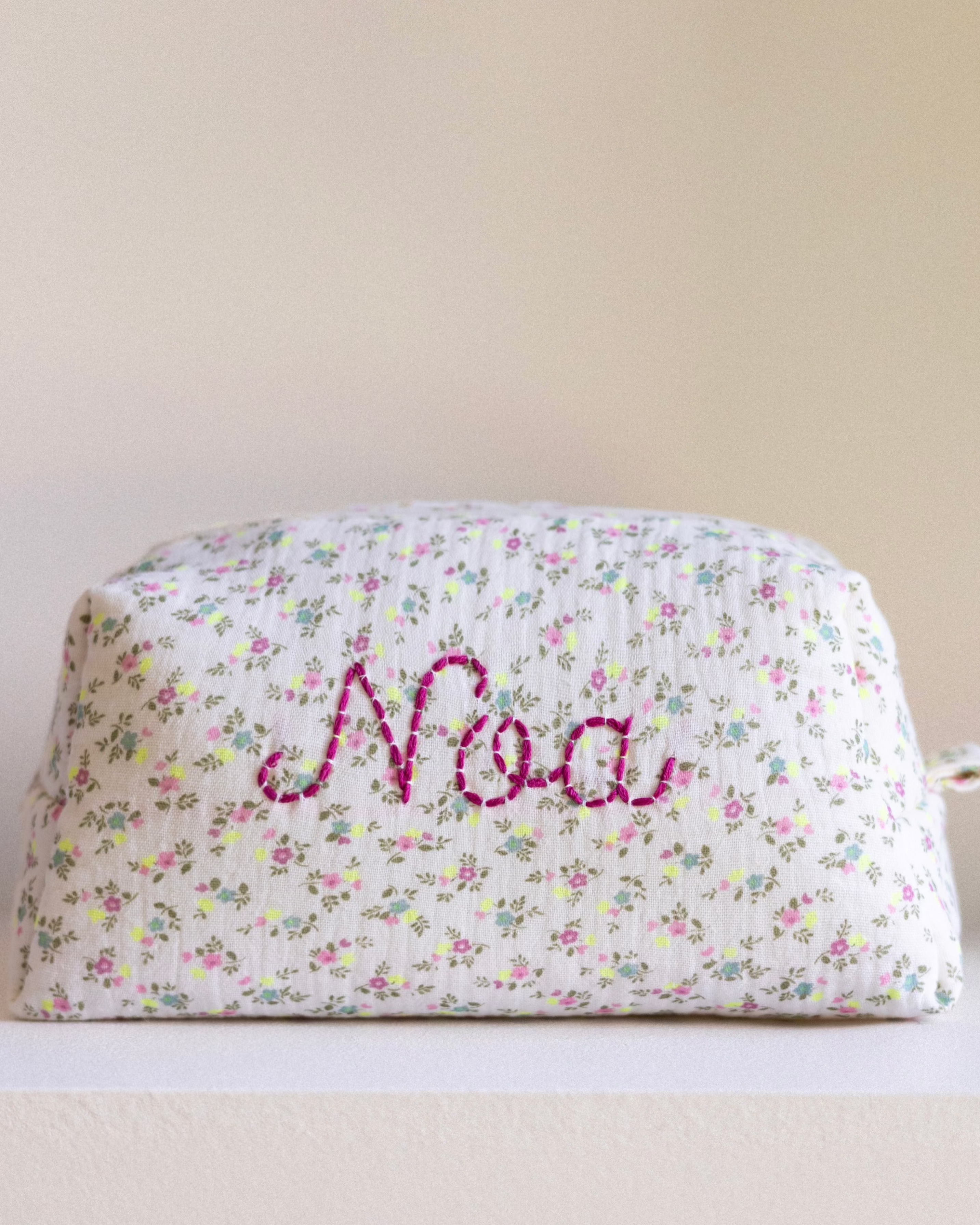
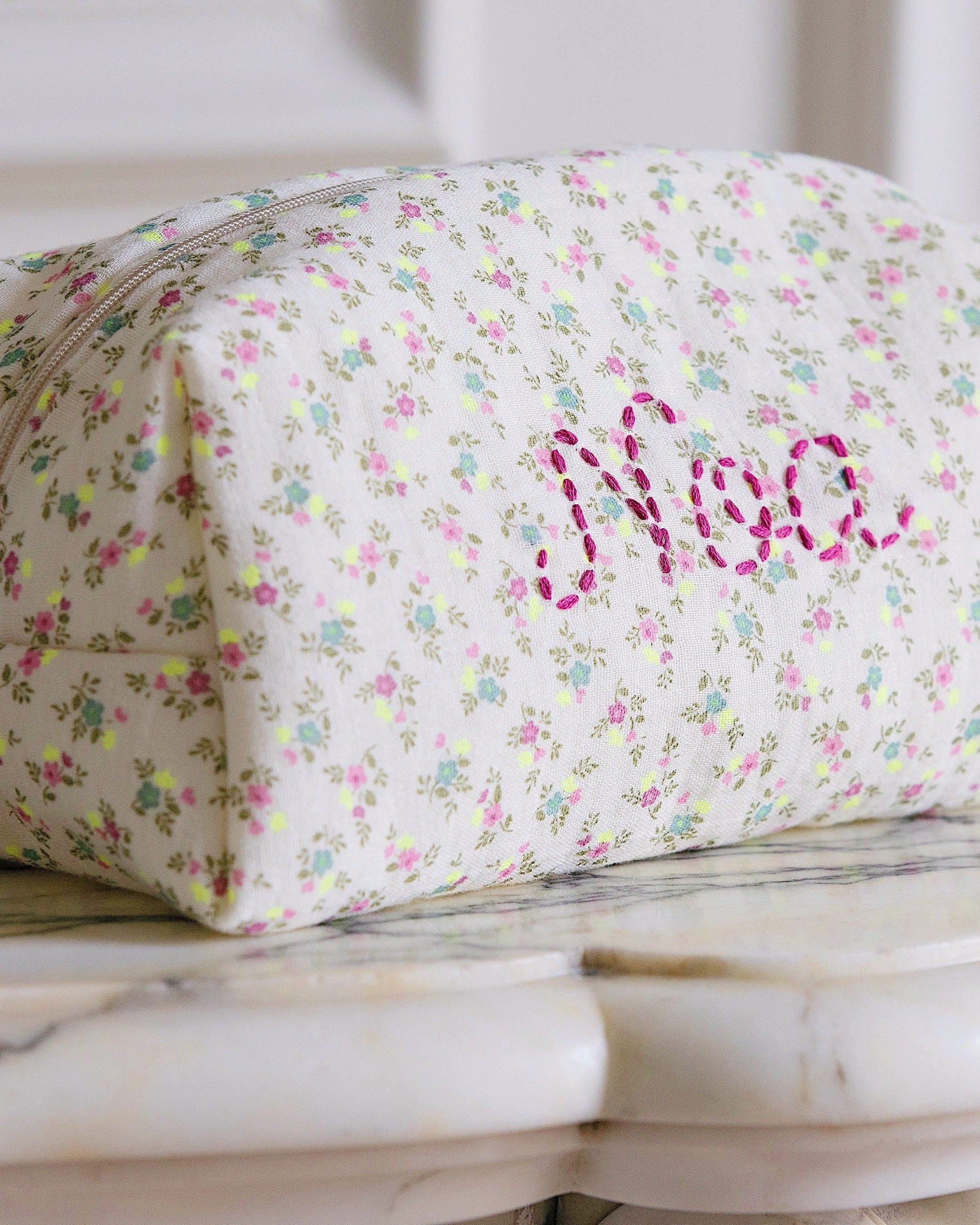
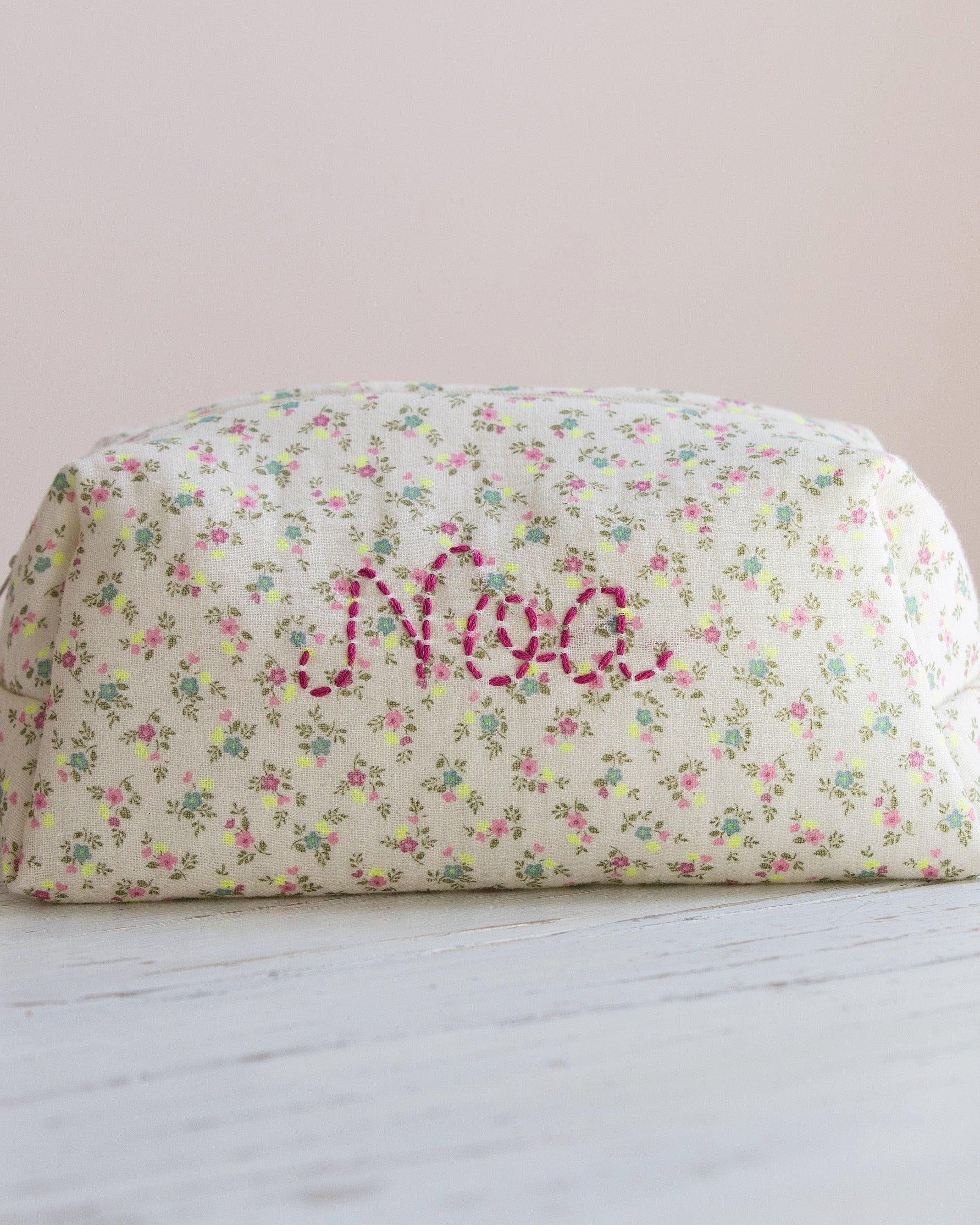
A few well-designed accessories can simplify these routines and help each parent become more independent. A personalized toiletry bag, for example, can hold the essentials for diaper changes, washing or outings so dad always has everything he needs close at hand when caring for the baby.
Our newborn gift sets also make it possible to bring together several useful essentials for the first few months. Practical accessories to give as a gift or buy for yourself, designed to support care routines, outings and all the small moments that gradually build the bond between dad and baby.