

Why is it important to choose the right baby toiletry bag for everyday use?
Baby care kit or toiletry bag: what is the difference?
A baby care kit generally contains accessories used for everyday care: a thermometer, saline solution, compresses, a soft brush or baby nail clippers.
A baby toiletry bag mainly contains the products needed for changing and washing your baby: cleansing product, cotton pads, nappy cream or other hygiene products used every day.
This distinction does not mean you need two separate bags. To simplify organisation, you can combine both categories in a single bag, provided it offers enough space and storage.
A practical bag that keeps essentials within easy reach
The main benefit of a well-organised bag is being able to find what you need immediately. With a baby, a few seconds can matter when you need to grab a cotton pad, saline solution or an accessory while keeping one hand free.
Good organisation can help you:
- Keep care accessories in one place;
- Avoid duplicates and unnecessary purchases;
- Quickly find the products you use every day;
- Prepare the changing bag more easily;
- Check at a glance which products need replacing.
The aim is therefore not to own the fullest bag, but one whose contents genuinely match your routine.
How should you choose your baby’s toiletry bag depending on use?
At home
At home, capacity and organisation can take priority. A slightly larger bag makes it easier to keep everyday care essentials together near the changing table or in the bathroom.
A wide enough opening also makes small accessories easier to find. The material and lining should ideally be easy to clean in case of leaks or spills.

For outings and nursery
For a few hours out or a day at nursery, it is better to choose a compact bag that fits easily inside the changing bag.
The principle is simple: only take what will actually be used. A few changing and cleaning essentials are usually enough, along with any products specific to your baby’s routine.
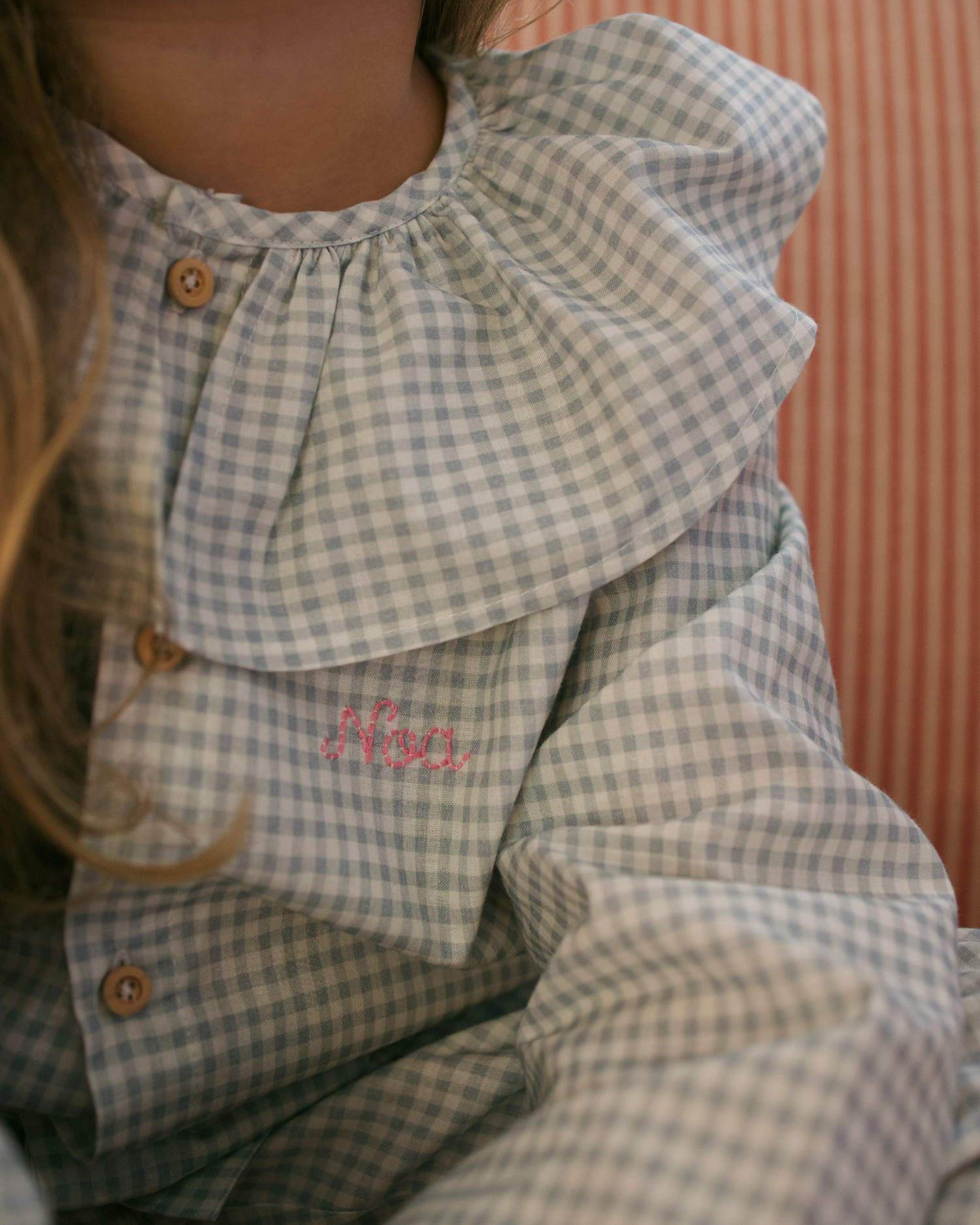
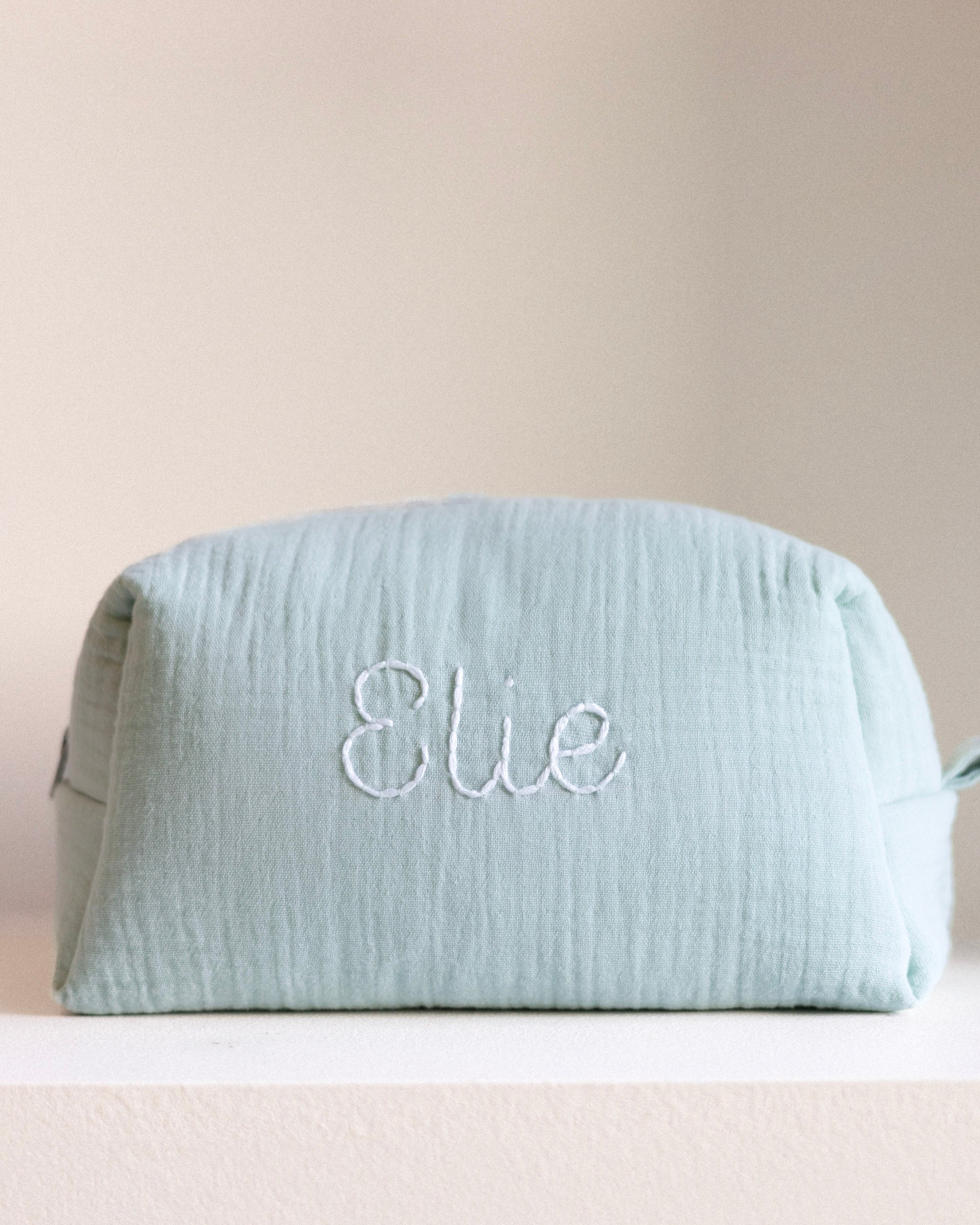
For nursery, an easy-to-identify bag can also make personal belongings simpler to organise.
For a weekend away or a trip
For a longer trip, you will need more space. A baby travel toiletry bag should hold the toiletries and accessories used over several days without becoming difficult to carry.
Travel-size formats can be practical when they are suitable for the products concerned. Compartments also make it easier to separate different categories.
|
Use |
Recommended format |
Contents |
Priority |
|
Home |
Spacious |
Everyday care |
Organisation |
|
Outing |
Compact |
Strict essentials |
Lightweight |
|
Nursery |
Compact and identifiable |
Products needed during the day |
Practicality |
|
Weekend / travel |
Portable and organised |
Care and hygiene |
Transport |
What should you put in a baby toiletry bag?
Baby care accessories to include
The contents naturally depend on your baby’s age and each family’s habits. However, a few care accessories regularly form part of the everyday routine:
- A thermometer;
- A soft brush or a suitable comb;
- Baby nail clippers or round-ended scissors;
- Some compresses;
- Single-dose saline solution.
There is no need to multiply accessories that serve the same purpose. A simple selection tailored to your baby’s needs helps keep the bag clear and easy to use.
Products for changing and washing
The bag can also contain the products used for nappy changes and washing. Depending on your habits, you may want to include:
- Some cotton pads or reusable cotton pads;
- Some suitable wipes when useful;
- A nappy cream if needed;
- A suitable cleansing product;
- The hygiene products you usually use.
The ideal contents are first and foremost those that match your baby’s care routine. A product that consistently goes unused generally does not need to take up space in the bag.
What not to add “just in case”
It can be tempting to pack an accessory for every possible situation. However, an overfilled bag quickly becomes less practical: essential products are harder to find and some items may never be used.
It is therefore better to avoid duplicates and products you do not normally need. Medicines, antiseptics and specific treatments should also be used in accordance with a healthcare professional’s recommendations and stored under the required conditions.

What criteria should you consider when choosing a baby toiletry bag?
Size and format
A good bag should provide enough space for the essentials without becoming bulky. The right capacity therefore depends directly on how you plan to use it.
For a bag intended for the changing bag, a relatively compact format will generally be more suitable. At home or when travelling, a larger capacity can be more useful.
Opening and internal storage
A wide opening lets you see the contents of the bag immediately. Compartments, zipped pockets or dedicated spaces for small accessories then make organisation easier.
Before choosing, check in particular:
- That products are easy to access;
- That small accessories are unlikely to get lost at the bottom;
- That different types of products can be kept separate;
- That the closure is easy to use;
- That the format remains suitable for the bag it will be carried in.
Material and ease of care
A baby toiletry bag is handled every day and carried through many different environments. Its material should therefore be durable enough and easy to care for.
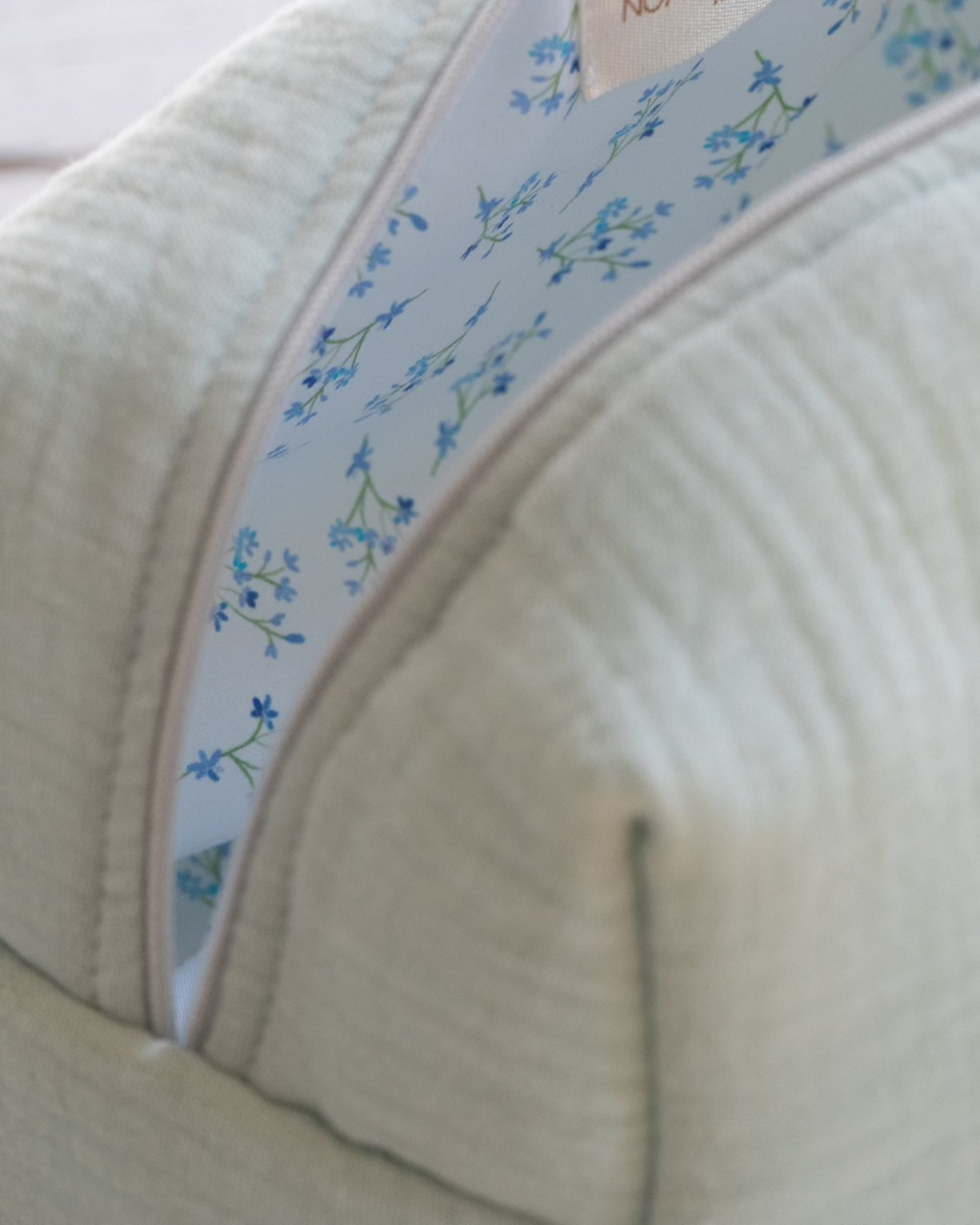
A washable or waterproof lining can make cleaning easier in case of leaks. For textile sections, cotton is an interesting material for a bag designed for everyday use with a baby: pleasant to the touch, durable and well suited to regularly used accessories.
How do you choose a baby toiletry bag and organise its contents effectively?
Group products by function
Once you have chosen the right bag, a simple organisation system can save time. You can divide the contents into a few categories: changing, face and nose, washing, and small care accessories.
Compartments are particularly useful for maintaining this organisation. A thermometer or pair of small scissors should not disappear beneath several bottles just when you need them.
Keep the most frequently used essentials within easy reach
Products used several times a week should be the easiest to reach. Saline solution, cotton pads, reusable squares or changing accessories can therefore be placed in the most accessible areas.
Occasionally used products can be stored in secondary pockets. This approach helps maintain a stable organisation whether the bag stays at home or travels with you.

Check and clean the bag regularly
Your baby’s toiletry bag should evolve with your child’s needs. Regularly remember to remove empty packaging, replace used-up products, check any expiry dates and clean the inside of the bag.
Before a day at nursery, a weekend away or a holiday, a few minutes are usually enough to check the contents and avoid forgetting anything.
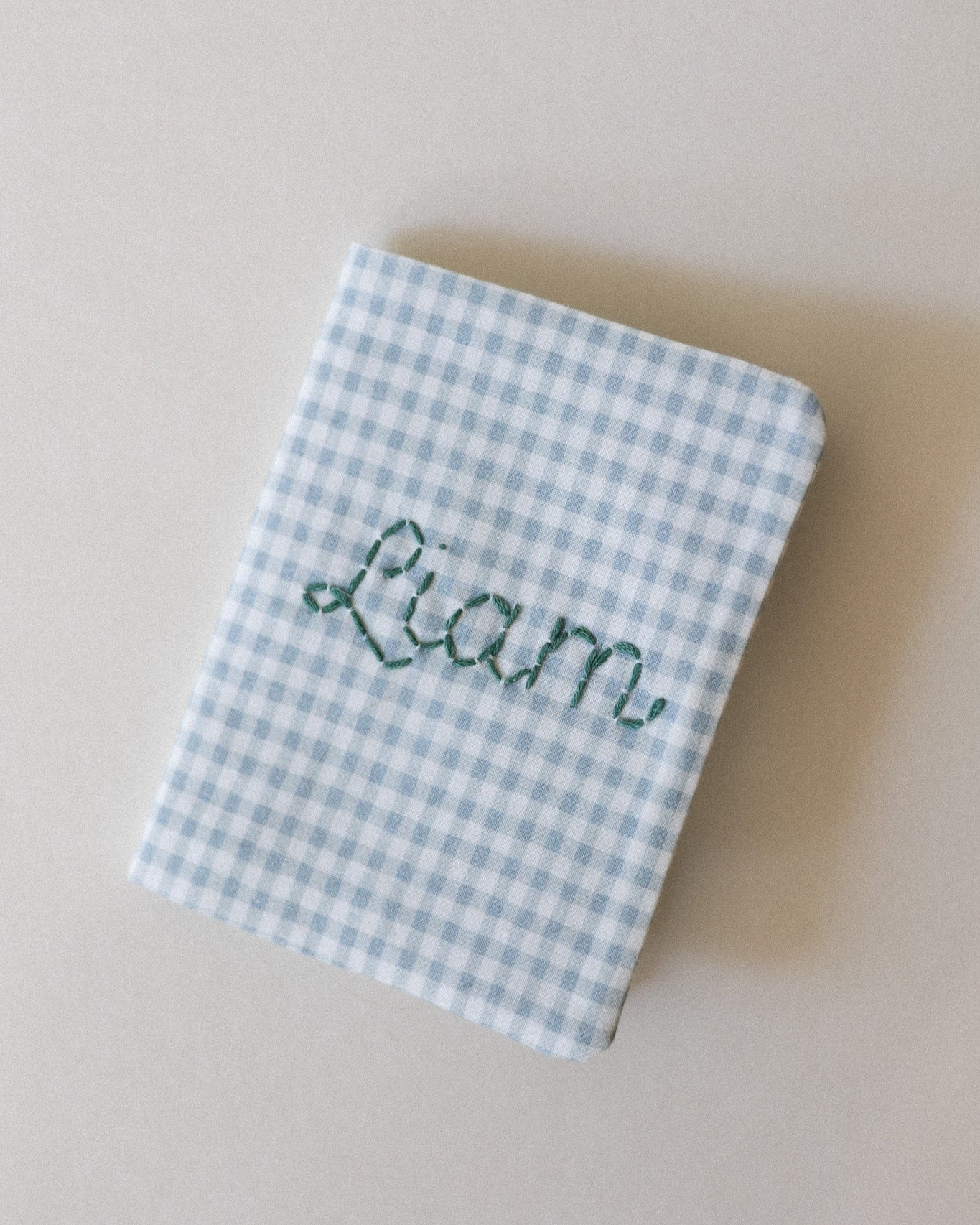
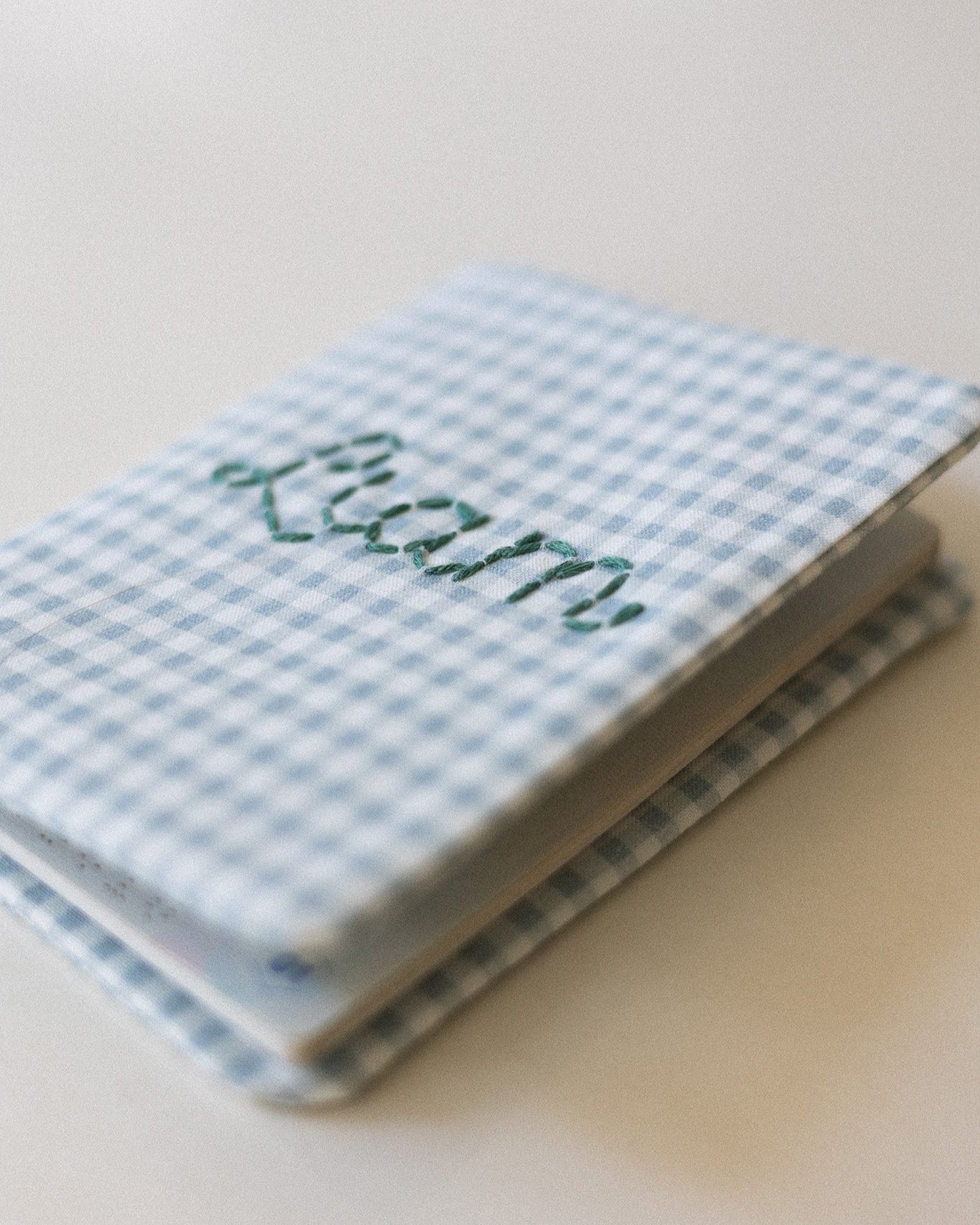
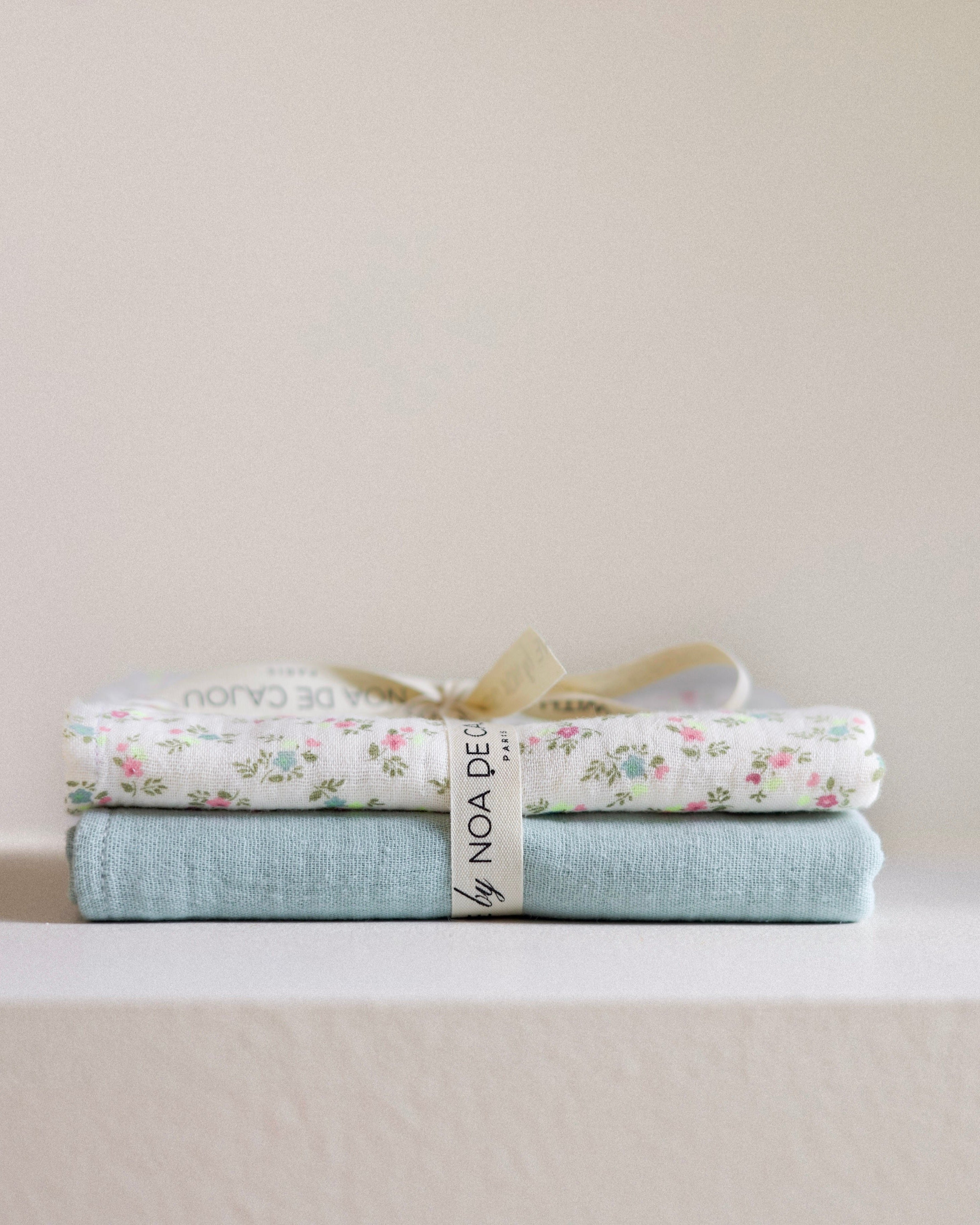
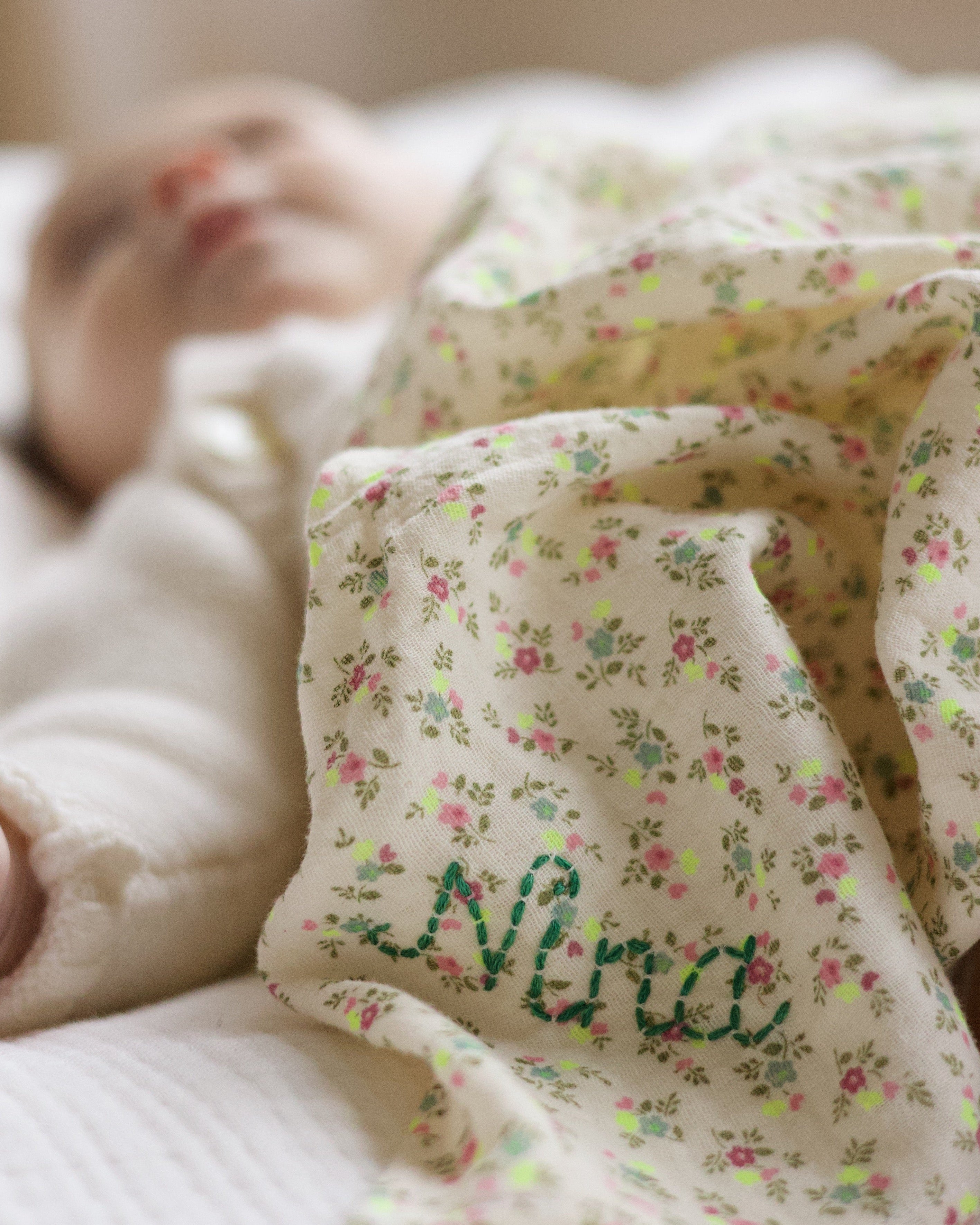
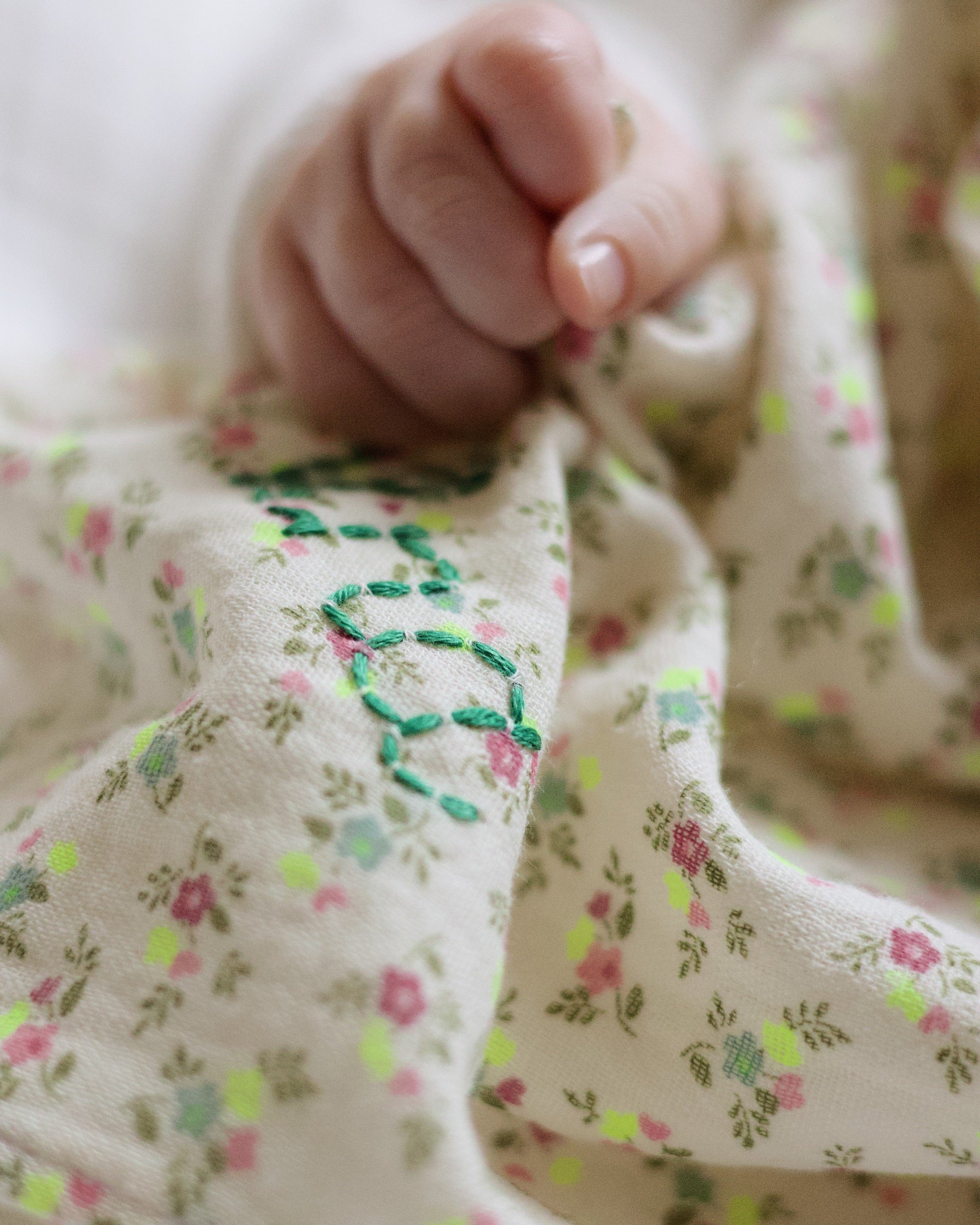
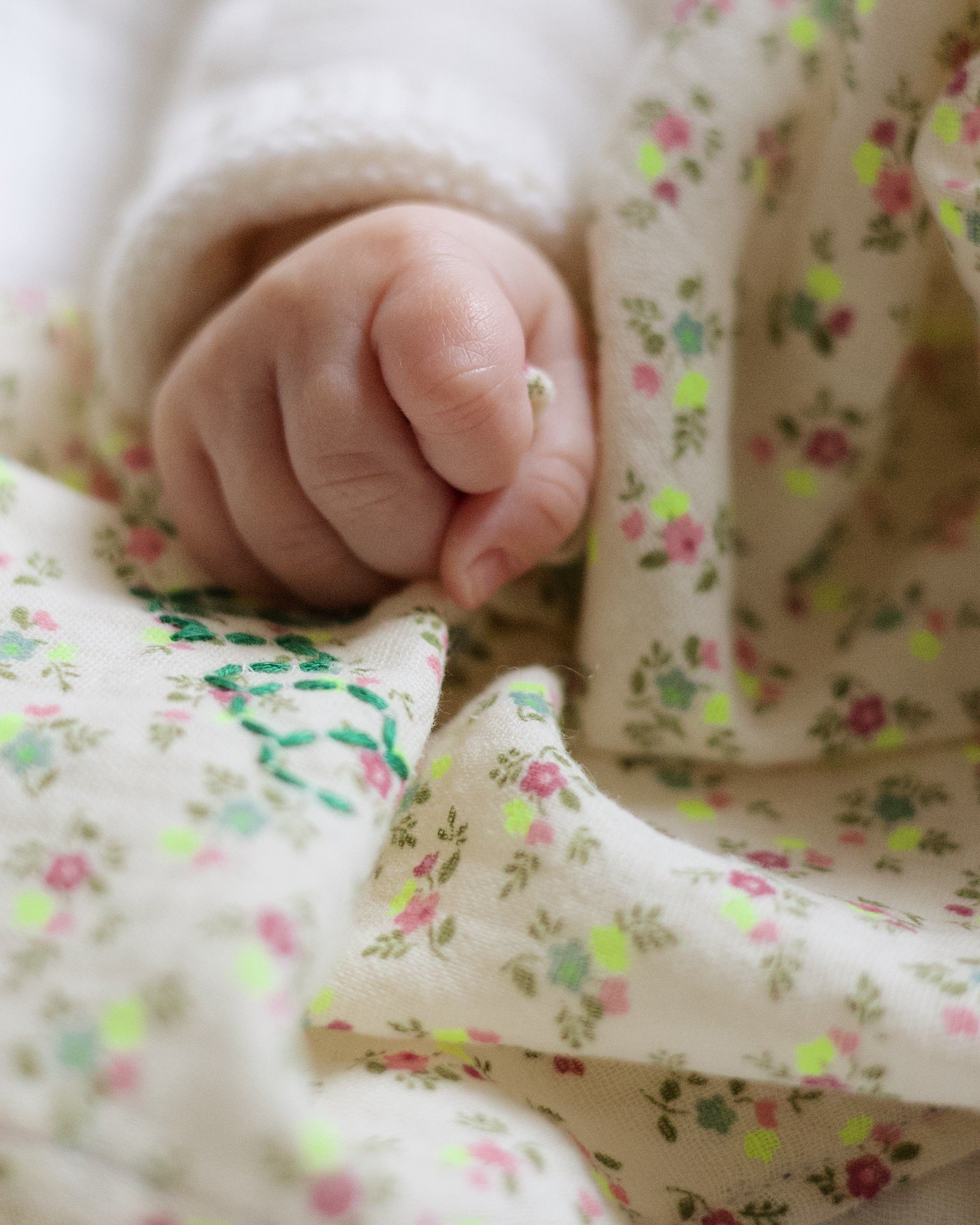
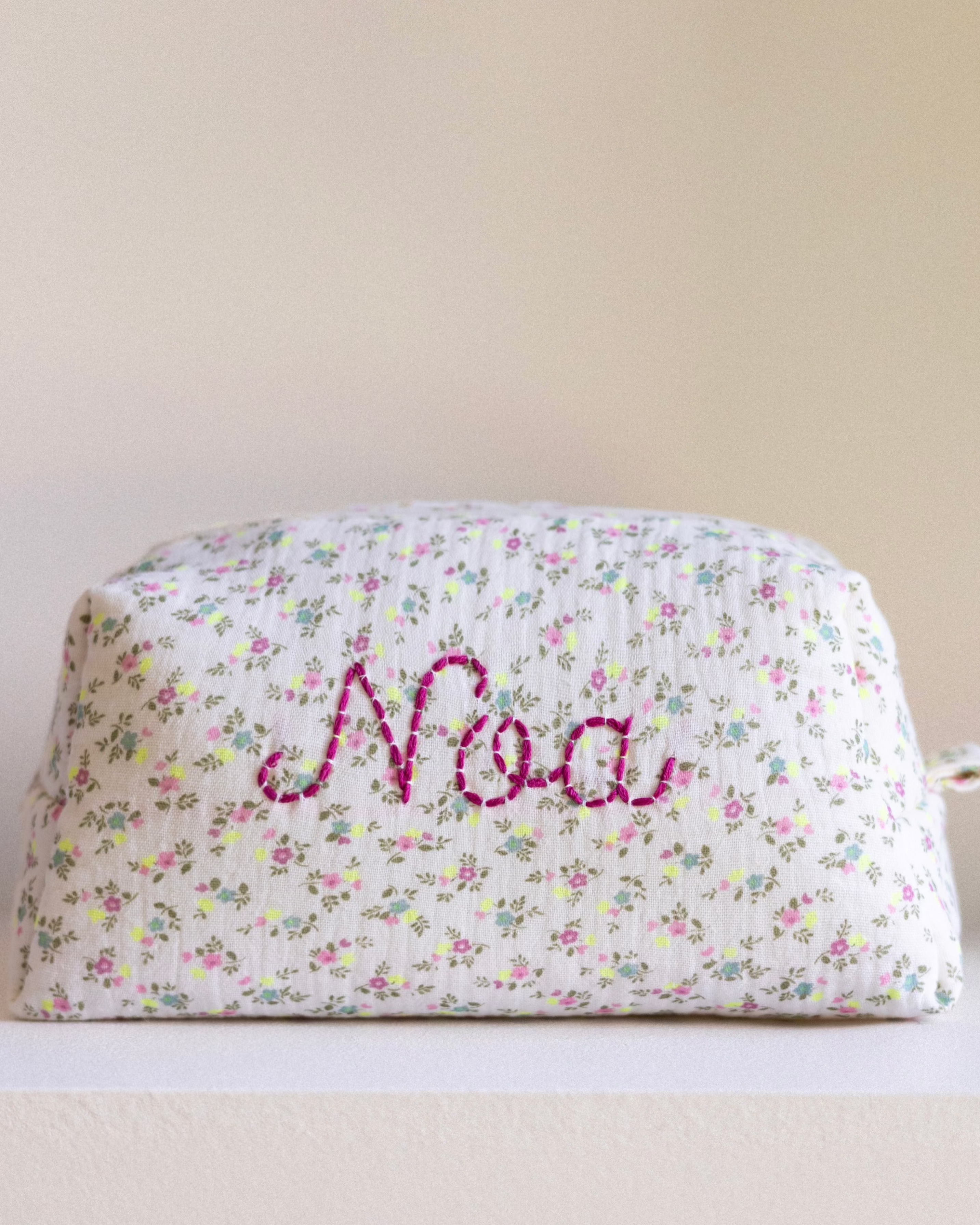
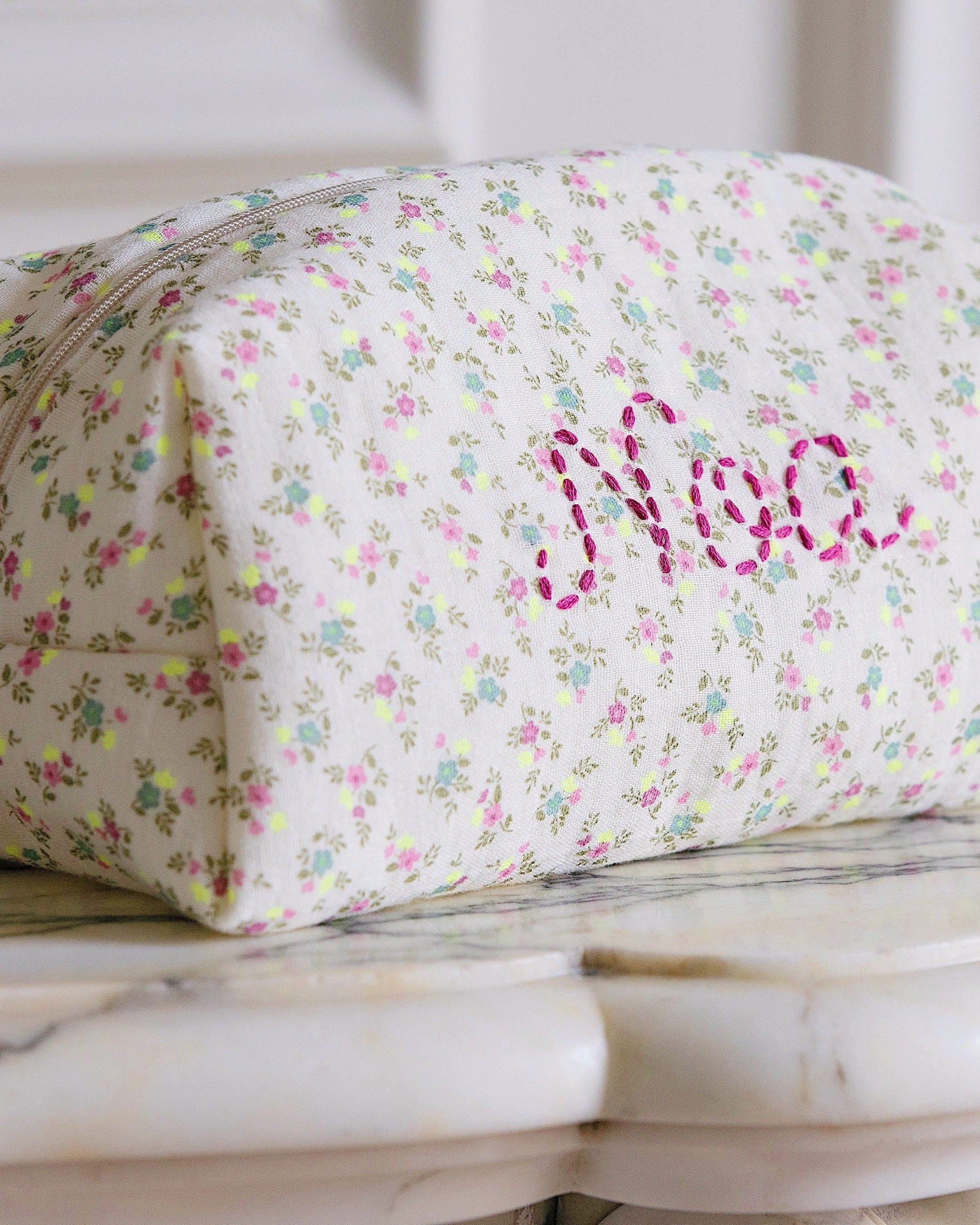
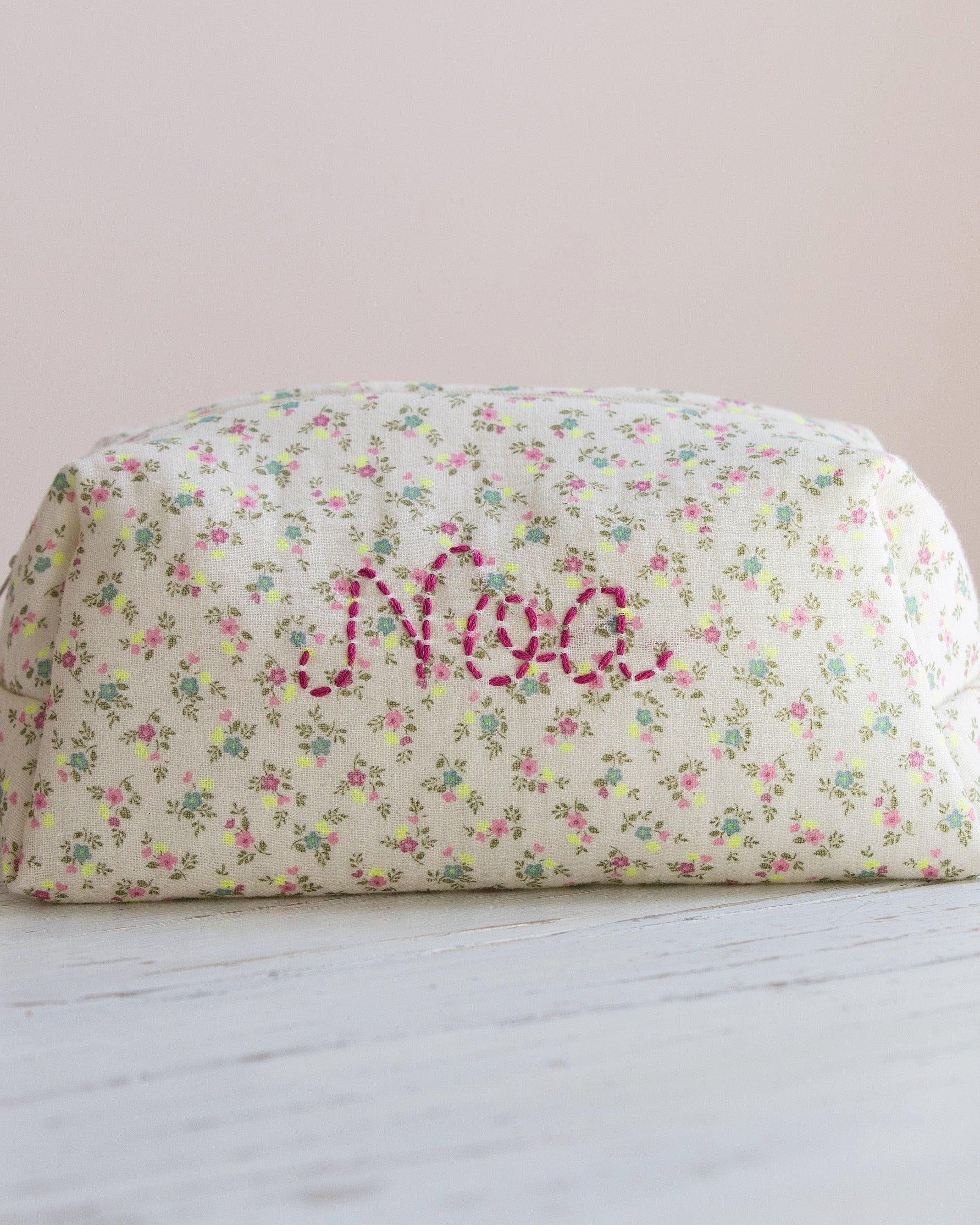
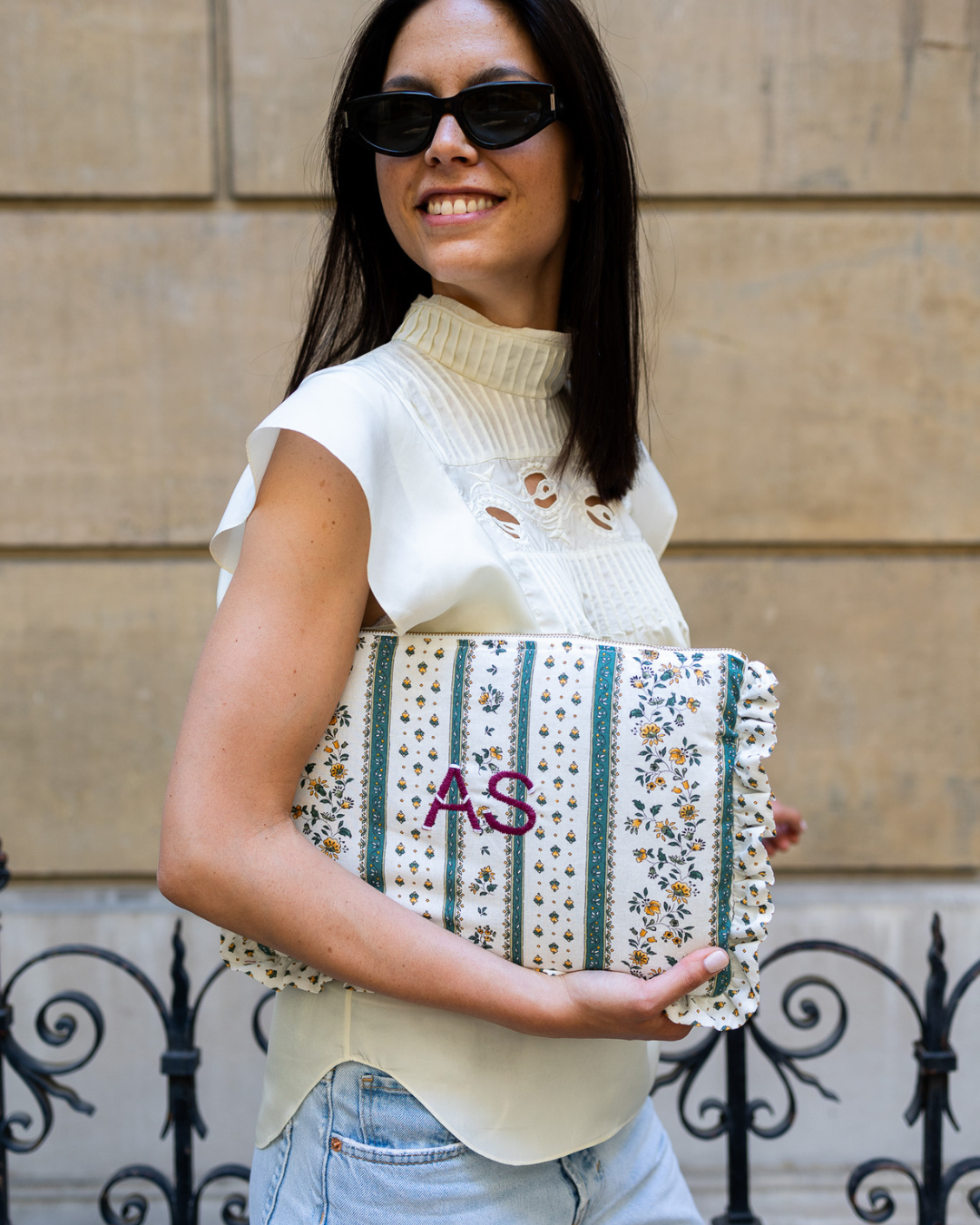
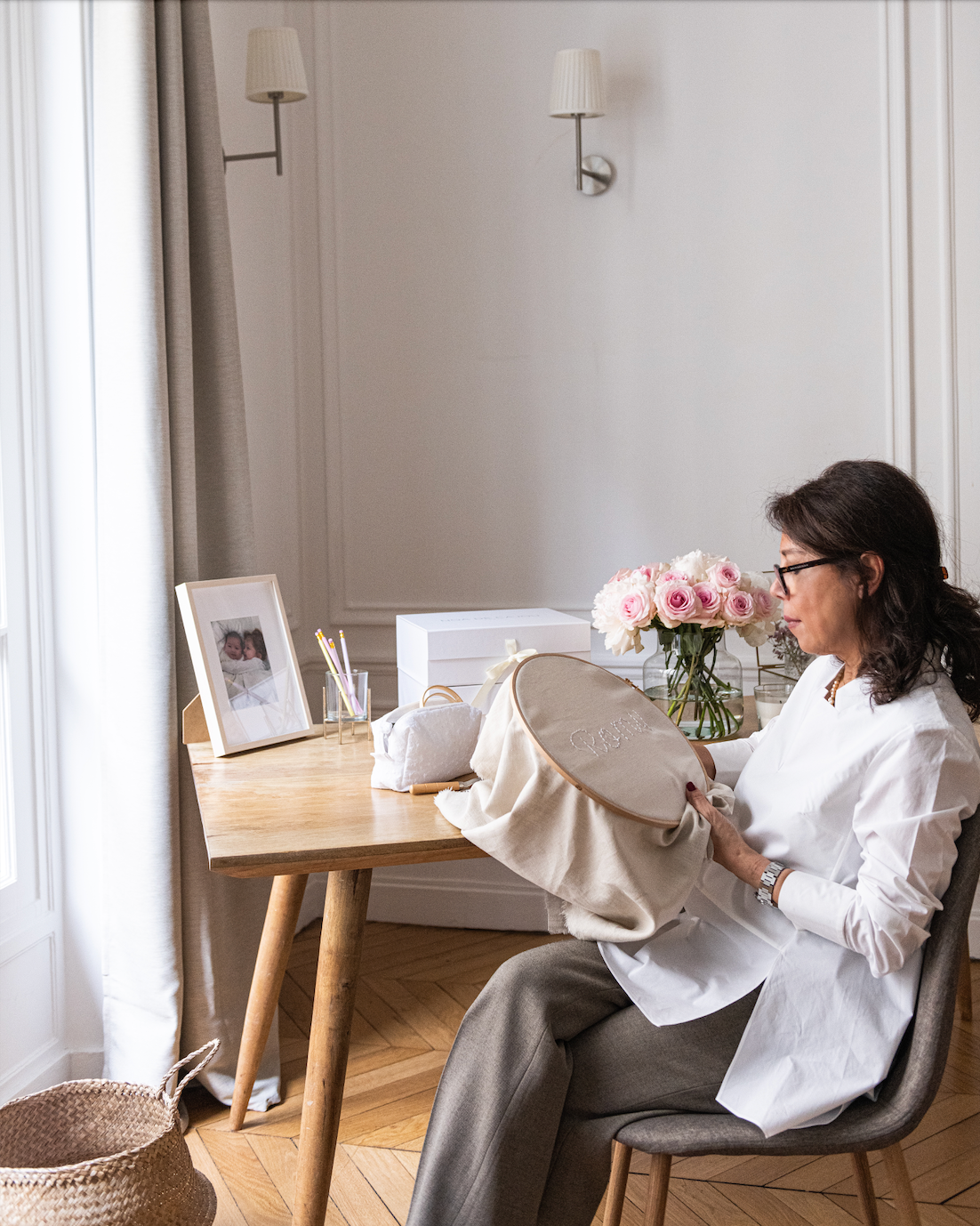
At Cajou Paris, we also believe that everyday accessories can combine practicality and style. Our cotton toiletry bags, customisable depending on the model, make it possible to keep your baby’s small essentials together in an accessory designed to be used and reused every day.
To prepare your child’s care essentials, organise their changing bag or put together a personalised newborn gift, discover Cajou Paris toiletry bags and choose the format that best suits your needs.