



Bedding remains in contact with the skin throughout the night. For sensitive, dry, reactive, or itch-prone skin, the choice of bedding items should not be treated as a simple comfort detail. A rough, poorly breathable, or hard-to-clean material can intensify discomfort and irritation.
With sensitive skin, which bedding items should you choose?
Choose natural and soft materials
For sensitive skin, natural materials should generally be preferred, especially cotton. Soft, breathable, and pleasant against the skin, it works well for sheets, duvet covers, pillowcases, and cushion covers.
Cotton is particularly suitable for babies and children, whose skin is thinner and more vulnerable to irritation. Cotton bedding helps limit feelings of friction and overheating, while offering more comfortable contact in everyday use.
Soft bedding should therefore combine several simple qualities:
- A pleasant-feeling material against the skin;
- Good breathability;
- A clear composition;
- An absence of rough or abrasive textiles in direct contact with the skin.

Choose certified textiles
Textile certifications help avoid the trap of marketing claims such as “soft”, “natural”, or “hypoallergenic”, which do not always provide precise information about the product’s actual quality.
The OEKO-TEX Standard 100 certification is a particularly useful criterion: it indicates the absence of harmful substances in the textile. For bedding items in prolonged contact with the skin, this type of guarantee is especially relevant.
A certified bed set or cushion cover makes it possible to choose a textile better suited to everyday use, especially in a baby’s or child’s bedroom.
Check the breathability of the bedding
Sensitive skin often tolerates excessive heat, humidity, and perspiration poorly. Bedding that is too warm or not breathable enough can encourage feelings of discomfort, itching, or irritation.
It is therefore preferable to choose textiles that allow air to circulate and help prevent a clammy effect. Here again, cotton is our preferred option.
This criterion is important for sheets and duvet covers, but also for decorative cushions or textile accessories placed on the bed. Even when a cushion is not used as the main pillow, its cover may regularly come into contact with the face, arms, or legs.
Choose simple and comfortable finishes
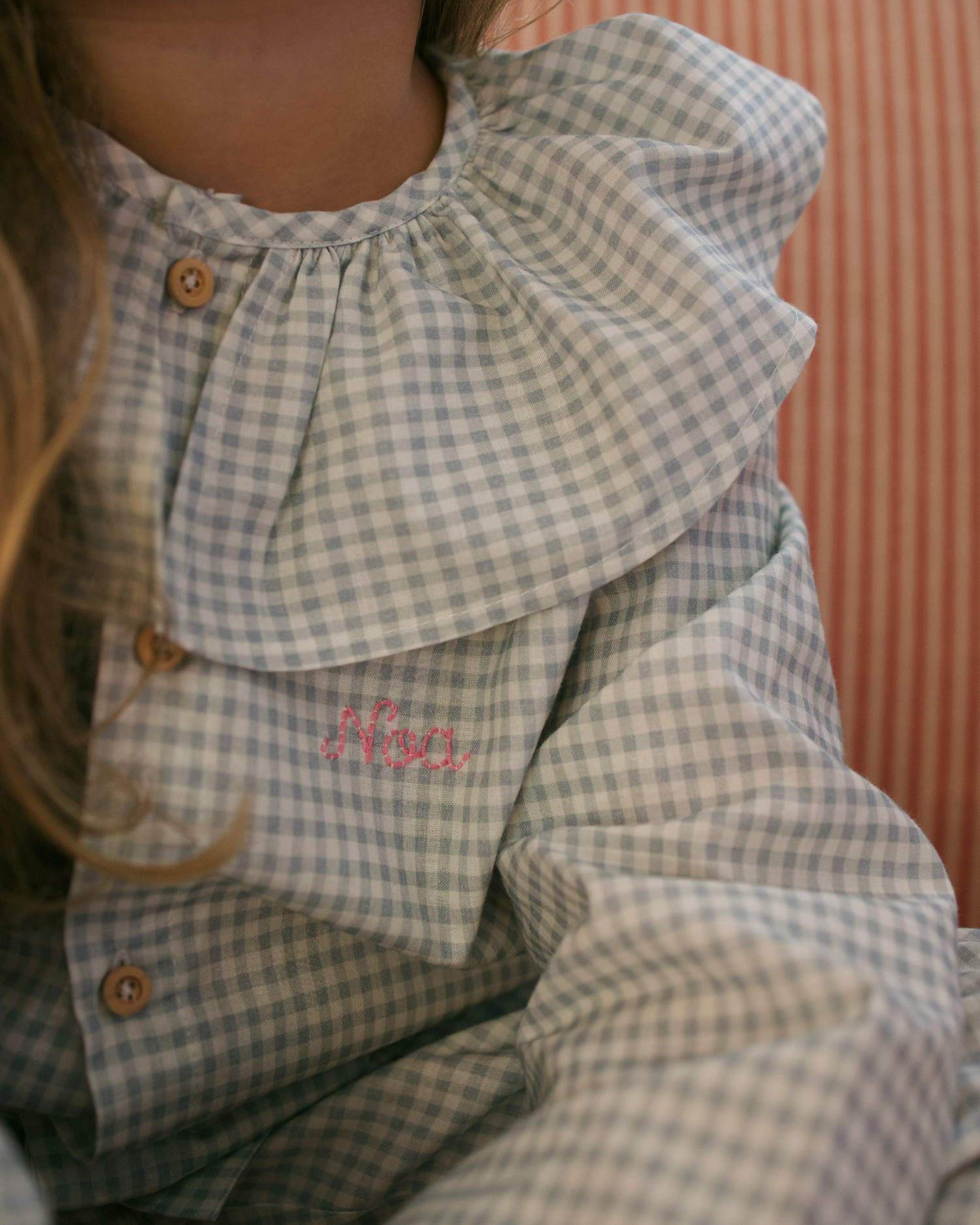
Bedding suited to sensitive skin does not depend solely on the material. Finishes also play an important role. Thick seams, poorly positioned embroidery, rigid details, or overly pronounced reliefs can create areas of friction.
For everyday use, it is better to choose well-finished pieces that feel pleasant to the touch and are designed for comfort.

Ease of care
Bedding compatible with sensitive skin must be washed regularly without requiring harsh products. It is recommended to wash sheets, duvet covers, and pillowcases before their first use, in order to remove any residues linked to manufacturing, transport, or storage.
Care should remain simple:
- Use a mild detergent, ideally fragrance-free;
- Avoid fabric softeners, which are often irritating for sensitive skin;
- Carefully follow the washing instructions provided by the manufacturer;
- Allow textiles to dry properly before using them.
For babies and children in particular, this regular care is essential. It helps keep bedding clean, pleasant, and more comfortable in everyday use.
Which items should be avoided for bedding intended for sensitive skin?
Avoid poorly breathable synthetic materials
Some synthetic materials can retain heat and encourage perspiration. They are not necessarily problematic in every use, but they are less relevant when they are in direct and prolonged contact with sensitive skin.
Textiles such as polyester or certain microfibers can feel soft at first touch, but prove less breathable during the night. For someone who sweats easily, or for a child prone to redness and itching, this lack of breathability can become uncomfortable.
It is therefore preferable to avoid these materials for items in direct contact with the skin, especially sheets, pillowcases, and duvet covers.

Avoid rough or overly textured textiles
A material can be natural without being pleasant for sensitive skin. Some textiles that are too rough, too thick, or heavily textured, such as wool, can cause repeated friction during sleep.
This point is particularly important for children, who move a lot at night. Uncomfortable bedding can intensify irritation, especially on already fragile areas such as the cheeks, neck, arms, or legs.
Before choosing a bedding item, you should therefore look at its composition, but also at the product’s actual feel. Good bedding for sensitive skin should remain supple, soft, and pleasant, even after several washes.
Avoid unnecessary textile treatments
Some bedding highlights properties such as “anti-crease”, “stain-resistant”, “easy to iron”, or “special treatment”. These promises can be practical, but they sometimes involve finishes or chemical treatments that are unsuitable for reactive skin.
For sensitive skin, it is often preferable to choose simpler bedding, with a clear composition and recognised textile guarantees. Skin comfort depends more on the quality of the material, softness, breathability, and care than on the accumulation of technical treatments.
It is therefore important to remain cautious with textiles that promise too many features, especially when they are intended for a child’s or baby’s bed.
Avoid fragranced or artificially softened products
Skin sensitivity can also be aggravated by care routines. Well-chosen bedding can become irritating if it is washed with a heavily fragranced detergent, a fabric softener, or harsh household products.
Fragrances, softeners, and finishing agents can leave residues on the fibers. These residues then remain in prolonged contact with the skin during the night.
To preserve the comfort of soft bedding, it is therefore better to avoid:
- Detergents that are heavily fragranced;
- Fabric softeners;
- Fragranced sprays for textiles;
- Disinfectant products used unnecessarily.
A mild detergent and proper rinsing are often more suitable than an accumulation of products.

Avoid mistaking allergies for a sensitive skin
Soft, natural, and certified bedding can be highly relevant for sensitive skin. However, it is not always enough when the main issue is an allergy to dust mites.
In this case, the priority is not only the softness of the textile, but the use of a barrier around the mattress, pillow, and sometimes the duvet. A simple cotton bed set does not replace a full dust mite-proof cover designed to limit the passage of allergens.
It is therefore important to distinguish between two needs:
- For sensitive skin, choose soft, breathable, and certified bedding;
- For a dust mite allergy, add specific technical protection underneath the visible bedding.
Can good bedding protect sensitive, or even allergy-prone, skin?
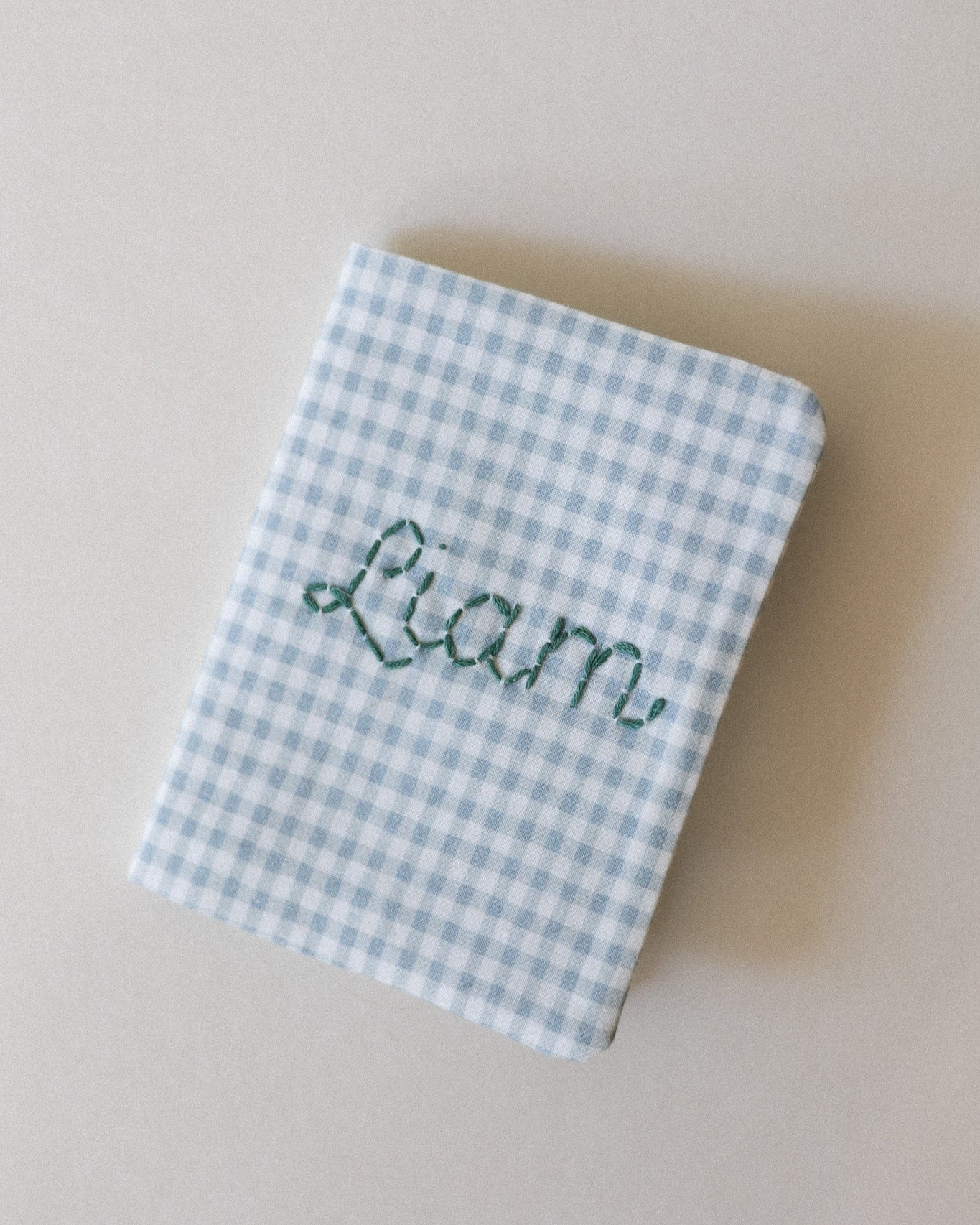
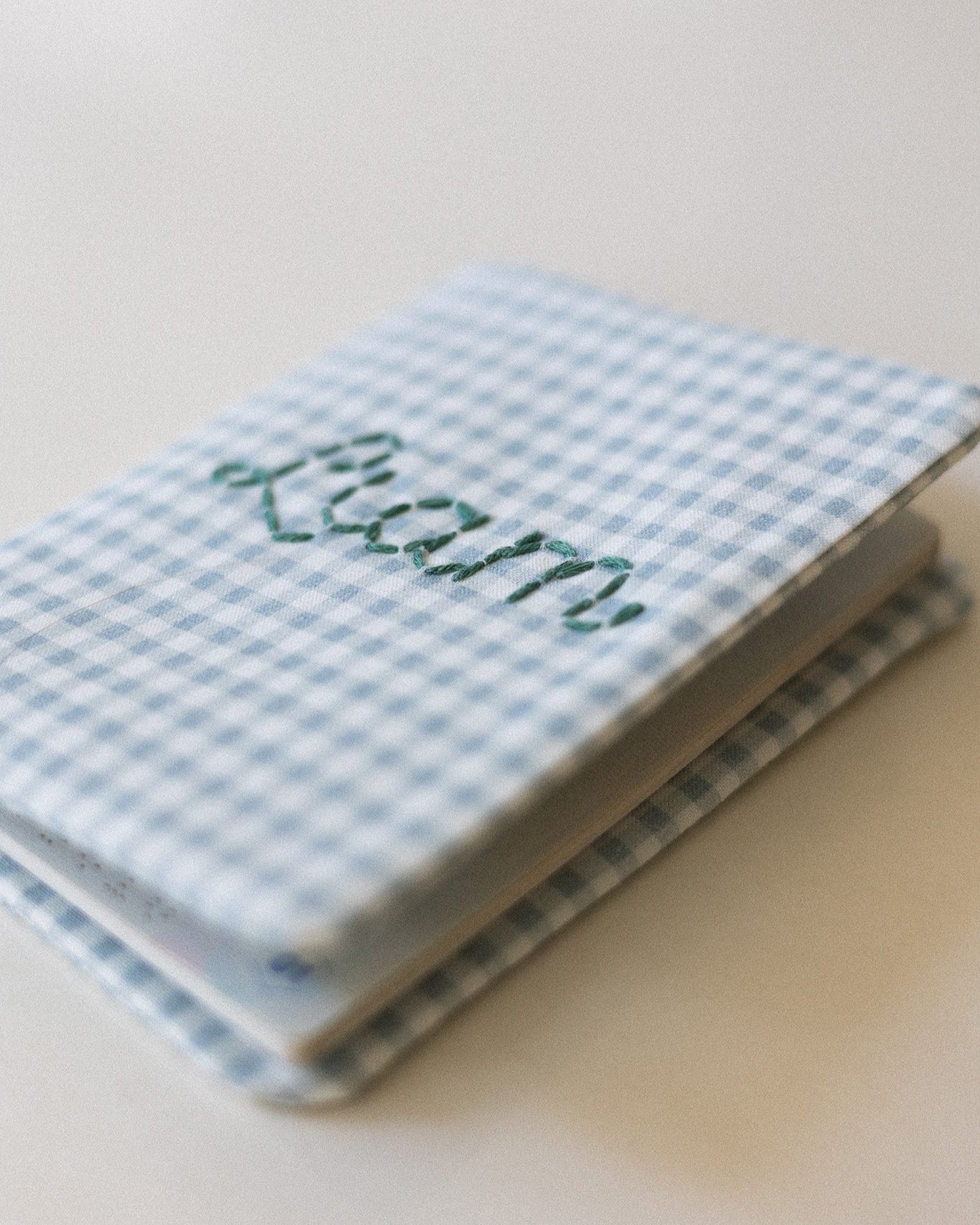
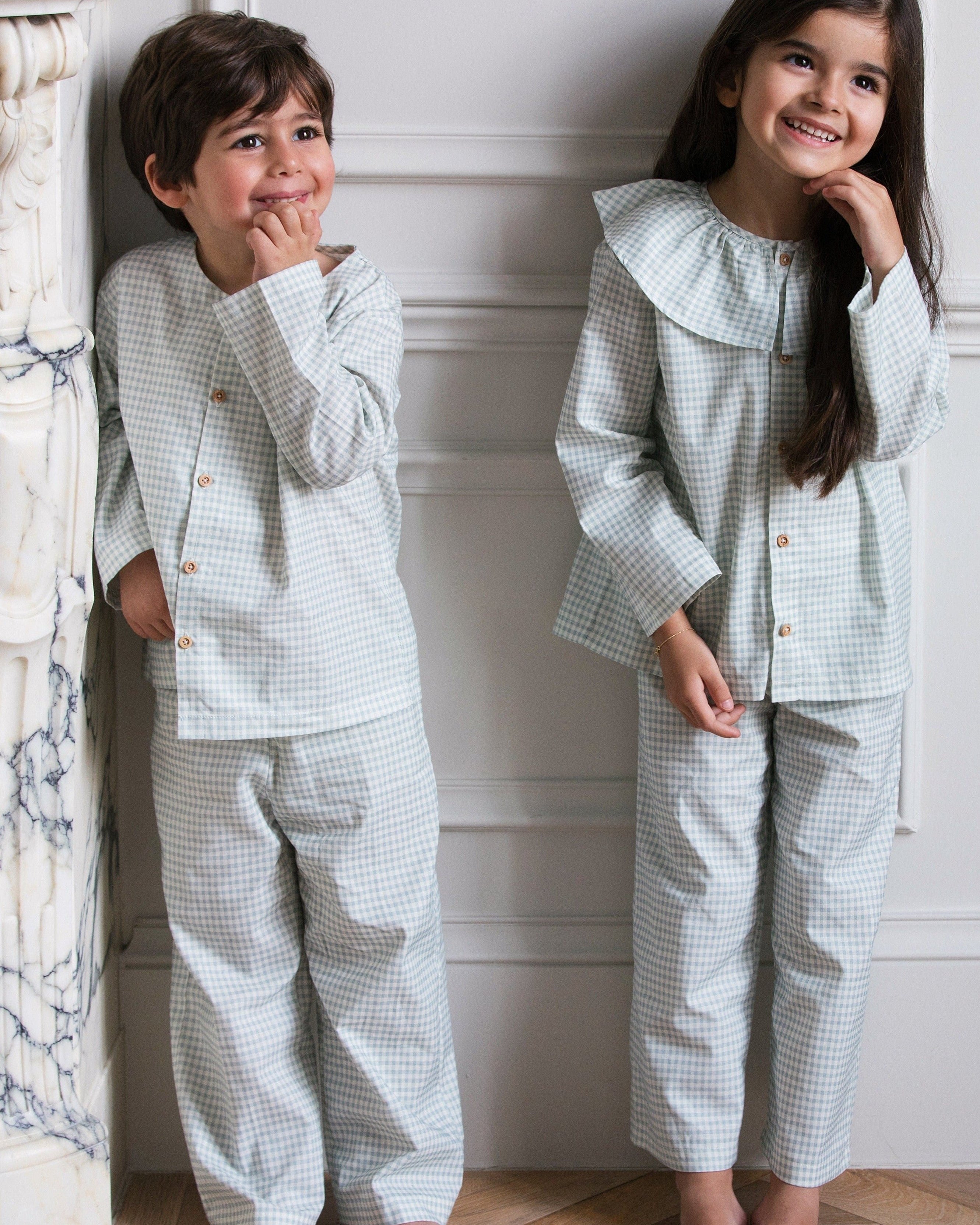
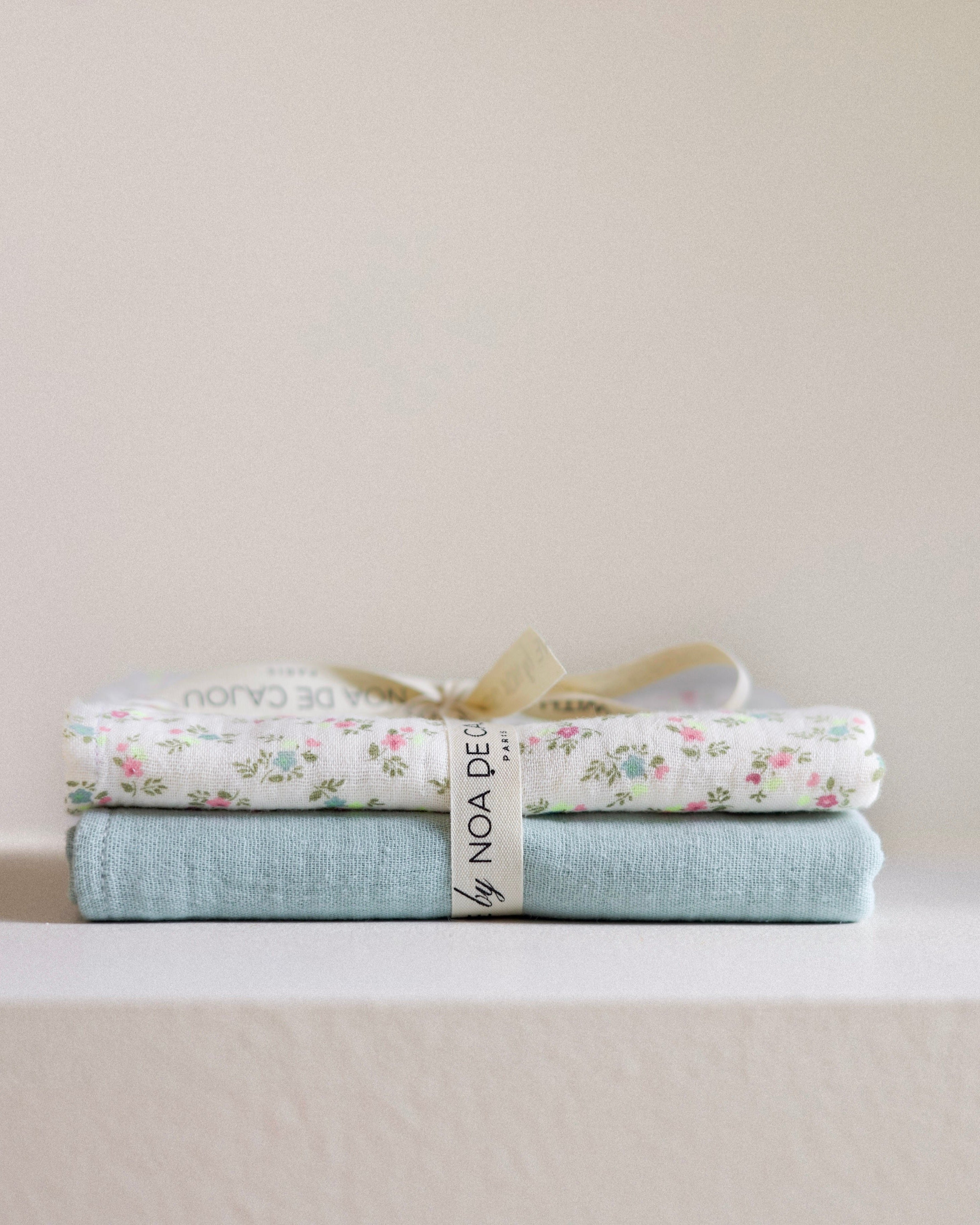
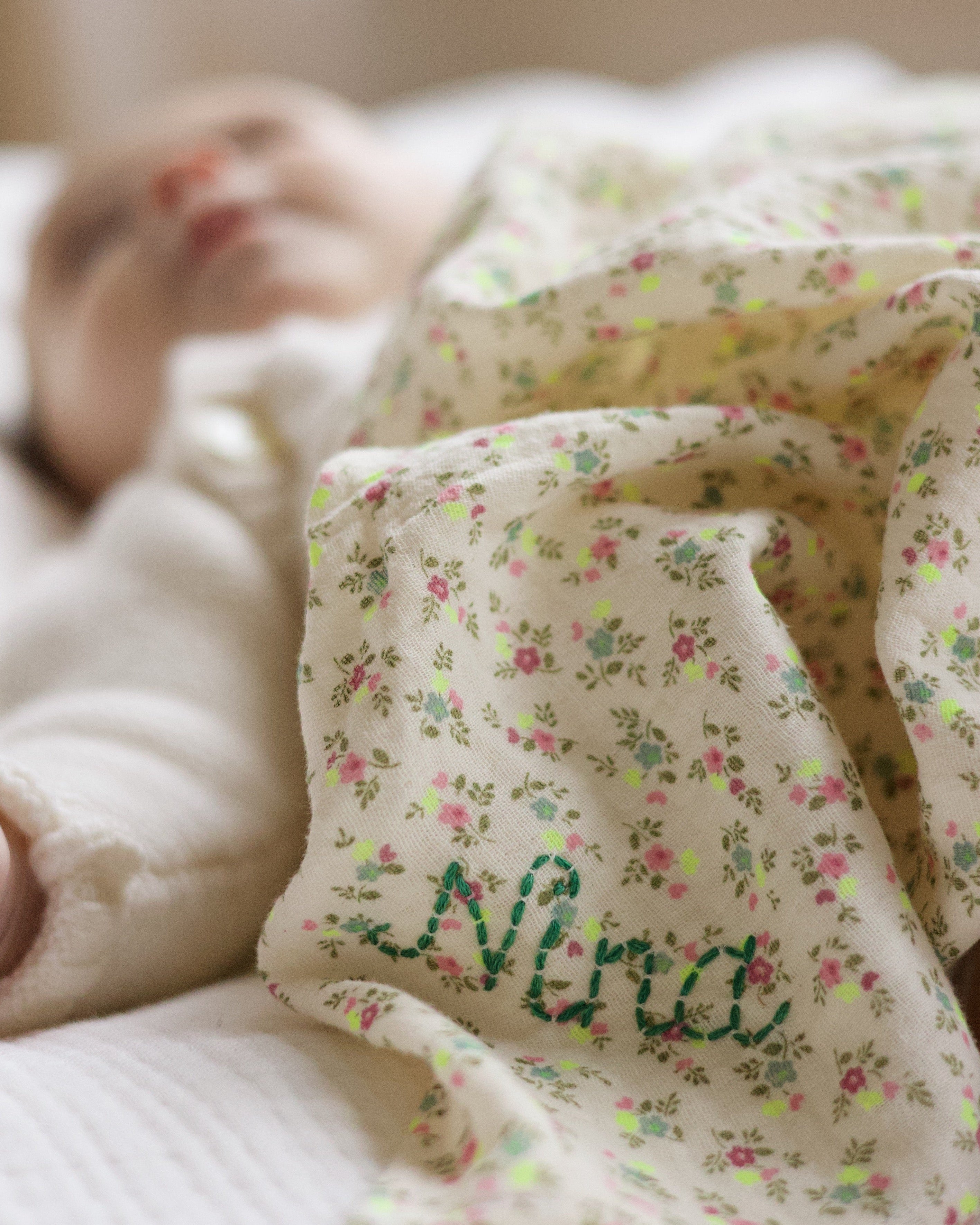
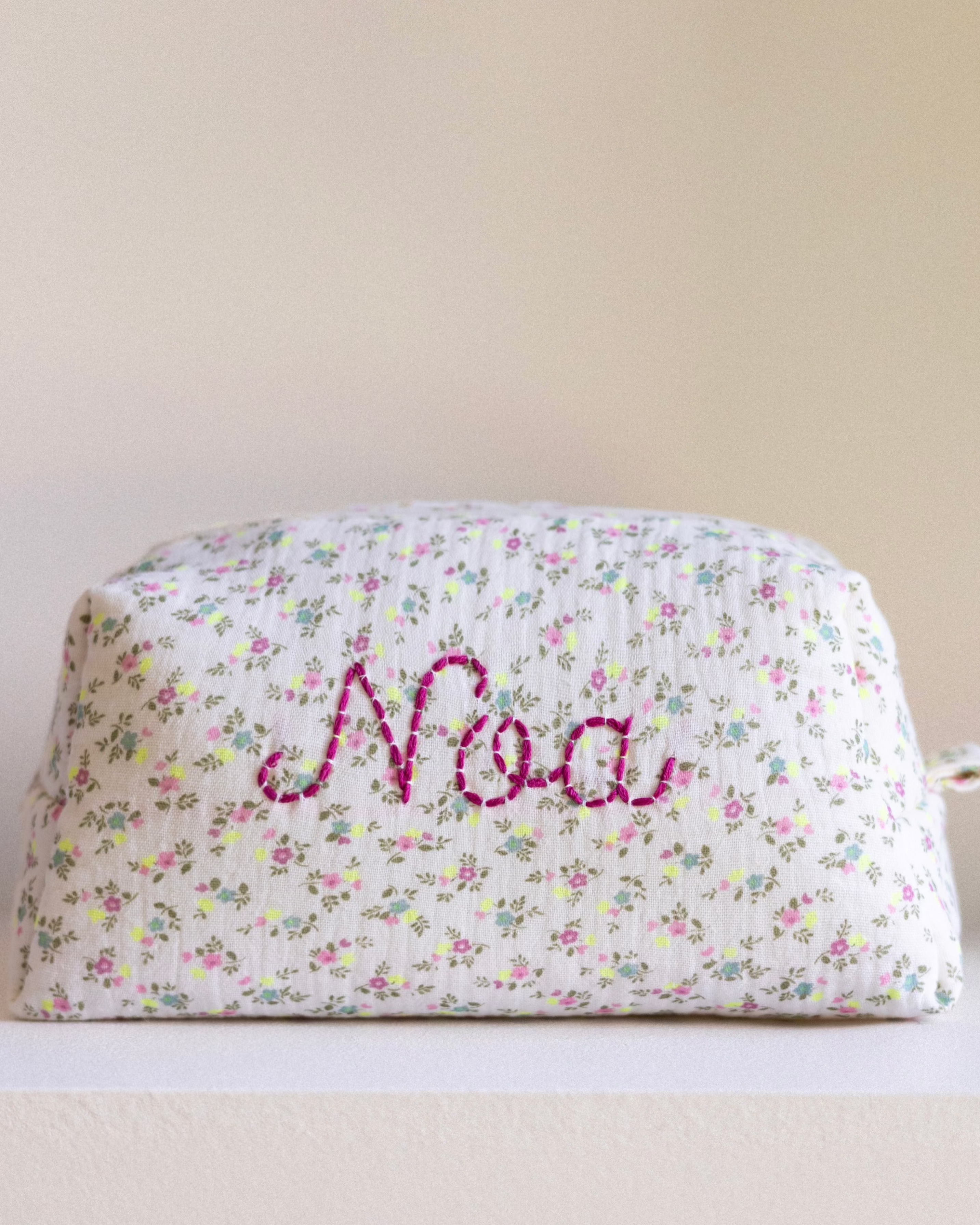
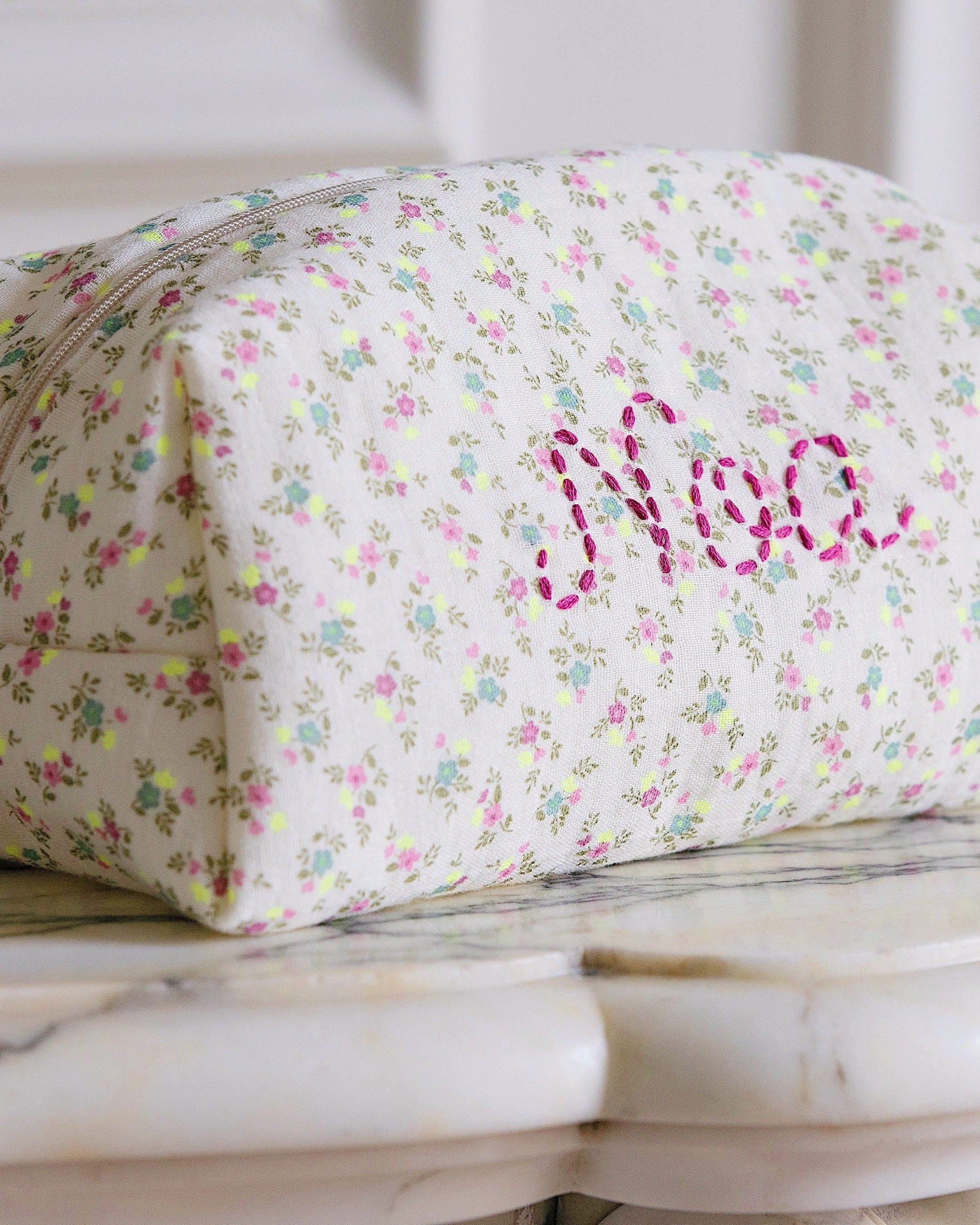
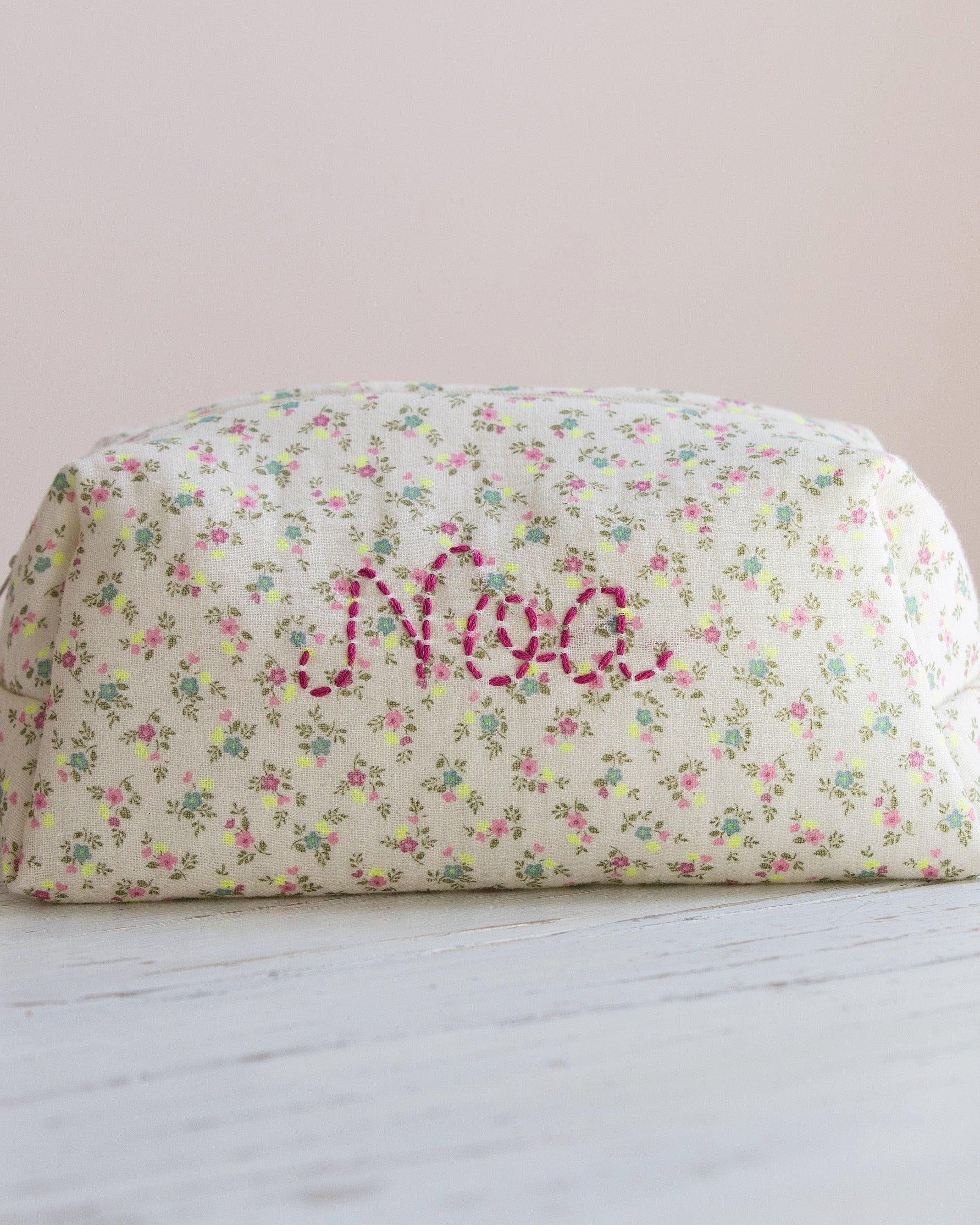
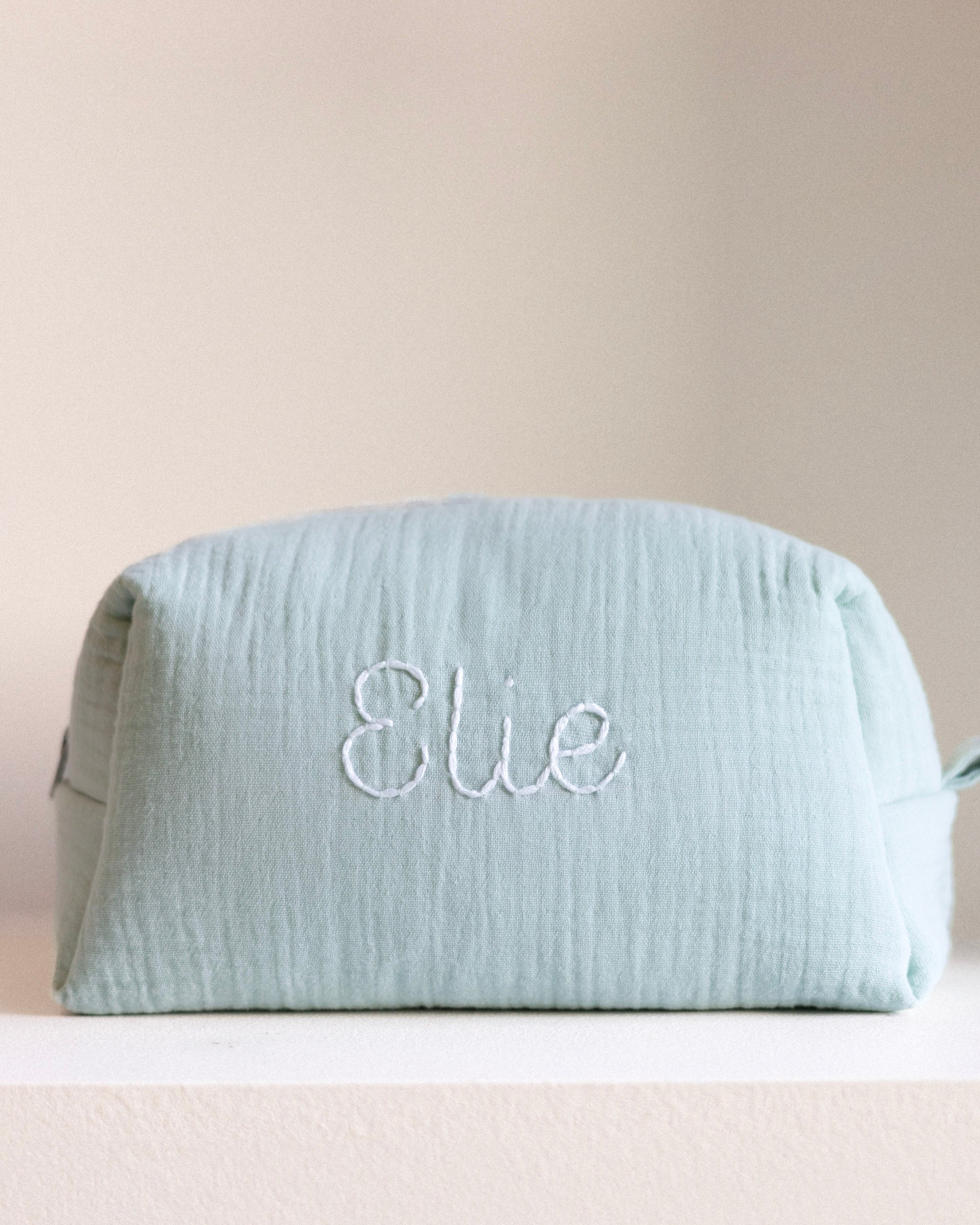
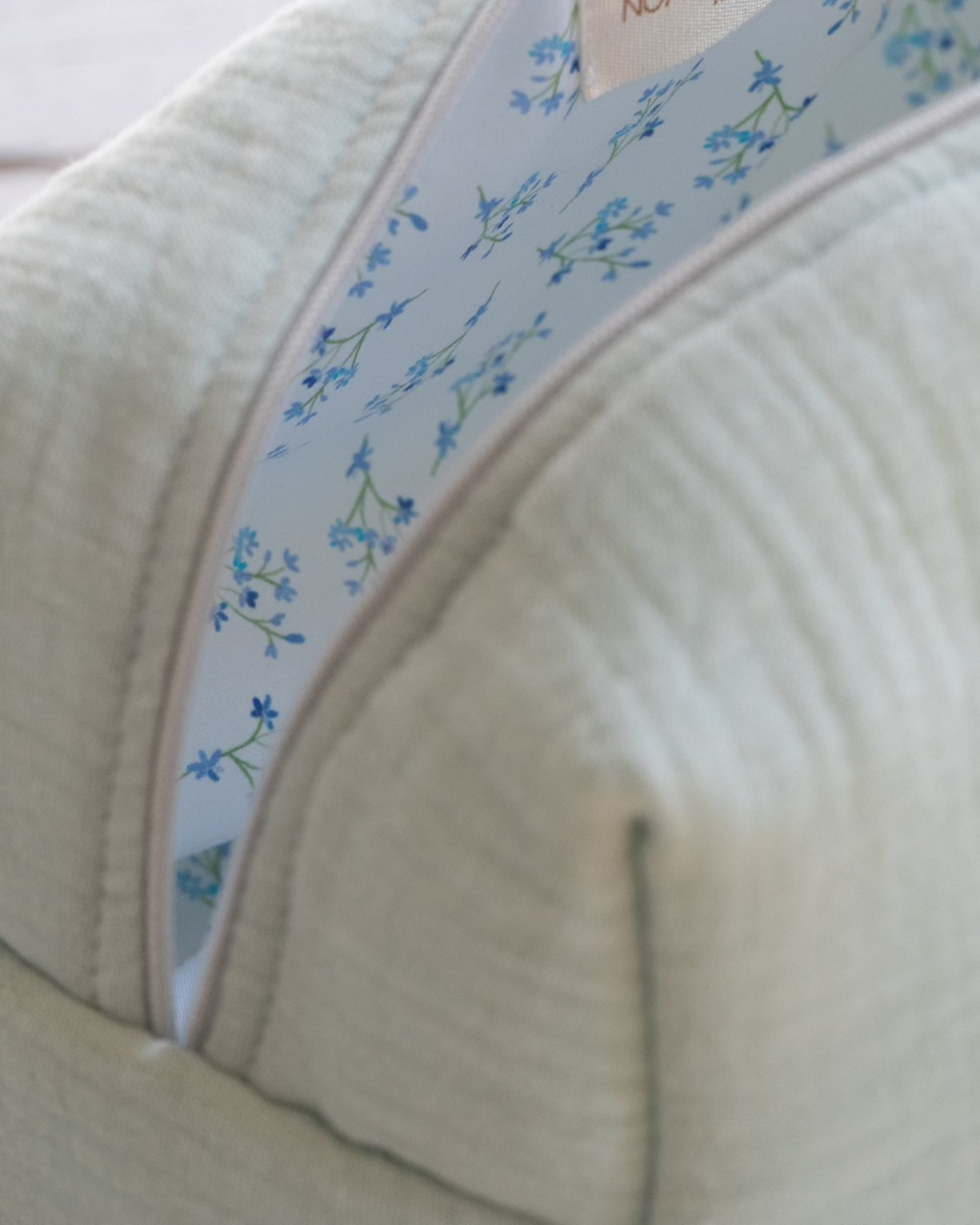
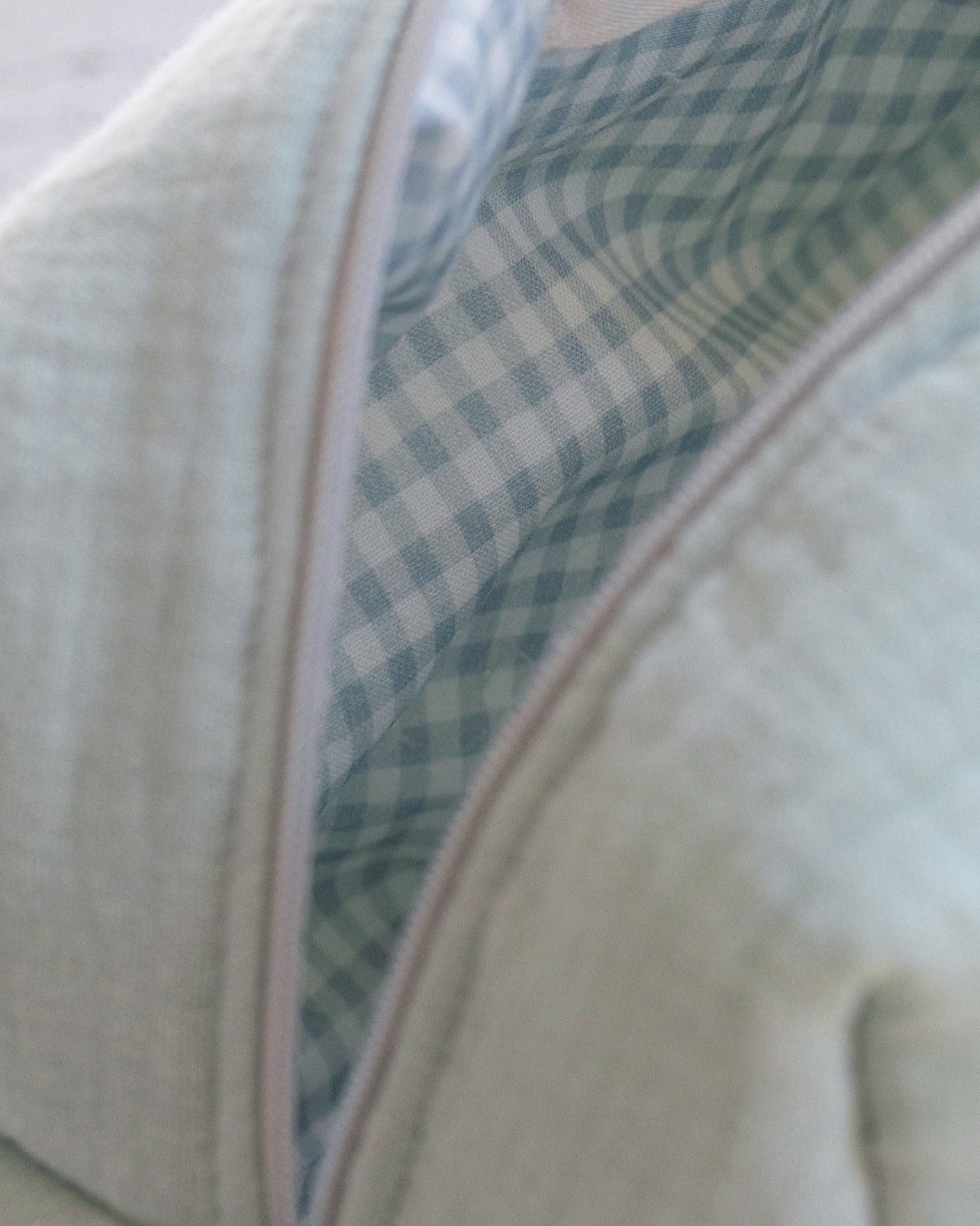
For sensitive skin, certified organic cotton bedding provides a coherent answer. Cajou Paris bed sets and cushion covers follow this logic, with items designed for children’s rooms, made from organic cotton and OEKO-TEX Standard 100 certified fabrics.
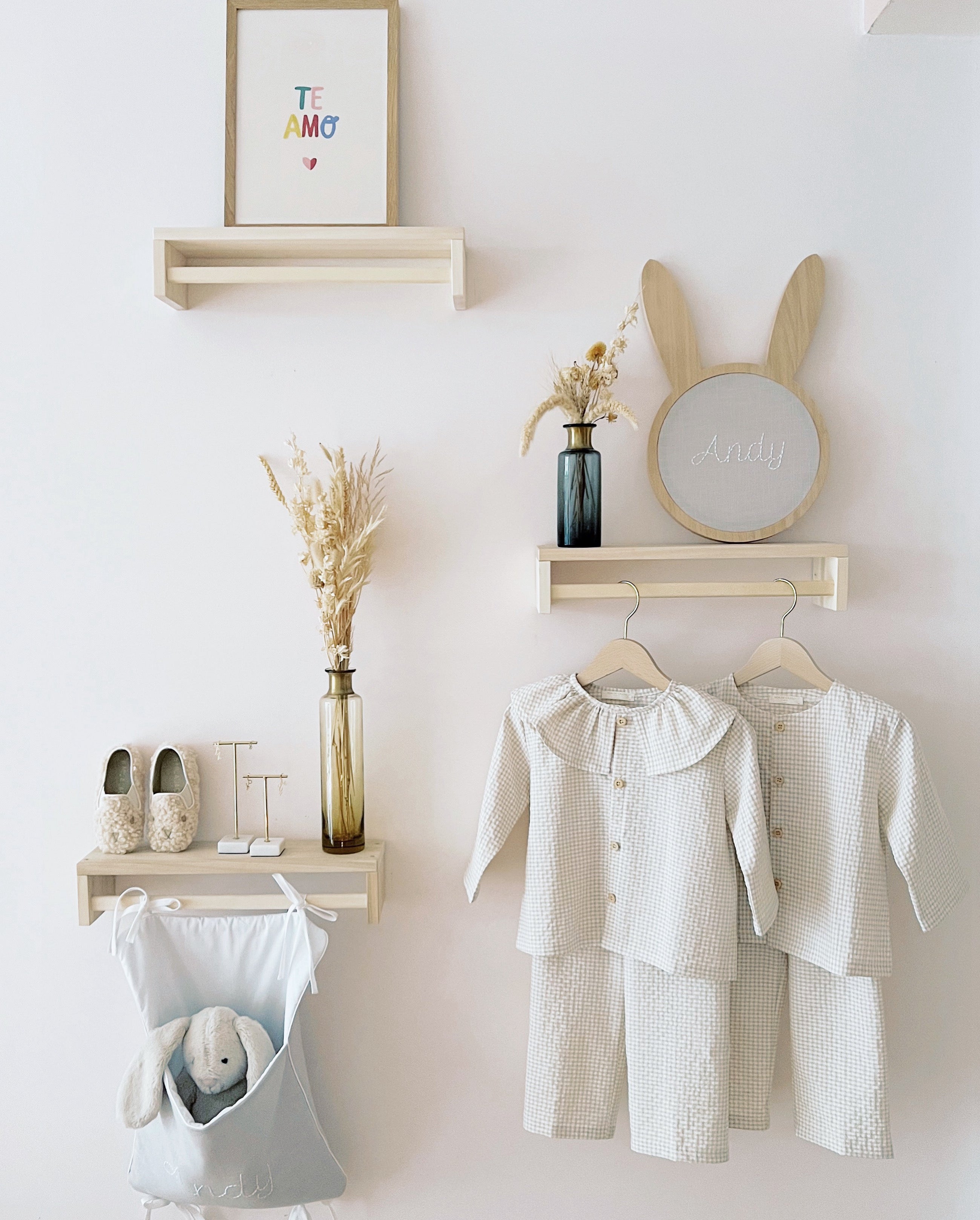
The Cajou Paris range therefore helps create a gentle bedroom for children with its bed sets, but also for adults with its pillow covers, without compromising on aesthetics. They provide visual and tactile comfort, while meeting the essential criteria sought for sensitive skin: a natural material, serious certification, and attention to finishing details.

For people concerned by a dust mite allergy, the Texaal Coton range by ProtecSom can be placed under the visible bedding, around the mattress, pillow, or duvet: these recognised medical-quality items act as an allergen barrier while the Cajou Paris bed set preserves everyday comfort, softness, and aesthetics.
This combination makes it possible to address two different but complementary needs:
- Texaal Coton for reinforced dust mite protection, especially in cases of significant allergy;
- Cajou Paris for the visible textile layer, soft, natural, and suited to a child’s bedroom.
For the bedroom of a baby or child with sensitive skin prone to allergies, this combination is particularly relevant. It makes it possible to protect the sleep environment while keeping bedding elegant, comfortable, and pleasant against the skin. It is a simple way to combine practical requirements, comfort, and refinement in the arrangement of the bed.