

Baby’s skin is particularly fragile. Thinner, more permeable and still immature, it does not offer the same protection as adult skin and reacts more easily to friction, heat and humidity, harsh detergents or overly rough materials.
Choosing clothes is therefore not just a matter of style or season: it directly affects the comfort and health of your baby.
To limit irritation, redness and feelings of discomfort, it is best to choose soft, breathable, flexible clothes that are easy to wash. Materials in direct contact with the skin should be selected carefully, especially for bodysuits, pajamas, sleeping bags, bloomers, sets or garments worn for several hours at a time.

Why does baby’s skin need suitable clothing?
A baby’s skin does not yet have the same protective capacity as an adult’s. Its skin barrier develops gradually, which makes it more sensitive to external aggressions. Fabric that is too rough, a poorly placed seam, an irritating label or a material that retains too much perspiration can quickly cause redness.
The most exposed areas are often the neck, wrists, ankles, stomach, back and skin folds. When a garment rubs, tightens or keeps moisture against the skin, discomfort can appear quickly. This is why you should look for pieces that follow the baby’s movements without compressing the body.
A good baby garment should therefore combine several qualities: a pleasant feel, good breathability, a comfortable cut, soft finishes and simple care. These criteria help create a wardrobe that is genuinely suited to sensitive skin.
Which clothes materials ar right for baby’s skin ?
Cotton
Cotton, preferably organic, is one of the most suitable materials for baby clothes. Soft, natural and breathable, it is very well suited to pieces worn directly against the skin. It allows air to circulate better than many synthetic fibers, absorbs moisture and limits feelings of overheating.
For a baby, organic cotton is particularly worthwhile when used for everyday clothing: bodysuits, pajamas, sets, bloomers, sleeping bags or little tops. Its softness reduces the risk of uncomfortable rubbing, while its breathability helps maintain good comfort throughout the day or night.
Organic cotton is also appreciated because it reflects a more demanding approach to material selection. For parents, it provides a simple answer to an essential question: choosing a soft, reassuring fabric suited to prolonged contact with baby’s delicate skin.
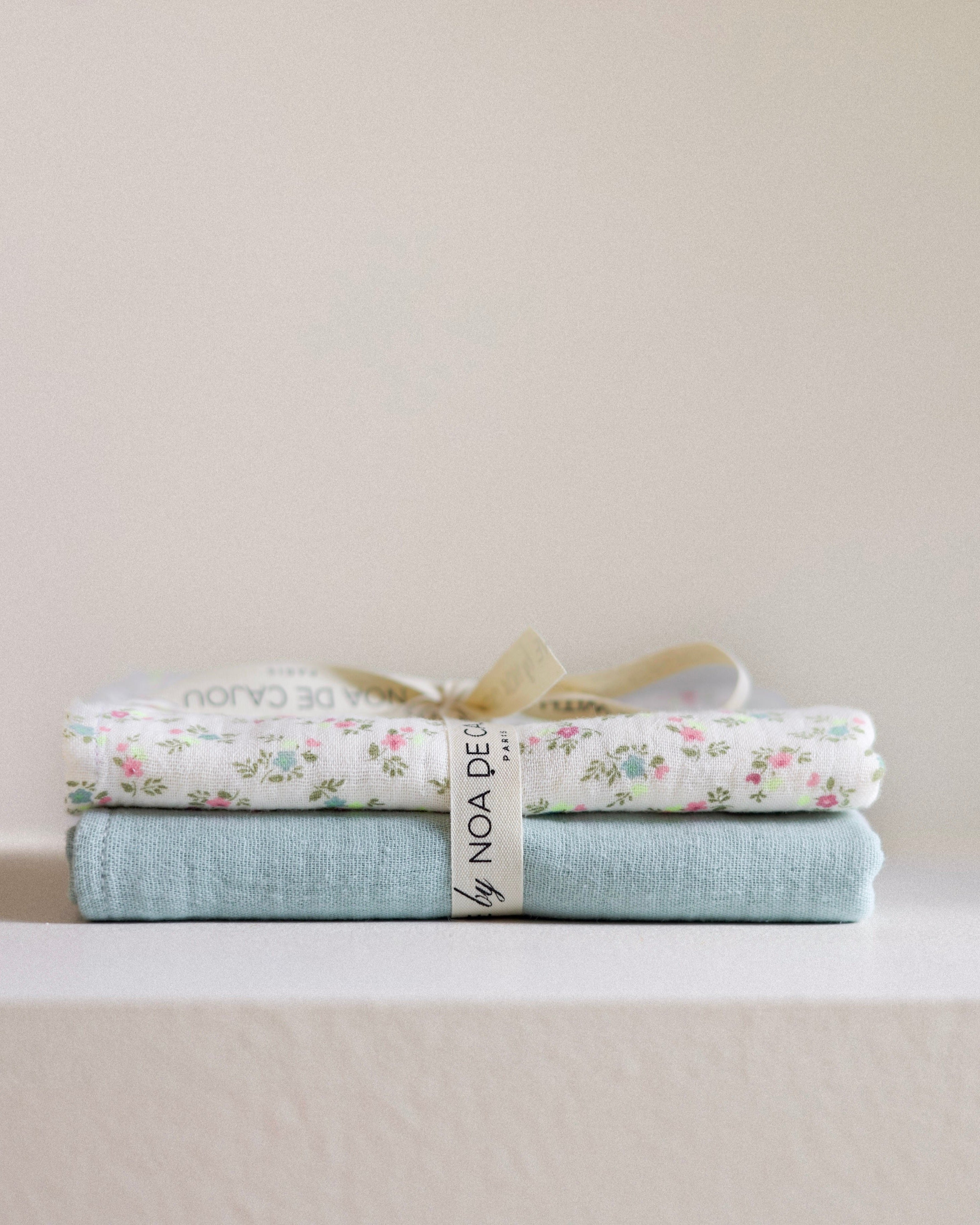
Cotton muslin is a very interesting material for babies, particularly because of its lightness and flexibility. It is often used for swaddles, small blankets, accessories or certain summer pieces. Its airy texture makes it a pleasant material when temperatures rise or when you want a very fluid textile.
Double cotton gauze is close to muslin, but often feels softer and slightly more textured. It remains breathable, flexible and pleasant against the skin. It is an interesting material for summer clothes or accessories designed to provide comfort without excess warmth.

Soft linen
Linen can be an interesting material for certain baby clothes, especially in summer, provided it is soft enough. Naturally breathable, it allows air to circulate well and helps limit heat-related discomfort. It is particularly suitable for loose, light pieces that are not worn too tightly.
However, not all linen fabrics are equal. Some linen textiles can feel slightly rough, especially before several washes. For a baby, it is therefore important to choose linen that is supple, washed, softened or blended with a soft fiber such as cotton. The aim is not only to choose a natural material, but a material that is genuinely pleasant against the skin.
Soft linen can therefore be relevant, but it requires more vigilance than organic cotton. It is especially suitable for well-cut summer clothes, with careful finishes and a non-abrasive texture.
Silk
Silk may be suitable for very sensitive skin thanks to its smooth, very soft feel. It limits friction and can be appreciated for some babies who are particularly reactive to more conventional textiles. Its fineness makes it comfortable, especially when used on delicate pieces.
However, silk is more demanding to care for and less practical for everyday use. It can nevertheless be an interesting option in certain specific cases, especially for children whose skin is extremely reactive to rougher materials.
Which clothes materials should be avoided for baby’s skin?
Polyester
Polyester is a very common synthetic material, but it is not always ideal for clothes in direct contact with babies’ skin. It can be less breathable than cotton and encourage heat or moisture build-up. On fragile skin, this can create a feeling of discomfort, especially when the garment is worn for a long time.
The main risk is not only the fabric’s composition, but how it behaves day to day: if it makes the baby sweat, sticks to the skin or lacks flexibility, it can become uncomfortable for the baby.
Nylon
Nylon can be resistant and lightweight, but it is often less pleasant for sensitive skin when worn directly on the body. Depending on the quality of the fabric, it can retain heat, lack breathability and create an unpleasant rubbing sensation.
For babies, nylon should therefore be avoided for everyday garments that touch the skin. It may appear in certain accessories or outerwear, but it should not replace softer materials for essential pieces.
Acrylic
Acrylic is often used as an alternative to wool in some warm garments. However, it can be poorly breathable and create a feeling of overheating. For a baby, especially one who tends to perspire or has reactive skin, this material can become uncomfortable.
Acrylic retains heat without always allowing moisture to escape properly. This can encourage redness, particularly in skin folds or under layers of clothing.
For warm clothes, it is better to choose more breathable materials.

Wool
Wool can be warm and natural, but it is often irritating when worn directly against the skin.
Even good-quality wool can cause itching or redness in sensitive children. Its texture can be too abrasive for skin that is still fragile.
This does not mean wool cannot be used in a baby wardrobe. It can work as an outer layer, over a cotton bodysuit, for example. However, it is better to avoid wool sweaters, cardigans or accessories placed directly on bare skin.
If wool is used, it should be very soft, kept away from sensitive areas and combined with a protective first layer in cotton.
Treated fabrics
Some textile finishes can be problematic for sensitive skin. Stain-resistant, wrinkle-resistant, scented or heavily chemical treatments are not always suitable for babies. Even if the garment seems practical for parents, it may be less appropriate for fragile skin.
One sign to watch for is the smell of the garment when unpacked: a strong chemical smell may indicate the presence of unwanted treatments or residues. Similarly, a very stiff, shiny or artificially smooth fabric may deserve extra caution.
For baby clothes, it is better to choose simple, clearly identified and certified materials whenever possible. Serious textile labels help reassure parents about fabric quality and the attention paid to unwanted substances.
Baby’s skin needs more than clothes cut from the right fabric
The material is essential, but it is not enough. A cotton garment, for example, can still be uncomfortable if its seams are thick, its label scratches or its cut is too tight. Finishes therefore play an important role.
Make sure to:
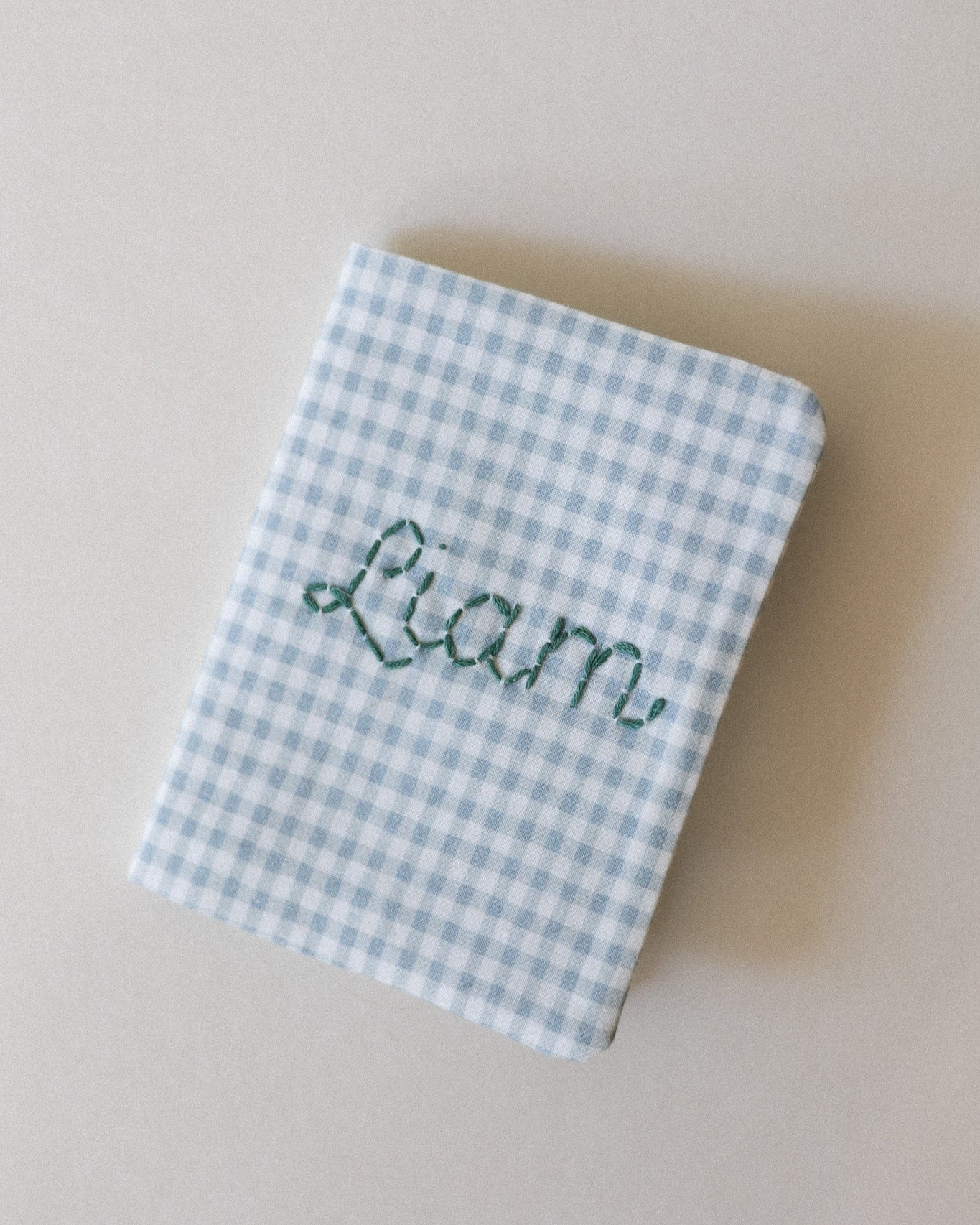
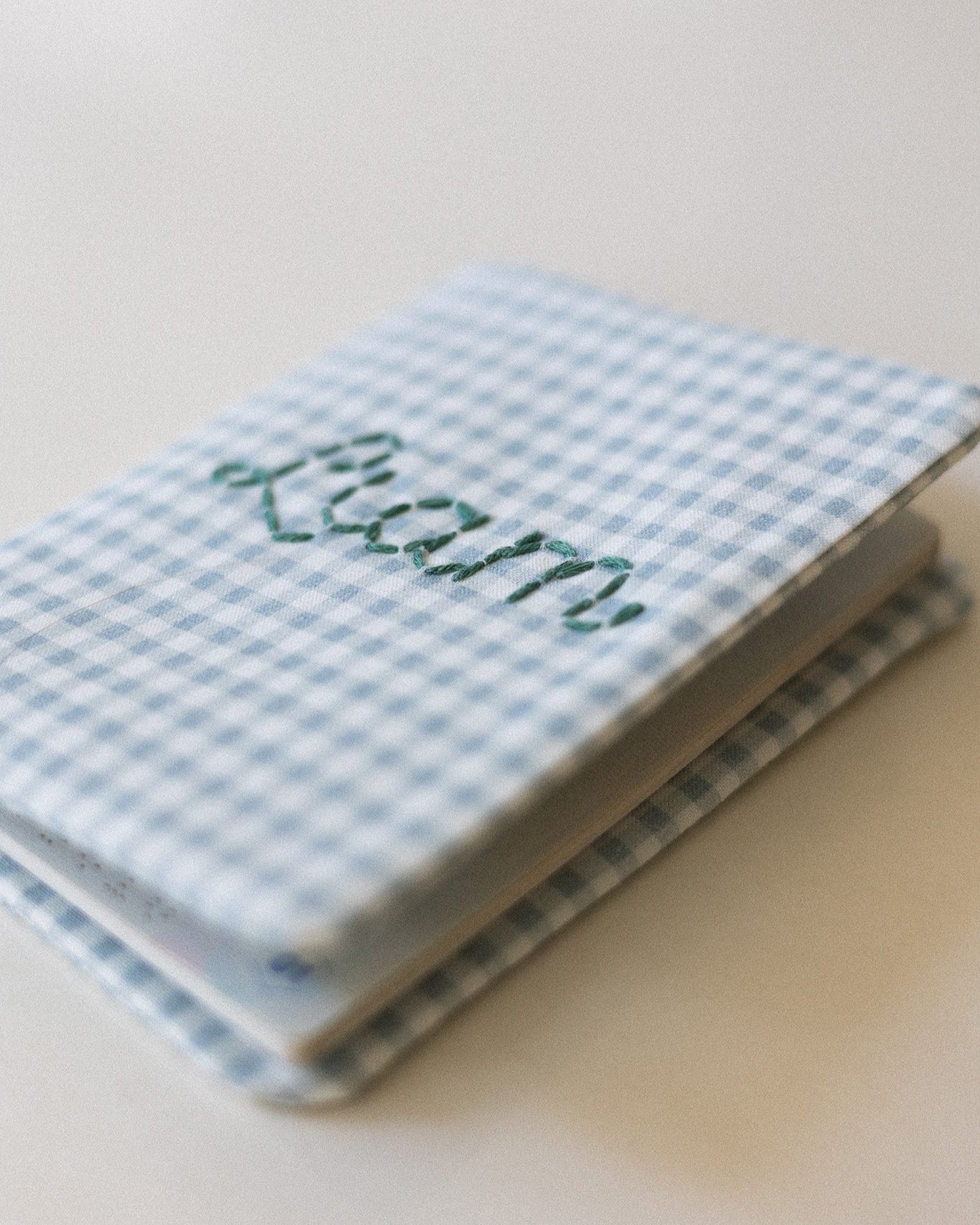
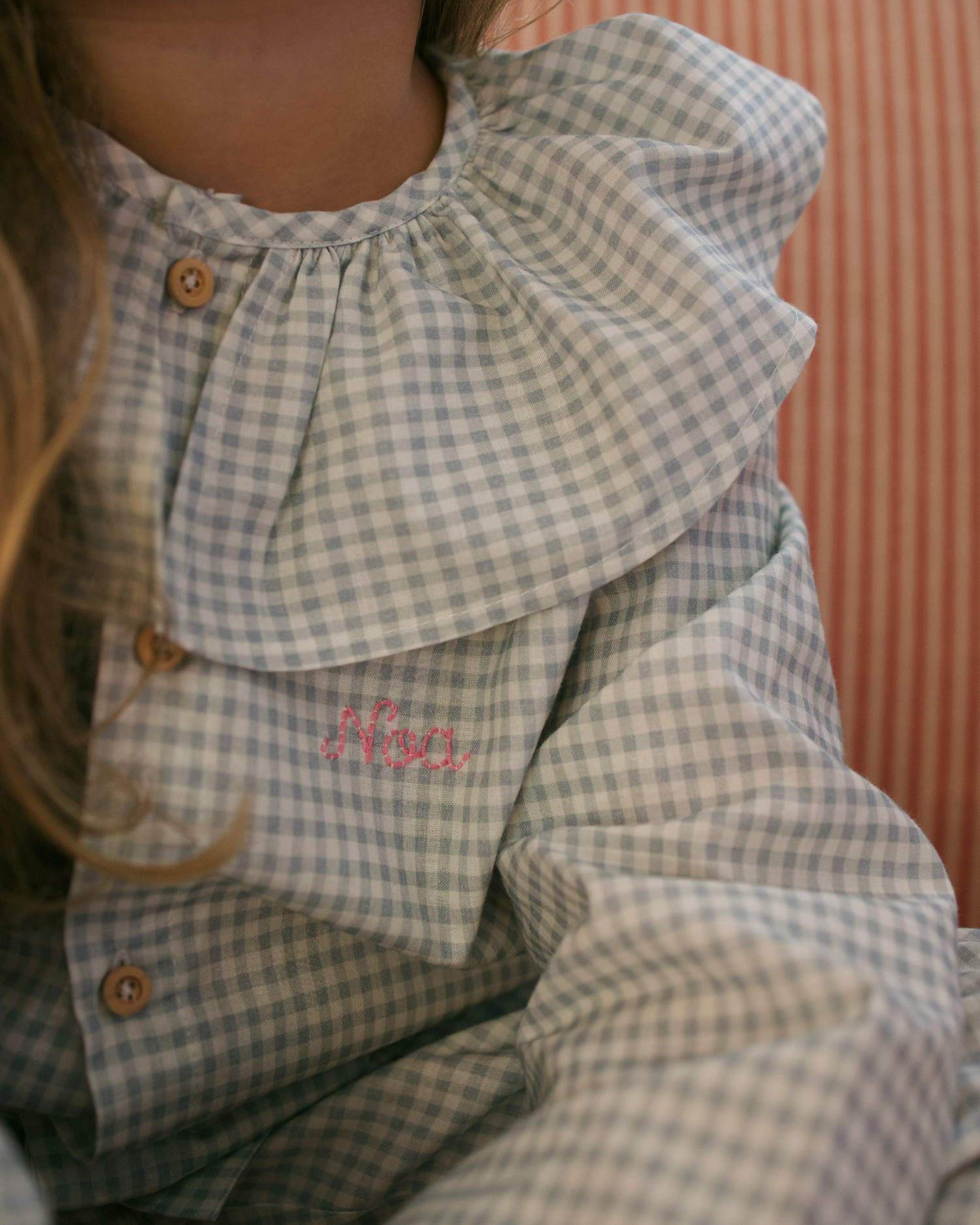
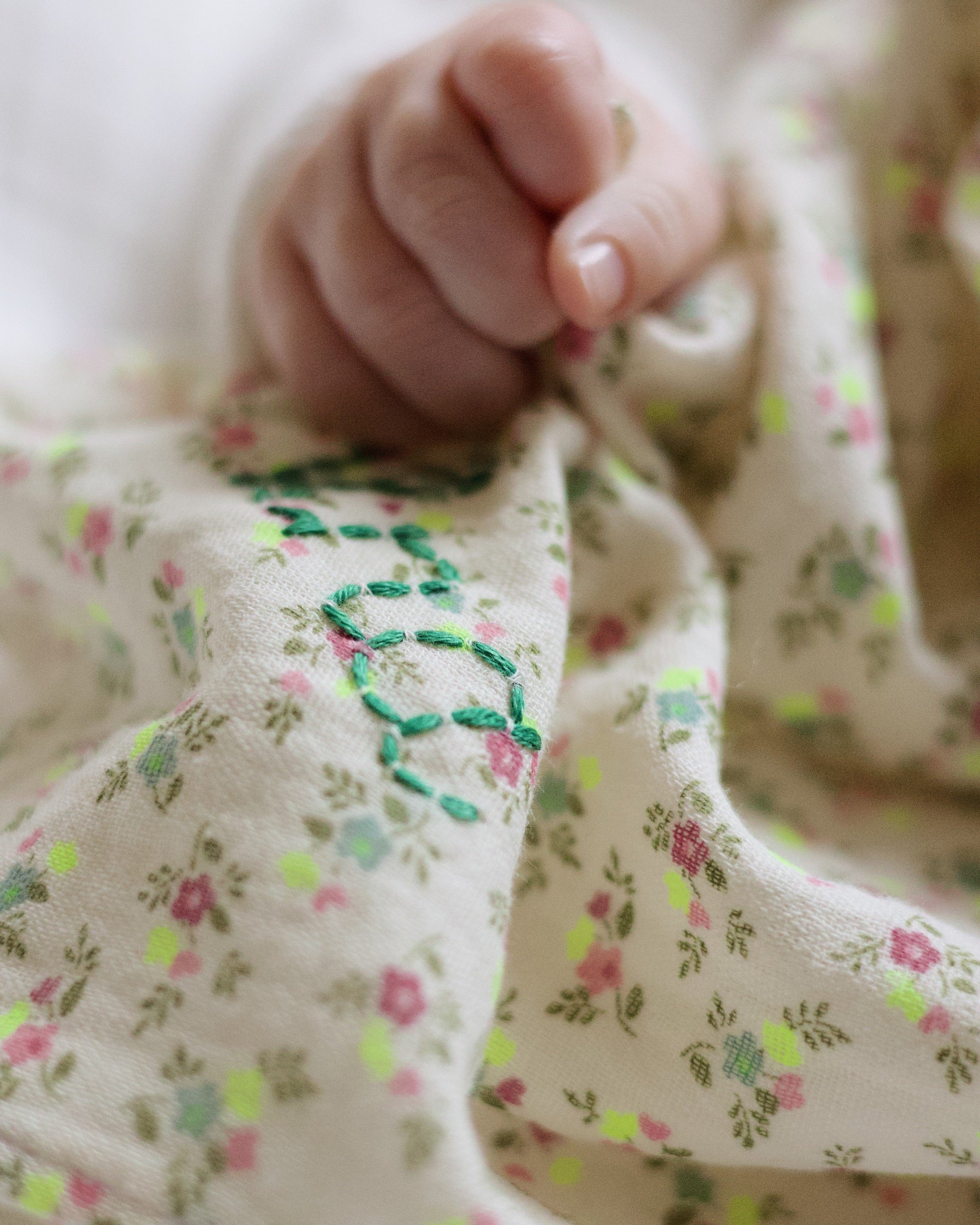
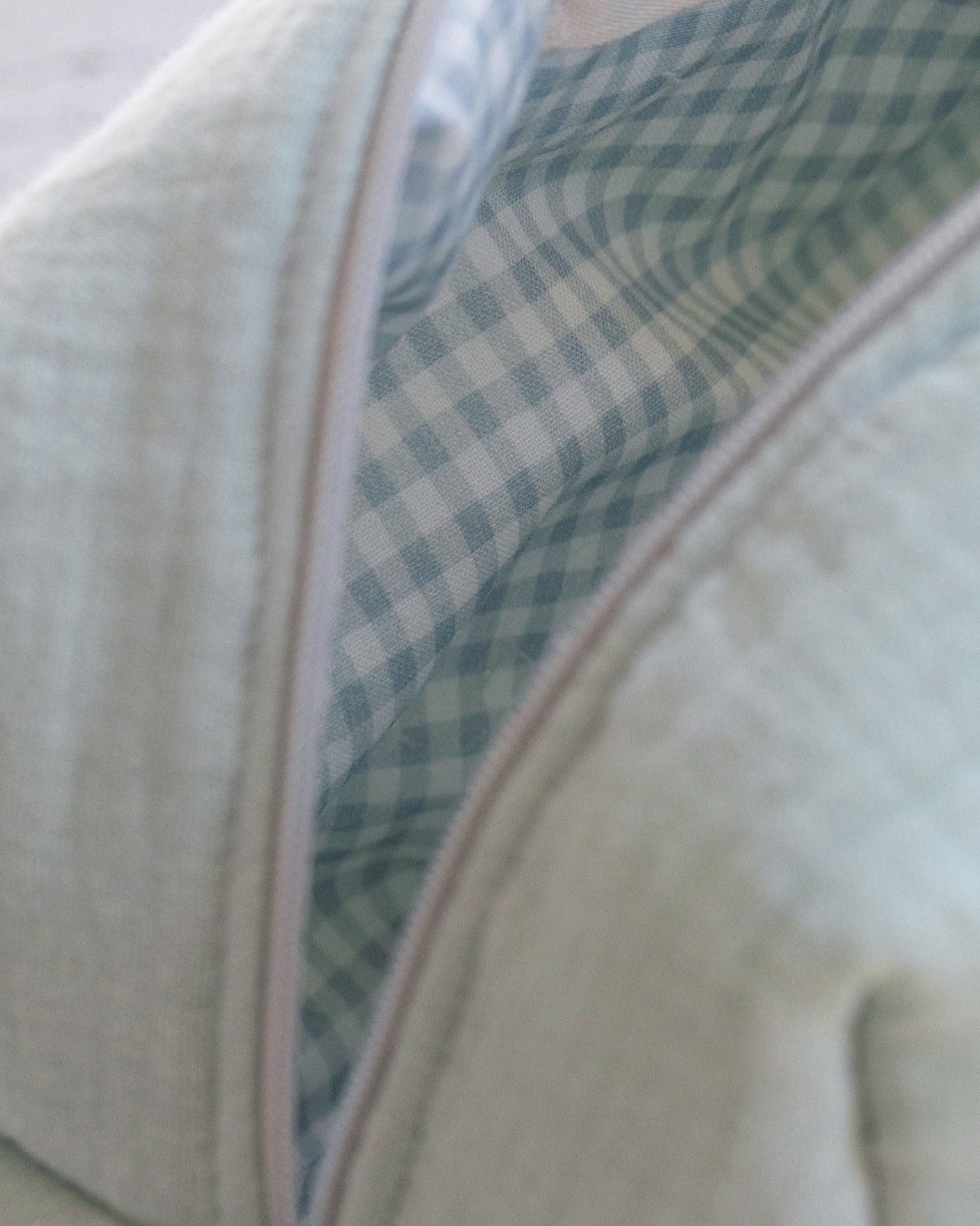
- Check the interior finishes: seams that are too thick, a scratchy label or poorly placed embroidery can irritate the skin, even if the garment is made from cotton.
- Choose clothes that are easy to put on: well-positioned snap buttons, practical openings and simple cuts limit rubbing, pulling and repeated handling.
- Avoid cuts that are too tight: a comfortable garment should follow the baby’s movements without compressing the stomach, neck, arms or legs.

Protecting baby’s skin also means washing clothes properly
A new garment should always be washed before being worn. This first wash helps remove any possible residues. For a baby’s skin, this step is particularly important.
Whether it is the first or tenth wash, always:
- Use a mild detergent, ideally fragrance-free, to limit the risk of irritation on sensitive skin.
- Avoid fabric softeners, as softening agents, fragrances and residues can be poorly tolerated by babies’ skin.
- Ensure a thorough rinse, especially if the baby has redness, reactive skin or a tendency toward eczema.
- Choose a gentle drying method, preferably air drying, to preserve the garment’s flexibility, shape and comfort.
Which clothes should I choose for my baby’s skin?
To dress a baby day to day, it is best to choose clothes that respect their skin and follow their movements without discomfort.
They are not only attractive: they must be soft, practical, breathable and suited to prolonged contact with the skin.
You should prioritize:
- Natural and breathable materials, such as organic cotton, to limit excessive perspiration and preserve skin comfort.
- Soft-touch textiles, pleasant to wear for several hours, especially for bodysuits, pajamas, sets and sleeping bags.
- Clothes that are easy to put on, with practical openings and well-positioned snap buttons, to simplify changing and avoid uncomfortable handling.
- Comfortable cuts, neither too tight nor too rigid, so the baby can move freely without compression around the stomach, neck, arms or legs.
- Careful finishes, with discreet seams, non-irritating labels and details that do not create friction.
- Certified fabrics, whenever possible, to reassure parents about textile quality and the limitation of unwanted substances. The Oeko-Tex Standard 100 certification, in particular, guarantees the absence of harmful substances.
On the other hand, you should avoid:
- Poorly breathable materials, such as certain synthetic textiles, which can retain heat and encourage discomfort.
- Clothes that are too tight, which compress the skin, restrict movement and increase friction.
- Irritating finishes, such as thick seams, stiff labels or details placed directly against the skin.
- Heavily treated fabrics, scented, stiff or with a strong chemical smell, which may be less suitable for sensitive skin.
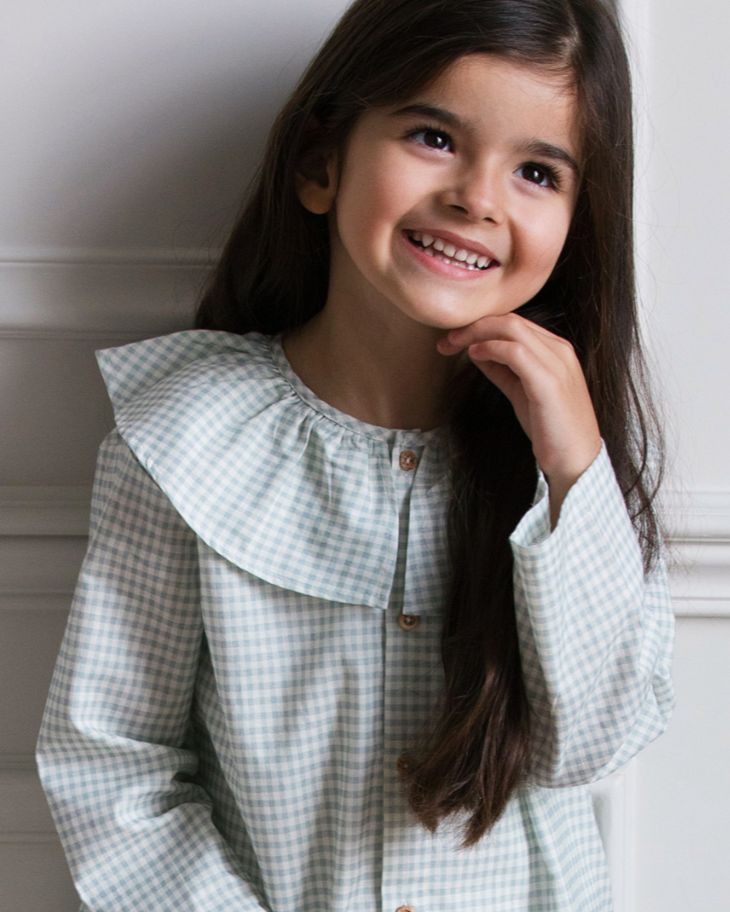
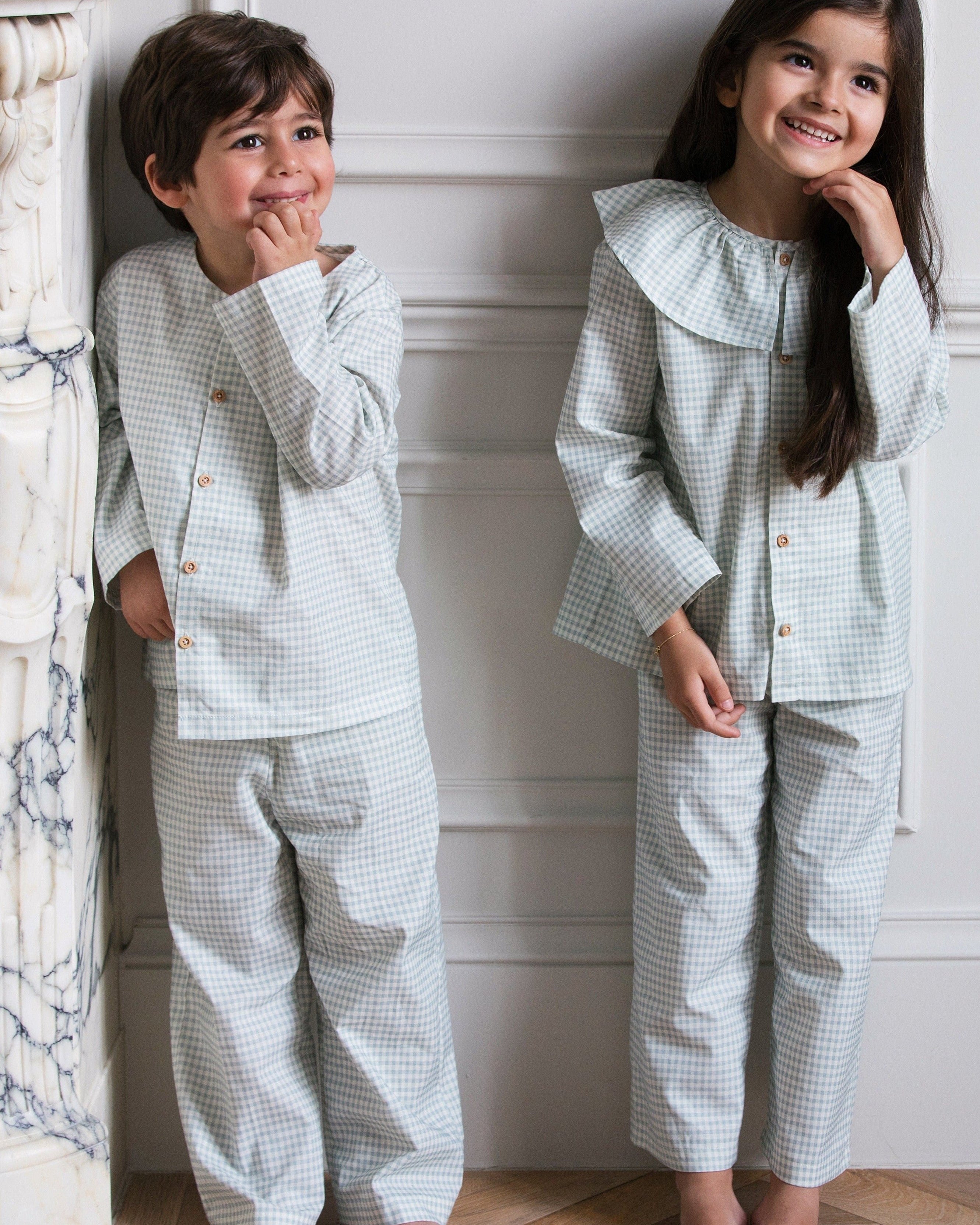
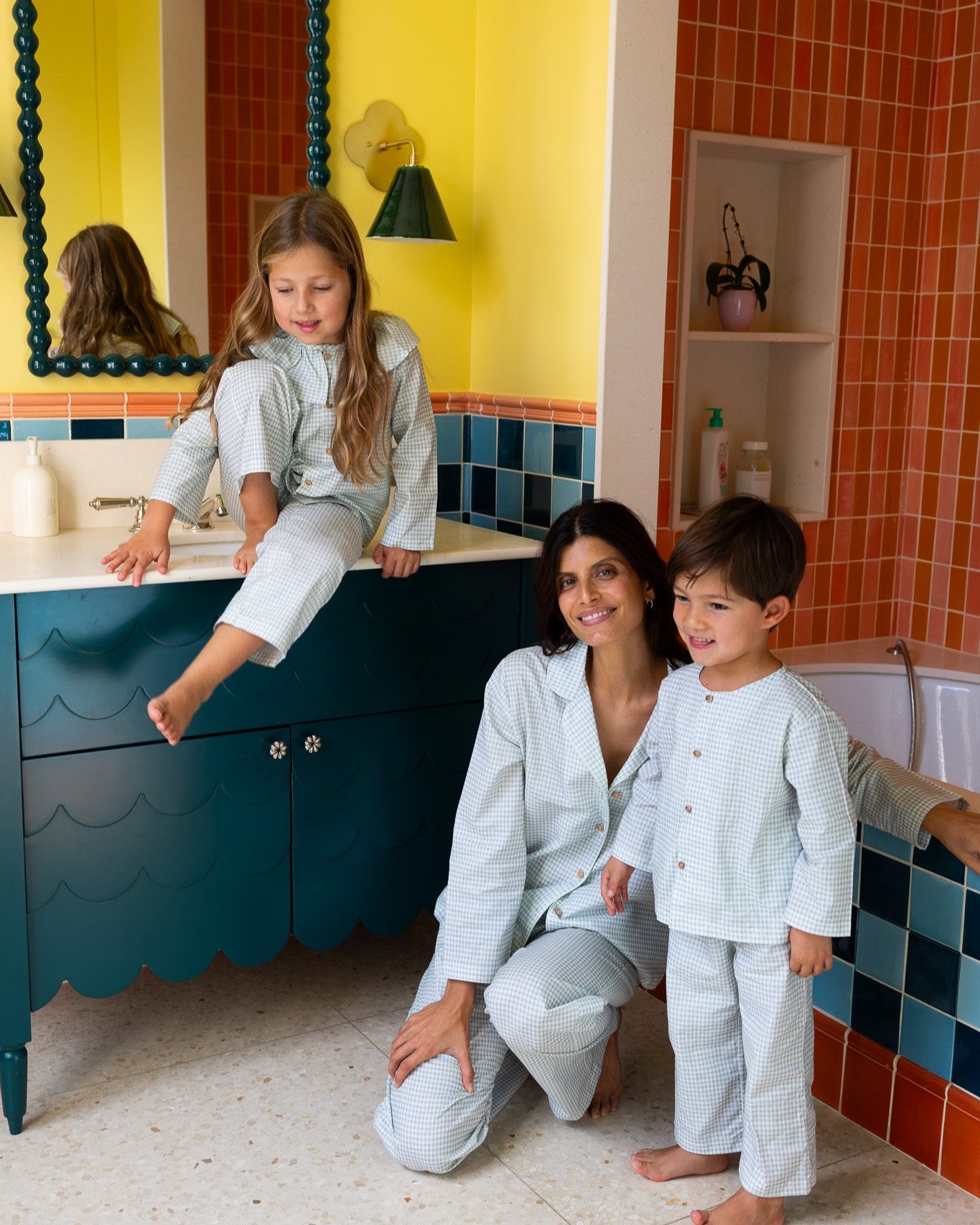
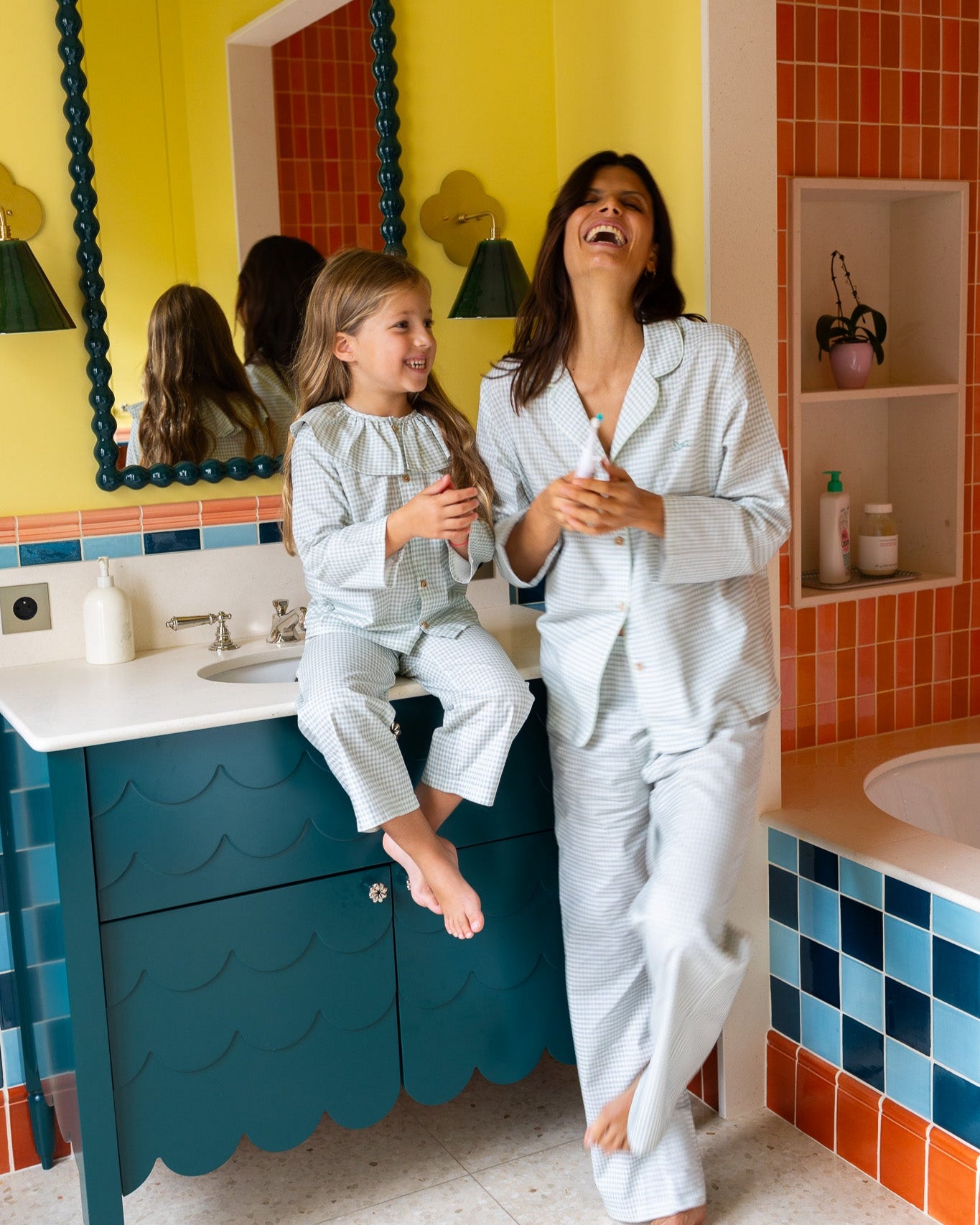
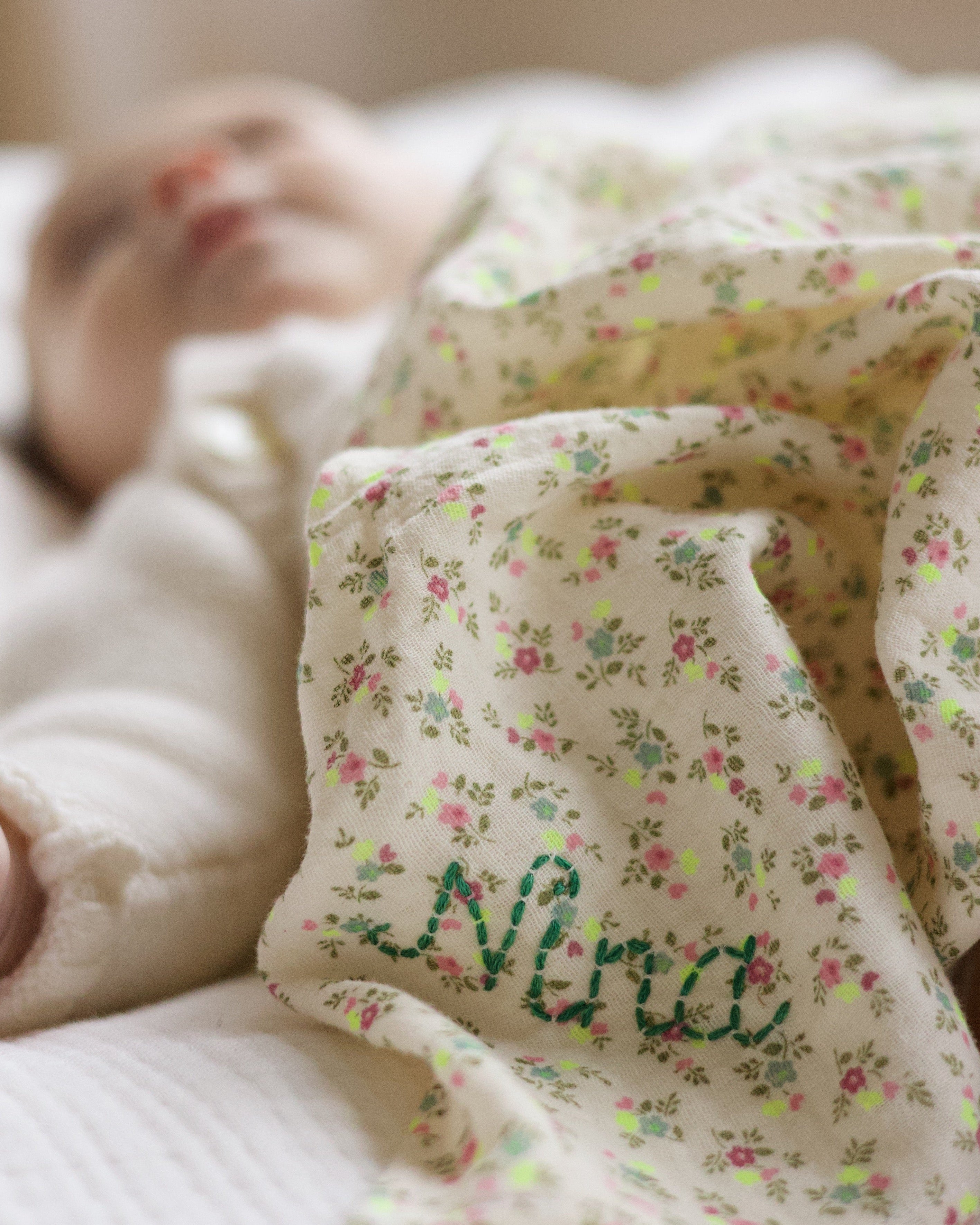
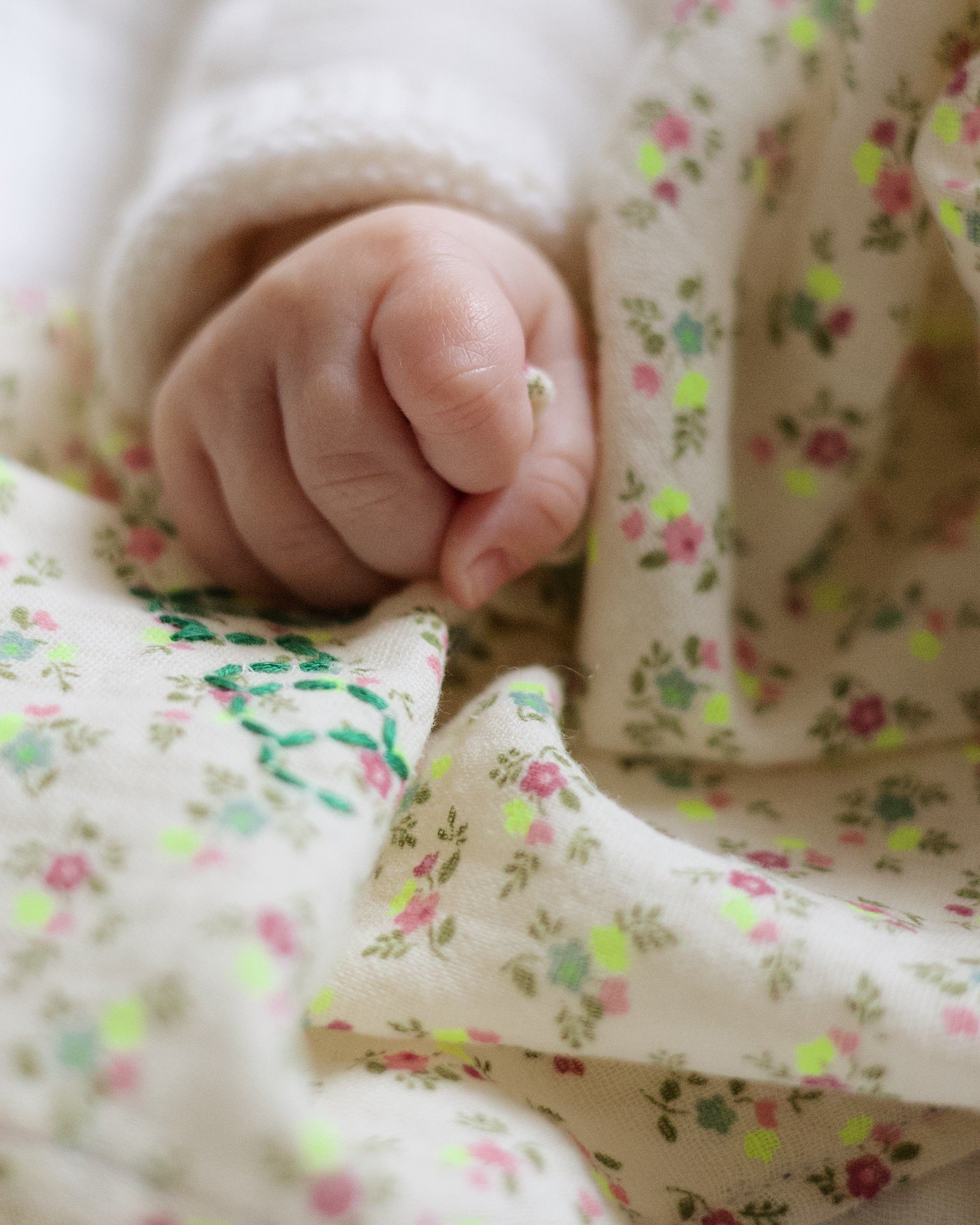
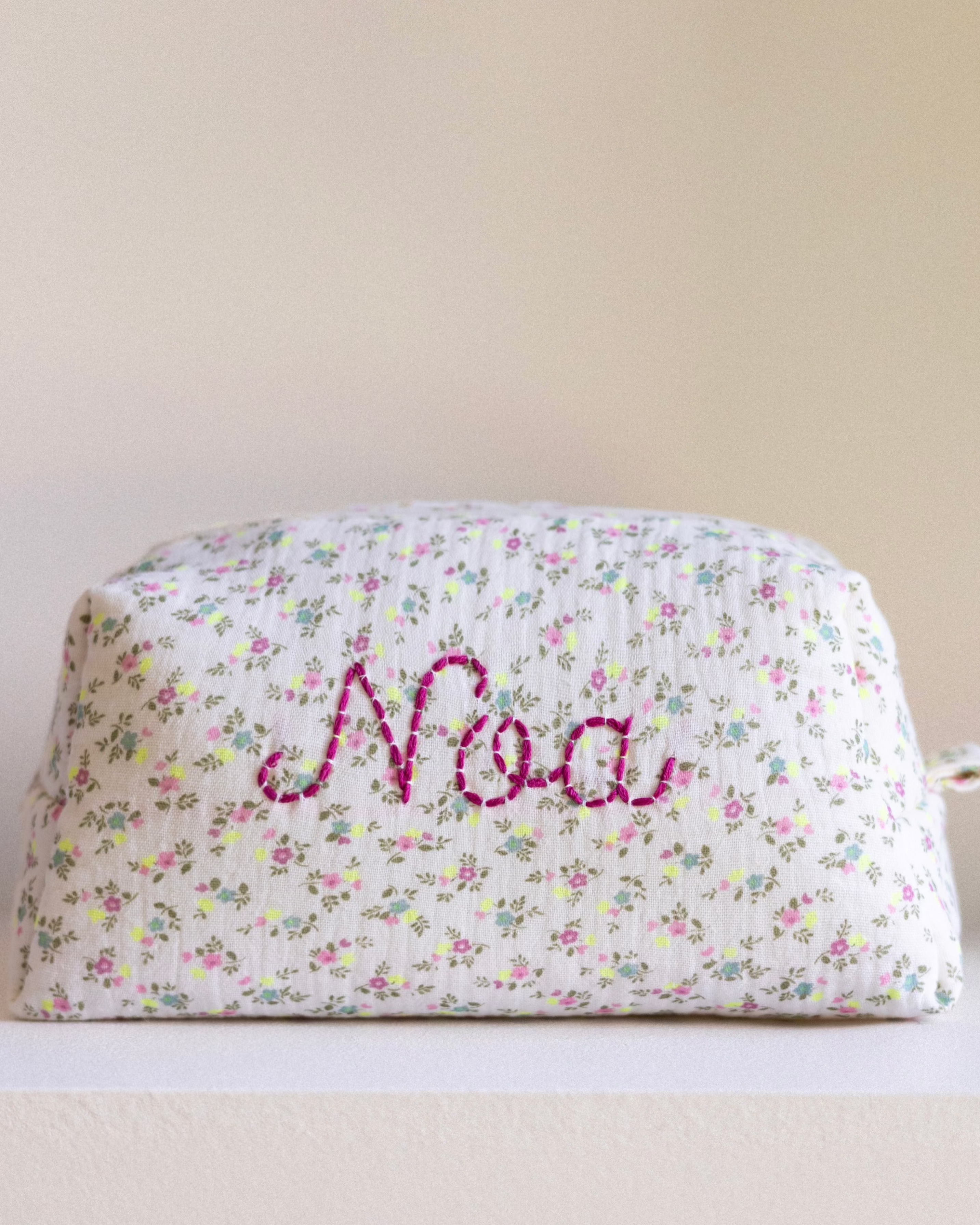
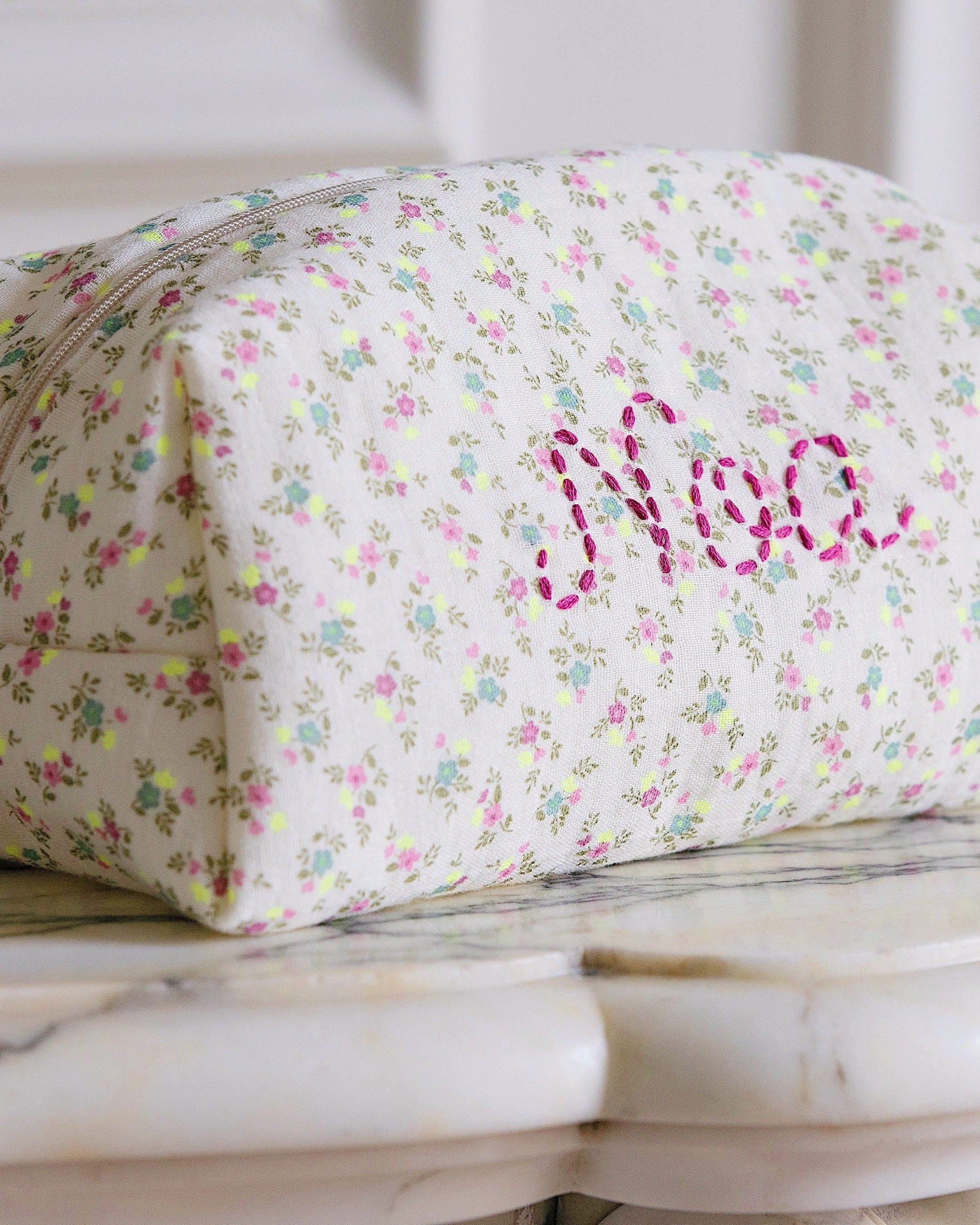
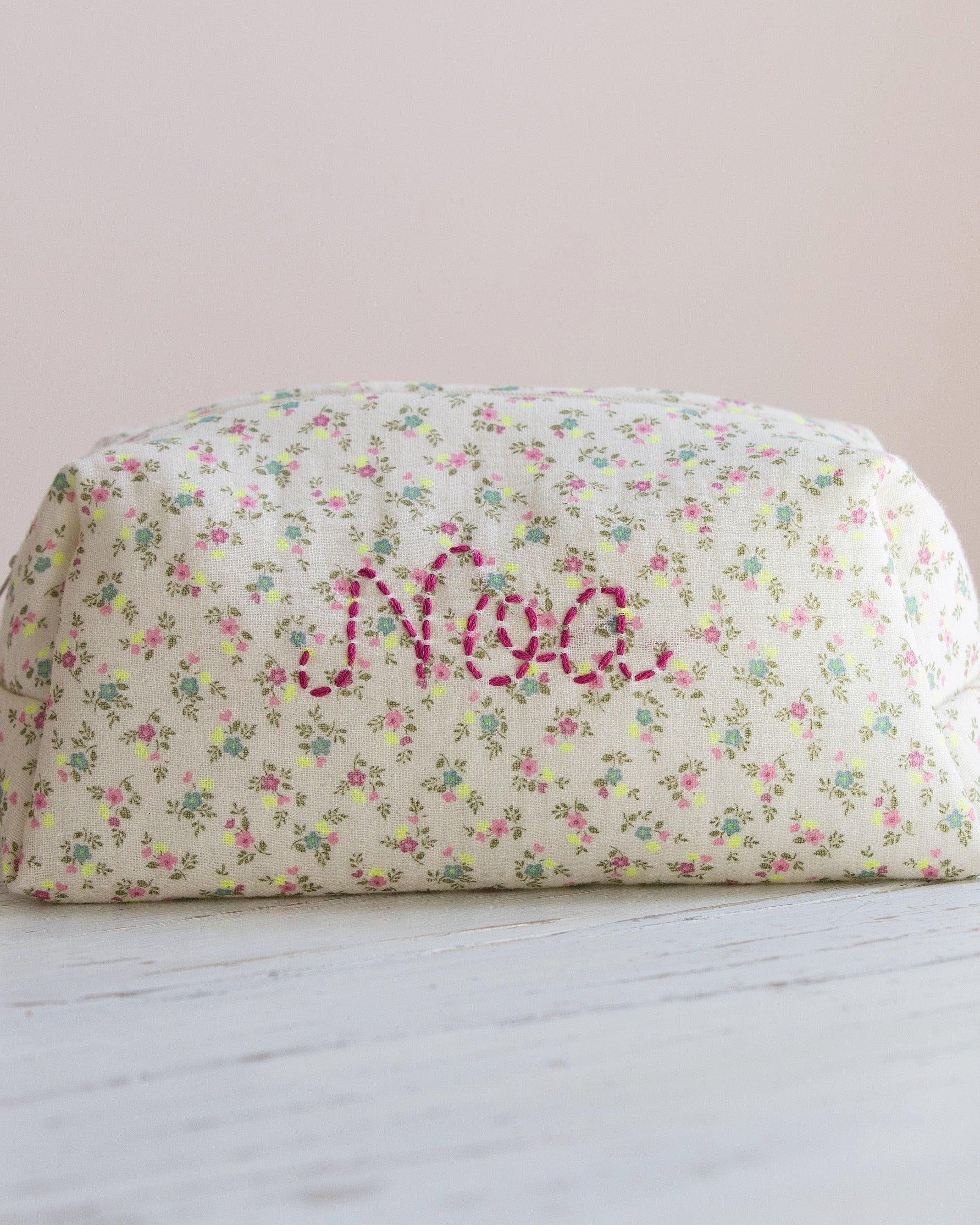
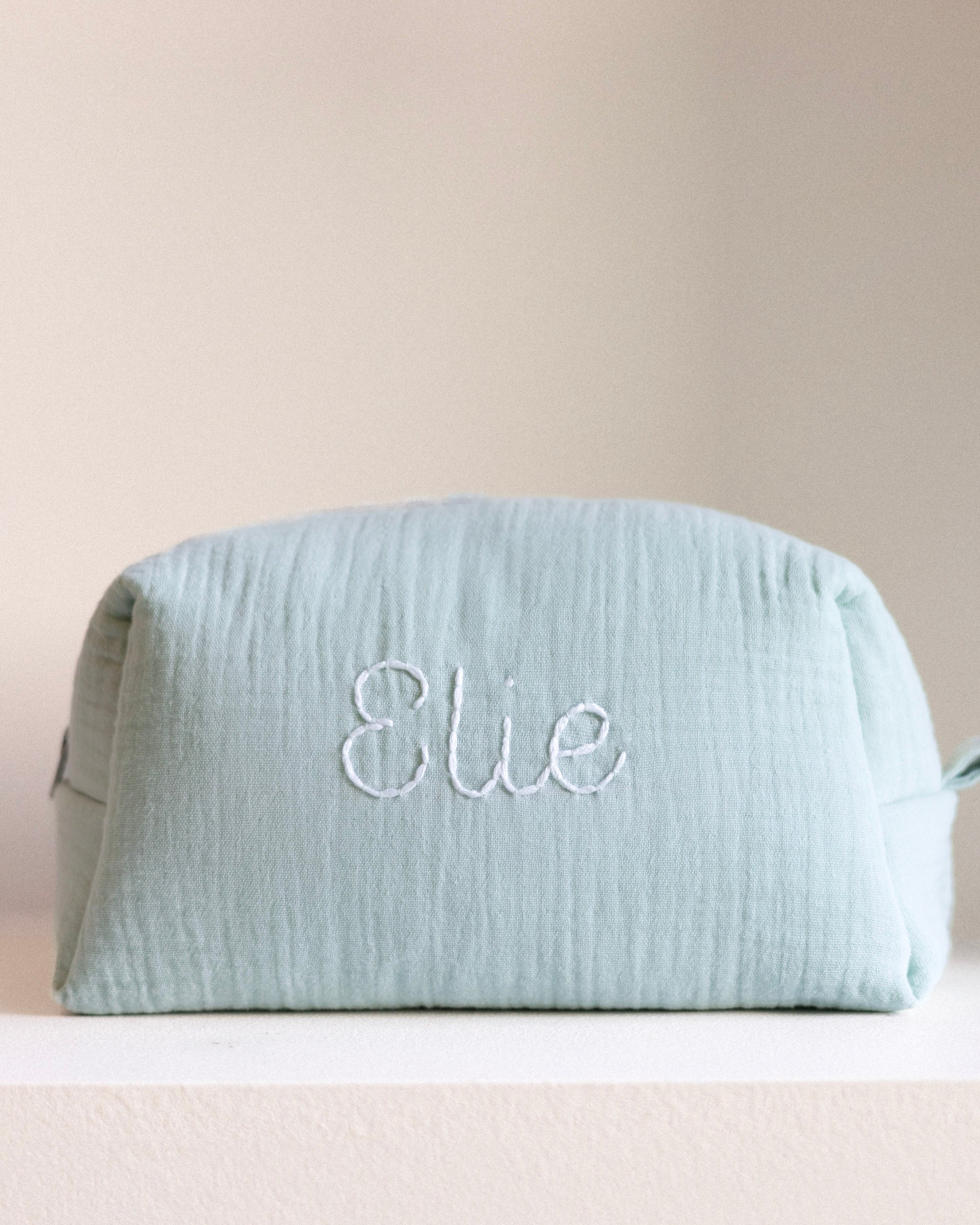
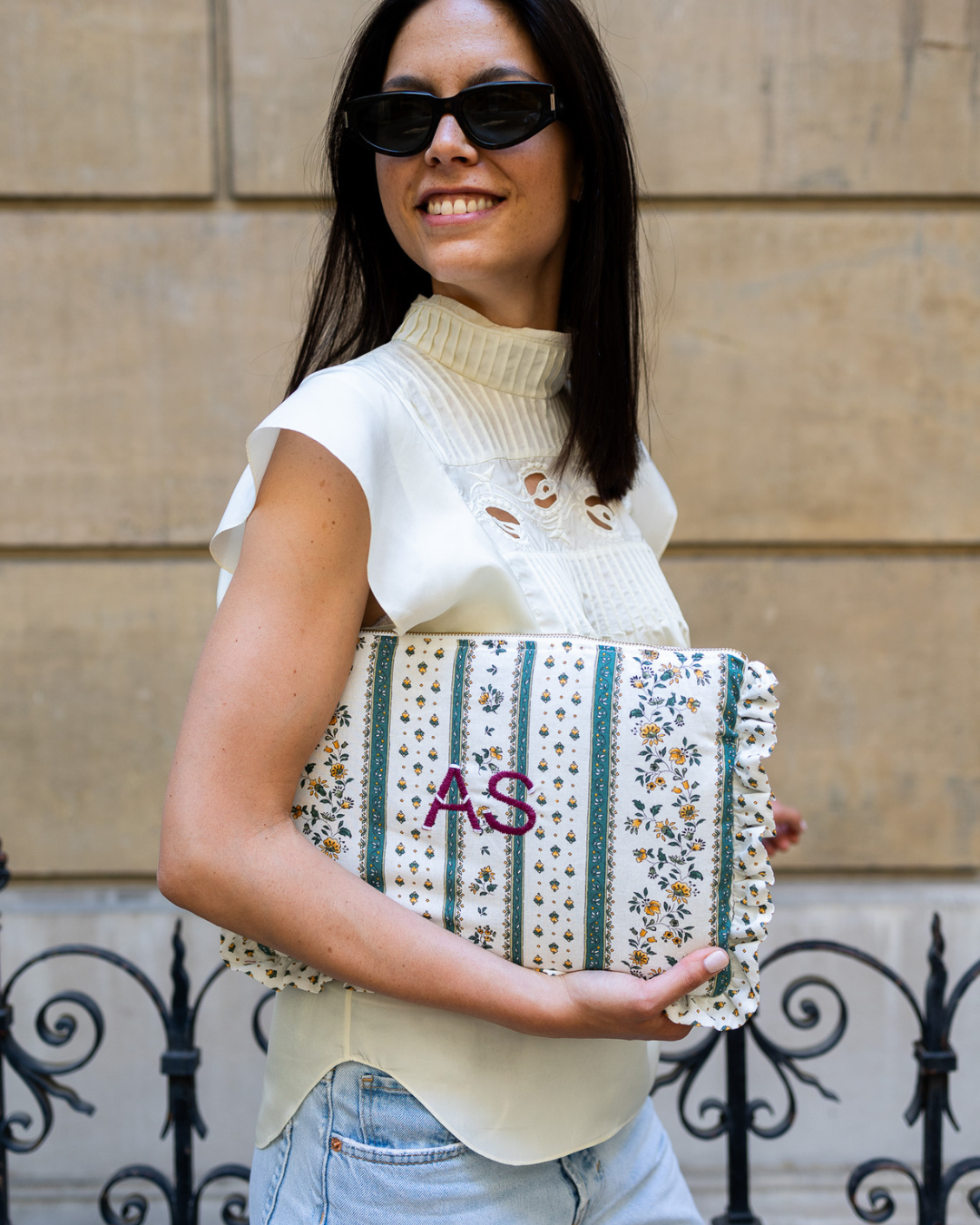
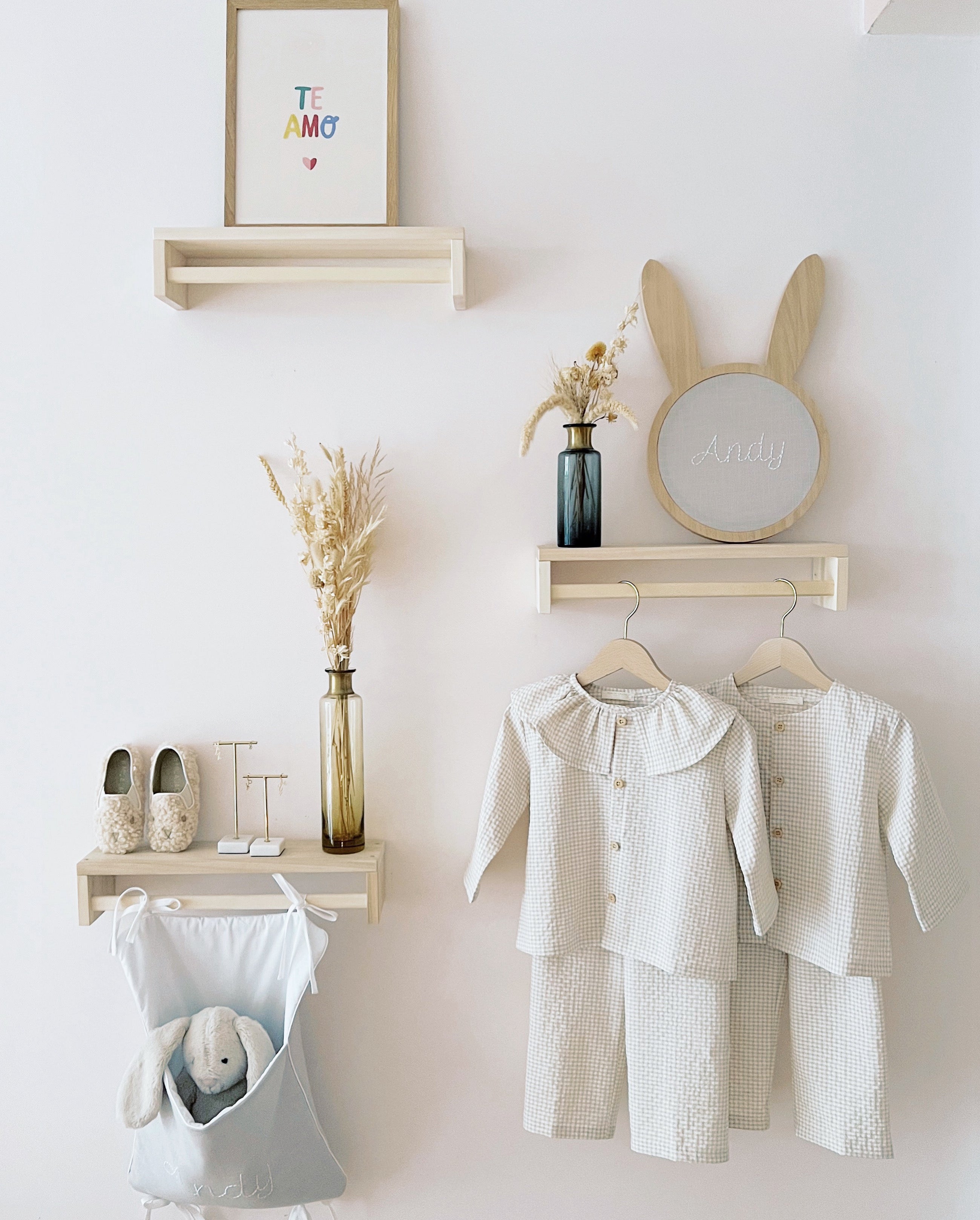
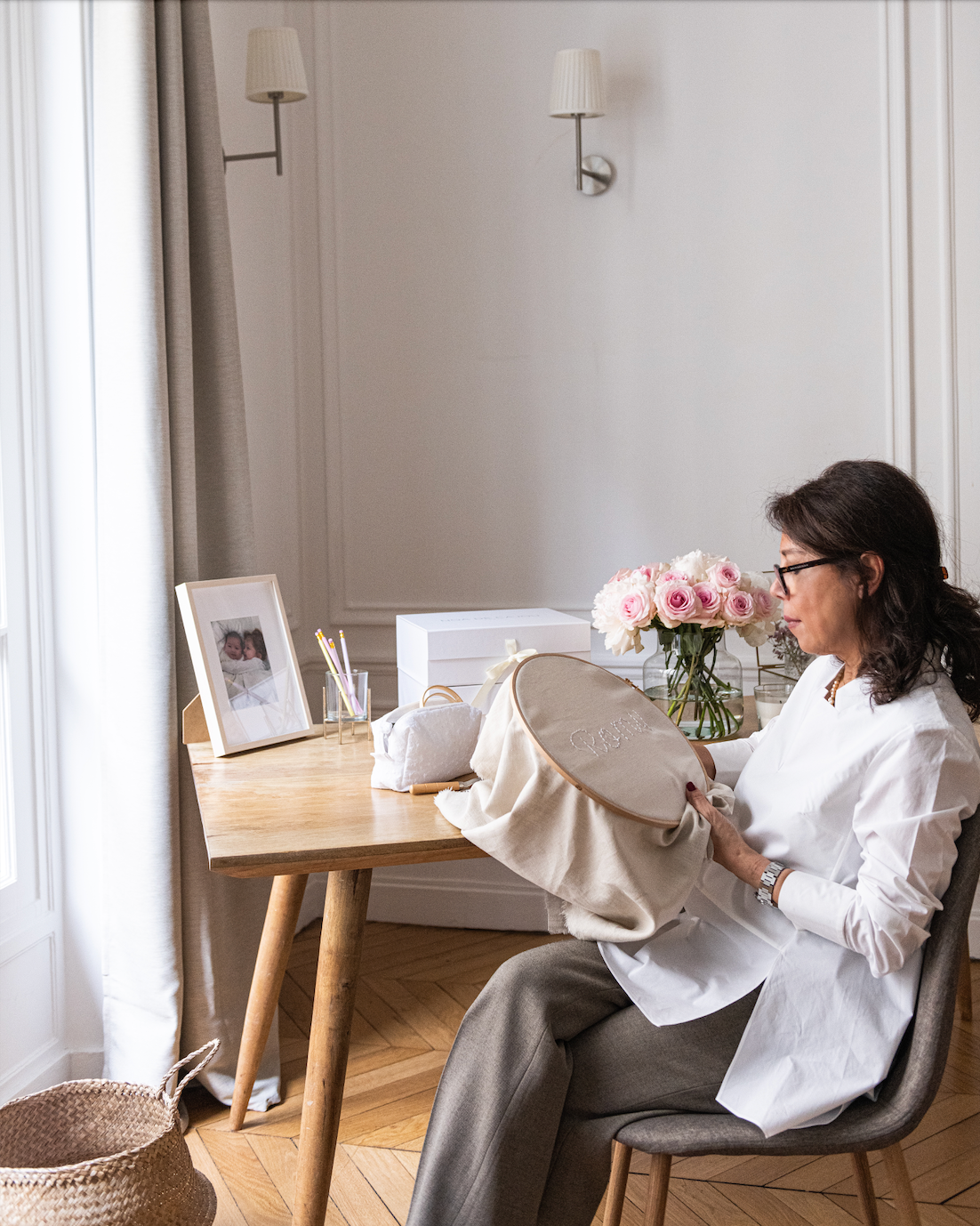
Cotton, especially organic cotton, is therefore the leading material when you want to dress your child. This is where Cajou Paris helps you dress your baby elegantly by combining organic cotton, softness, comfort and delicate finishes with personalized hand embroidery to make each garment unique.
Our baby clothing range is designed to accompany them in everyday life with materials that feel pleasant against the skin and attention paid to practical details.
Thanks to its OEKO-TEX Standard 100 certified fabrics and elegant universe, Cajou Paris offers baby clothes suited to parents looking for pieces that are safe, comfortable and refined.