





How Do You Prepare for a Baby? 10 Essentials to Plan Ahead
For a first child, a baby preparation checklist helps you look beyond shopping. Here are ten key areas to plan for.
1. Plan Prenatal Care and Delivery
Prenatal care is naturally the first part of preparing. It includes medical appointments, choosing and registering with a maternity hospital, and, if the expectant parents wish, childbirth preparation classes.
You can also think about your preferences for labor, delivery, and your stay at the maternity hospital. These preferences are a guide, however: the circumstances of the birth may require changes for medical reasons.
2. Buy Only the Baby Gear You Need at First
A newborn needs relatively few things during the first weeks. Before the birth, focus your purchases on a few essentials:
-
A suitable place to sleep;
-
Diaper-changing supplies;
-
A few seasonally appropriate bodysuits and pajamas;
-
Supplies for routine care;
-
Equipment suited to your chosen feeding method;
-
Essential equipment for trips outside the home.
You can then add items to a baby registry or purchase them as actual needs become clear. You rarely need every available baby accessory on day one.

3. Set Up a Safe Room and Sleeping Space
Above all, the baby's room should be functional and safe. Pay particular attention to sleep: the baby needs a suitable crib or bassinet, a firm mattress, and a clear sleeping space without a collection of objects inside it.
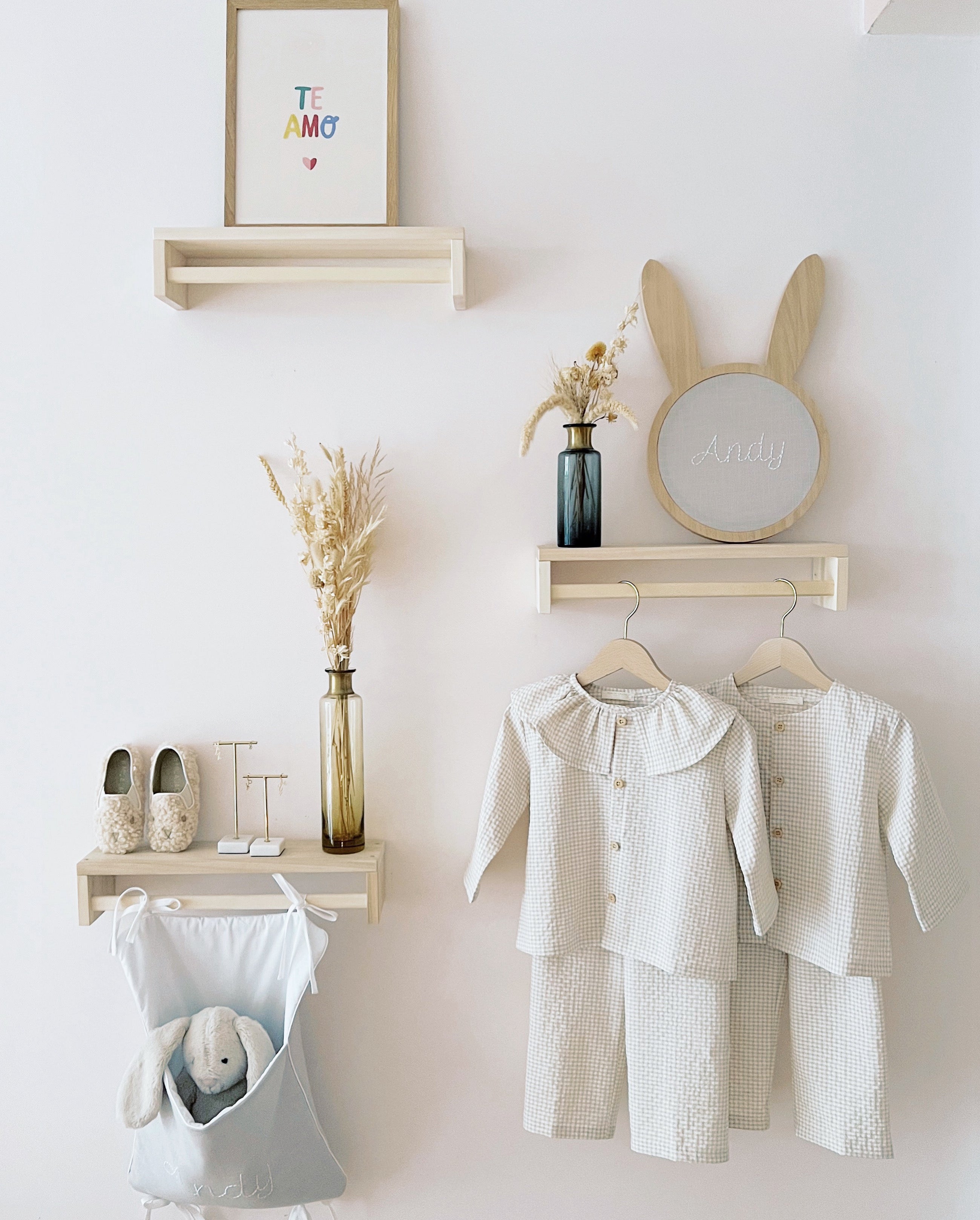
It also helps to have a practical changing area, easy-to-reach storage, and stable furniture. You can finish decorating after the birth; safety and ease of use at home come first.
4. Prepare Meals, Groceries, and Daily Routines
This step is easy to overlook when preparing for your first baby. Yet a few hours spent simplifying daily life before the birth can be especially helpful.
Before leaving for the maternity hospital, consider:
-
Preparing and freezing a few meals;
-
Stocking up on everyday essentials;
-
Planning upcoming grocery shopping;
-
Catching up on laundry;
-
Organizing diapers, changing supplies, and clothes simply;
-
Identifying loved ones who can offer practical help.
The aim is not a perfectly organized home, but fewer nonessential tasks during the first weeks.
5. Divide Responsibilities Before the Baby Arrives
A birth also changes how a couple organizes daily life. Before delivery, talk about concrete tasks: who will handle groceries, meals, laundry, appointments, diaper changes, visits, or parts of the nighttime routine?
These arrangements will naturally evolve after the birth. Discussing them beforehand helps prevent all the planning and practical work from falling by default on one parent.
If one parent handles more of the baby's feeding, the other can take on more diaper changes, settling the baby back to sleep, or everyday logistics.
6. Plan the Paperwork and Baby Budget
A new child brings several administrative tasks. It is helpful to look into the following early:
-
Leave available to both parents;
-
Health insurance entitlements;
-
Benefits potentially available through France's Caf family benefits agency;
-
Adding the child to your supplemental health plan;
-
Registering the birth;
-
Paperwork required by employers;
-
Any financial assistance linked to the birth or childcare.
It also makes sense to draw up an initial baby budget. Alongside one-time purchases, allow for diapers, possible feeding costs, childcare, or a temporary drop in income during leave.
For exact procedures and eligibility requirements, consult the relevant organizations directly, since rules and amounts can change.

7. Choose Childcare Early Enough
Daycare, a childminder, in-home care, or help from family: several options are possible, and no single one is always best.
Your choice depends on work hours, budget, location, travel time, and availability. Planning ahead gives you time to compare options and submit applications early enough where necessary.
Even if the parents do not return to work immediately, thinking about childcare during pregnancy can prevent a rushed decision just weeks before they do.
8. Prepare for Coming Home and the First Few Weeks
Coming home deserves almost as much preparation as going to the maternity hospital. Daily rhythms change with a newborn, and the parents' sleep may be interrupted often.
A few simple steps can make this period easier:
-
Reduce commitments during the first few days;
-
Arrange help from loved ones when it will actually be useful;
-
Have some meals and everyday supplies ready;
-
Set up a functional home environment;
-
Plan visits rather than feeling obliged to accept them;
-
Find out which medical appointments to arrange;
-
Give everyone a chance to rest whenever possible.
There is no need to plan every day in detail. Instead, remove as many demands as possible so you can adapt to the baby's rhythm.
9. Learn the Main Safety Rules for a Newborn
You do not need to become an infant-care expert before the birth. A few areas of knowledge are particularly important, however.
Expectant parents should learn about infant sleep, safe use of the sleeping space, proper car seat installation, routine care, and safe use of baby equipment.
It also helps to know which professionals and emergency numbers to contact if a problem arises. A pediatric first aid introduction can round out your preparation.
10. Accept That You Cannot Plan Everything
This final point matters especially with a first child. Babies have different habits, and parents gradually discover what works for their own family.
Some accessories that seemed essential before the birth will barely be used. Conversely, new needs will arise after a few days or weeks.
Good preparation means having a safe, functional foundation rather than trying to organize everything perfectly from day one.

Essential Purchases Before Your Baby Arrives
A baby preparation list can quickly grow very long. To avoid buying too much, distinguish what you will need immediately from what you can buy over time.
For Sleeping, Diaper Changes, and Dressing
Before the birth, prioritize:
-
An appropriate crib or bassinet and mattress;
-
One or more sleep sacks suited to the season;
-
A changing area;
-
Diapers;
-
A few bodysuits;
-
A few pajamas;
-
Seasonally appropriate clothes;
-
A thermometer and basic care supplies.
You generally do not need large quantities of clothes in every size. The baby's growth, the season, and gifts received after the birth can quickly change what you need.
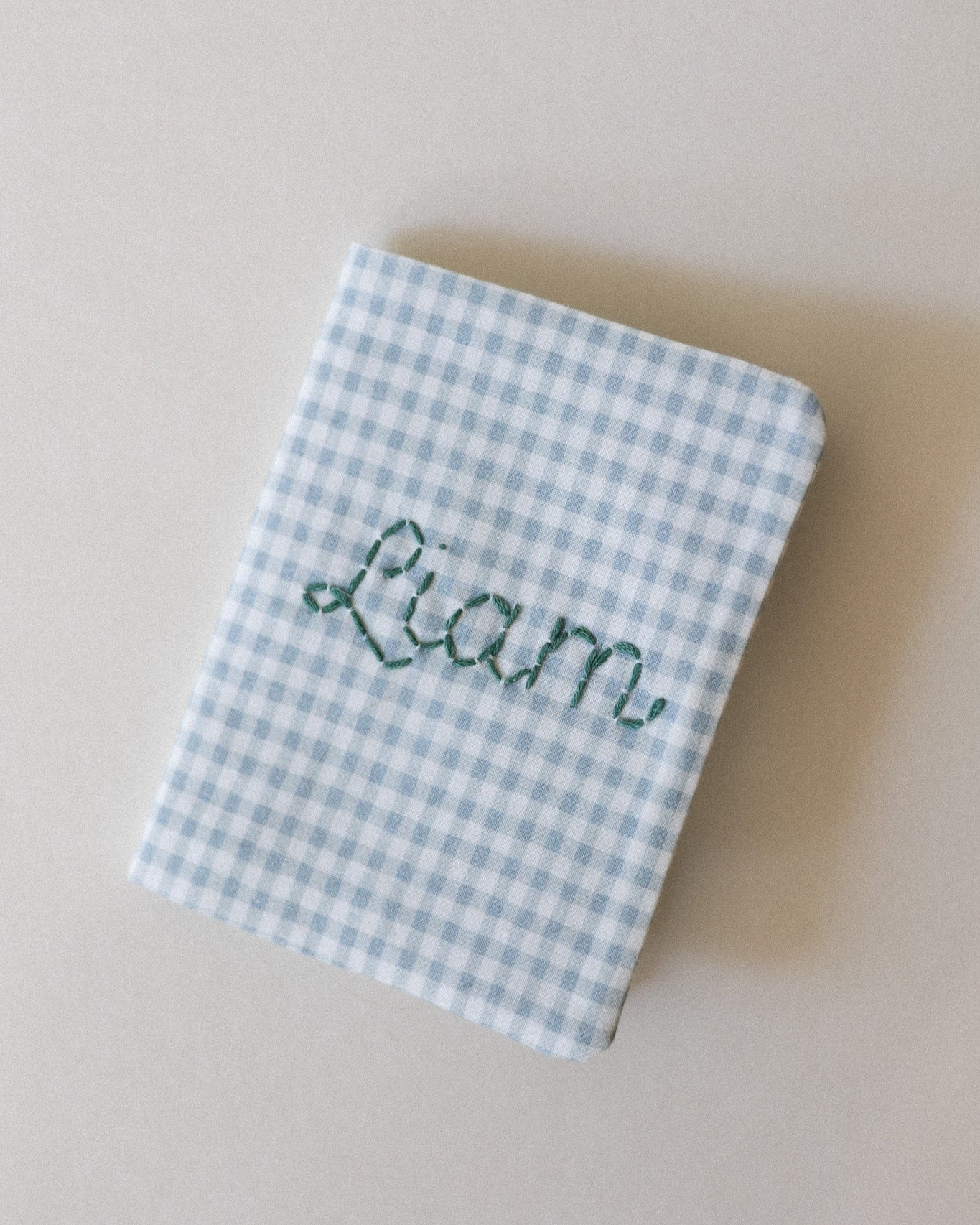
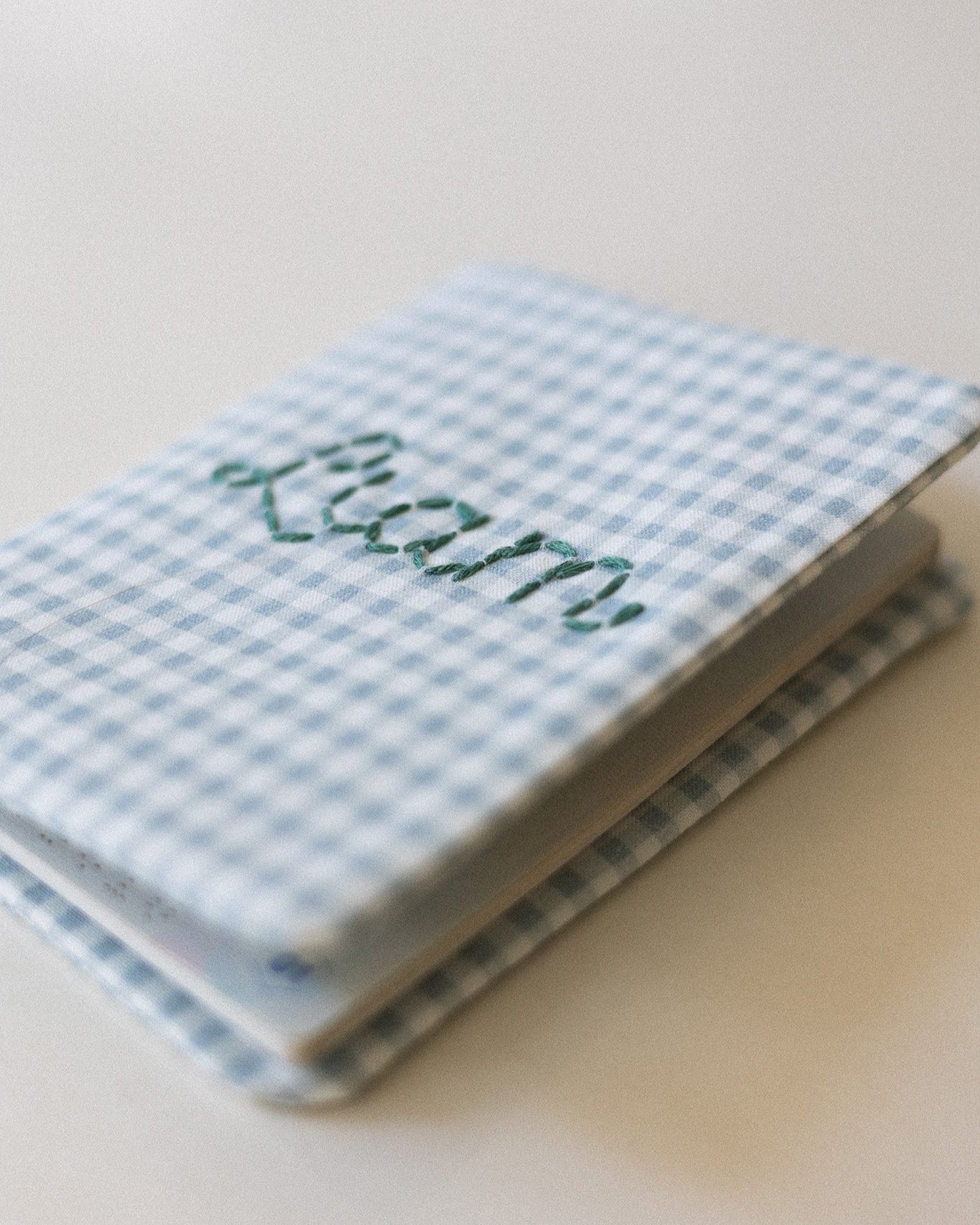
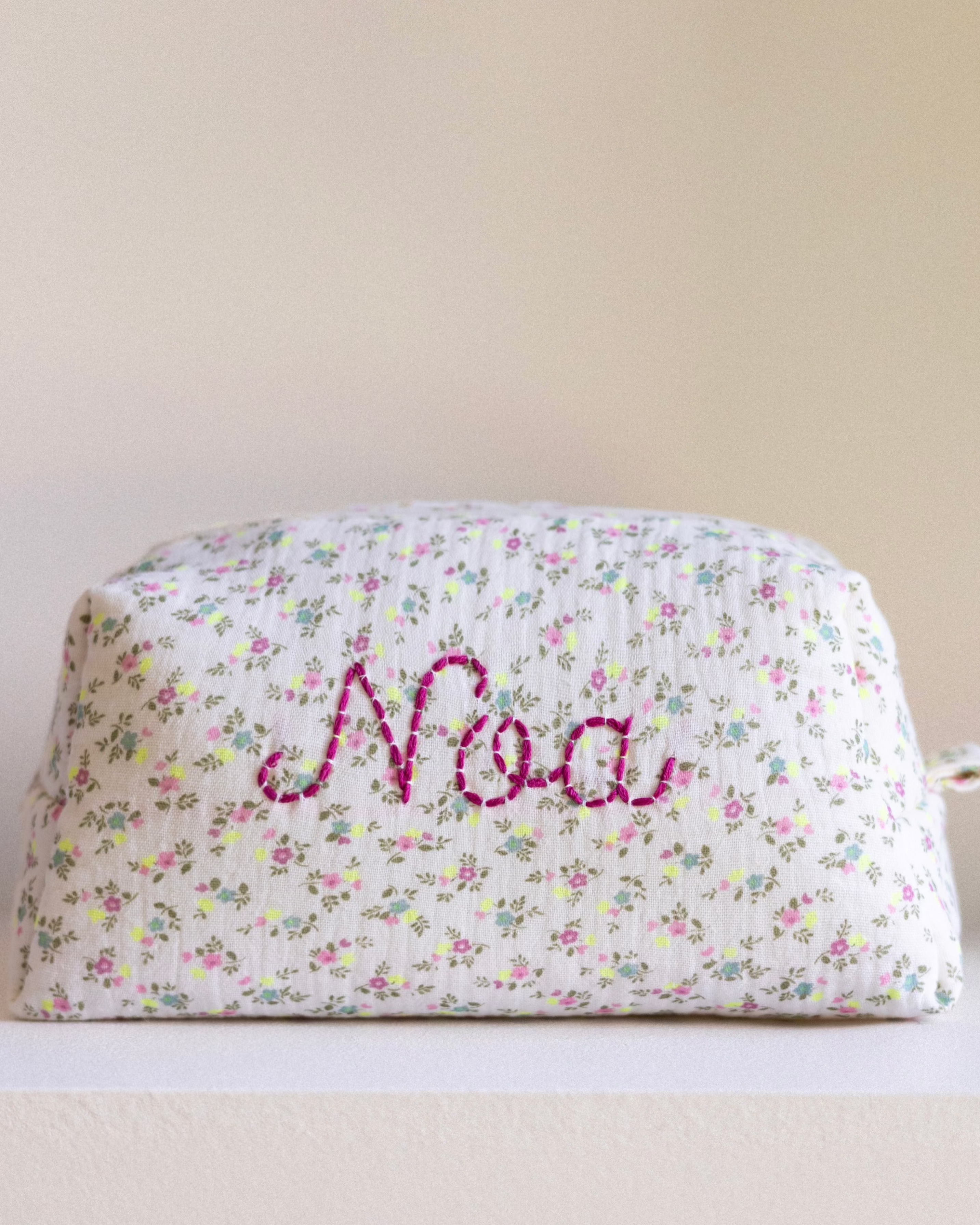
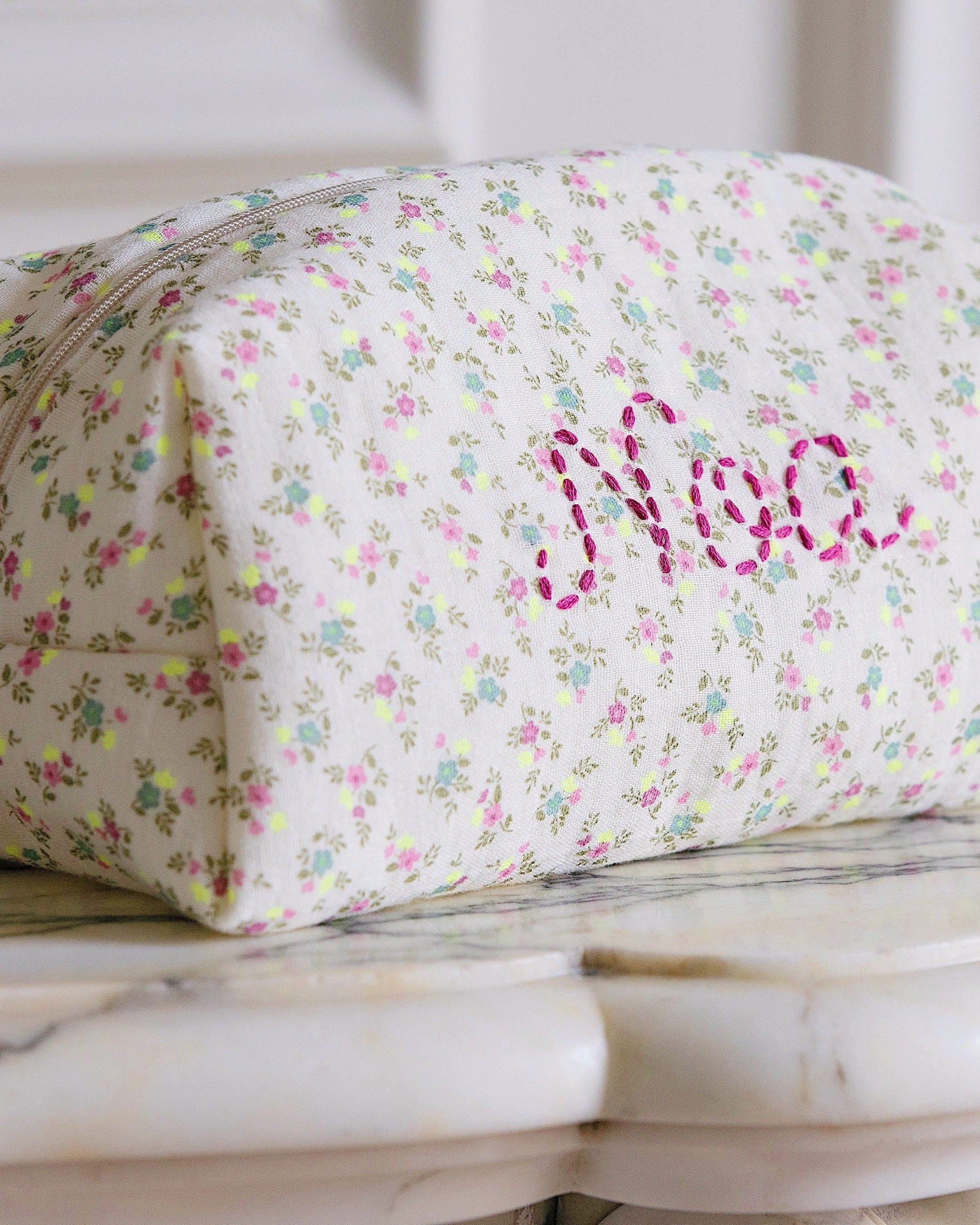
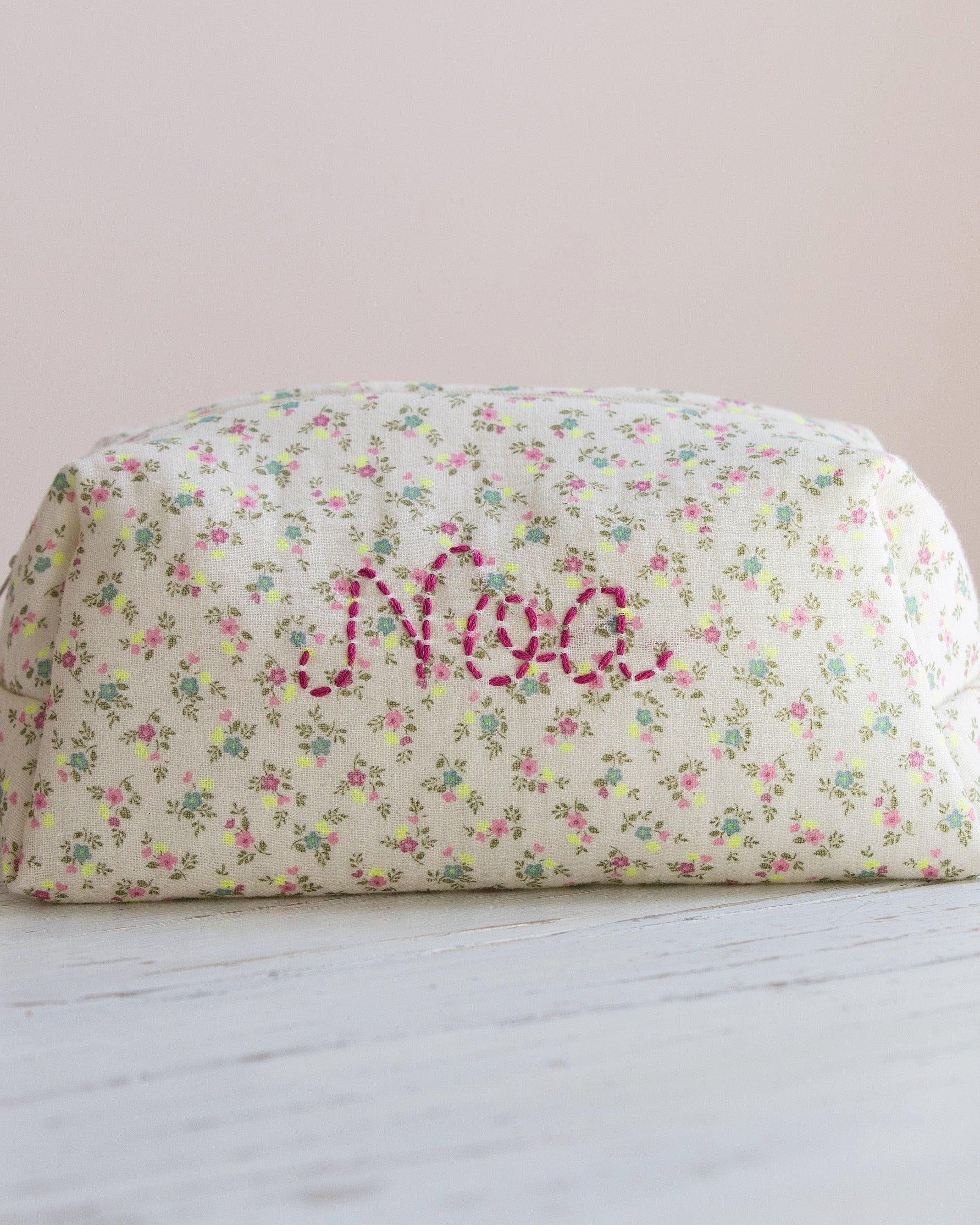
To round out the essentials before the birth, Cajou Paris offers baby items such as sleep sacks and customizable health record covers, useful for preparing for everyday life during the first months.
Feeding and Getting Around
Feeding equipment depends on the method you choose and varies from one family to another. It is best to have the basics ready, then add items after the birth if needed.
Travel needs also depend on the parents' daily lives. You may choose a stroller or baby carrier before the birth. If you will drive home from the maternity hospital or travel by car, an appropriate car seat must be available and installed correctly.
Finally, a diaper bag makes it easy to gather diapers, spare clothes, muslin cloths, and other essentials for outings.

Which Baby Purchases Can Wait?
You do not have to buy everything before the baby is born. You can choose some accessories gradually based on your child's development and your family's daily routine.
|
Item |
Before birth |
Can wait |
Why? |
|
Safe sleeping space |
Yes |
Needed as soon as you come home |
|
|
Sleep sack |
Yes |
Used for sleep |
|
|
Car seat if traveling by car |
Yes |
Needed for the trip home |
|
|
Clothes for the first months |
Yes, in reasonable quantities |
Needed right away |
|
|
Stroller |
Depends on daily routine |
Depends on daily routine |
Depends on how you travel |
|
Complete nursery decor |
Yes |
No urgency |
|
|
Lots of toys |
Yes |
Limited need at first |
|
|
Clothes in several sizes |
Yes |
Growth is hard to predict |
|
|
Specialized equipment |
Yes |
Usefulness depends on actual needs |
Waiting a few weeks for certain purchases often means buying less and, more importantly, choosing equipment that truly suits your child and circumstances.
When Should You Start Preparing for a Baby?
There is no exact date when all preparations need to begin. The simplest approach is to make steady progress throughout pregnancy rather than cram all the planning and shopping into the final weeks.
|
Stage |
Priorities |
What can wait |
|
Early pregnancy |
Prenatal care, maternity hospital, leave, childcare, budget |
Decor and nonessential purchases |
|
Midpregnancy |
Essential gear, sleeping space, clothes, transportation |
Nonessential accessories |
|
Late pregnancy |
Hospital bag, meals, groceries, laundry, return home |
Equipment you can buy after the birth |
Early Pregnancy: Make the Big Decisions
The early months are a time for decisions that will matter several months later: prenatal care, where to give birth, work arrangements, leave, budget, and initial thoughts about childcare.
You do not need to start shopping immediately. Some arrangements are worth making early, however, especially if childcare places are limited or you need to make a significant change at home.
Midpregnancy: Get the Baby Essentials Ready
The middle of pregnancy is a good time to begin purchasing essentials and setting up the home gradually. You can choose the sleeping space, changing supplies, first clothes, stroller, and car seat.
Making a list helps avoid impulse purchases. With a first baby, it is tempting to own everything before the birth, even though many accessories can be chosen later based on the parents' routines and the child's actual needs.
Late Pregnancy: Focus on the Return Home
As the birth approaches, preparations go beyond equipment. You can finish packing your hospital bag, install the car seat if you will use a car, and stock up on remaining essentials.
This is also the time to plan daily life: a few meals prepared in advance, groceries bought, clean laundry, and a clear plan for the first days can greatly reduce demands when you come home.

What Paperwork Should You Plan Before Your Baby Arrives?
Some administrative steps can be anticipated during pregnancy. In particular, check the leave available to each parent, potential entitlements and benefits, coverage under your supplemental health plan, and procedures for your intended childcare arrangement.
Before the birth, check:
-
The terms of maternity, paternity, or other parental leave available to you;
-
Any benefits your household may be entitled to;
-
The application process for your chosen childcare option;
-
Documents required by the maternity hospital;
-
Any steps required by your supplemental health insurer;
-
Depending on your family circumstances, any paperwork required before the birth.
After the birth, several steps generally follow: registering the birth, adding the child to France's public health insurance system, notifying Caf, adding the child to supplemental insurance, and informing employers where necessary.
Because rules, deadlines, and eligibility requirements can change, verify exact administrative information directly on the relevant official websites.
Prepare for Your First Baby Without Trying to Predict Everything
Preparing for a baby involves more than filling a room with equipment. For a first child, the most useful preparations are those that cover essential safety needs and make the first weeks as simple as possible.
By taking things step by step during pregnancy, you can prepare equipment, your home, paperwork, childcare, and especially the return home without trying to anticipate every detail. What matters is having a sound enough plan to adapt to your baby's actual rhythm and needs.