

Setting a reception table is not just about lining up plates, glasses and cutlery. A successful table should create a genuine experience for guests. It contributes to the atmosphere of the event, facilitates service, enhances the meal and helps everyone feel welcomed in a carefully prepared setting.
To understand how to set a reception table, you need to find the right balance between elegance, comfort and functionality. Spectacular decoration can lose its value if it gets in the way of conversation between guests. Conversely, a table that is too plain may lack character for a wedding, corporate dinner, birthday or private reception.
The aim is to create a harmonious table, suited to the venue, the number of guests and the level of formality of the event.
The essential rules for setting a reception table properly
Before thinking about decorative details, it is necessary to define the type of reception being organized. A seated dinner, wedding meal, family lunch, business evening or buffet will not have the same requirements. The table setting should always be consistent with the format of the event.
For a seated reception, each guest must have enough space to eat comfortably. You need to allow room for the plate, glasses, cutlery, napkin, bread and any decorative elements. An overcrowded table can quickly become uncomfortable, especially when the meal includes several courses.
The table must also remain easy to understand. Guests should naturally know where to sit, which glasses to use and in what order to use the cutlery. A beautiful reception table often relies on a simple, well-considered composition, then enhanced with a few strong elements: an elegant tablecloth, quality tableware, low floral arrangements, candles, menus or place cards.
To keep the table balanced, it is best to follow a few principles:
- Leave enough space between each place setting;
- Avoid centrepieces that are too tall;
- Choose a limited colour palette;
- Adapt the number of glasses to the menu;
- Use decorative elements that are consistent with the venue;
- Ensure smooth circulation around the tables.
The success of the table setting therefore depends as much on aesthetics as on use. A reception table should look beautiful before the guests arrive, but also remain comfortable throughout the meal.
Plate placement
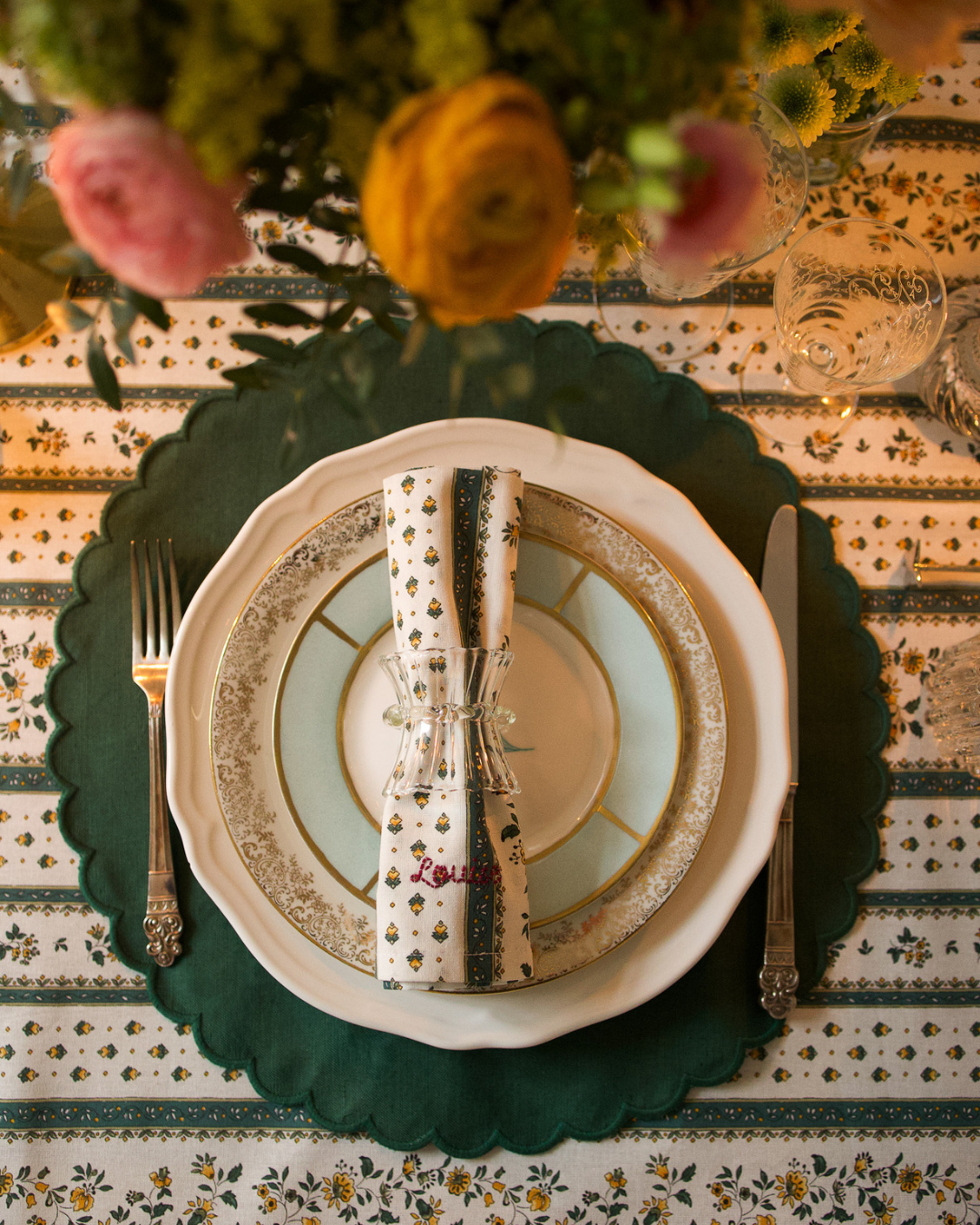
The main plate is placed in the centre of each setting, generally one or two centimetres from the edge of the table. For an elegant reception, you can add a charger plate. It immediately creates a more refined impression and visually structures each place setting.
The charger plate is not always used for eating. It mainly serves as a decorative base at the beginning of the meal and may be removed during service. For a simpler table, a beautiful dinner plate is enough, provided it is clean, well centred and consistent with the rest of the tableware.
If bread is served, a small bread plate can be placed at the top left of the setting. This detail reinforces the polished character of the table, particularly for a formal dinner or a business reception.

Cutlery placement
Cutlery is arranged according to a simple rule: it is used from the outside in. The cutlery intended for the starter is therefore placed on the outside, while the cutlery for the main course is closer to the plate.
Forks are placed to the left of the plate. Knives are placed to the right, with the blade facing the plate. Spoons, when needed, are also positioned on the right. Dessert cutlery can be placed above the plate or brought out with dessert, depending on how formal the reception is.
To avoid overloading the table, there is no need to set out cutlery that will not be used. An elegant table setting is, above all, a logical one.
Glass placement
Glasses are placed at the top right of the plate. For a classic reception, you can provide a water glass, a red wine glass and a white wine glass. The water glass, often larger, is placed slightly farther back. The wine glasses can then be arranged diagonally or in a line, depending on the available space.
The number of glasses should remain consistent with the meal being served. For a simple reception, one water glass and one wine glass may be sufficient. For a more formal dinner, several glasses add a more sophisticated touch and avoid the need to replace them during service.
It is also preferable to use carafes rather than placing plastic bottles directly on the table. This detail may seem secondary, but it contributes greatly to the overall harmony.
Choosing the right table linen for the reception
Table linen immediately sets the tone for the reception. A white or ivory tablecloth evokes a chic, timeless atmosphere. A washed linen tablecloth creates a more natural and contemporary impression. A table runner can structure the composition without fully covering the material of the table, especially if it is made of wood or stone.
The choice depends on the desired style. For a formal reception, a long, well-ironed tablecloth remains a safe choice. For a more modern or rustic event, placemats, table runners and textured materials can create a more lively result.
Napkins also deserve special attention. Fabric napkins are more elegant than paper napkins and play a full role in the decoration. They can be placed on the plate, to the left of the forks or folded simply to keep the table understated.
For a harmonious result, it is advisable to coordinate:
- The tablecloth or placemats;
- The napkins;
- The colours of the tableware;
- The flowers or plant elements;
- The menus and place cards;
- Any metallic touches.
The aim is not to match everything perfectly, but to avoid visual contrasts that are too abrupt.

Creating elegant decoration without overloading the table
The decoration of a reception table should support the meal, not get in the way. Centrepieces that are too tall are often impractical because they block sightlines and make conversation between guests more difficult. For a seated reception, it is better to choose low arrangements distributed along the length of the table.
Flowers, candles, tealight holders, greenery, seasonal fruit or small decorative objects can create a refined atmosphere. However, the decoration must remain proportionate to the size of the table. On a long rectangular table, several small repeated elements often produce a better result than one imposing centrepiece.
Candles should be used in moderation. They create a warm atmosphere, but they must remain stable, safe and unscented. A candle with too strong a fragrance can interfere with the enjoyment of the meal.
For an elegant reception table, it is best to choose a short palette made up of two or three main colours. Neutral tones such as white, ecru, beige, light grey or sage green work very well. Gold, silver or copper touches can reinforce the festive feel, provided they remain discreet.
Adapting the table setting to the type of reception
Not all receptions require the same level of table setting. For a wedding, the table often needs to fit into a broader scenography: flowers, stationery, seating plan, place cards, guest gifts and room decoration should form a coherent whole.
For a business reception, sobriety is generally preferable. It is best to favour a clear, elegant, functional and uncluttered table. Guests should be able to talk easily, place a notebook down if needed or read a menu without being hindered by the decoration.
For a birthday or private reception, the table can be more personalized. Colours, place cards, menus or small decorative details can reflect the personality of the person being celebrated or the theme of the event.
For a rustic reception, natural materials are particularly suitable: linen, cotton, wood, seasonal flowers, stoneware tableware, foliage and soft tones.
For a chic reception, it is better to choose understated tableware, fine glasses, a light-coloured tablecloth, elegant flowers and more refined finishes.
The service format should also guide the table setting. Plated service keeps the table more pared back, while a meal with shared dishes requires more space in the centre. For a buffet, the table setting is approached differently: plates, glasses, napkins and cutlery must be positioned fluidly to make guest circulation easier.
Planning the seating plan and practical details
For a reception with many guests, the seating plan plays an essential role. It avoids hesitation when guests arrive at the table and helps organize interactions between them. Place cards are particularly useful for weddings, business dinners, gala meals or large family gatherings.
Printed menus also add a polished touch. They allow guests to discover the sequence of the meal and reinforce the impression of a carefully prepared reception. They can be placed on the plate, slipped into the napkin or positioned beside the place setting.
Practical elements also need to be anticipated: access to water carafes, the position of bread baskets, space for service, distance between tables and guest circulation. A successful table should not be judged only by how it looks at the beginning of the reception. It must remain comfortable once guests are seated and service has begun.

Mistakes to avoid when setting a reception table
Some mistakes can reduce guest comfort or weaken the elegance of the table.
The most common is overloading the decoration. Too many flowers, too many colours, too many candles or too many objects can create a confused impression.
You should also avoid tables that are too crowded. Even if the aim is to welcome as many guests as possible, a lack of space can make the meal unpleasant. Guests must be able to move, use their cutlery and converse without feeling constrained.
Another frequent mistake is multiplying elements without coherence. An elegant table relies on a clear visual direction. The linen, tableware, glasses, flowers and decoration should belong to the same visual universe.
Finally, avoid focusing only on aesthetics. A reception table should be beautiful, but also practical. Guests should be able to talk, serve themselves, set down their glasses and enjoy the meal in good conditions.
A successful reception table setting combines elegance and comfort
Setting a reception table well means creating a balance between the codes of tableware, the desired atmosphere and guest comfort. The placement of plates, cutlery and glasses forms the basis of the setting, but success also depends on the choice of linen, decoration, circulation and adaptation to the type of event.
A beautiful table does not need to be excessive to be memorable. Above all, it should be coherent, welcoming and designed around the guest experience. By taking care of every detail without overloading the whole, a simple meal can become a true reception moment.
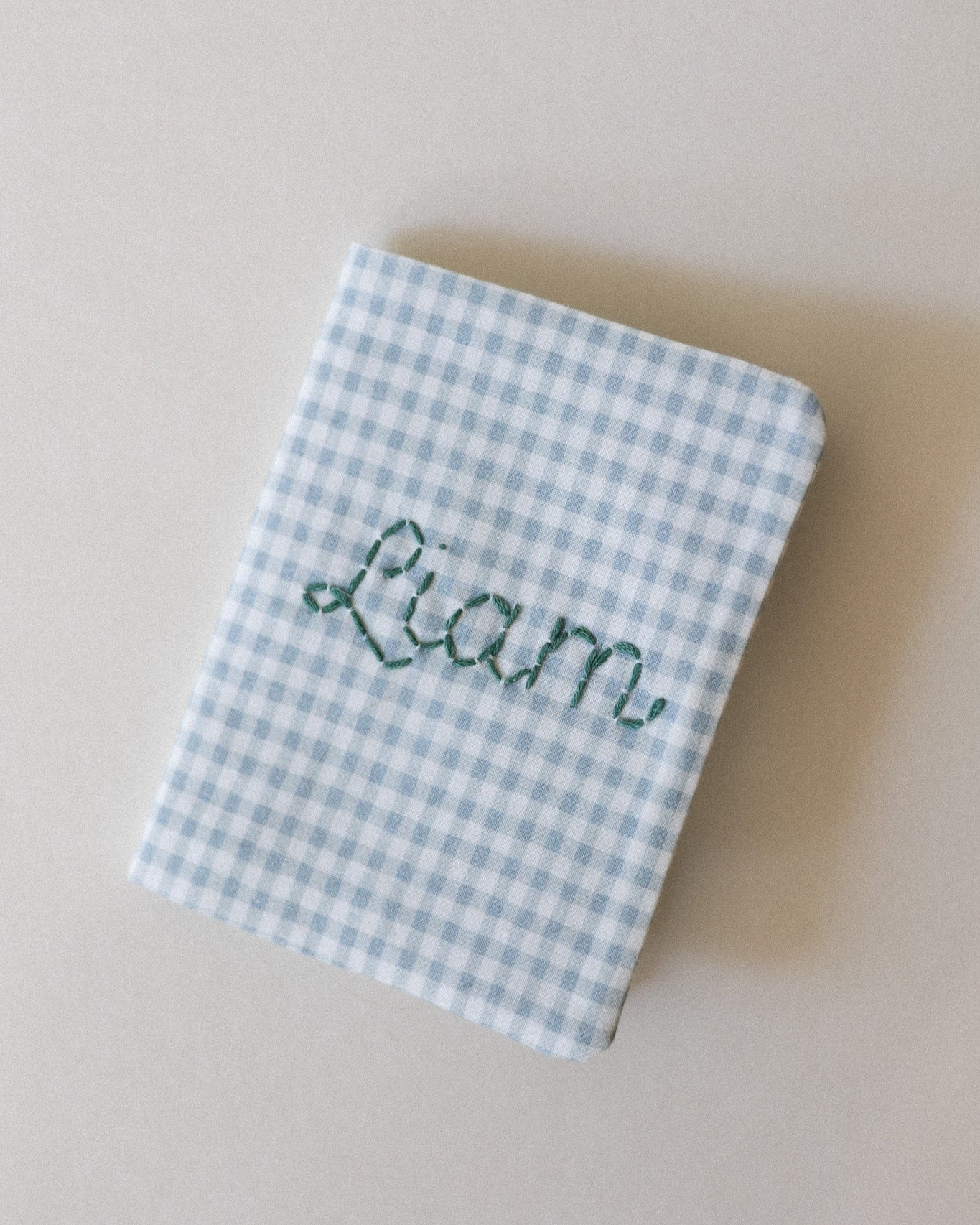
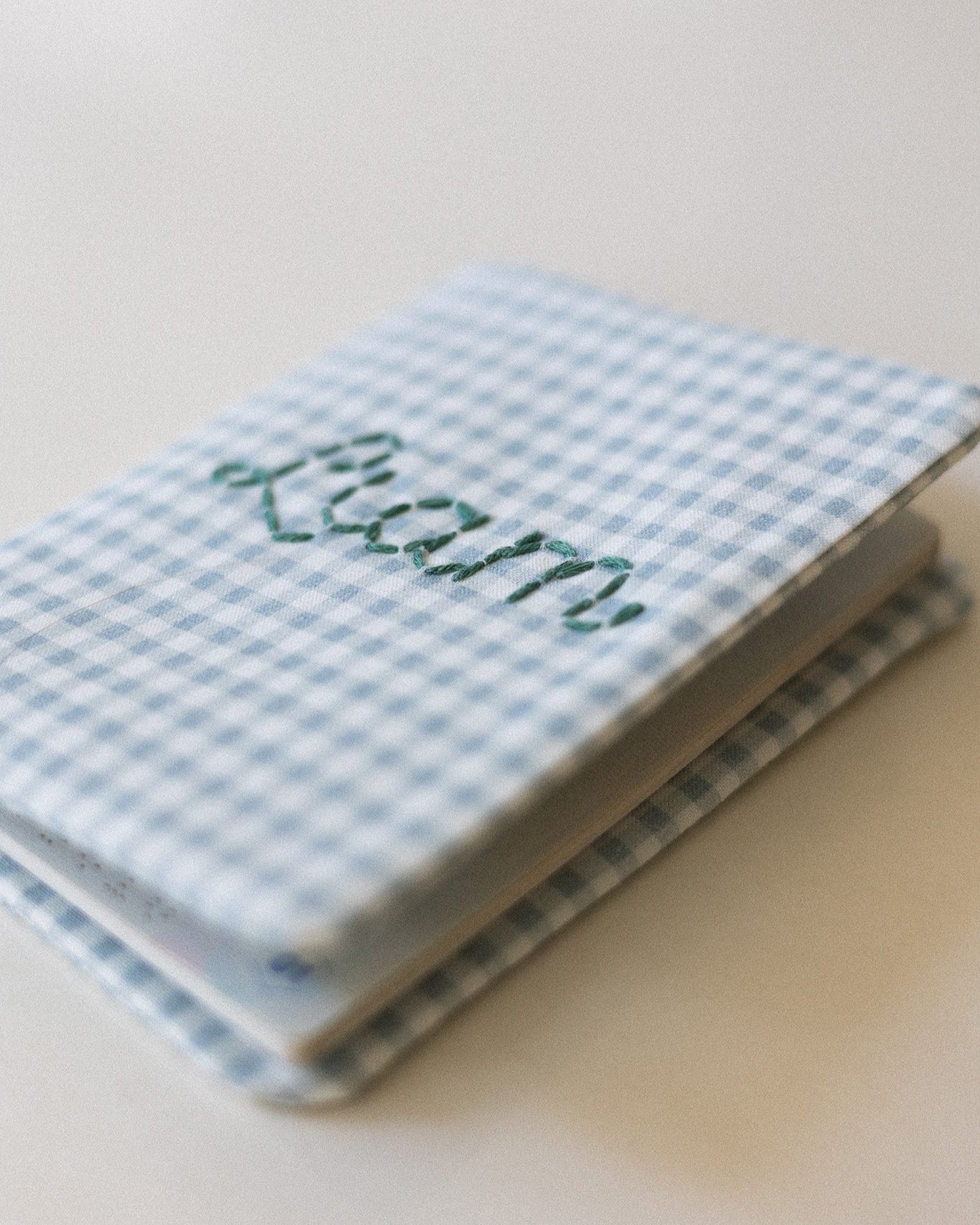
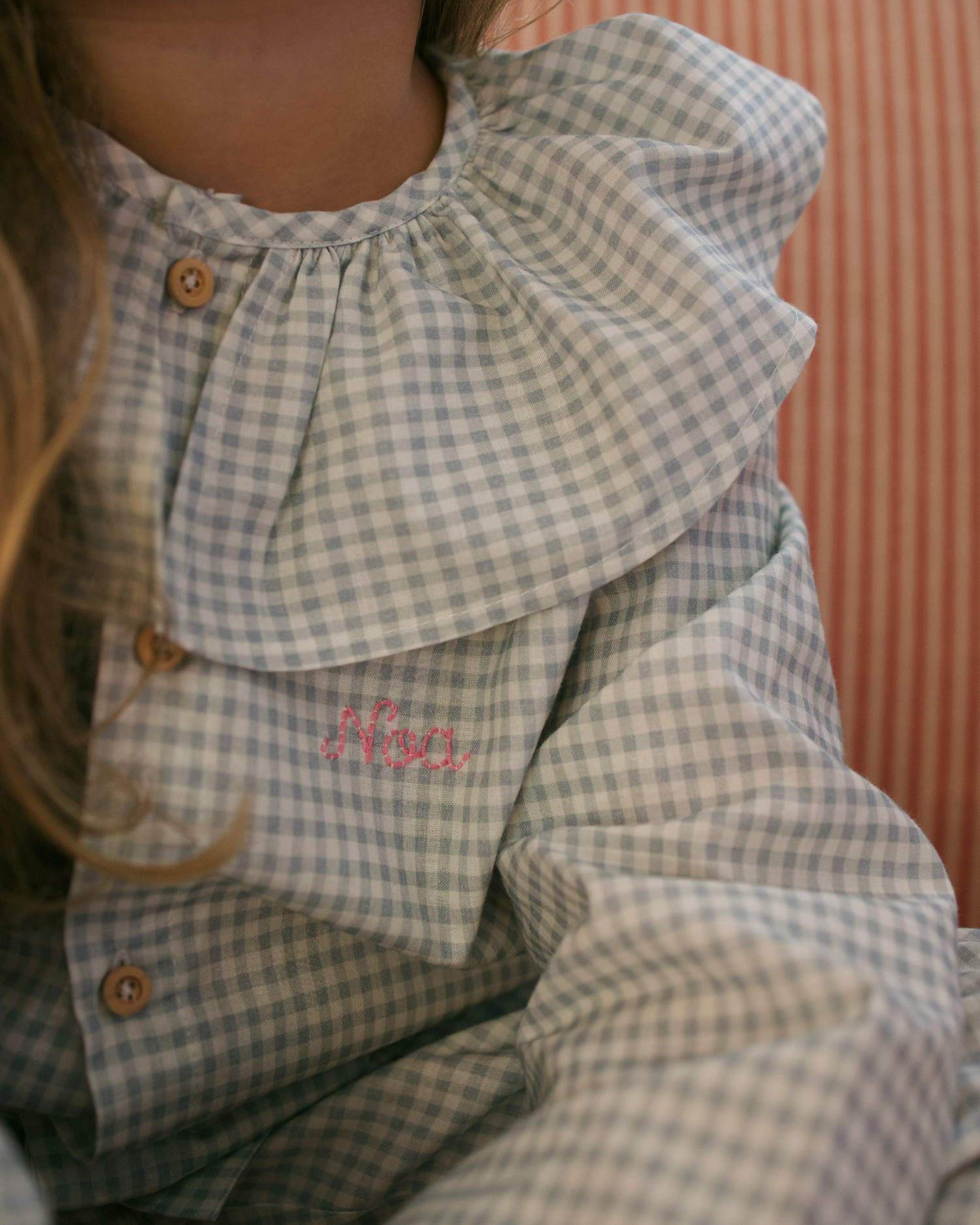
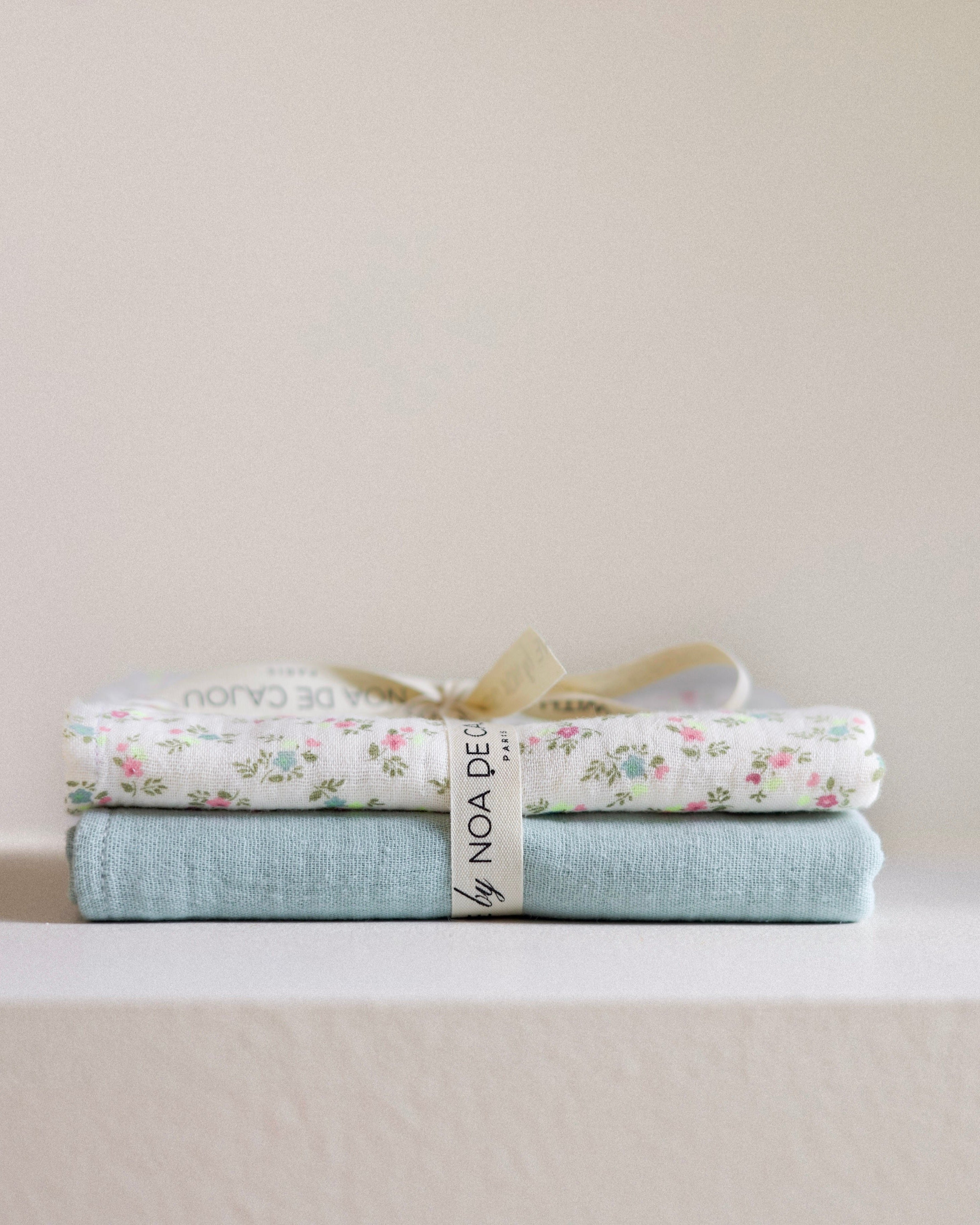
Table linen, whether tablecloths, napkins or placemats, will almost always define the main colours of your reception table. Cajou Paris’s elegant, customizable table linen selection can therefore become a solid and adaptable foundation on which to base the rest of your table setting.