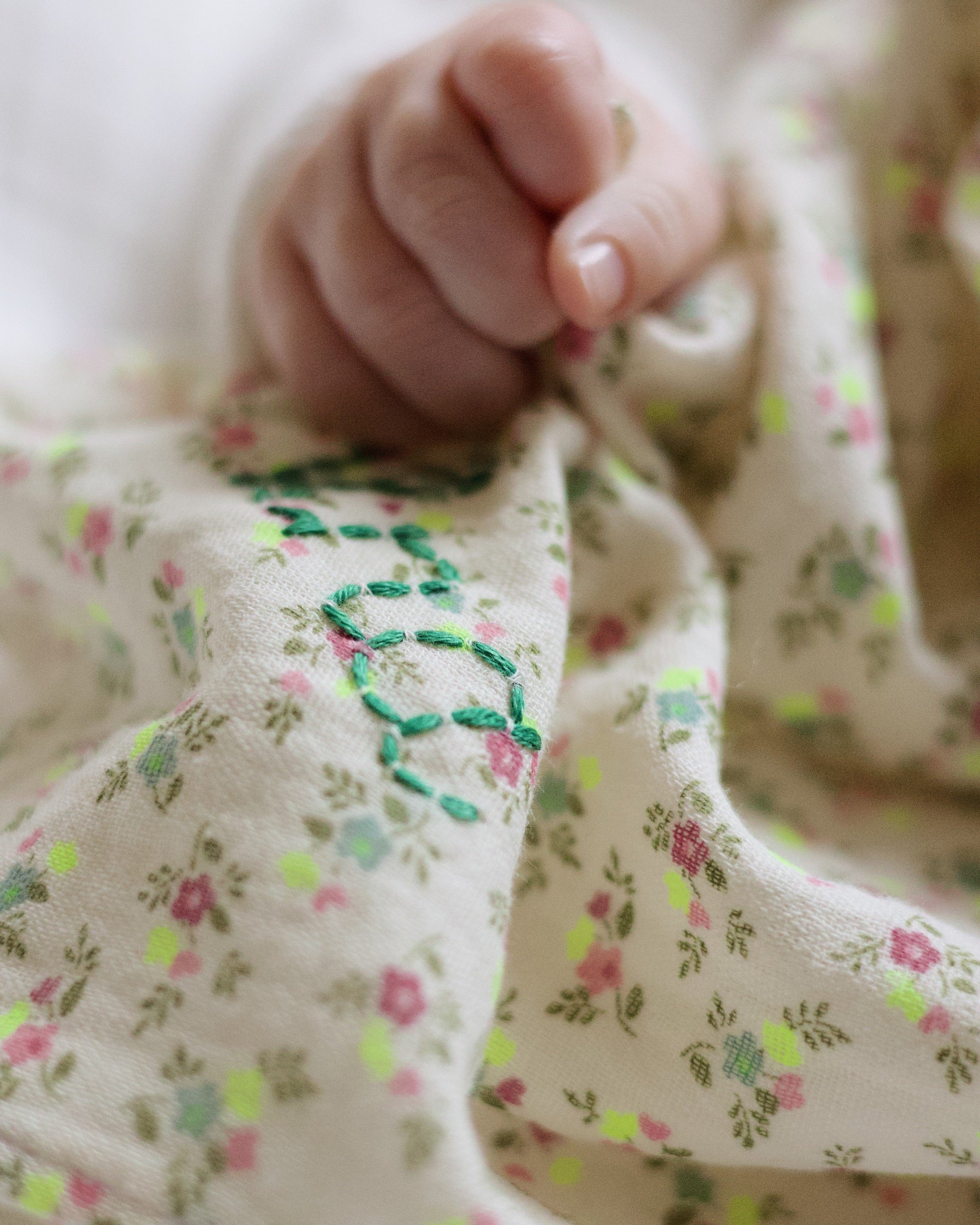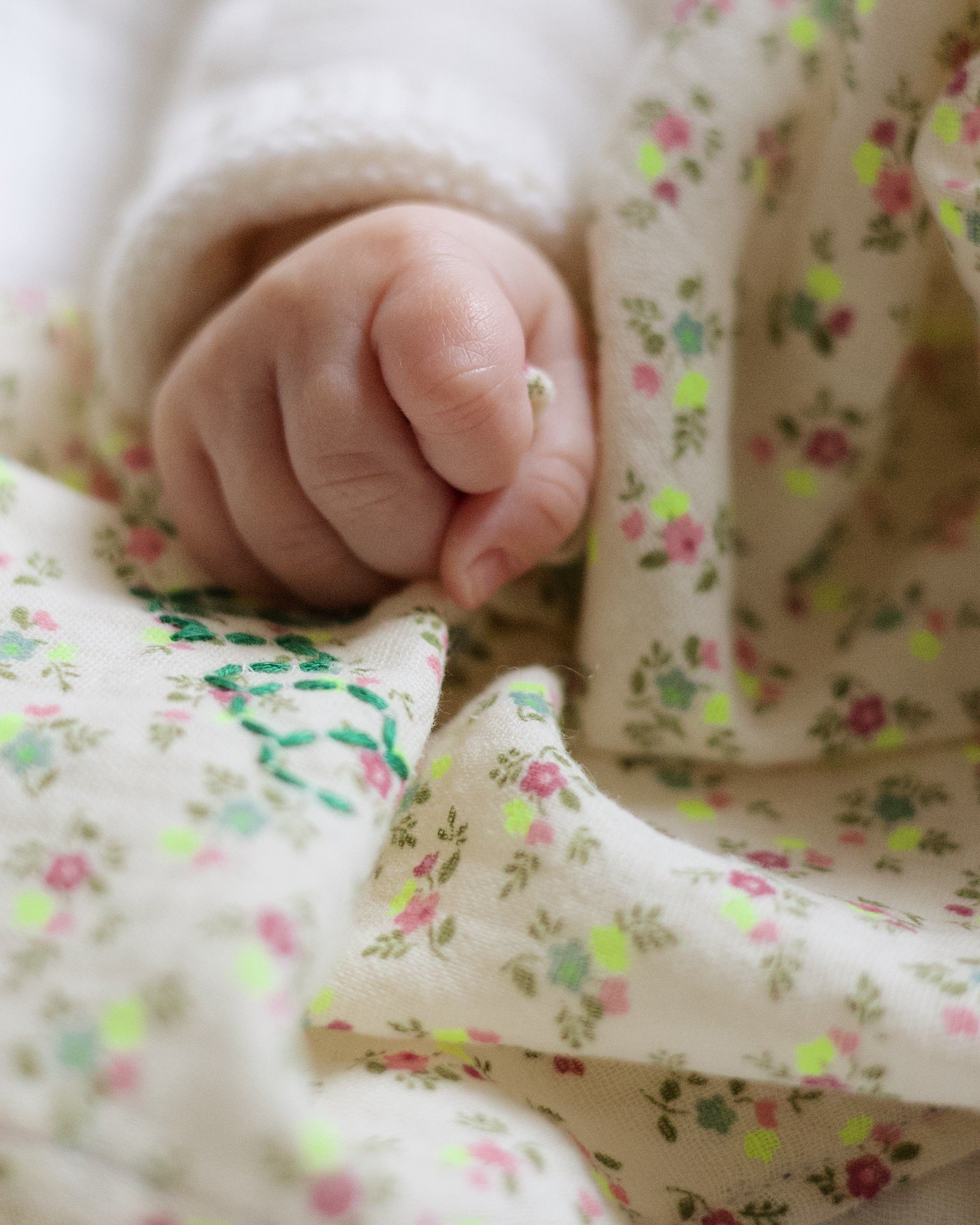


When you have sensitive skin, choosing pajamas is not just a matter of style or season. The fabric becomes a central criterion.
Redness, itching, overheating sensations, nighttime discomfort: certain textiles can intensify these issues, especially when the skin is thin, reactive or prone to eczema, as is often the case for children and babies.
A good pair of pajamas should work with the skin, allow it to breathe and limit friction. This applies to adults, but even more so to children and babies, whose epidermis is more fragile.
Understanding the differences between fibers allows you to make an informed, long lasting and genuinely comfortable choice.
How does sensitive skin react to pajama fabrics?
Sensitive skin mainly reacts to three factors: friction, moisture and irritating substances. During the night, the body naturally perspires. If the fabric traps heat or moisture, it can create an environment that encourages irritation.
Natural, breathable fabrics allow for better air circulation, absorb moisture and reduce the risk of overheating.
Conversely, some synthetic textiles can create an occlusive effect that prevents the skin from breathing properly.
For sensitive skin, which fabrics should you prioritize in pajamas?
Organic cotton
Organic cotton is one of the most recommended fabrics for sensitive skin. It is:
· Soft and breathable
· Hypoallergenic
· Grown without pesticides or harsh chemicals
· Suitable for delicate baby and adult skin
Its ability to let air circulate helps regulate body temperature and limit nighttime moisture. Organic cotton is particularly valuable when combined with a textile certification that guarantees the absence of harmful substances.
A cotton certified OEKO TEX Standard 100 ensures that the finished textile has been tested for harmful substances such as chemical residues, irritating dyes and heavy metals. This certification applies to the final product and provides additional reassurance for sensitive skin.
The combination of organic cotton and OEKO TEX Standard 100 certification is therefore a particularly relevant choice for pajamas that are comfortable, environmentally conscious and suitable for fragile skin.

Alternative natural fibers
Certain natural or naturally derived fibers may also be suitable:
Silk, naturally smooth and temperature regulating, helps limit friction.
Bamboo, appreciated for its softness and absorbent qualities.
Modal or Tencel, known for their silky feel and effective moisture management.
Linen, ideal in summer thanks to its natural freshness.
Each material has its own characteristics, but they share one important trait: when well made, they are far less irritating to the skin than purely synthetic fibers.
Pajama ideas suitable for sensitive skin
Different body types may have different needs.
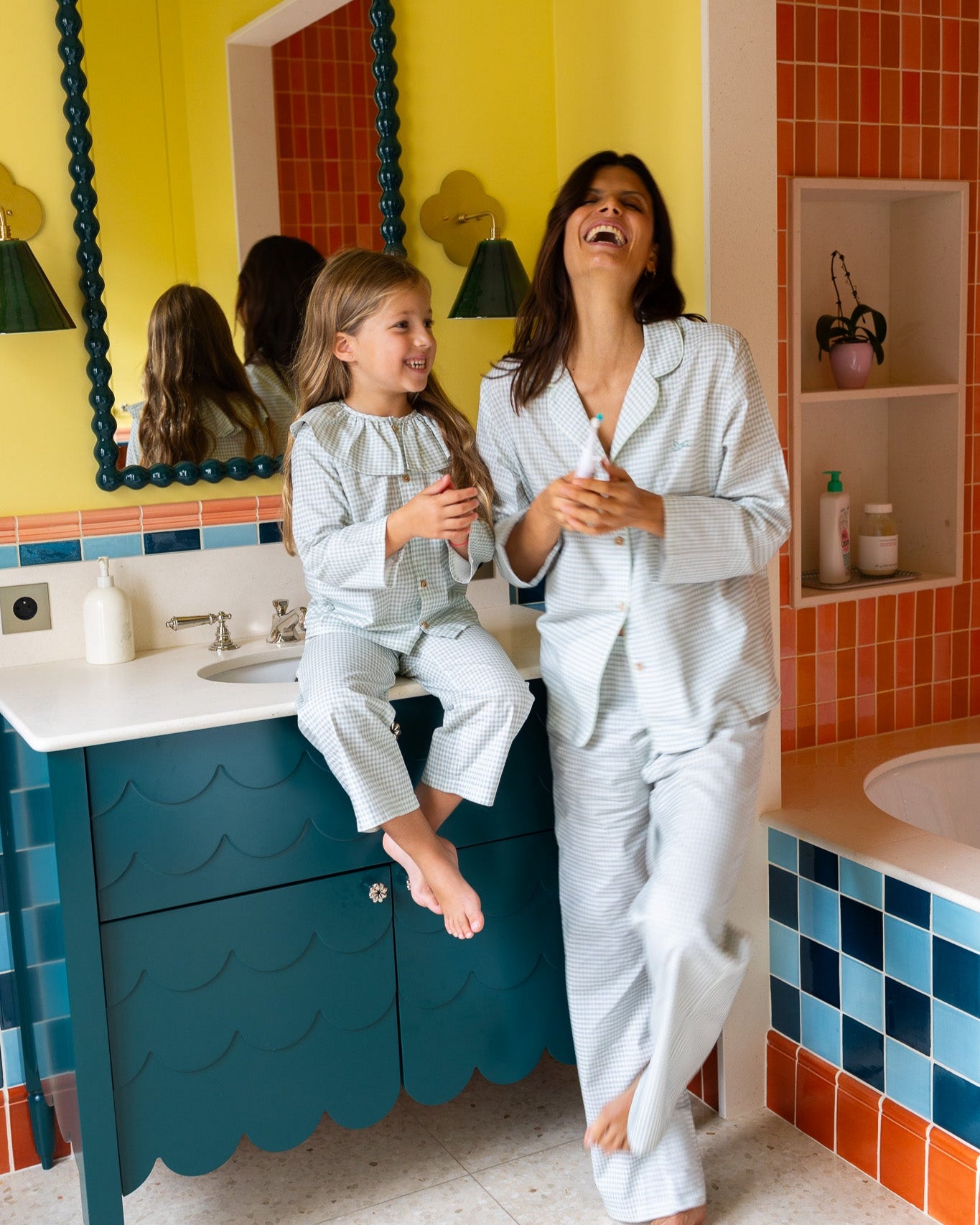
For adults: organic cotton pajamas certified OEKO TEX, delicately woven and ideal for sensitive or reactive skin, such as the Pink Vichy Pajamas by Cajou Paris.
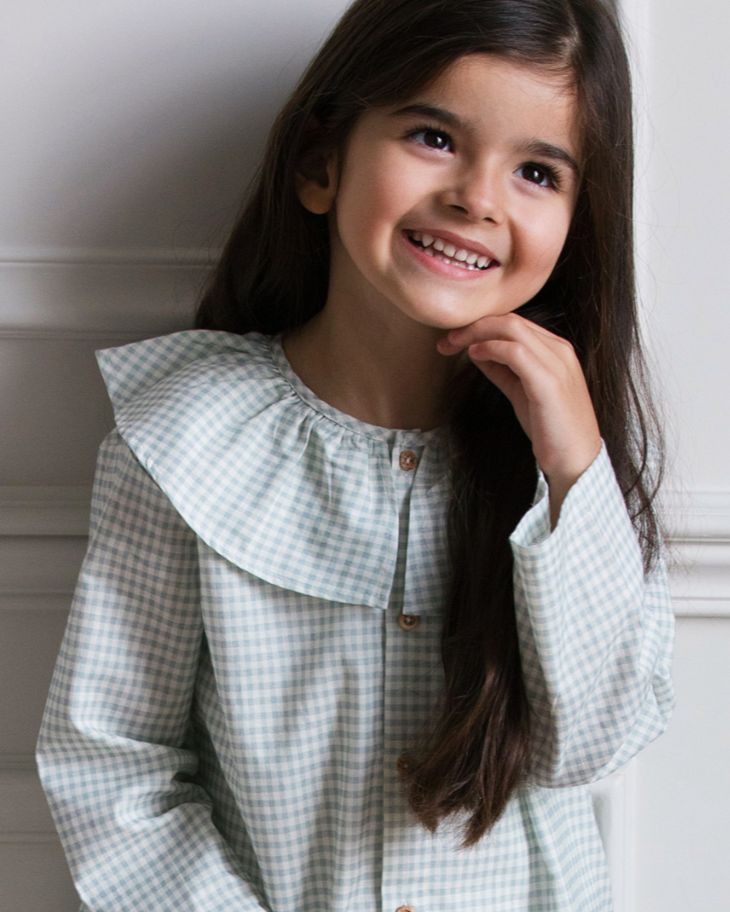
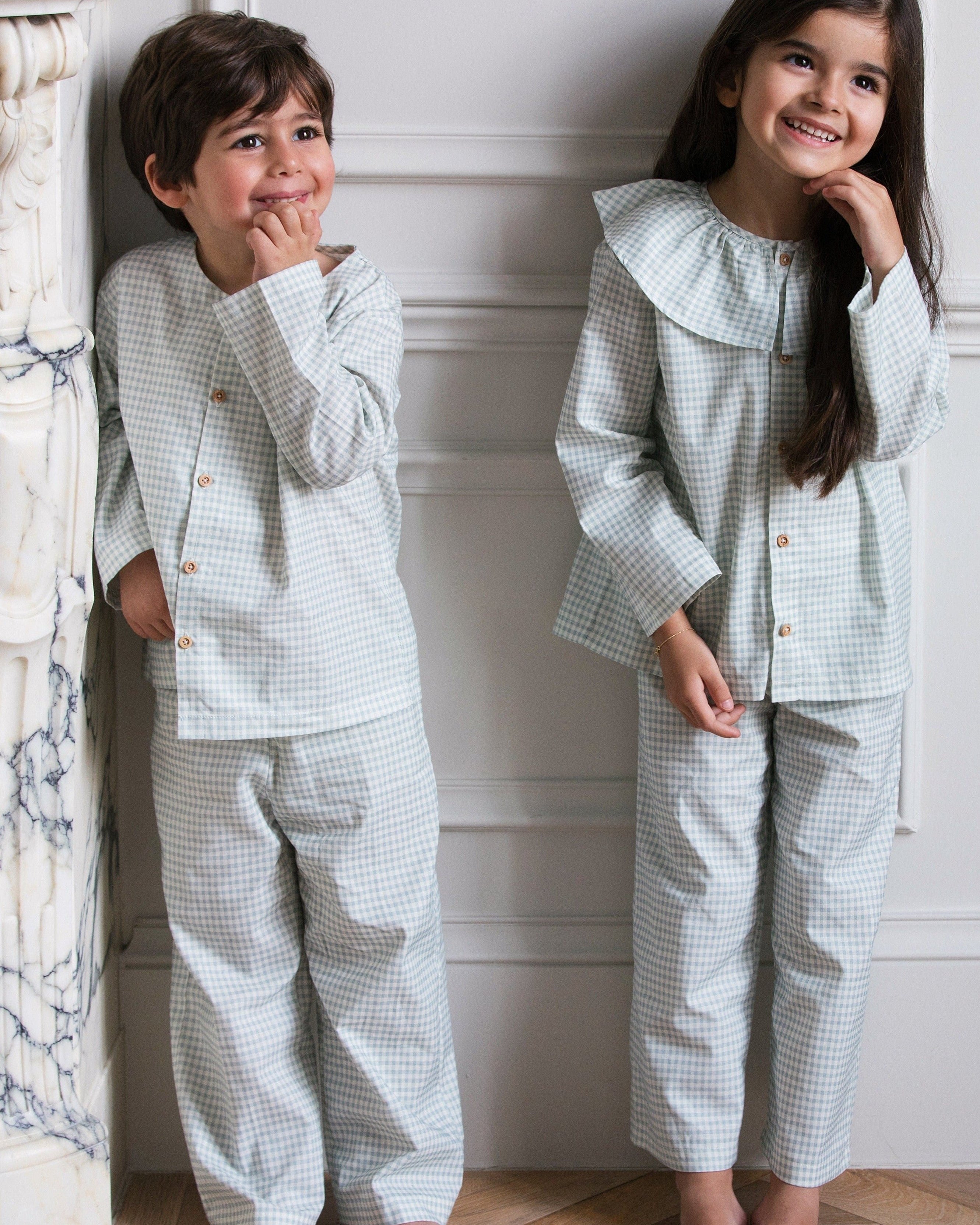
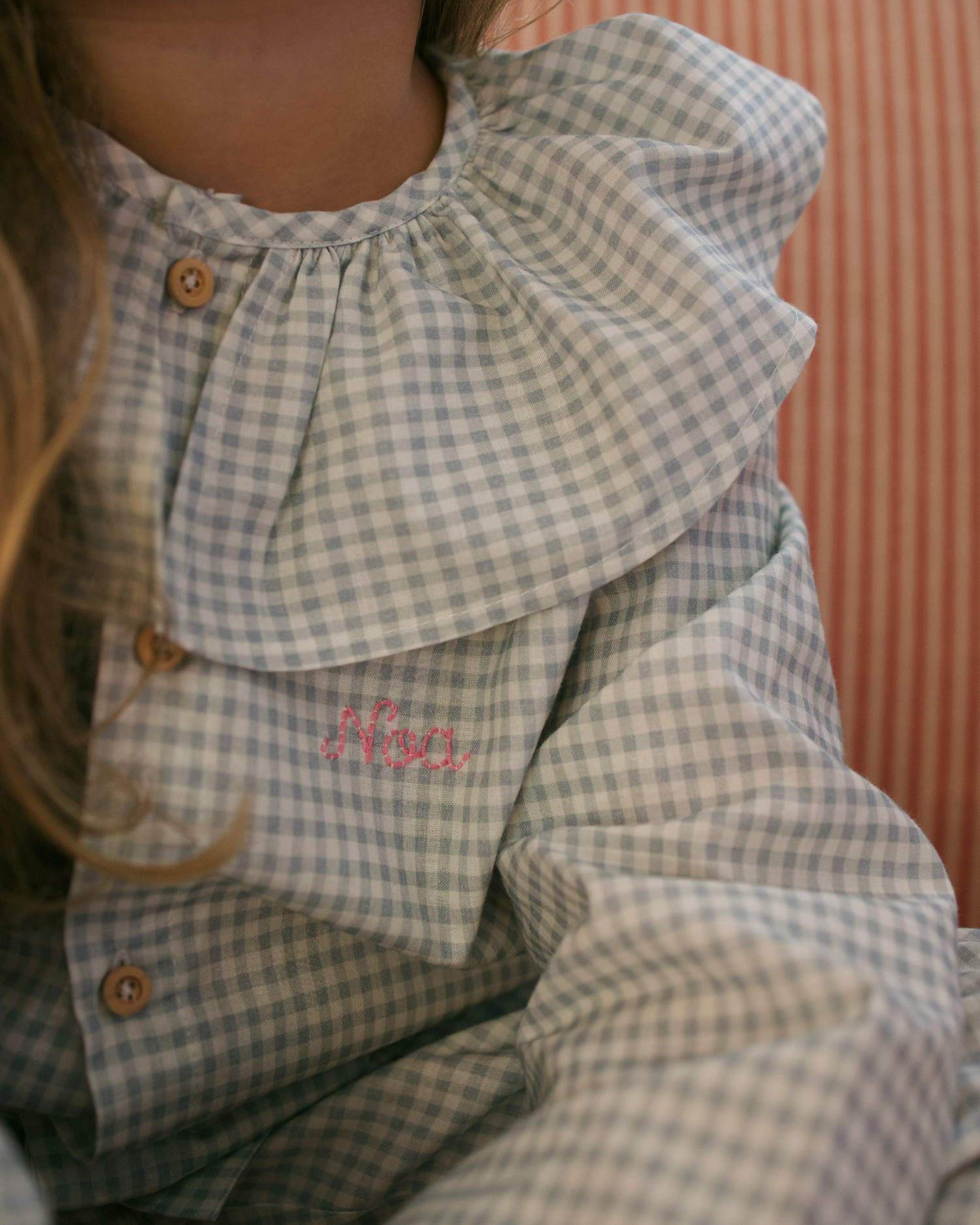
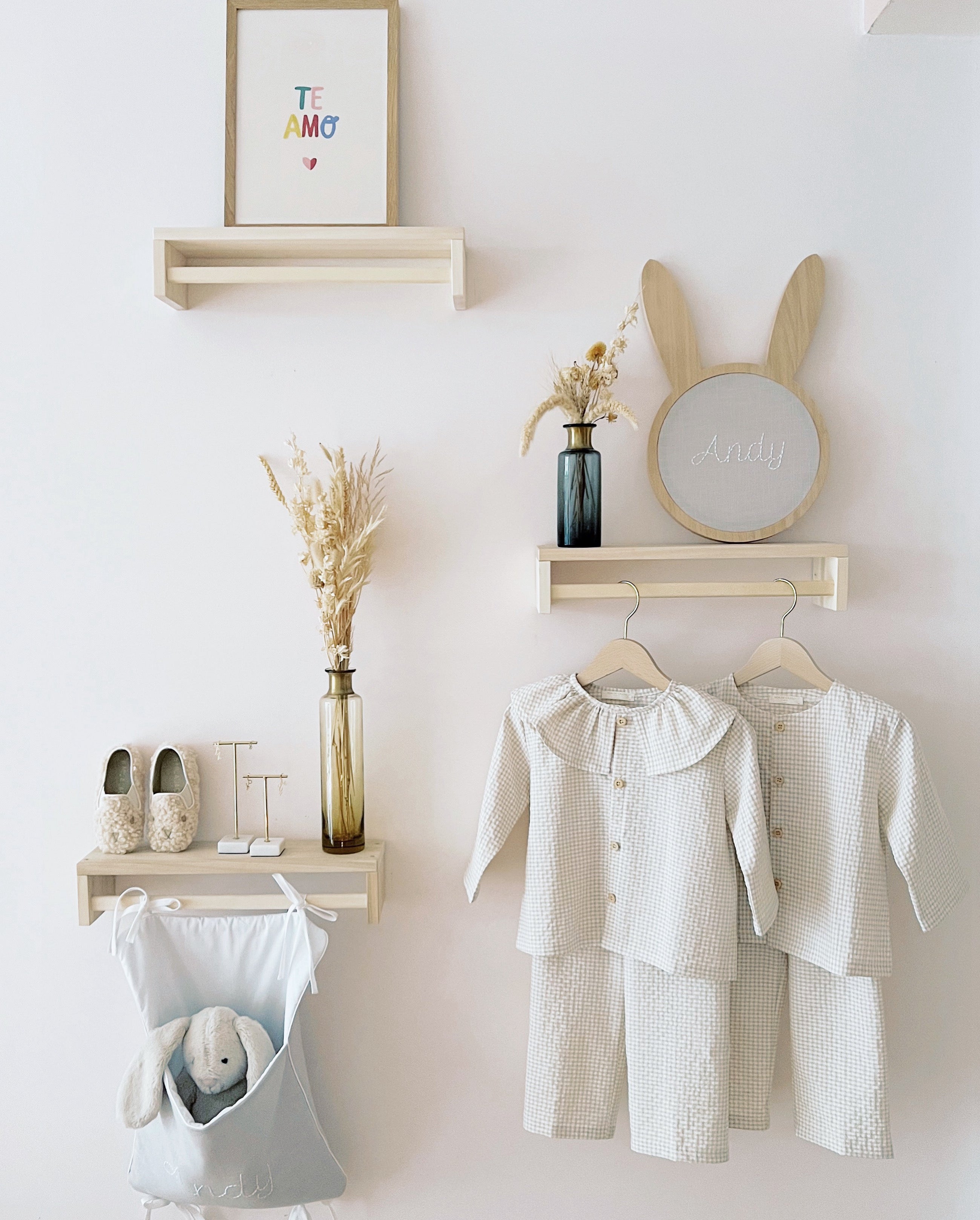
For children: colorful models in organic cotton that allow the skin to breathe and limit itching. The Daria girls’ pajamas by Cajou Paris, made from organic cotton certified OEKO TEX Standard 100, are a perfect example.
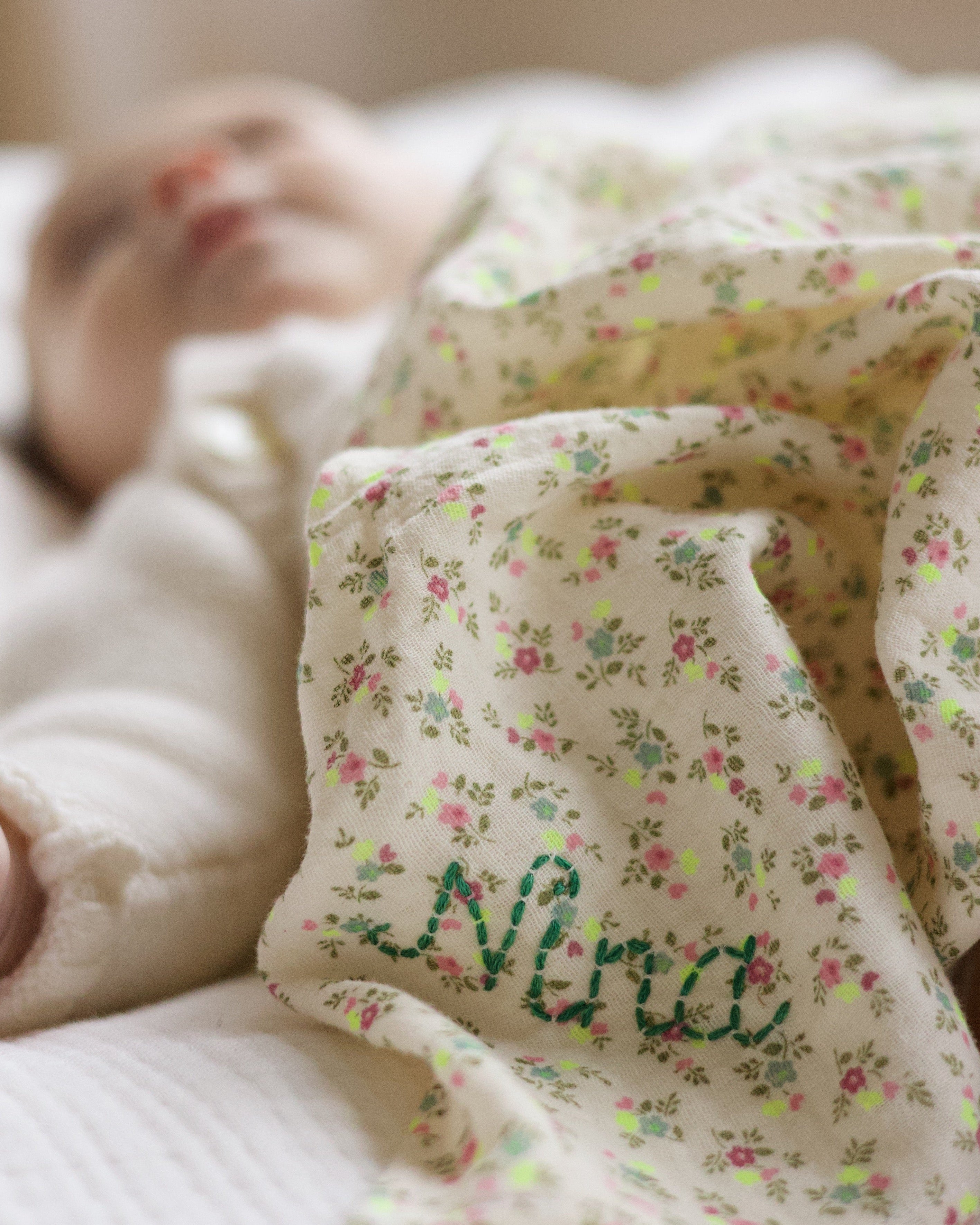
For babies: breathable, soft and secure pajamas supported by strict certifications, specifically designed for the delicate skin of infants. Cajou Paris’ Plumetis sleep sack meets all of these criteria.
Practical tips to protect sensitive skin
· Wash pajamas before first use with a mild, fragrance-free detergent.
· Avoid scented fabric softeners that leave an irritating film on fibers.
· Choose loose cuts without harsh seams or rigid labels.
Wash at low temperatures, around 86°F, to preserve fabric softness and limit the release of residues.
For sensitive skin, which pajamas should be avoided?
Synthetic fibers such as polyester, nylon or acrylic are often less suitable for sensitive skin, especially when used in high proportions.
They tend to trap heat and moisture, which can encourage irritation and discomfort. Their limited breathability may create a humid microclimate against the skin, worsening itching in individuals prone to eczema or skin reactions.
Be cautious with fabrics that have undergone numerous chemical treatments: wrinkle resistant finishes, non-certified antibacterial treatments, low quality dyes or formaldehyde residues.
Even if a fabric feels soft to the touch, the presence of irritating substances can trigger reactions after several hours of contact.
Blends containing a majority of synthetic fibers may also reduce the overall breathability of the garment.
Thick seams, rigid labels or overly tight elastic bands can increase friction and irritate the skin, regardless of the main fabric.
For sensitive skin, it is therefore not just about choosing a soft fabric, but about selecting a healthy, breathable and well-designed textile.

Every sensitive skin deserves the right pajamas
At Cajou Paris, fabric selection is designed to protect sensitive skins, especially that of babies and children.
The fabrics used for women’s, children’s and baby pajamas are certified OEKO TEX Standard 100, meaning they have been tested and recognized as free from harmful substances. They are also made from 100 percent organic cotton.
Choosing Cajou Paris pajamas means opting for safe, breathable fabrics adapted for delicate skin, while maintaining high aesthetic standards and careful craftsmanship. Offer your skin and your child’s skin lasting comfort, night after night.