


A muslin cloth is one of the essential accessories from birth. Used for feeds, care routines and outings, it accompanies babies and their parents every day. But how do you choose the right baby muslin cloth from the different materials, sizes and styles available?
How to Choose a Muslin Cloth Based on Its Fabric
Fabric is one of the first factors to consider when buying a muslin cloth for your baby. Because it frequently touches a newborn's delicate skin, it should be soft enough to reduce friction yet durable enough to withstand frequent washing.
Muslin cloths are generally made of cotton, muslin or cotton gauze. Some brands also offer versions containing bamboo-derived fibres. Each fabric has different properties, particularly in terms of flexibility, absorbency and care.
Cotton and Muslin for Their Softness
Cotton is among the most suitable materials for baby cloths. Naturally flexible and absorbent, it works well for the many uses of this accessory. Easy care is another advantage for parents who regularly wash their children's textiles.
Cotton muslin is particularly appreciated for its lightness. Its open weave creates a soft, breathable fabric that feels comfortable against the skin. It is suitable for cloths used during feeds, to wipe away small amounts of spit-up or to protect parents' clothes.
Cotton gauze is another option. Often made with two layers, it has a slightly crinkled texture and a soft feel. It offers several benefits:
· Good absorbency for everyday little accidents.
· A soft texture suited to repeated contact with the skin.
· Flexibility that makes folding and carrying easier.
· Generally straightforward care, depending on the manufacturer's instructions.
Cloths made from bamboo-derived viscose can also appeal because of their silky feel. Their composition and washing instructions should nevertheless be checked, as not all products share the same properties.
For a first purchase, cotton muslin is a versatile choice, especially if you want a lightweight cloth that is easy to use.

Organic Cotton and Textile Certifications
Organic cotton is an interesting option for parents who pay close attention to the materials used in their baby's accessories. Grown according to specific standards, it can be made into soft muslin cloths that feel pleasant to the touch.
It is important, however, to distinguish the origin of the fibres from the guarantees applying to the finished product. Cotton grown using organic farming methods is not automatically free from all substances used during textile manufacturing.
To assess a muslin cloth more effectively, look for recognised certifications, including OEKO-TEX STANDARD 100. This label confirms that textile components have been tested against specified limits for various potentially harmful substances. Product Class I covers items for babies and young children and applies the strictest requirements in the standard.
Before buying, take the time to read the composition label. A cloth that clearly lists its materials, certifications and care instructions makes it easier to choose a product suitable for regular use.
How to Choose the Right Size Muslin Cloth for Your Baby
Muslin cloths are available in several sizes. Your choice mainly depends on how you intend to use them. A small cloth fits easily into a changing bag, while a larger one offers more possibilities.
For a practical collection, it can be worth having several sizes rather than buying many identical cloths.
Small Muslin Cloths for Everyday Care
Small muslin cloths are particularly handy during feeds and care routines. Easy to handle, they let you gently wipe your baby's mouth, clean up a few drops of milk or protect your shoulder during burping.
Sizes from 30 × 30 cm to 60 × 60 cm are particularly suitable for quick tasks. They take up little space and can fit into a changing-bag pocket or small pouch.
Their compact size also makes frequent changes easier. When a cloth becomes wet or stained, simply replace it with a clean one.
For parents who regularly go out with their newborn, keeping several small cloths close at hand helps manage unexpected spills without carrying lots of laundry.
Large Muslin Cloths for Versatile Use
Large baby muslin cloths, typically measuring 110 × 110 cm or 120 × 120 cm, offer a larger fabric surface.
They can be used to provide privacy during breastfeeding, temporarily protect a surface or lightly wrap a baby who is awake and supervised.
Their size allows them to be folded in different ways to suit the task. They are less convenient, however, for quickly wiping a baby's mouth after a feed.
Here is a summary to help you choose the right muslin cloth size:
|
Cloth size |
Main use |
Advantage |
|
30 × 30 cm |
Wiping the mouth and small care tasks |
Compact and easy to carry |
|
60 × 60 cm |
Feeding, spit-up and burping |
Practical for everyday use |
|
70 × 70 to 80 × 80 cm |
Various uses |
Good balance of size and ease of handling |
|
110 × 110 to 120 × 120 cm |
Breastfeeding and occasional surface protection |
Large fabric surface |
If you want a versatile cloth, a 70 × 70 cm muslin is a good compromise. It remains compact enough for trips while offering a comfortable surface for most everyday uses.
For a newborn, you can add a few larger cloths without necessarily buying every available size.
How to Choose a Muslin Cloth for Different Uses
Before choosing a muslin cloth, consider when and how you will use it. This accessory can serve several purposes, but certain fabrics and sizes are better suited to specific tasks.
· For feeds and spit-up, choose an absorbent, easy-to-wash cloth that is small enough to handle with one hand. Cotton or cotton gauze works well for wiping away traces of milk after bottle-feeding or breastfeeding.
· For burping, choose a cloth large enough to cover your shoulder properly. It will protect your clothes while providing a soft surface for your baby to rest their head on.
· For breastfeeding, a large muslin cloth can serve as an occasional accessory, providing some privacy when feeding your baby outside the home. Always keep your baby's face uncovered and avoid gathering fabric around their nose or mouth.
· For care and nappy changes, a clean cloth can temporarily protect a surface, provided the changing area remains stable and suitable. It does not replace a changing mat or standard safety precautions.
· For outings, a lightweight cloth that folds easily can be kept in the changing bag, ready whenever needed.
Some parents also use large muslin cloths for swaddling. This requires specific precautions to avoid restricting breathing or hip movement. Swaddling must stop as soon as the baby shows signs of rolling over.
Finally, although a muslin cloth may carry a familiar scent that comforts a baby, it should never be left loose in the cot during sleep. Babies should sleep on their backs in a clear sleeping space, using an appropriate baby sleeping bag if needed.
The best approach is therefore to choose cloths according to your own routines instead of expecting one product to meet every need.

What Should You Check Before Buying a Muslin Cloth?
Beyond fabric and size, several features can help you assess the quality of a baby muslin cloth.
The first is softness. A cloth should feel pleasant against the skin, particularly when used to wipe a newborn's face or mouth. Choose flexible textiles without rough surfaces or seams that might cause uncomfortable rubbing.
Absorbency is another important factor. A cloth used during feeds should quickly absorb small amounts of liquid. Very thin fabric may be light and comfortable, but it may need to be folded several times to absorb spit-up effectively.
The quality of the finishing also deserves attention. Check the edges and seams to make sure they are even and strong. A well-made cloth should withstand repeated handling and washing without becoming excessively misshapen.
Also consider ease of care. Muslin cloths are among the textiles that get dirty frequently. It is therefore preferable to choose machine-washable products that do not require special treatment.
Finally, how many cloths to buy depends on your routine. If you do laundry every day, a few may be enough. If you wash less often or your baby spits up frequently, keeping a larger supply will be more convenient.
When preparing for a newborn, starting with several medium-sized cloths and a few smaller ones is a sensible option. You can then add more as you discover what you actually need.
Colours and patterns can naturally influence your choice. Neutral tones, subtle prints and personalised designs can coordinate with the rest of your baby's essentials.
However, aesthetics should not take priority over the key criteria: composition, textile quality, softness and safety.
How to Care for Muslin Cloths and Keep Them Soft
Proper care helps preserve a muslin cloth's properties and extend its lifespan. Because these cloths frequently touch a baby's skin and mouth, cleaning them carefully is especially important.
Before first use, always wash new cloths according to the instructions on their labels. This initial wash helps remove dust and certain residues that may remain after manufacturing, transport or storage.
For subsequent washes, choose a detergent suitable for family laundry, use the correct dose and, if possible, opt for fragrance-free products. Strongly scented detergents and fabric softeners are not essential and can leave residues on the fibres.

Washing temperature mainly depends on fabric composition. Some cotton muslins tolerate washing at 40°C or 60°C, while more delicate materials need lower temperatures. The manufacturer's instructions remain the best guide.
A few simple steps can help your cloths last longer:
· Separate light and dark colours during the first washes.
· Follow the recommended temperature to prevent shrinkage.
· Avoid overloading the washing machine so the cloths are cleaned effectively.
· Let cloths dry completely before storing them.
· Regularly check seams and replace any damaged cloths.
Air drying is a simple solution when conditions allow. If using a tumble dryer, always check the care label, as excessive heat can affect the texture or dimensions of some fabrics.
With repeated washing, cotton gauze may become more supple and develop its naturally crinkled appearance. Everyday muslin cloths generally do not need ironing.
If a cloth develops persistent stains, use a cleaning method suited to its fabric rather than harsh products that could damage the fibres.
Choosing high-quality muslin cloths and caring for them properly means having soft, practical and durable accessories throughout your baby's first months.
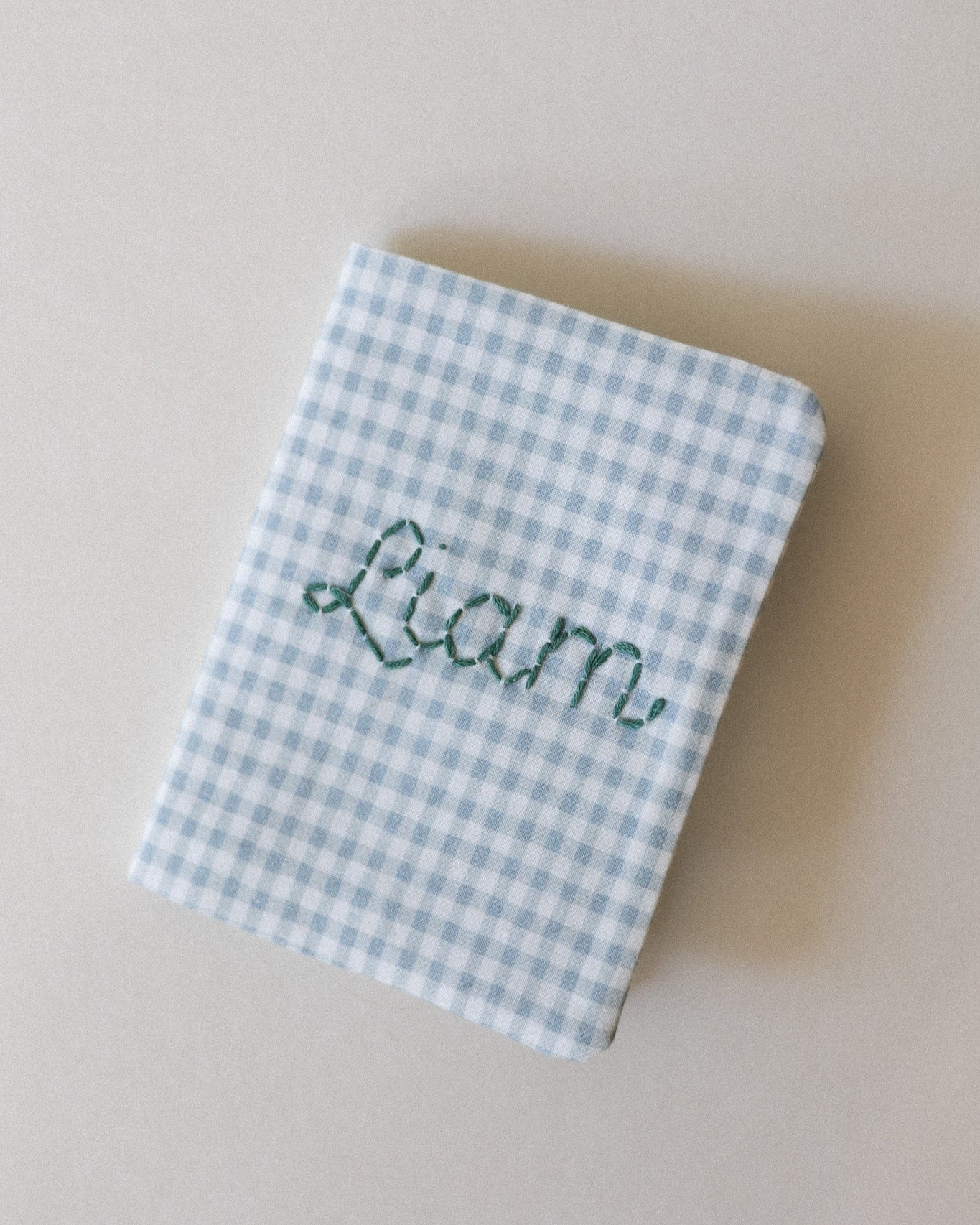
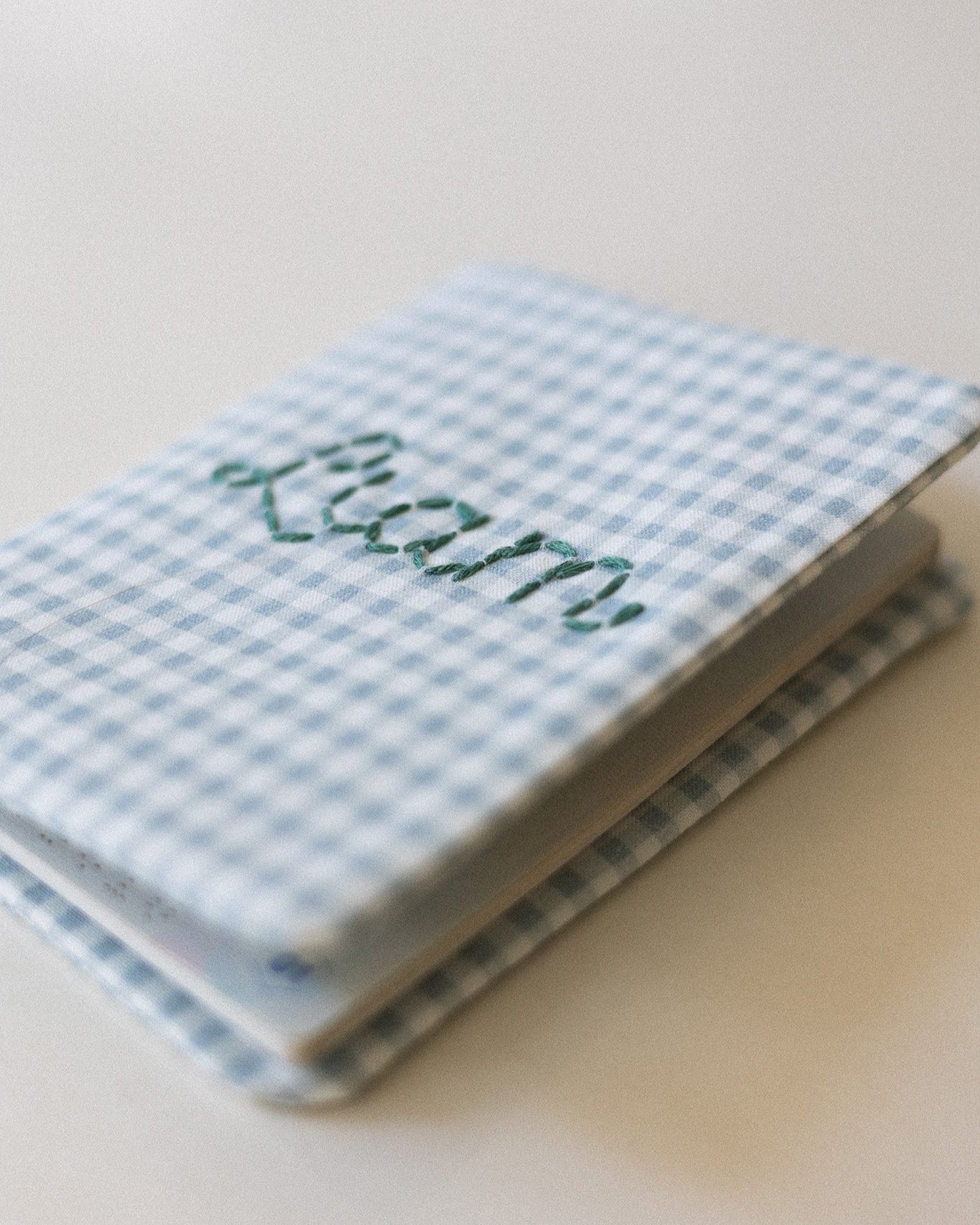
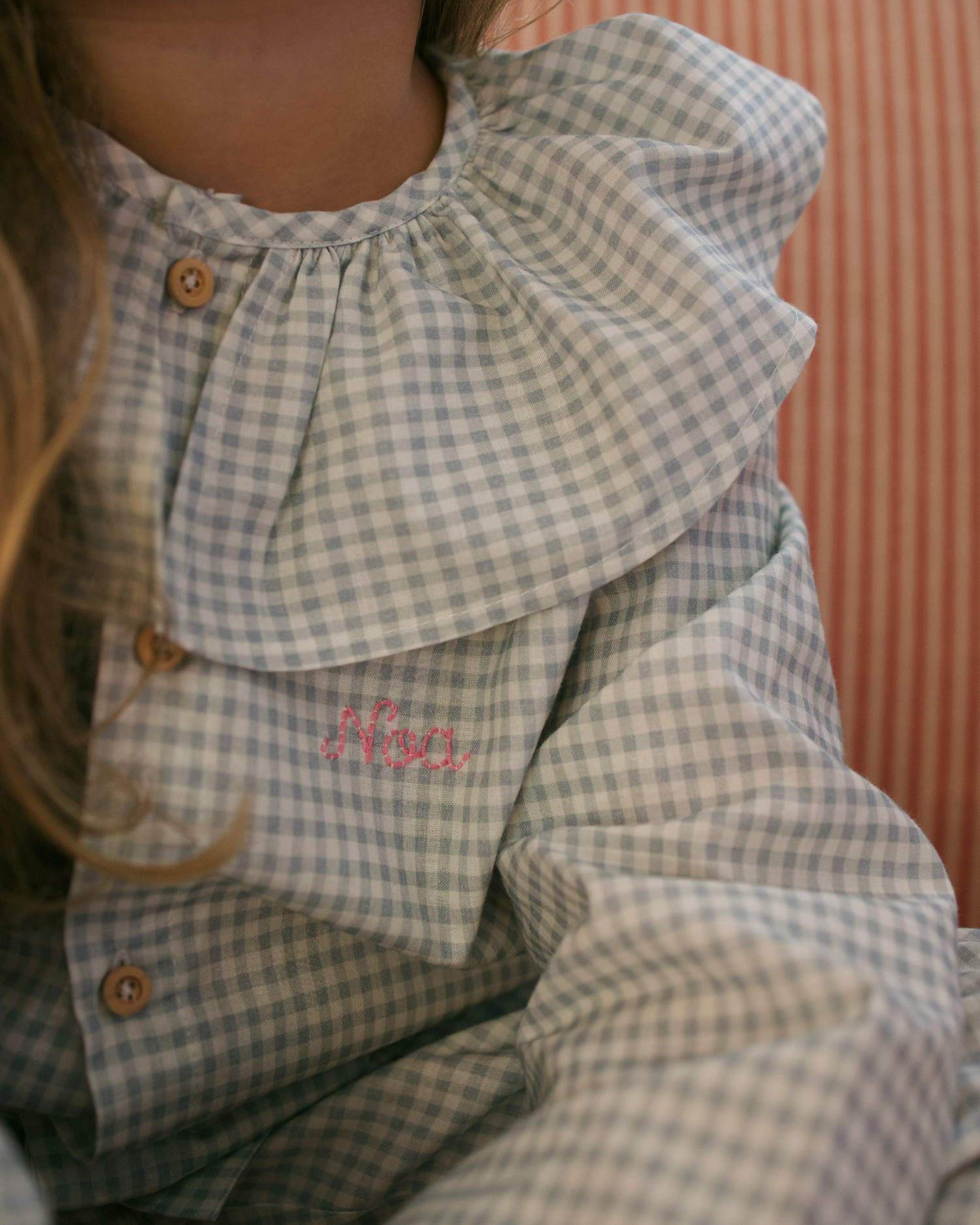
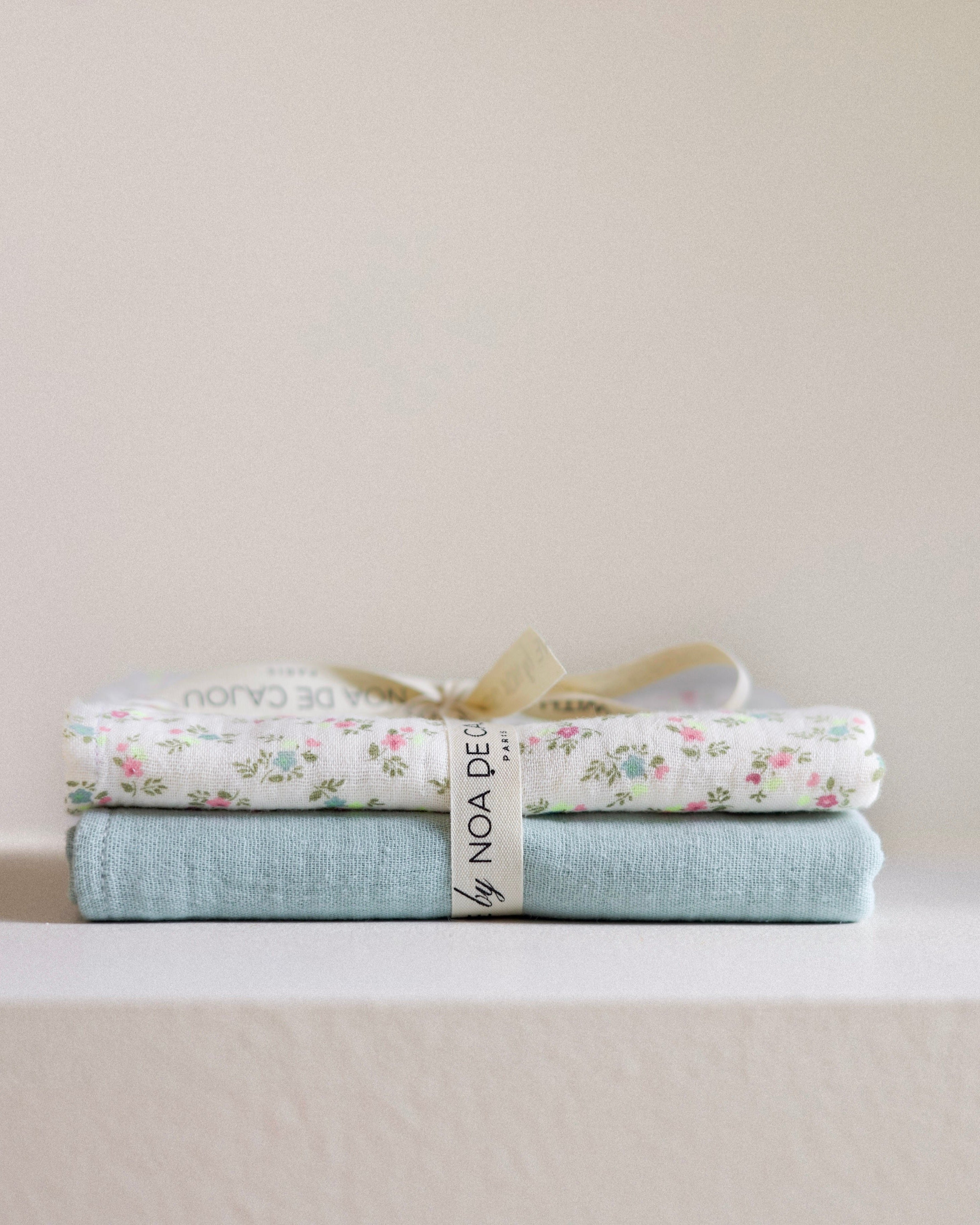
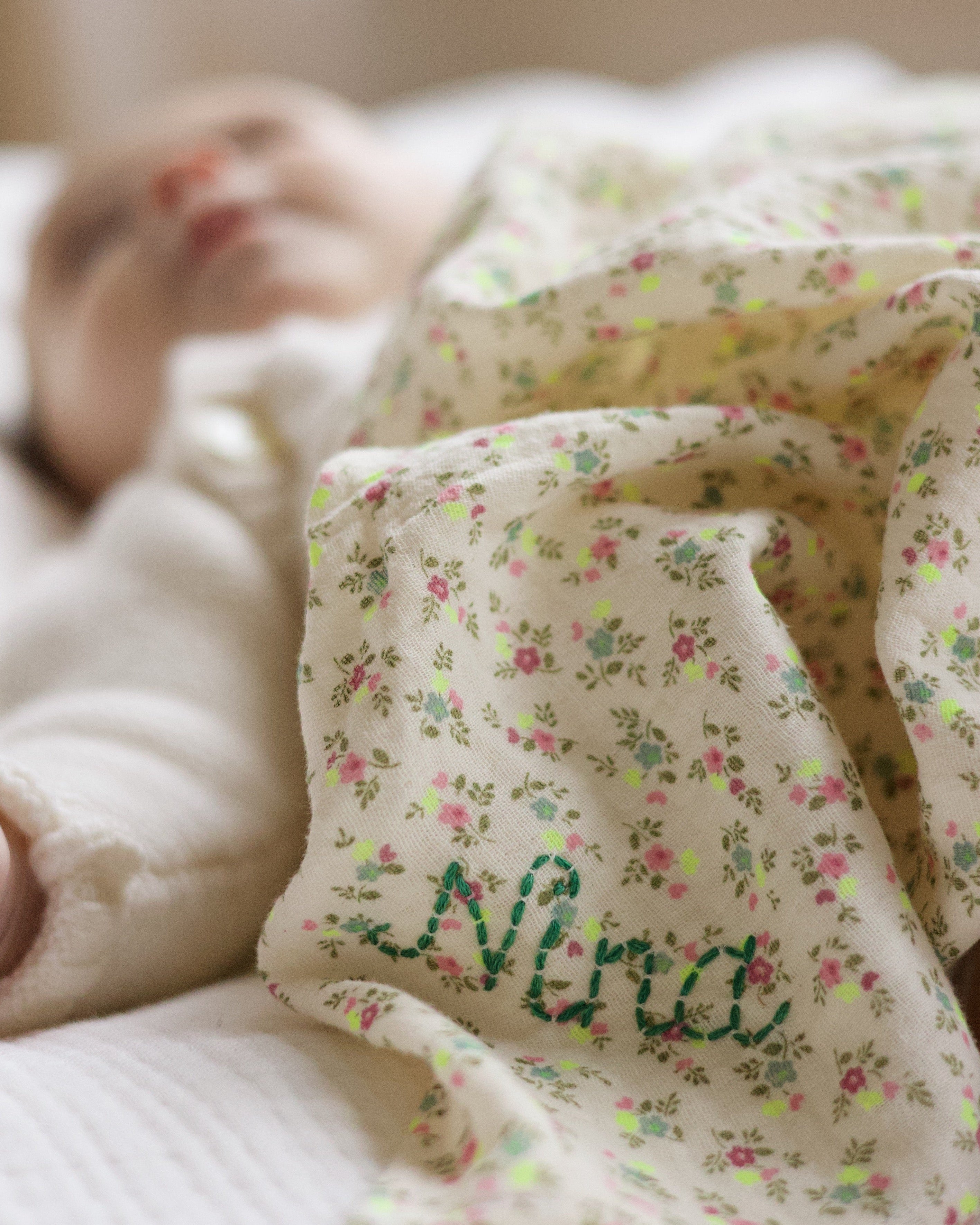
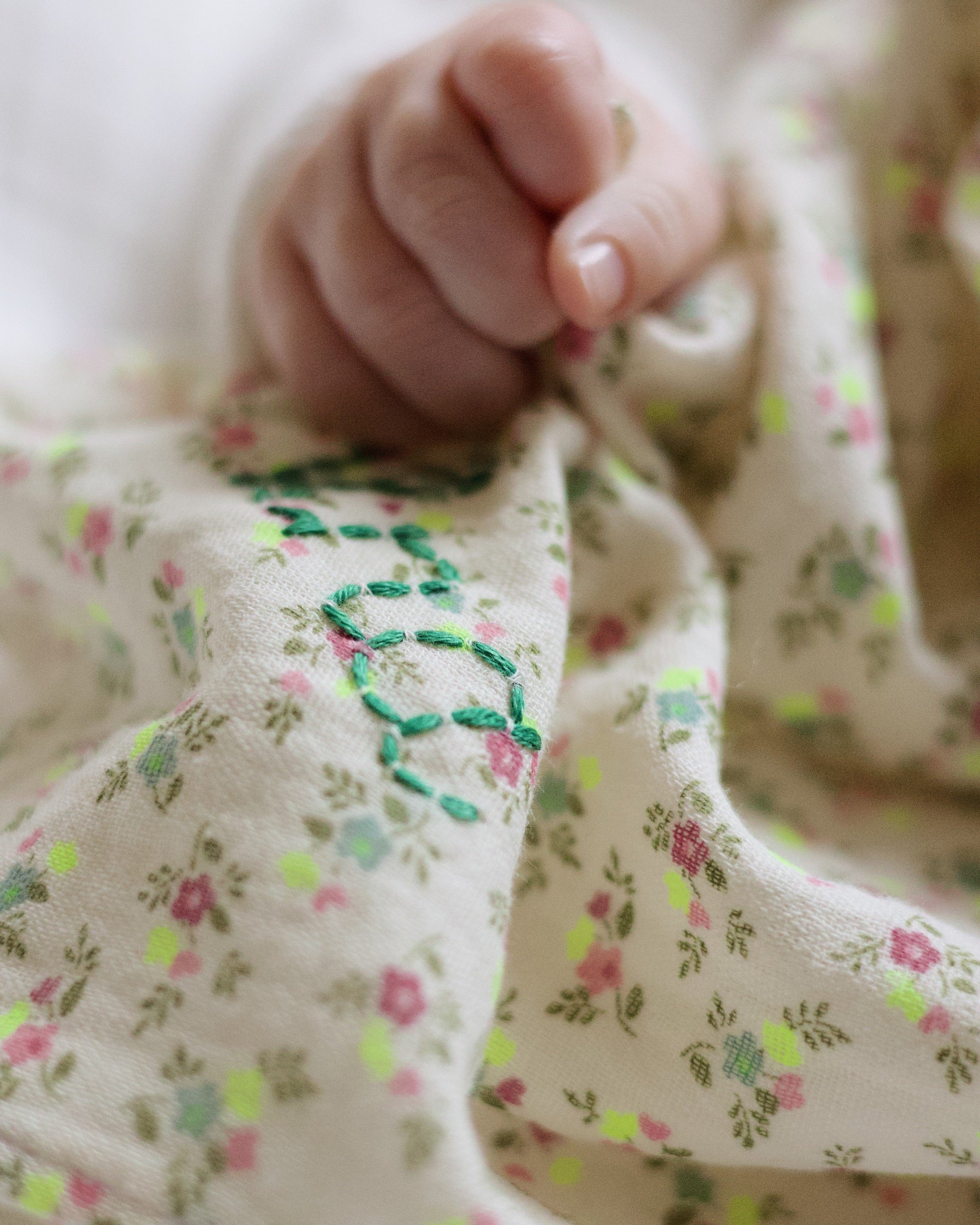
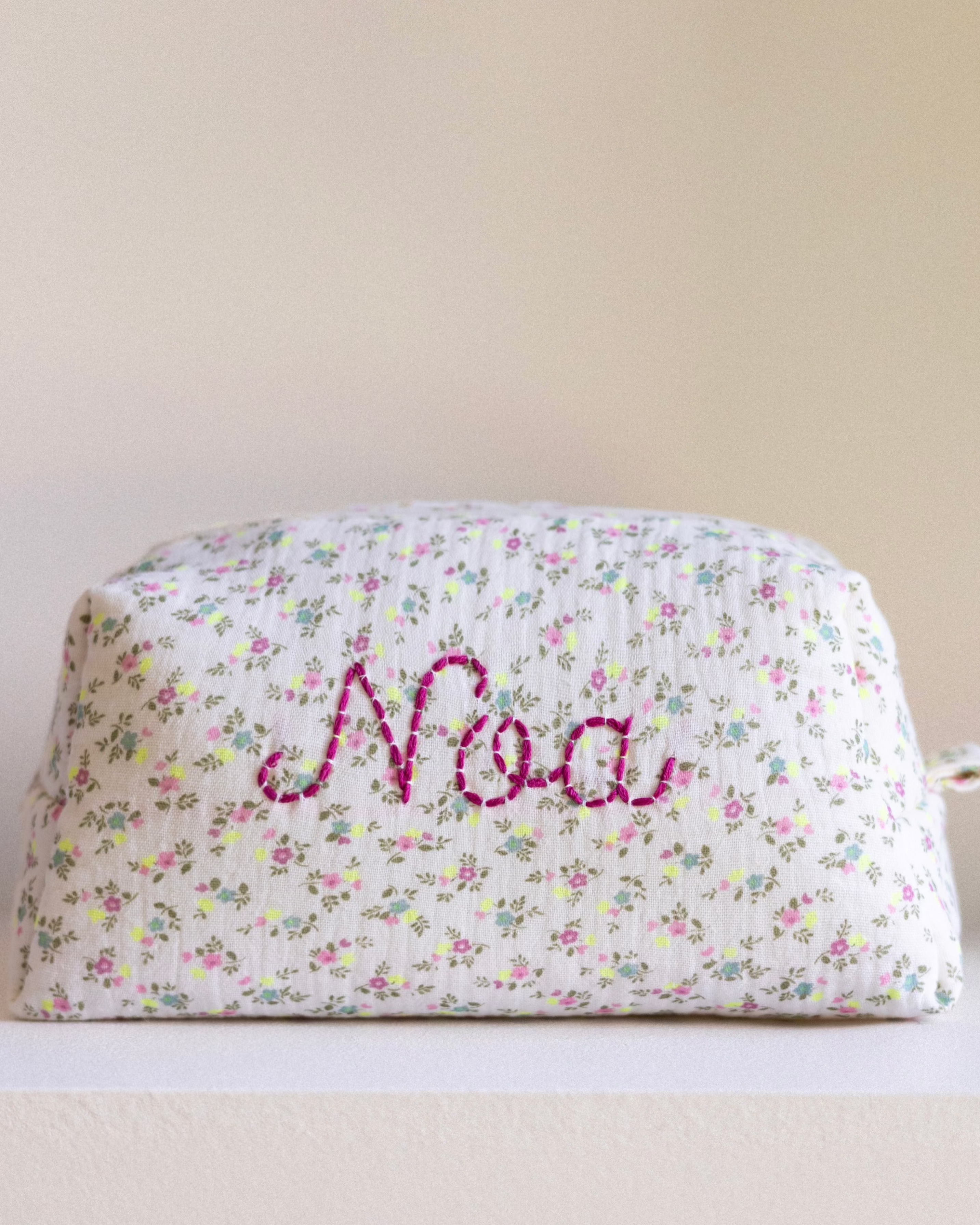
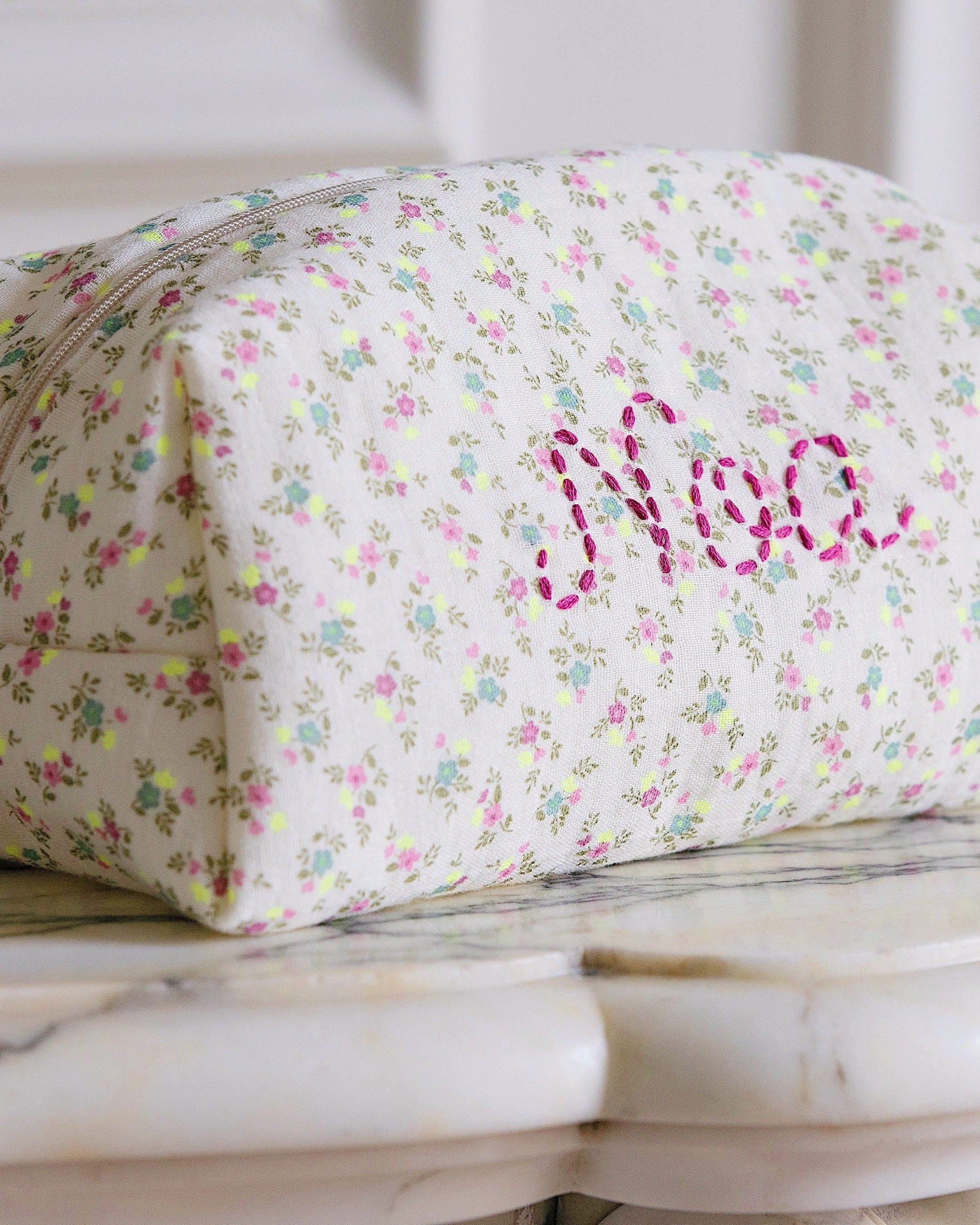
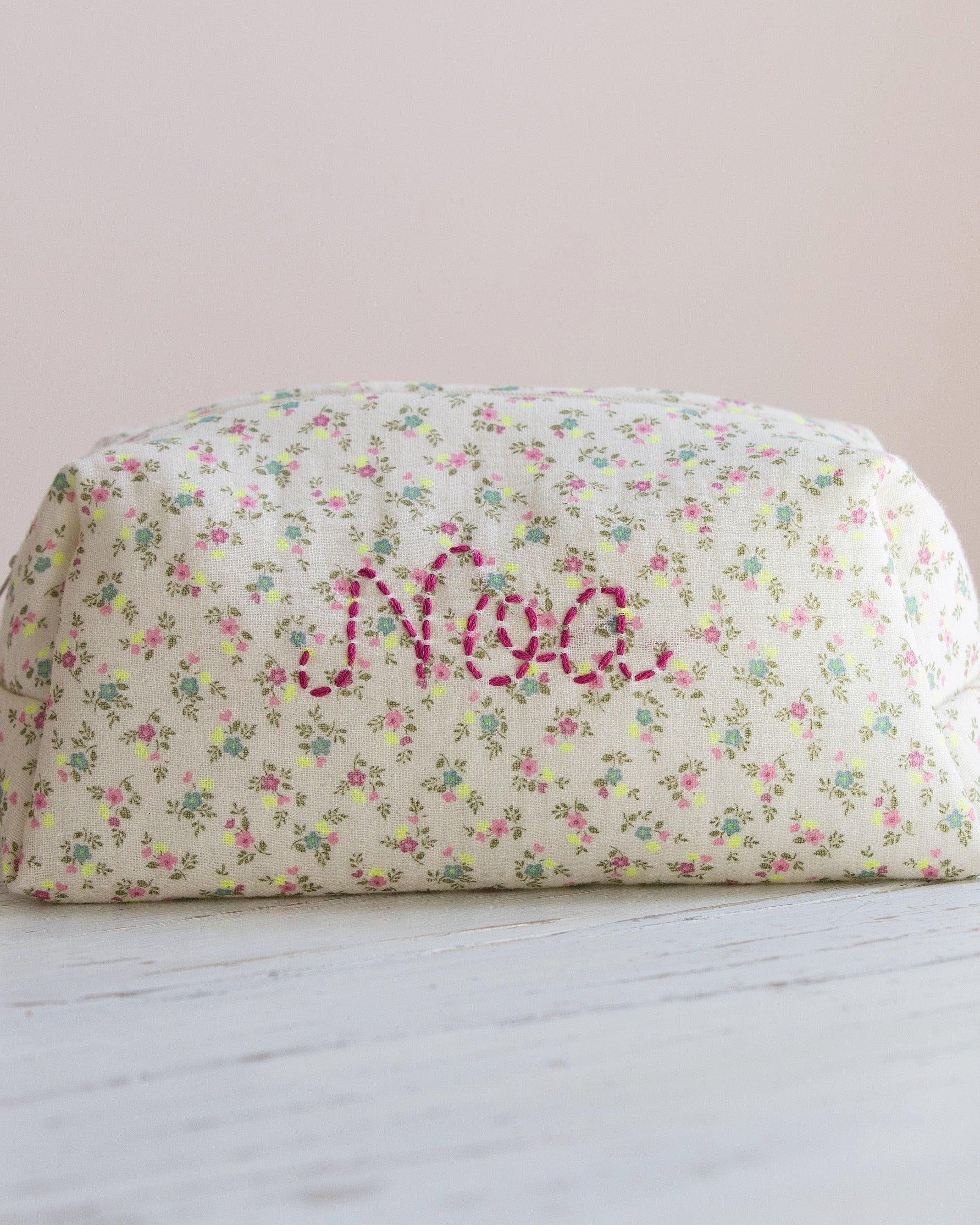
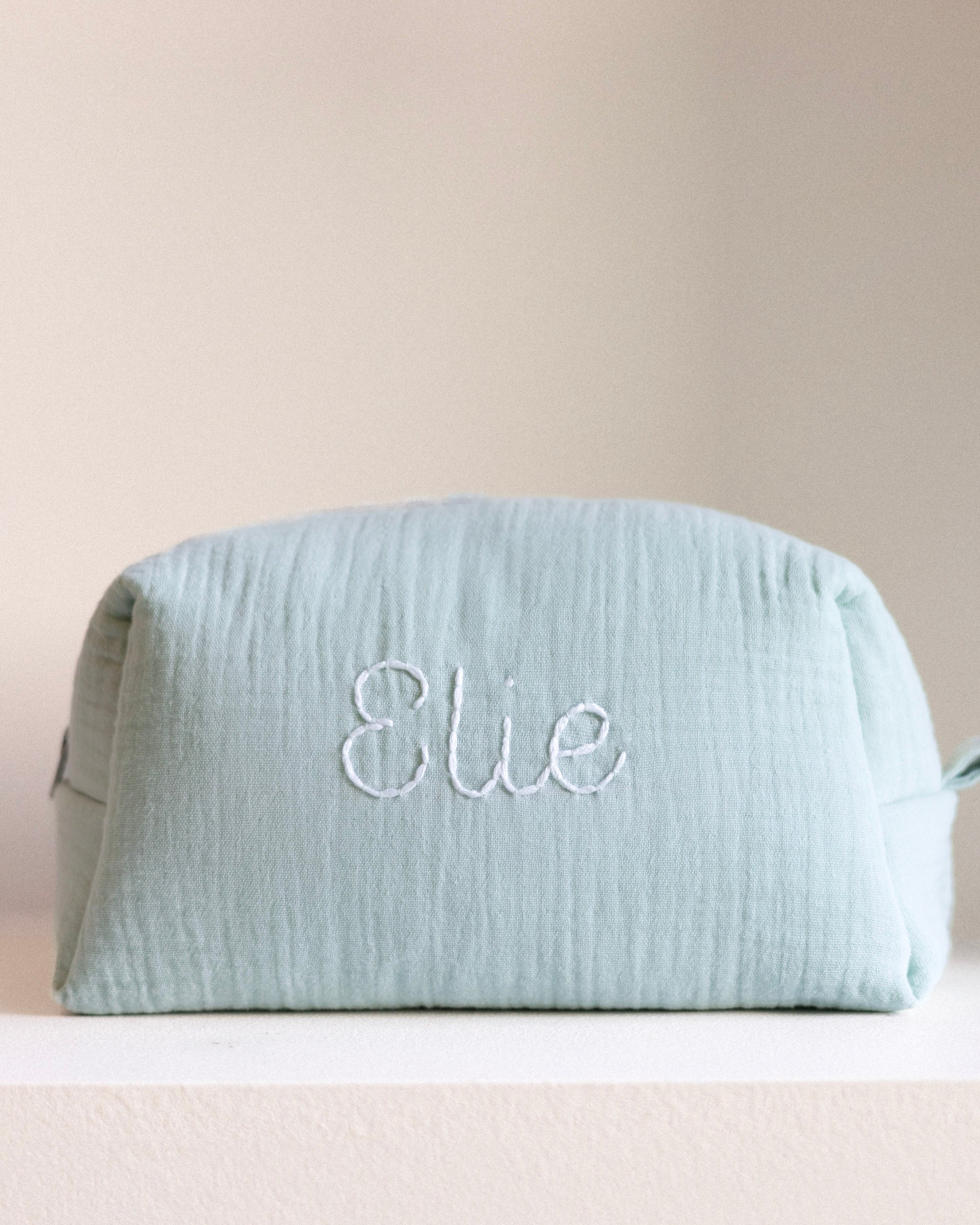
To complete your newborn essentials, discover Cajou Paris baby muslin cloths. Made from organic cotton and certified OEKO-TEX STANDARD 100, they can also be personalised with hand embroidery.