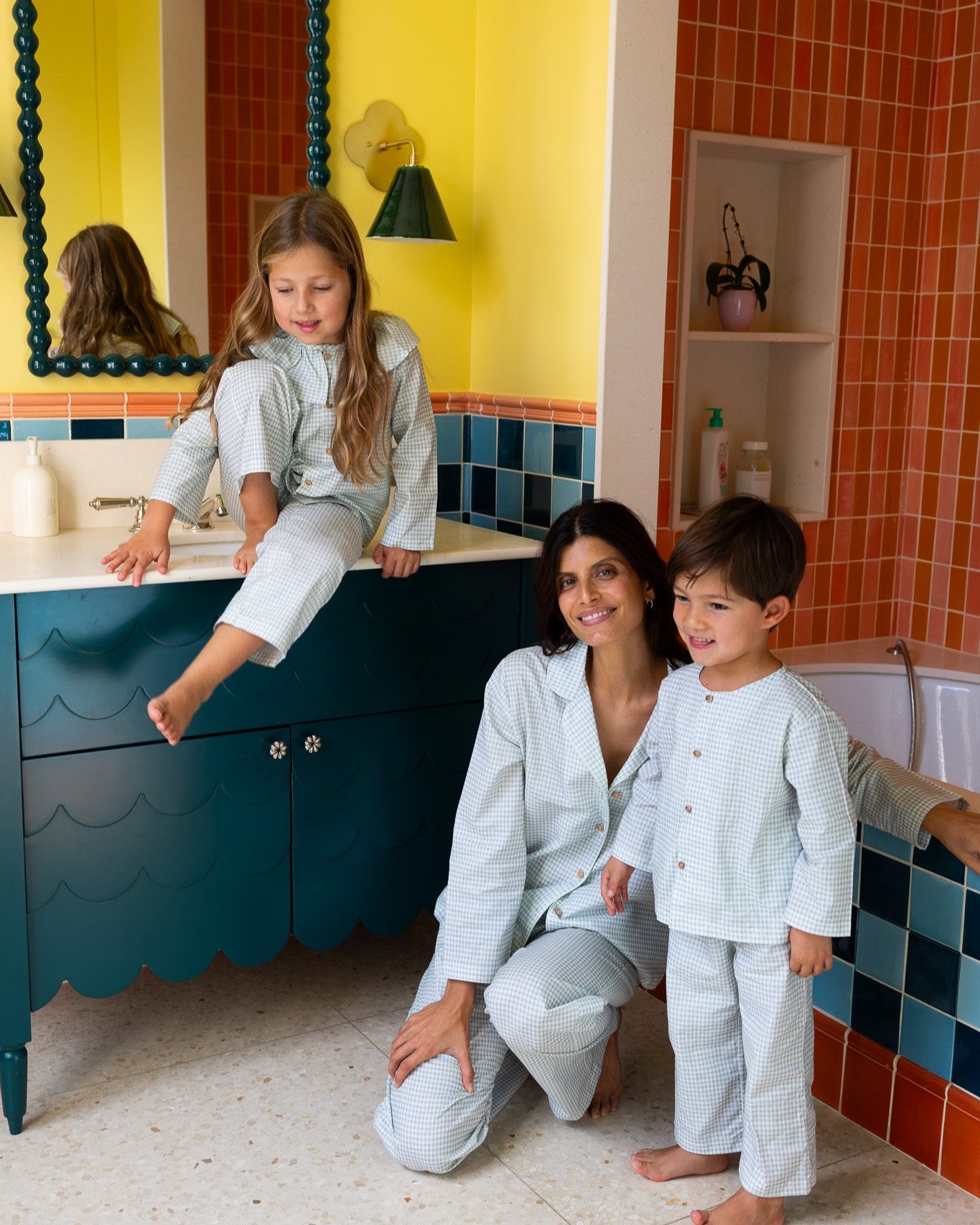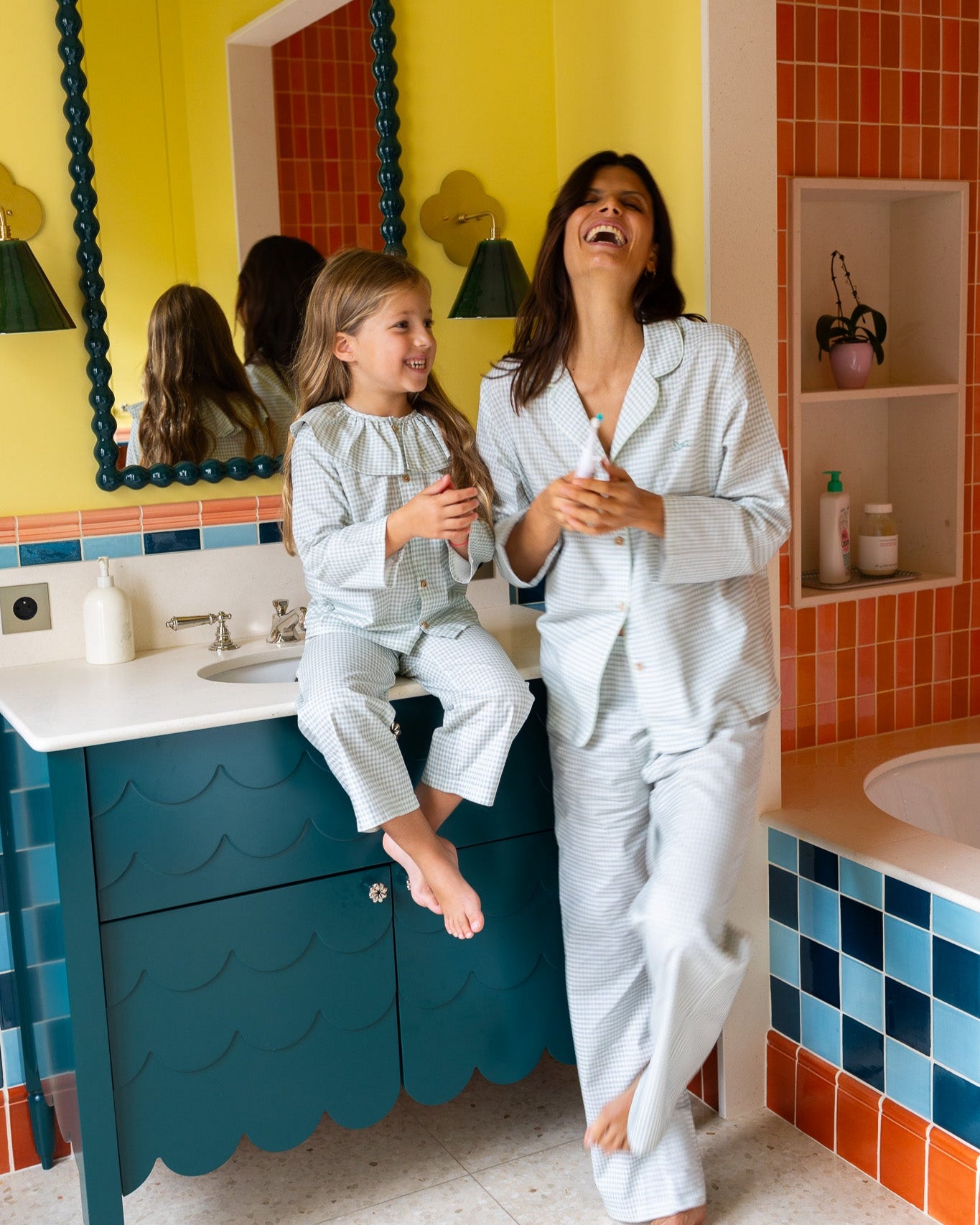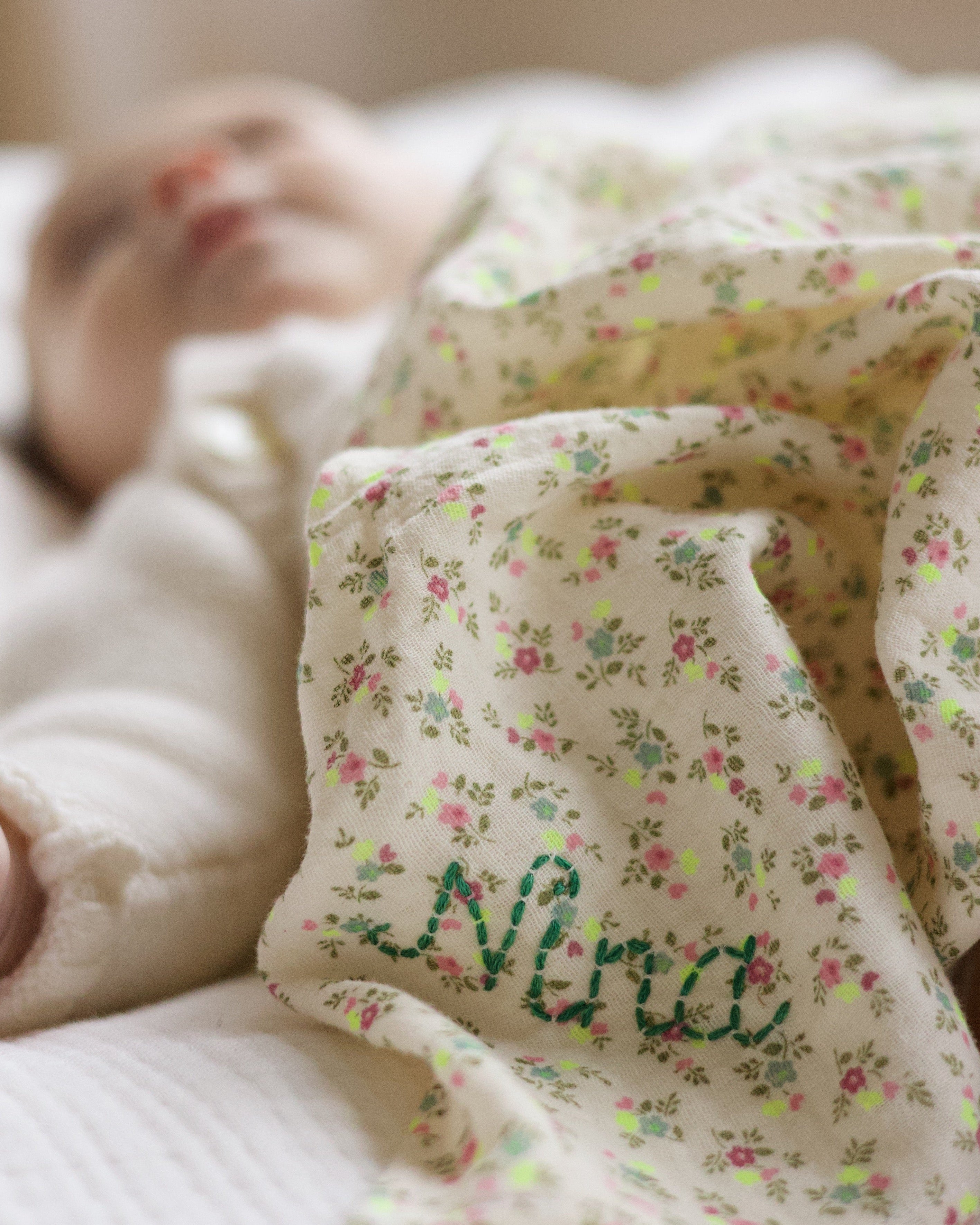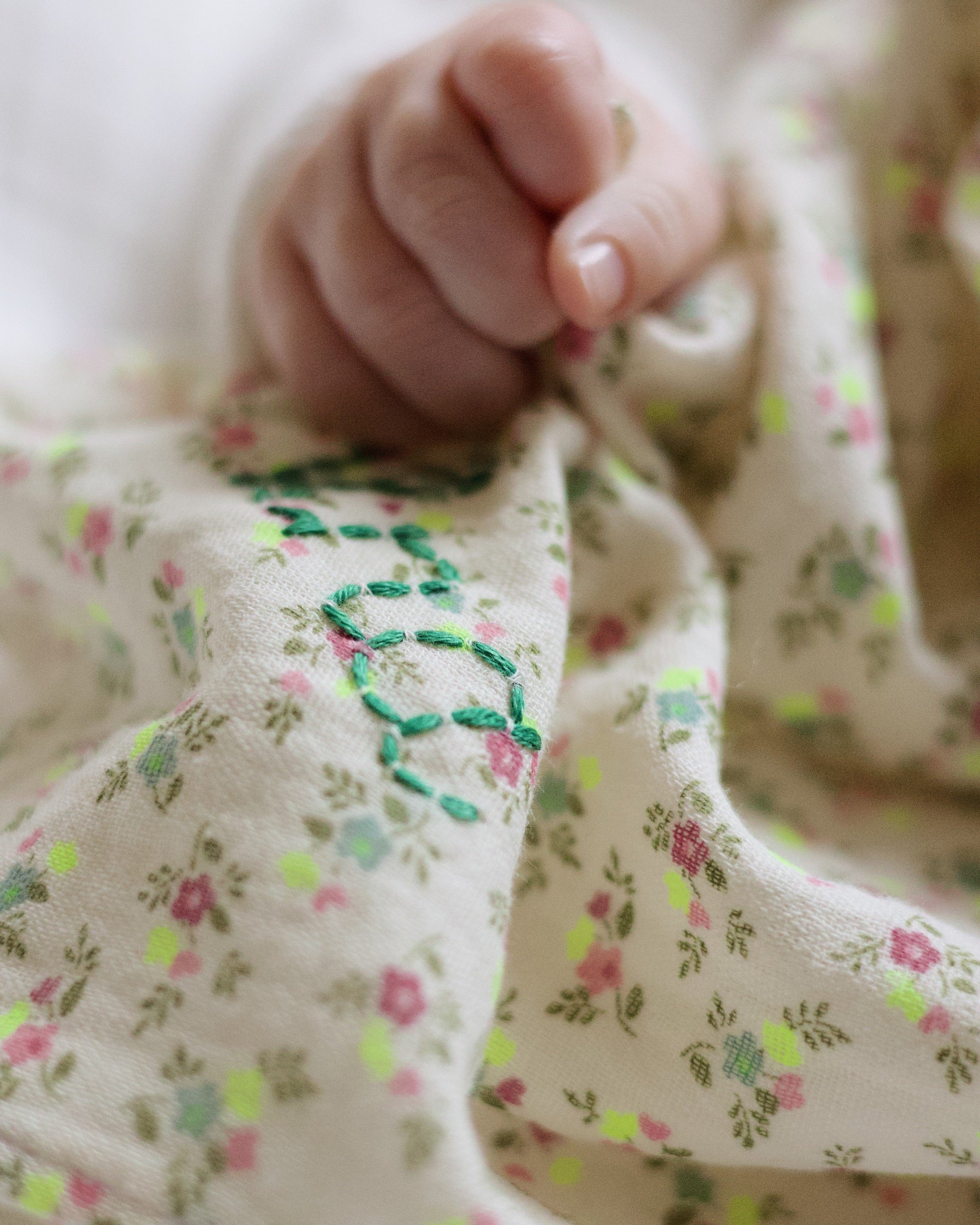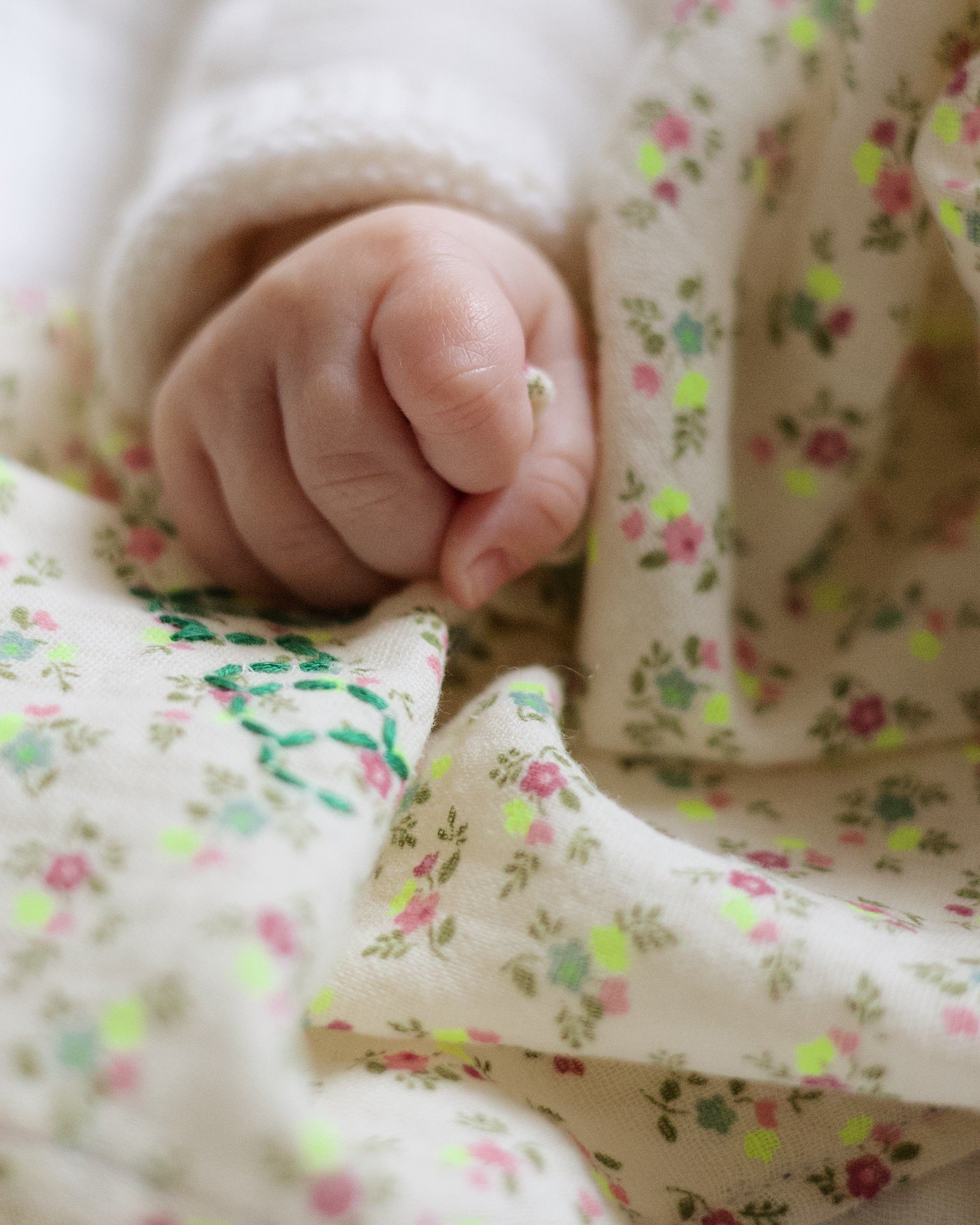


Why a baby’s skin deserves special attention when choosing pajamas
A baby’s skin is naturally more delicate than an adult’s. Thinner and more sensitive to friction, moisture, and temperature changes, it reacts more quickly to its immediate environment. When a newborn or young child spends long hours in the same garment, especially at night, the quality of the fabric becomes a real comfort issue.
Pajamas stay in prolonged contact with the skin across the whole body. They are worn during sleep, rest time, naps, and sometimes even part of the day. For this reason, it makes sense to prioritize a fabric that is soft, breathable, and comfortable to wear, helping to reduce feelings of discomfort over the hours.
For a baby, skin folds, areas exposed to friction or heat, and periods when the skin remains covered for a long time require even more attention. Pajamas should therefore not only be pretty or practical: they should also contribute to a more reassuring, simpler, and more suitable textile environment for sensitive skin.

How can the choice of pajamas affect the comfort of a baby’s skin?
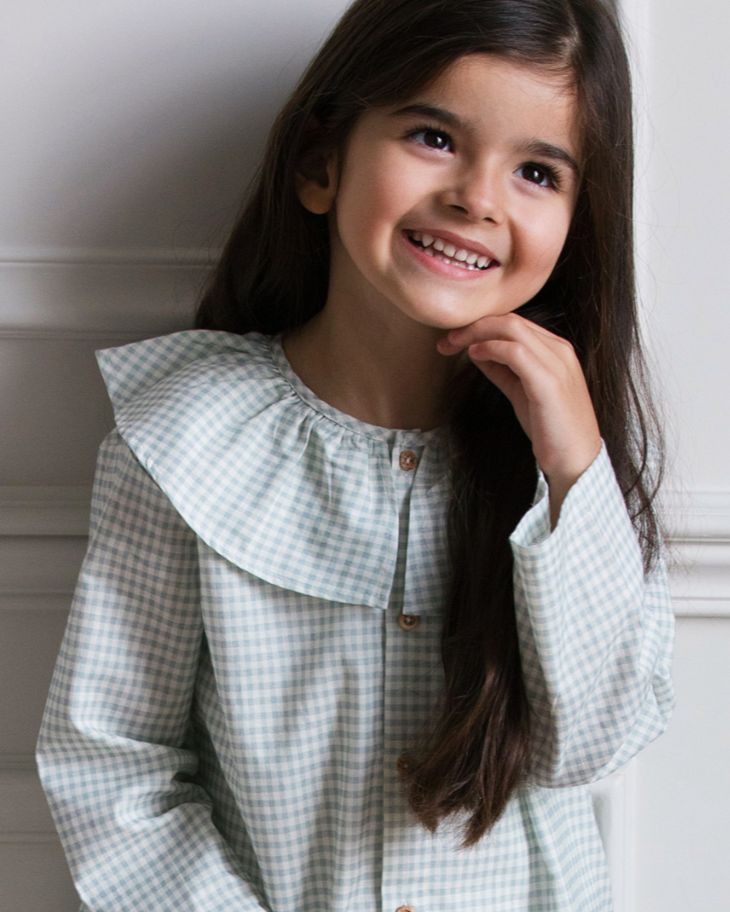
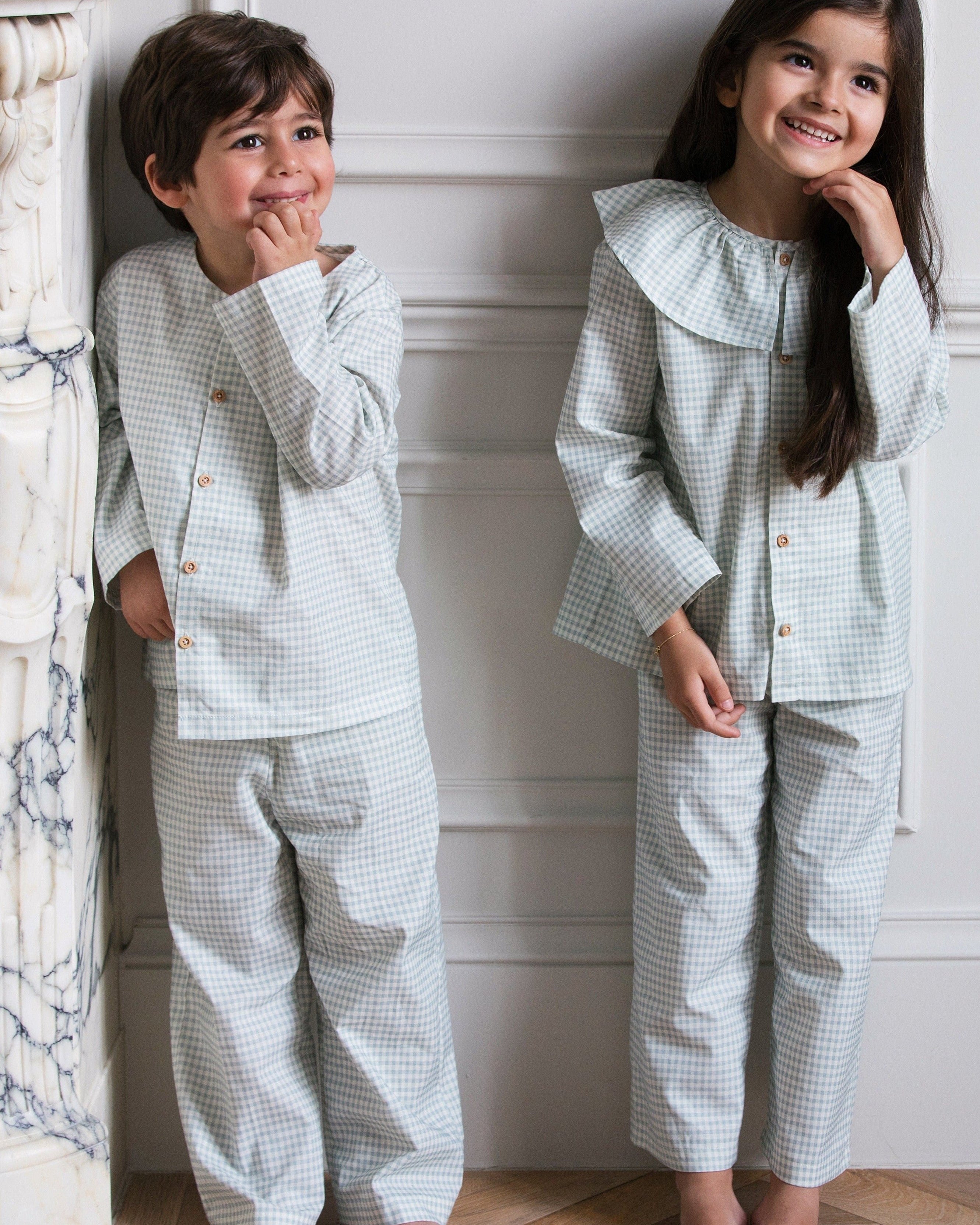
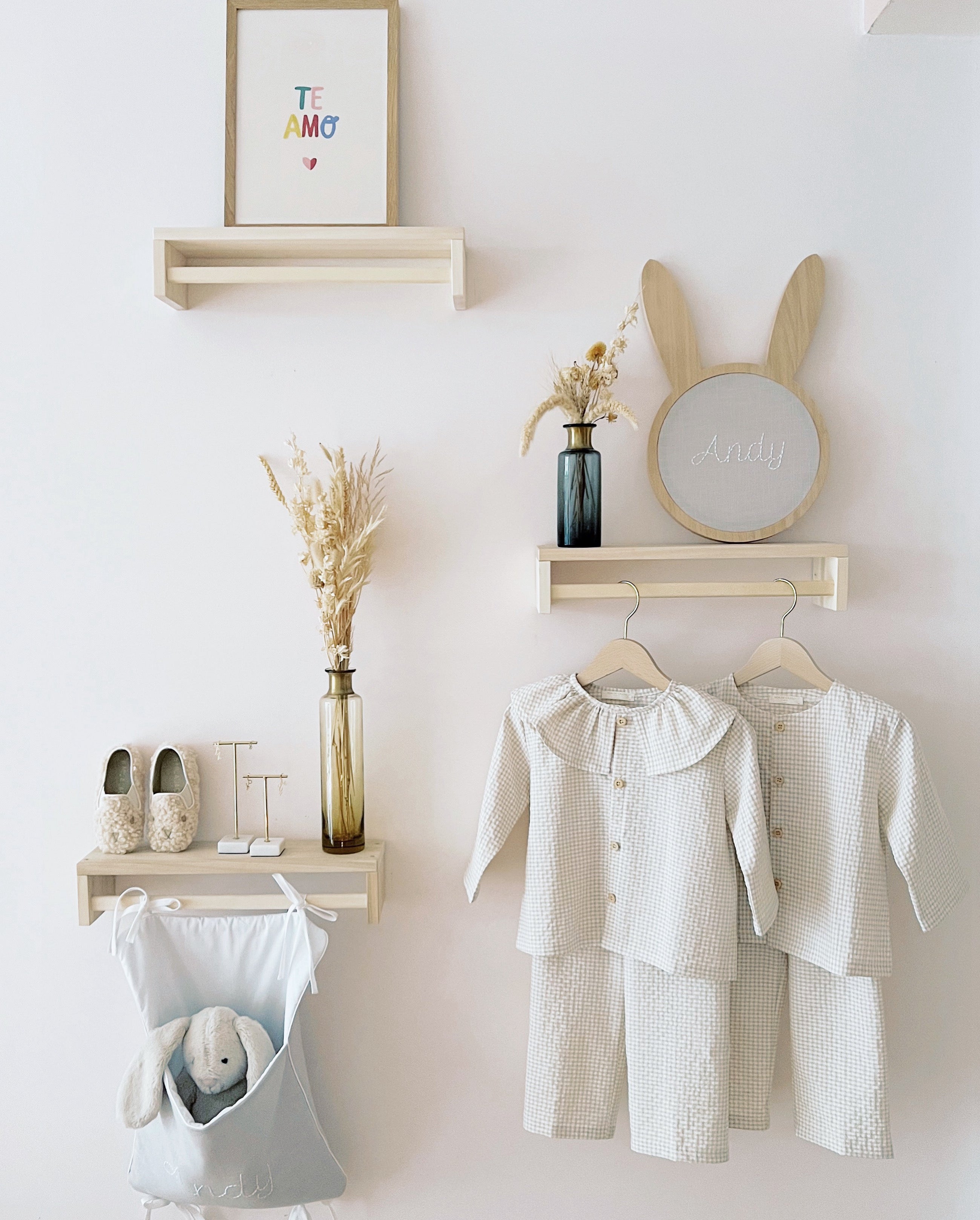
When talking about pajamas suited to a baby’s skin, it is natural to think about the link between the fabric worn and the child’s well-being. Nightwear that is too rough, not breathable enough, or overloaded with unnecessary details may be less pleasant to wear, especially over several hours in a row.
On the other hand, pajamas made from a soft and flexible fabric move more easily with the body, reduce excessive rubbing, and create a more cocooning feeling. This search for comfort is especially important for a baby, whose sleep also depends on a soothing, stable, and pleasant environment.
Breathability also matters. A fabric that allows air to circulate more easily contributes to greater comfort, especially when the baby moves during the night or when the temperature changes. Pajamas should therefore strike the right balance between softness, lightness, and comfort, without ever making the skin feel trapped.
Which fabric should a baby’s pajamas be made from to respect their skin?
Not all fabrics provide the same feeling against the skin. For nightwear designed for a very young child, people generally favor textiles known for their suppleness, softness, and everyday comfort.
Cotton is one of the most commonly chosen fabrics for baby pajamas. It is appreciated for its pleasant feel, its ability to suit daily life, and its place as a staple in the world of sleepwear for little ones. When carefully selected, it naturally fits into a desire for simplicity and comfort.
Organic cotton also attracts the attention of many parents. Beyond the more responsible image it conveys, it fits well within an approach focused on fabrics perceived as more understated and reassuring.

Softness and breathability are essential for pajamas suited to a baby’s skin
A baby’s pajamas should first and foremost support their sleep. This means a fabric that feels pleasant to wear, but also a design created for lasting comfort. Softness helps reduce discomfort caused by repeated contact between the fabric and the skin, while breathability helps maintain a more balanced feeling during sleep.
When a garment is too thick, too stiff, or not airy enough, it may become less pleasant to wear, especially if the baby sweats or moves around a lot. On the contrary, a more breathable fabric and well-designed pajamas contribute to a more comfortable, simpler, and better-suited experience for a young child’s rhythm.
This attention paid to textiles is far from a minor detail. For a baby, comfort also comes from clothes that can almost be forgotten: they don’t them, don’t squeeze them, and don’t multiplying possible sources of irritation linked to prolonged wear.
What details should pajamas respect in order to protect a baby’s skin?
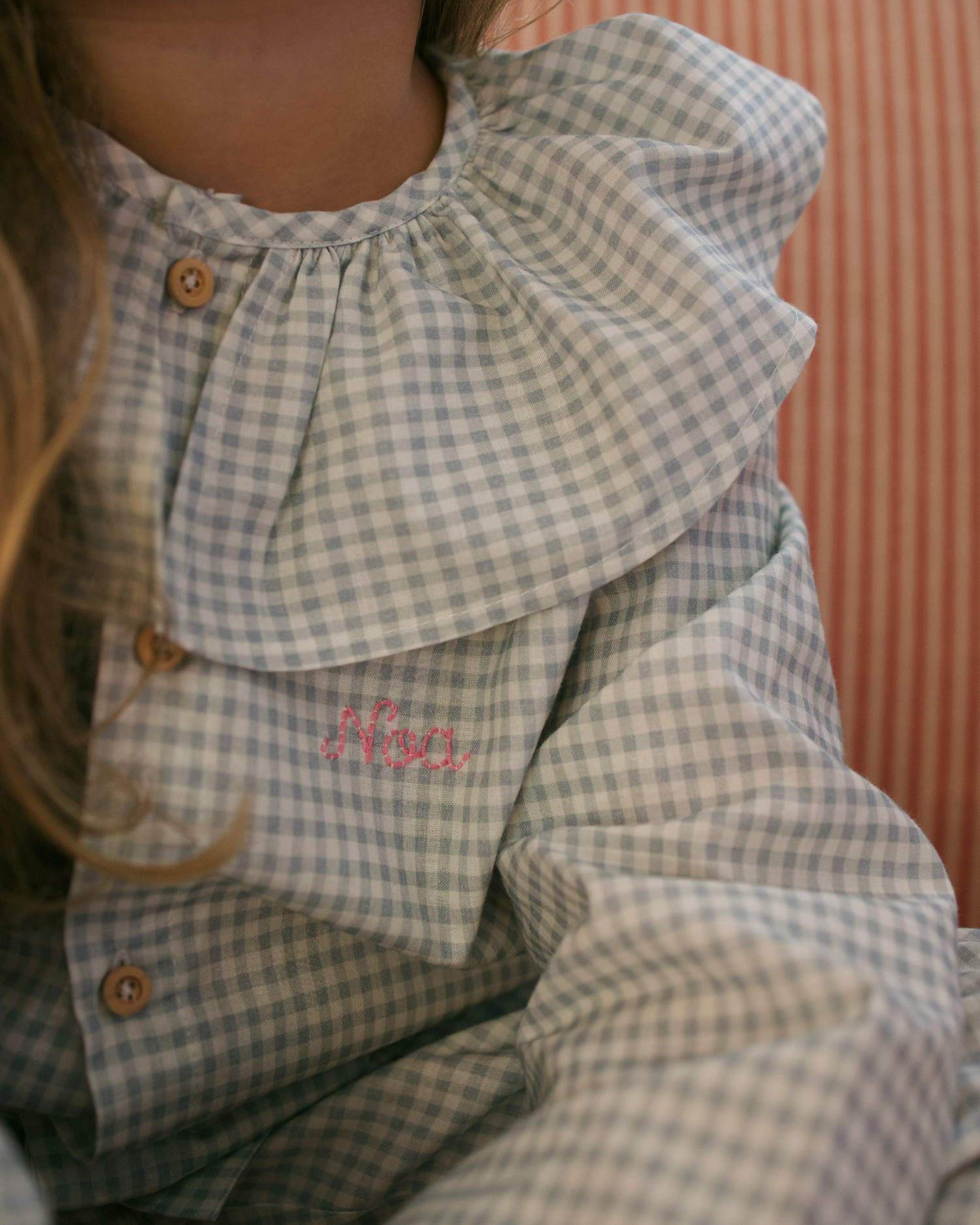
Beyond the fabric itself, the cut and the finishing details also play an important role. Pajamas that are too tight, seams that are too noticeable, poorly placed labels, or rigid decorative elements can all reduce overall comfort. For a baby’s skin, it is often better to choose simple garments that are well designed and pleasant in their construction.
Parents generally look for pajamas that are easy to put on, comfortable to move in, and suitable for everyday use. This simplicity is valuable: it helps create a softer environment, where the garment supports the baby without causing unnecessary discomfort.
The right pajamas are therefore often those that combine several qualities at once: a pleasant fabric, a comfortable cut, careful workmanship, and a feeling of softness that lasts wash after wash.

To avoid irritating a baby’s skin, remember that pajamas are part of everyday life
Pajamas are among the clothes a baby wears most often during the first months of their lives. They are there for nights, naps, quiet moments at home, and all those times when comfort is essential. That is why choosing pajamas is not just about appearance: it directly affects everyday quality of life.
Choosing items suited to a baby’s skin means giving importance to everything that surrounds the child during rest time. This involves soft fabrics, comfortable shapes, and discreet finishes, but also a certain level of care in the way the garment is designed.
At Cajou Paris, for example, we believe that everyday textile items should combine softness, simplicity, and careful attention to fabric. That is why we offer a range of organic cotton baby sleep sacks and bodysuits, guaranteed free from harmful substances, designed to support babies every day while providing them with softness and comfort.