

What is a matchy-matchy style?
The matchy-matchy style (or matchy-matchy) refers to intentionally coordinating the outfits of two or more people. It may involve a mother-child duo, siblings, a couple, or even an entire family.
Contrary to common belief, matchy does not necessarily mean wearing exactly the same outfit. Rather, it consists of creating visual harmony through:
· A shared color
· A common pattern
· A similar fabric
· A shared detail (embroidery, accessory, cut)
The matchy-matchy style is above all a way to express a bond: closeness, tenderness, team spirit or simply the desire to be coordinated.
The success of a matchy-matchy style relies on several dimensions:
· Emotional: it symbolizes the connection between people
· Aesthetic: it creates a harmonious, cohesive silhouette
· Playful: it can become a game or a ritual
· Comfortable: when well thought out, it remains natural and easy to wear
Worn daily or for a special occasion, matchy allows you to affirm unity without erasing individual personalities.
Tips for creating a successful matchy-matchy style
1. Focus on a shared color palette
Choose 1 to 3 colors maximum. Neutral tones (ecru, beige, white, soft blue, pale green) work particularly well.
Example: mother in a white shirt and jeans, child in a white blouse and beige shorts. Coherence is immediate, without being rigid.
2. Play with fabrics
Cotton is ideal for a natural matchy-matchy style. A cotton dress for the mother and a cotton tunic for the child create a subtle visual connection.
Simply coordinating the fabrics used can be enough to create visual harmony.
3. Adapt the cuts
A good matchy-matchy style respects each person’s age and body shape:
· Fluid, structured cuts for adults
· Comfortable, practical cuts for children
The goal is not to miniaturize an adult outfit, but to offer an adapted interpretation.
4. Work on the details
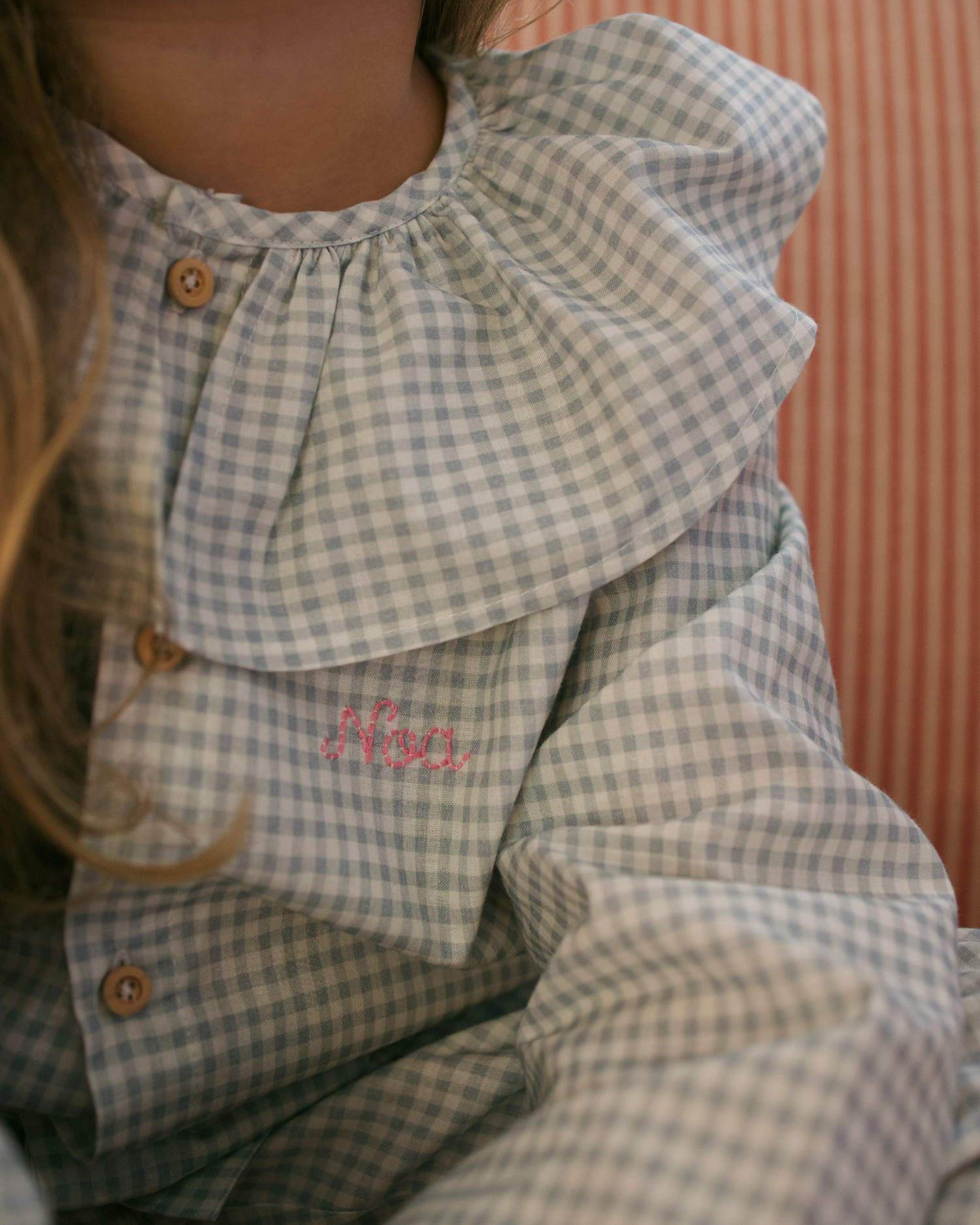
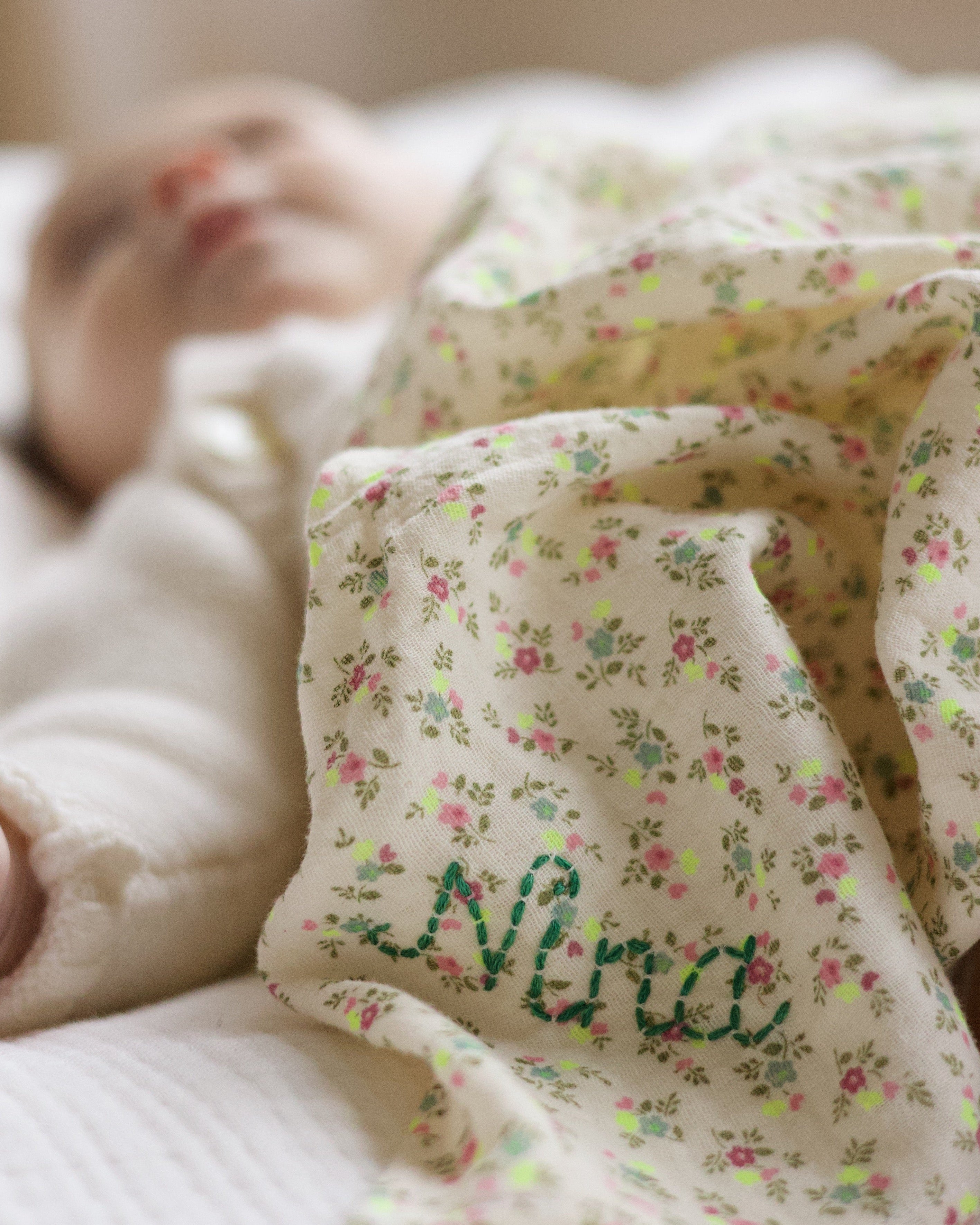
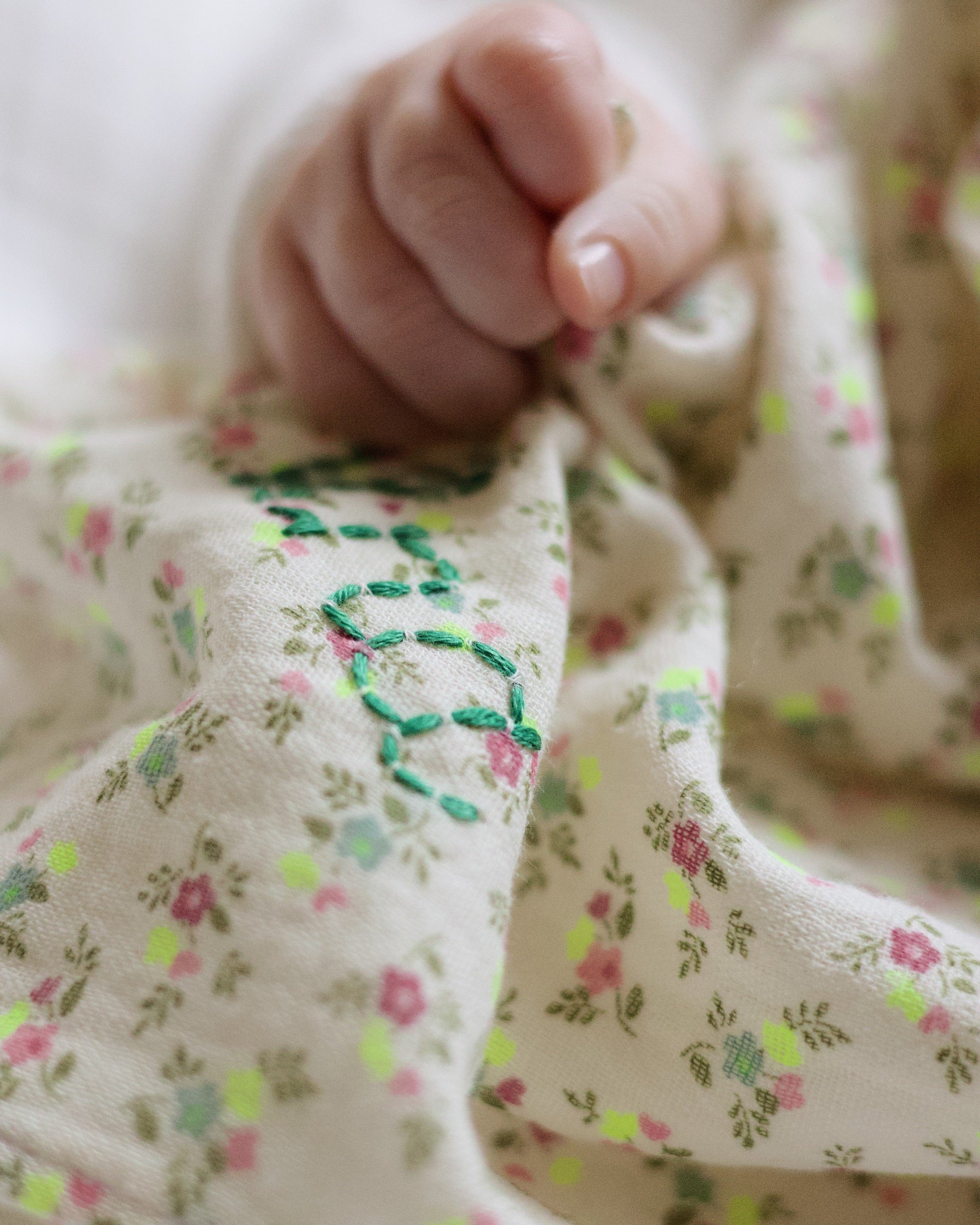
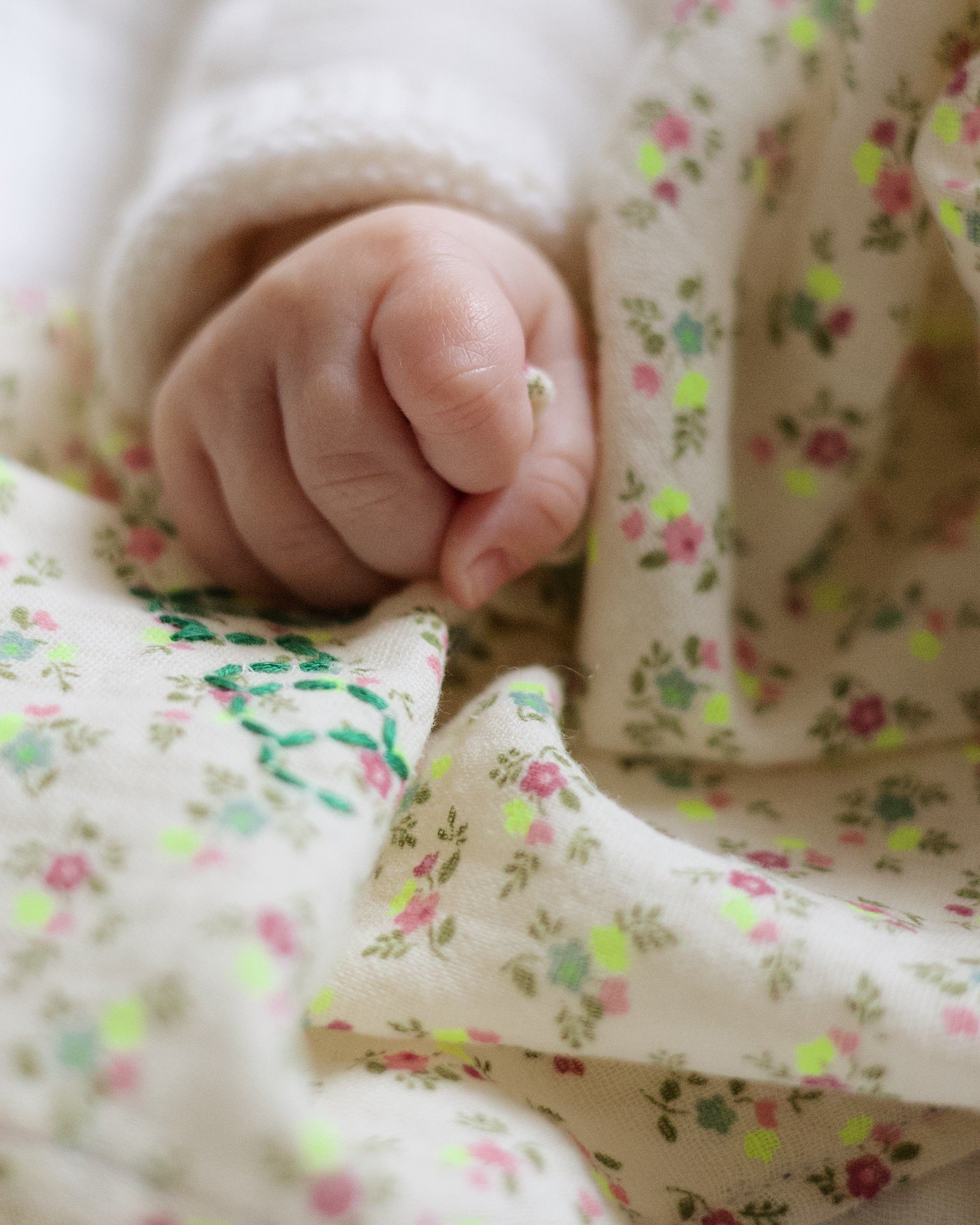
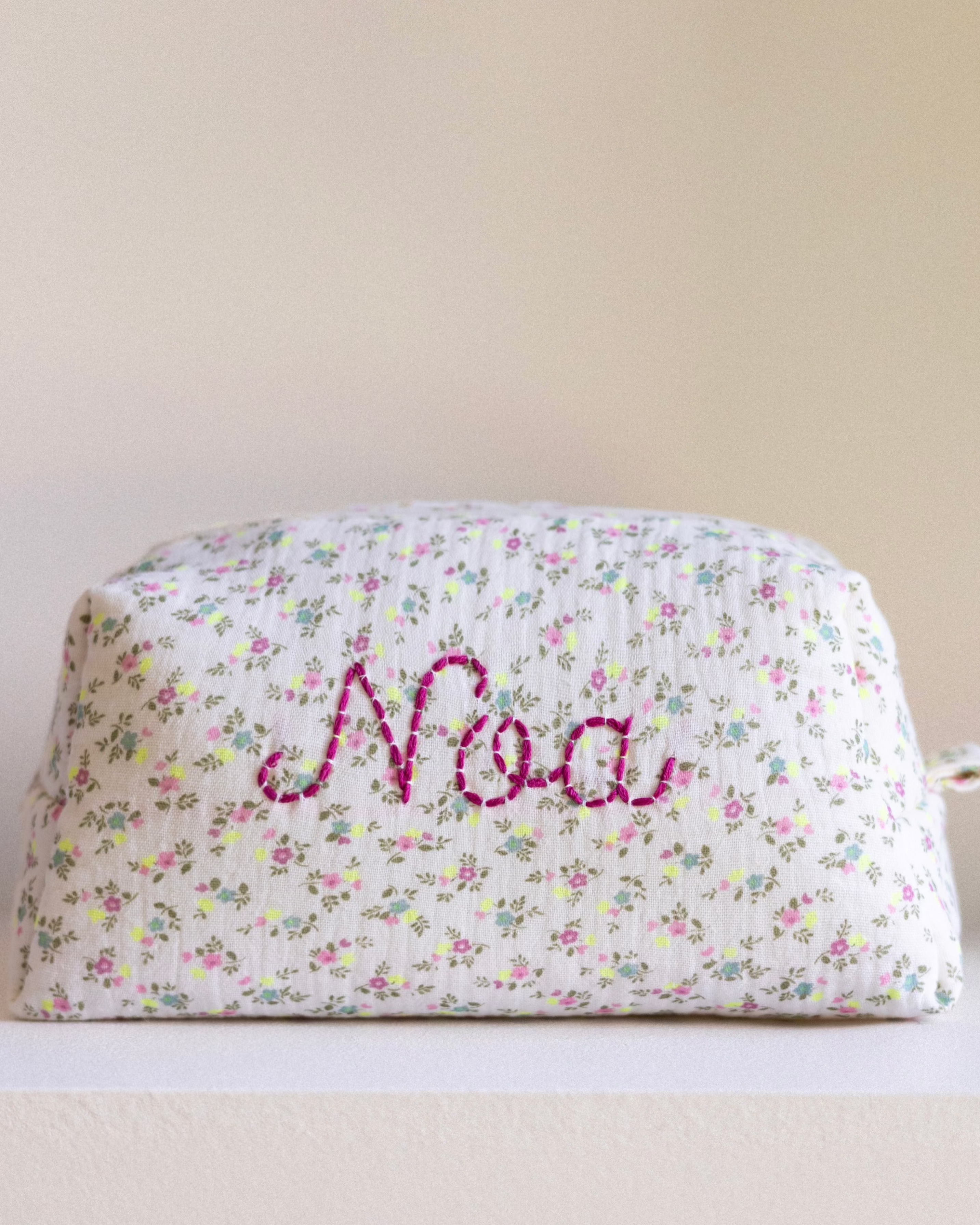
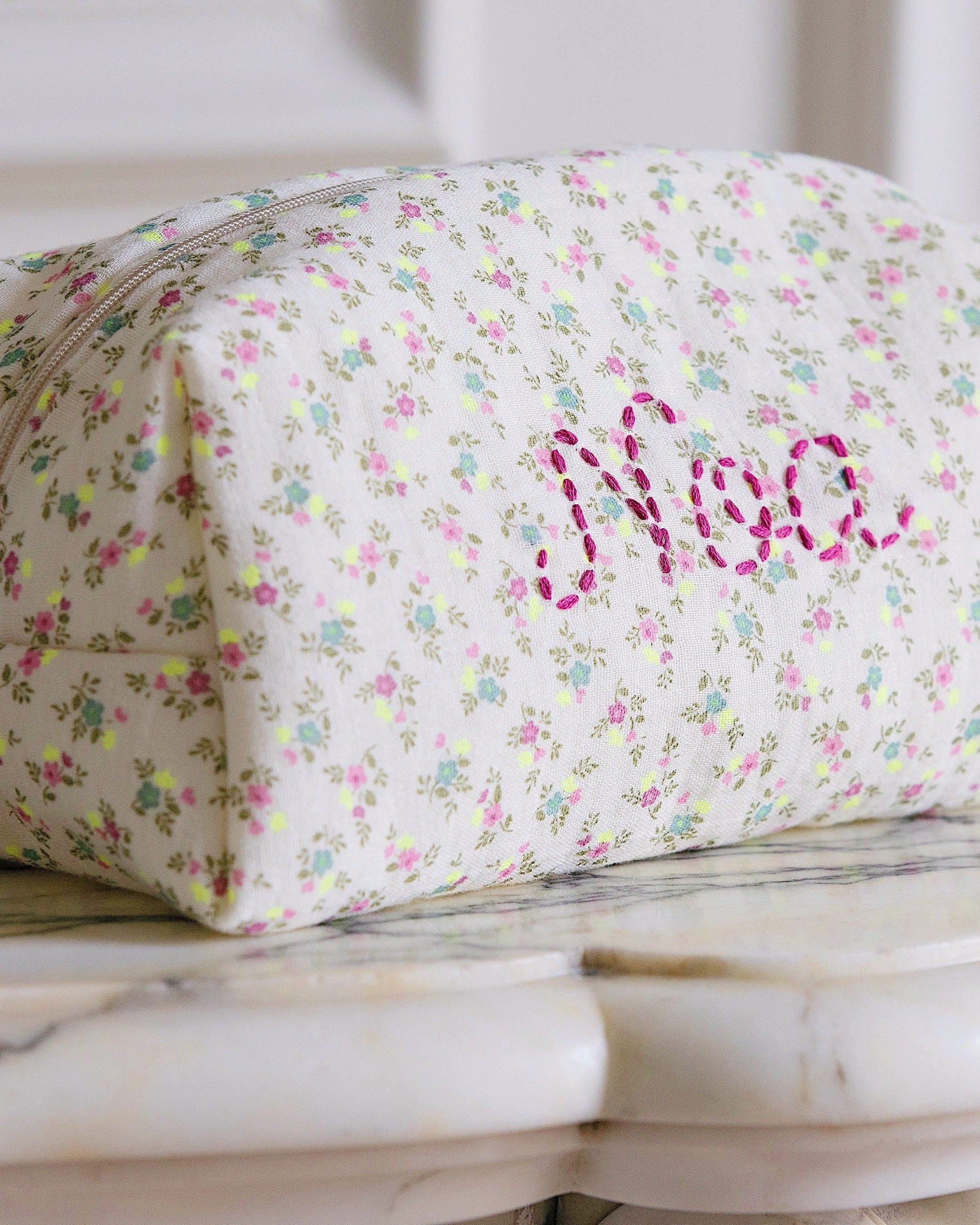
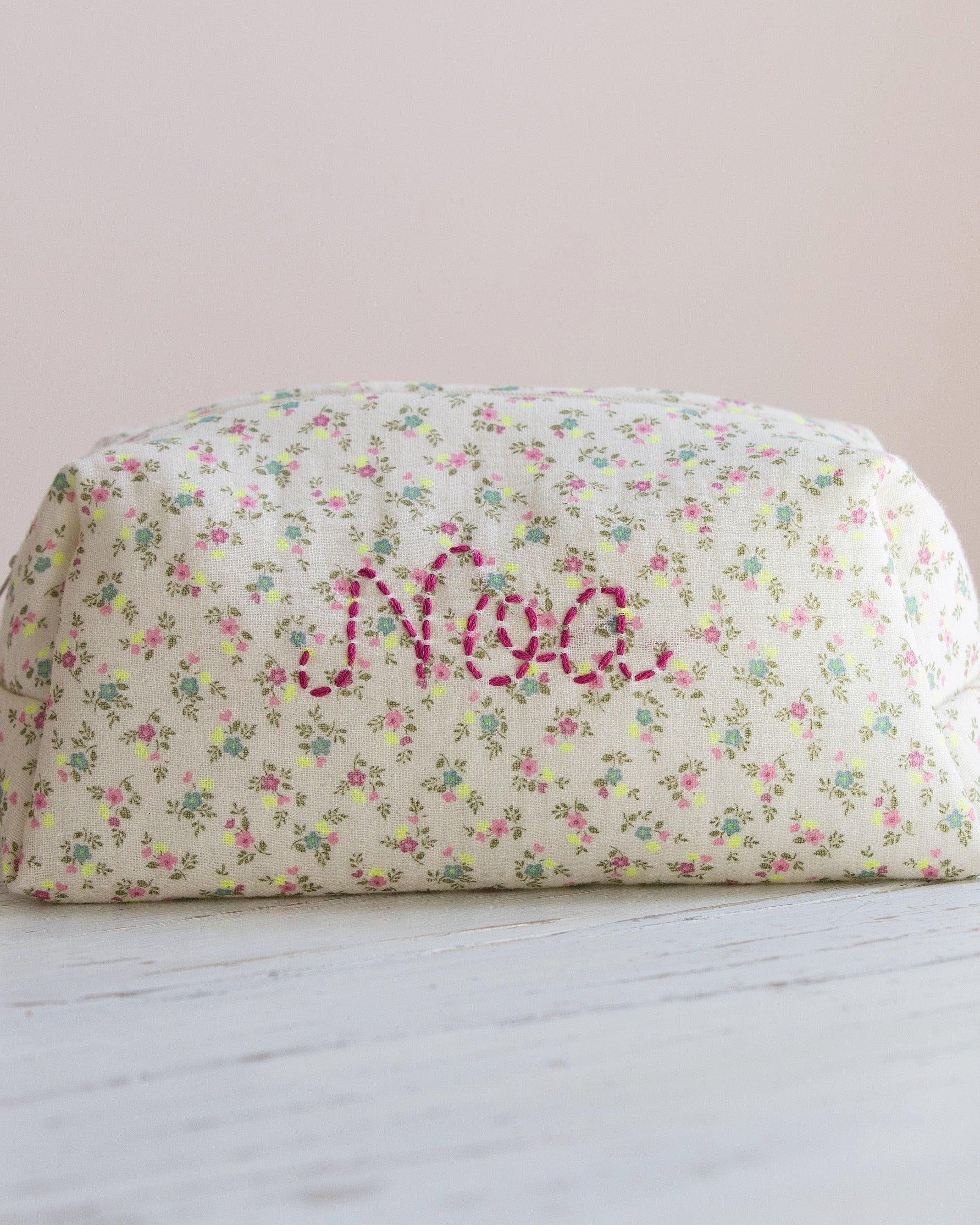
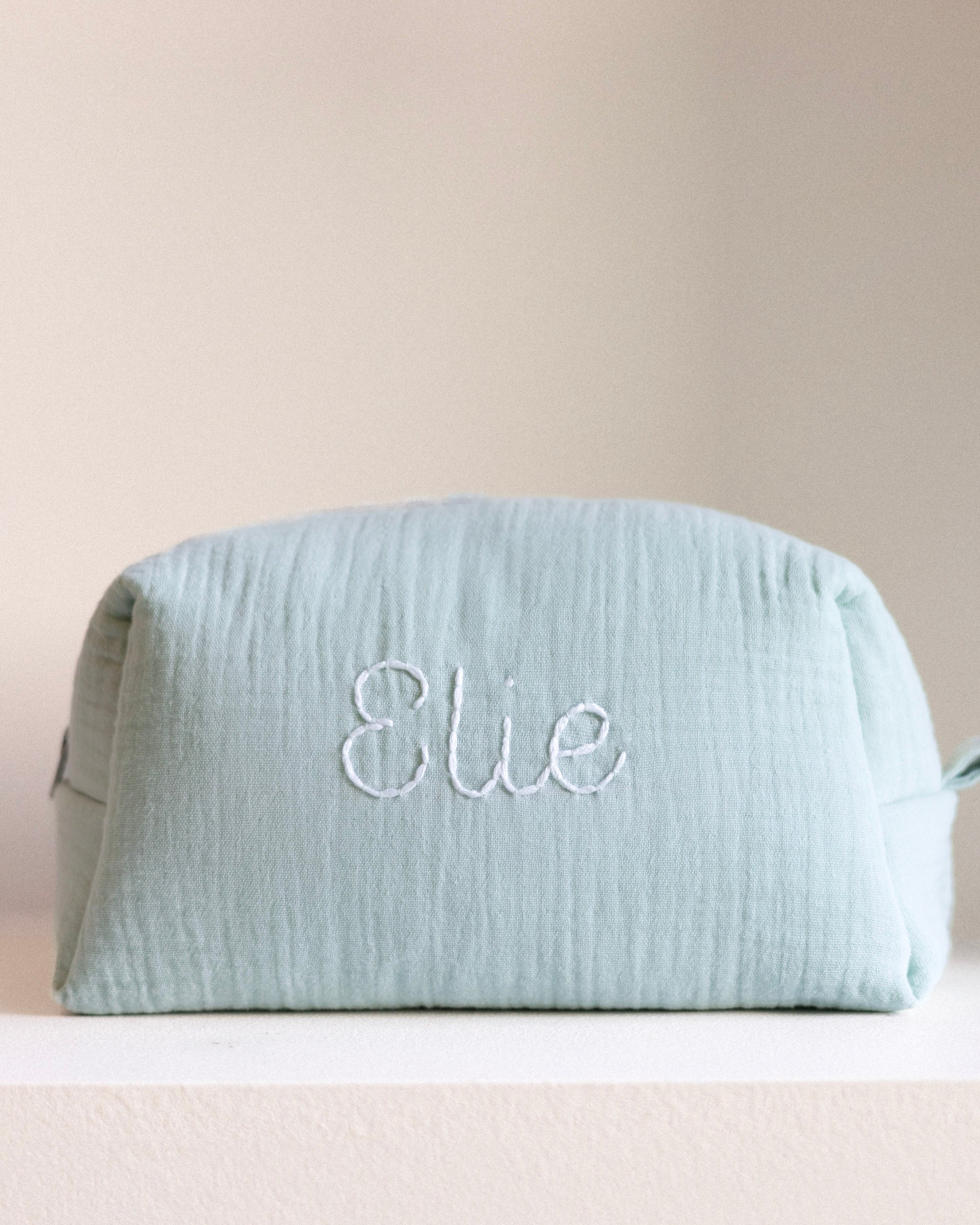
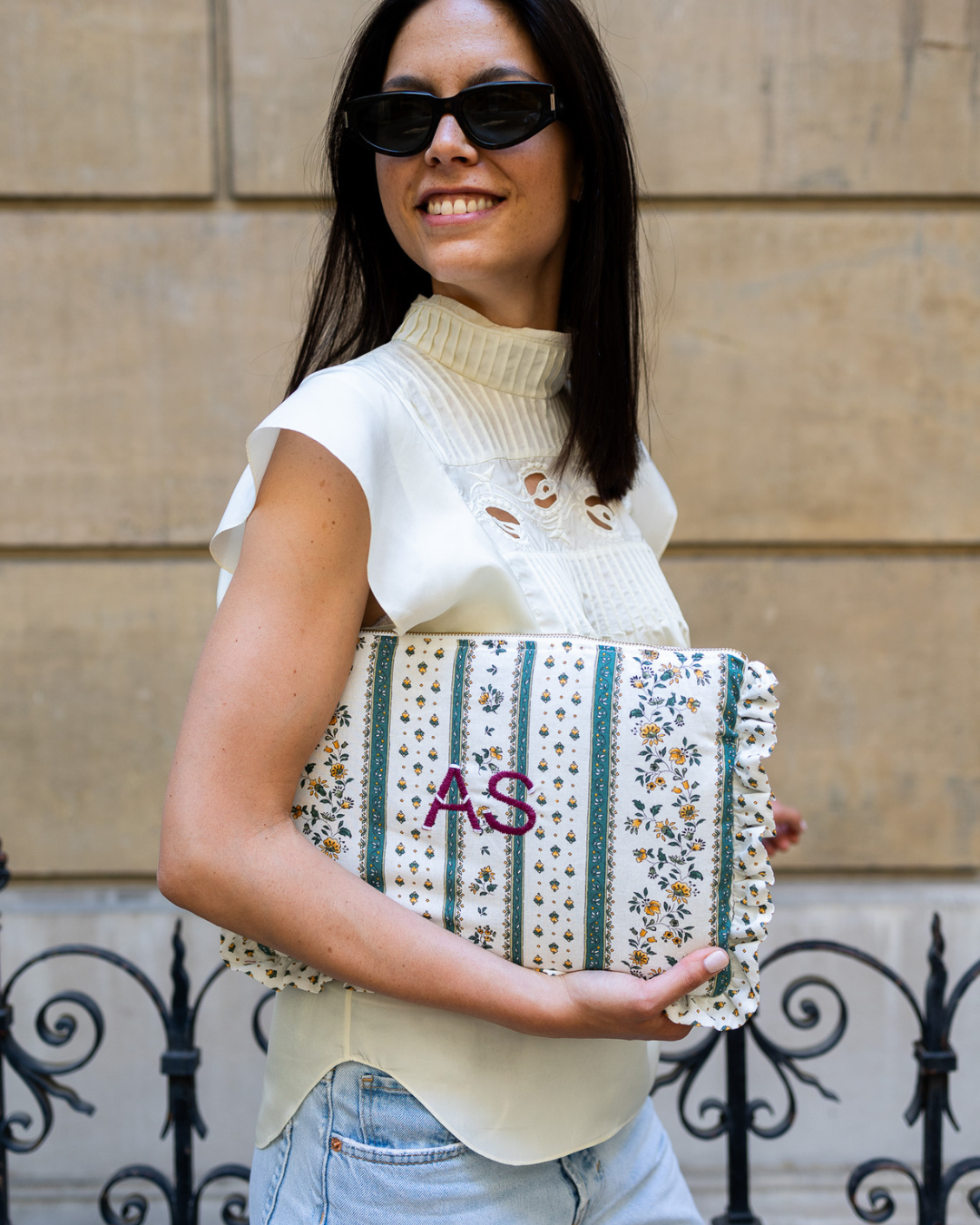
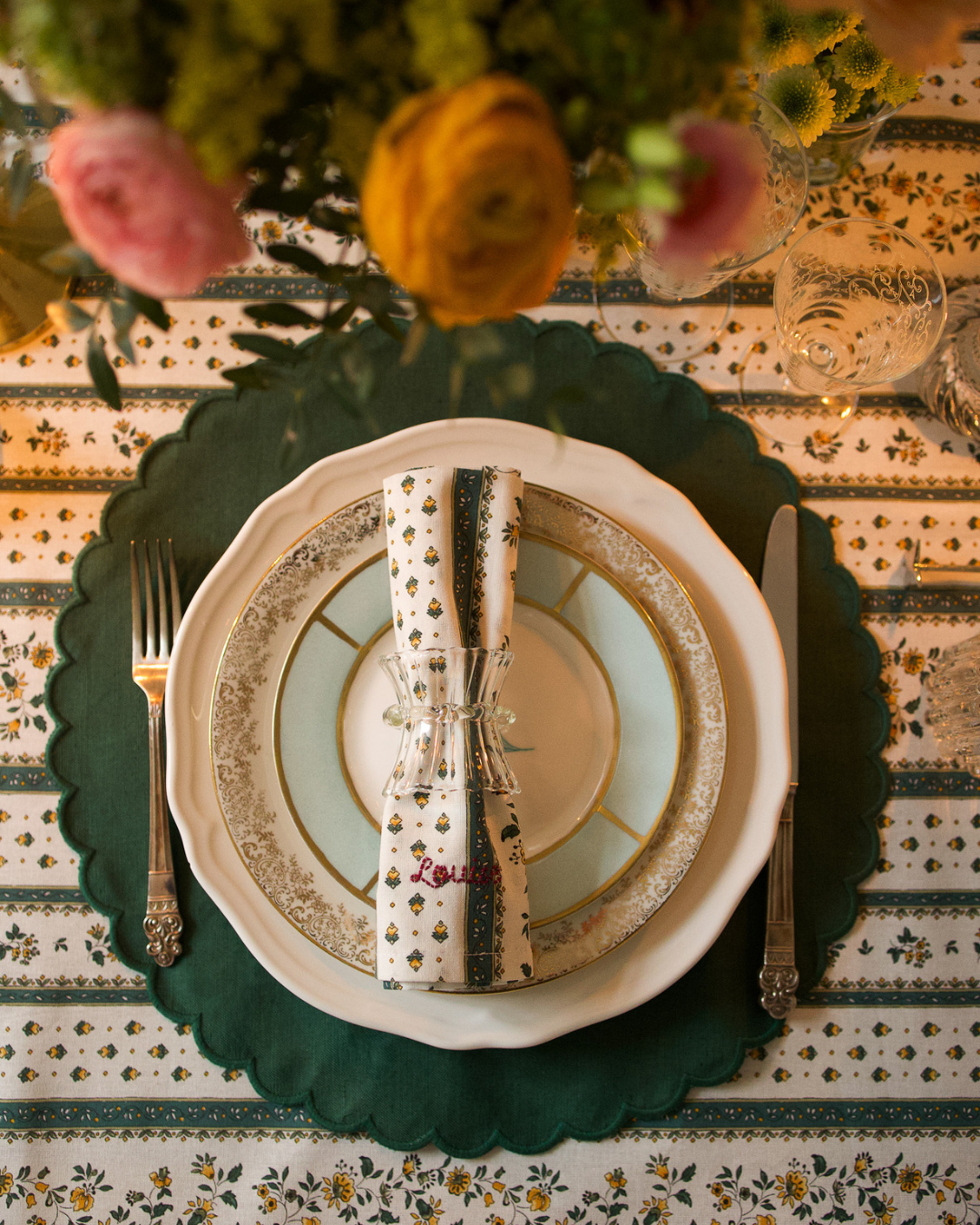
A shared element like a similar pattern, identical embroidery, a common stripe, or a coordinated accessory ; is often enough to create the matchy effect.
In general, the less you do, the more elegant the result.

How to create a matchy-matchy style?
Mother-child matchy
Mother-child matchy is undoubtedly the most iconic. It expresses immediate, emotional closeness. The goal is not a “copy-paste” effect, but a natural harmony between two silhouettes, while respecting age, comfort and individual style.
Cozy at-home look
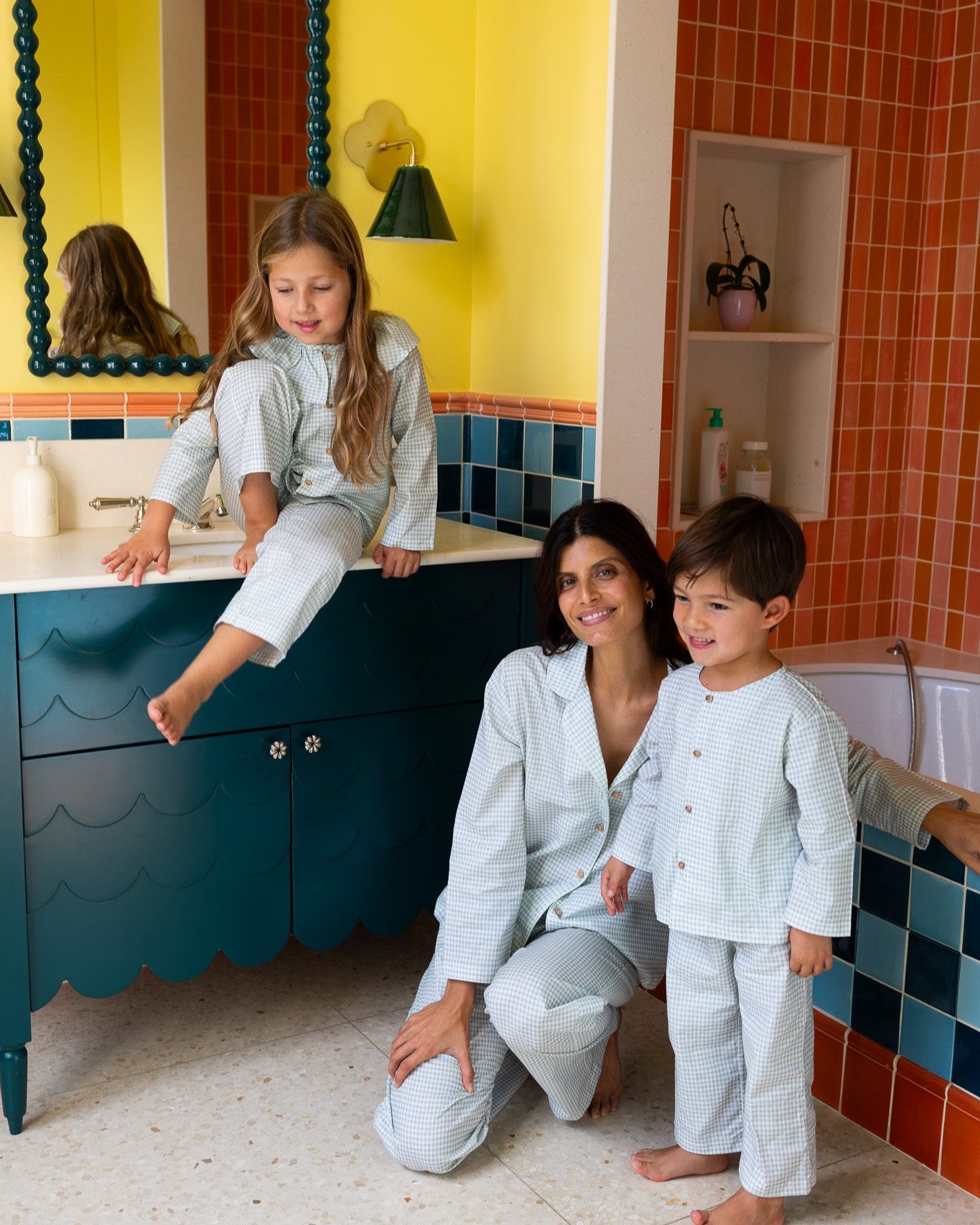
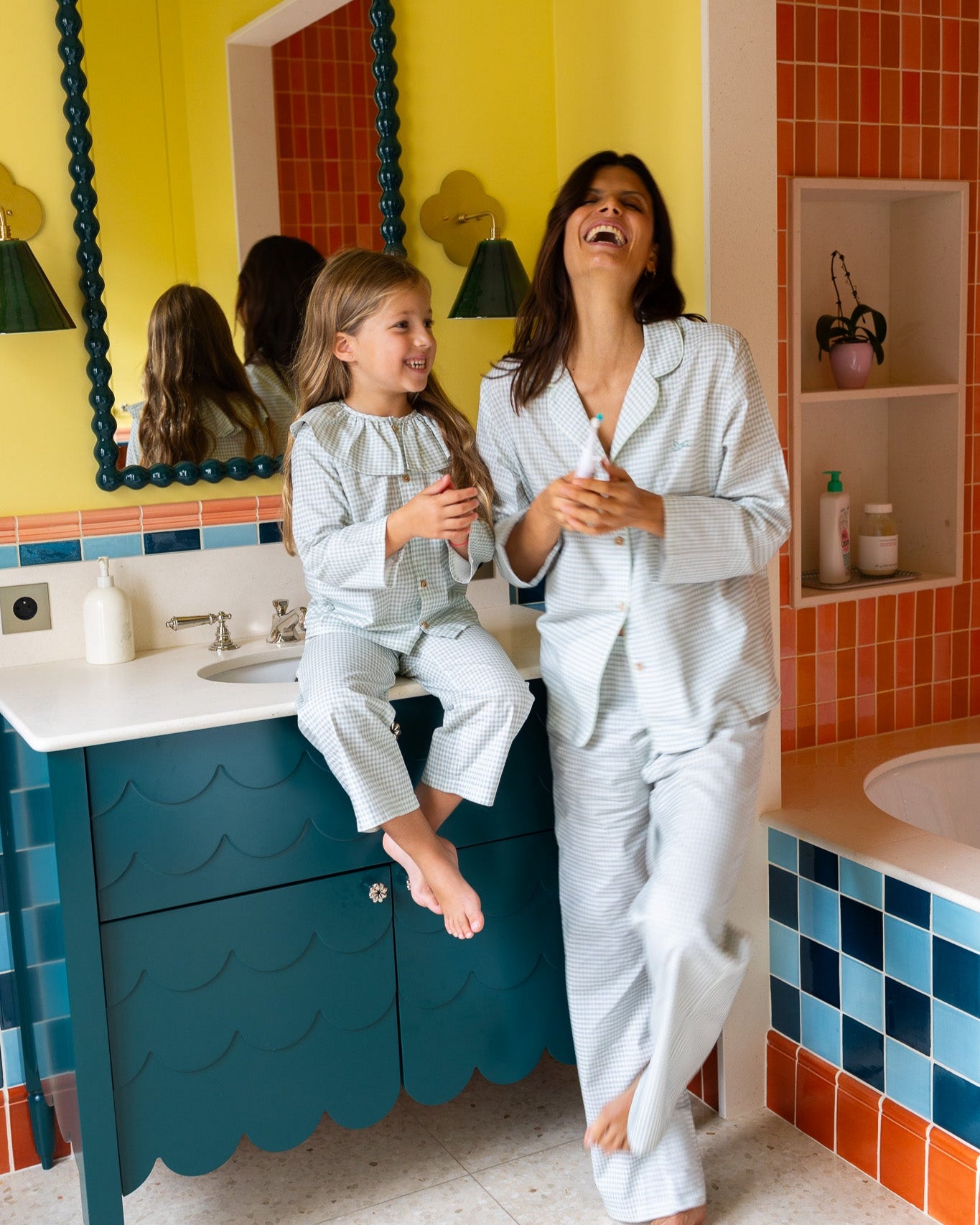
At home, mother-child matchy often takes its most obvious and natural form.
Example:
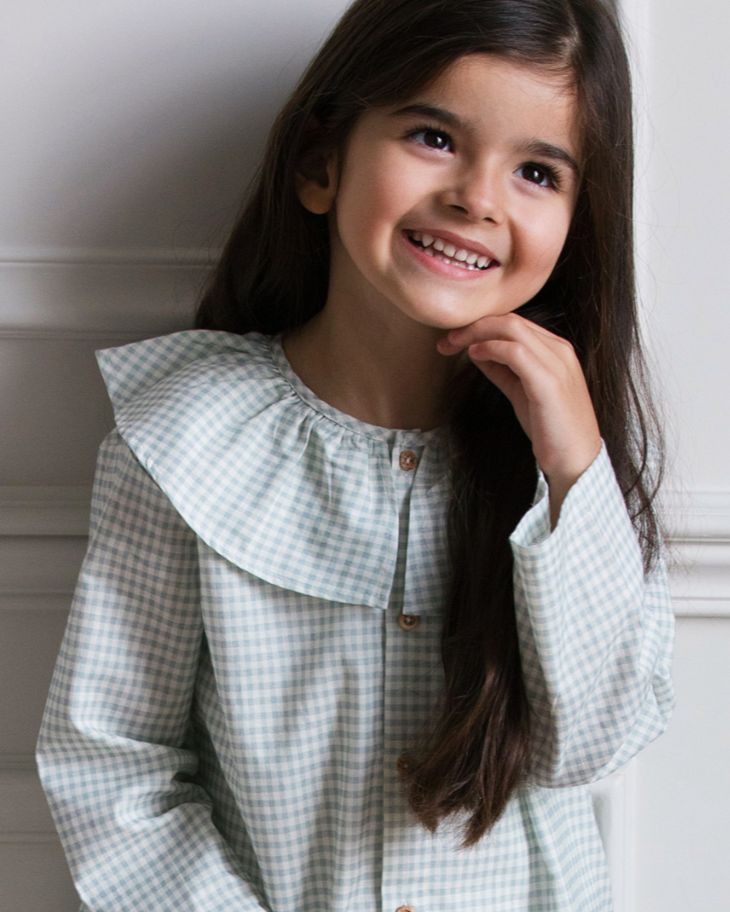
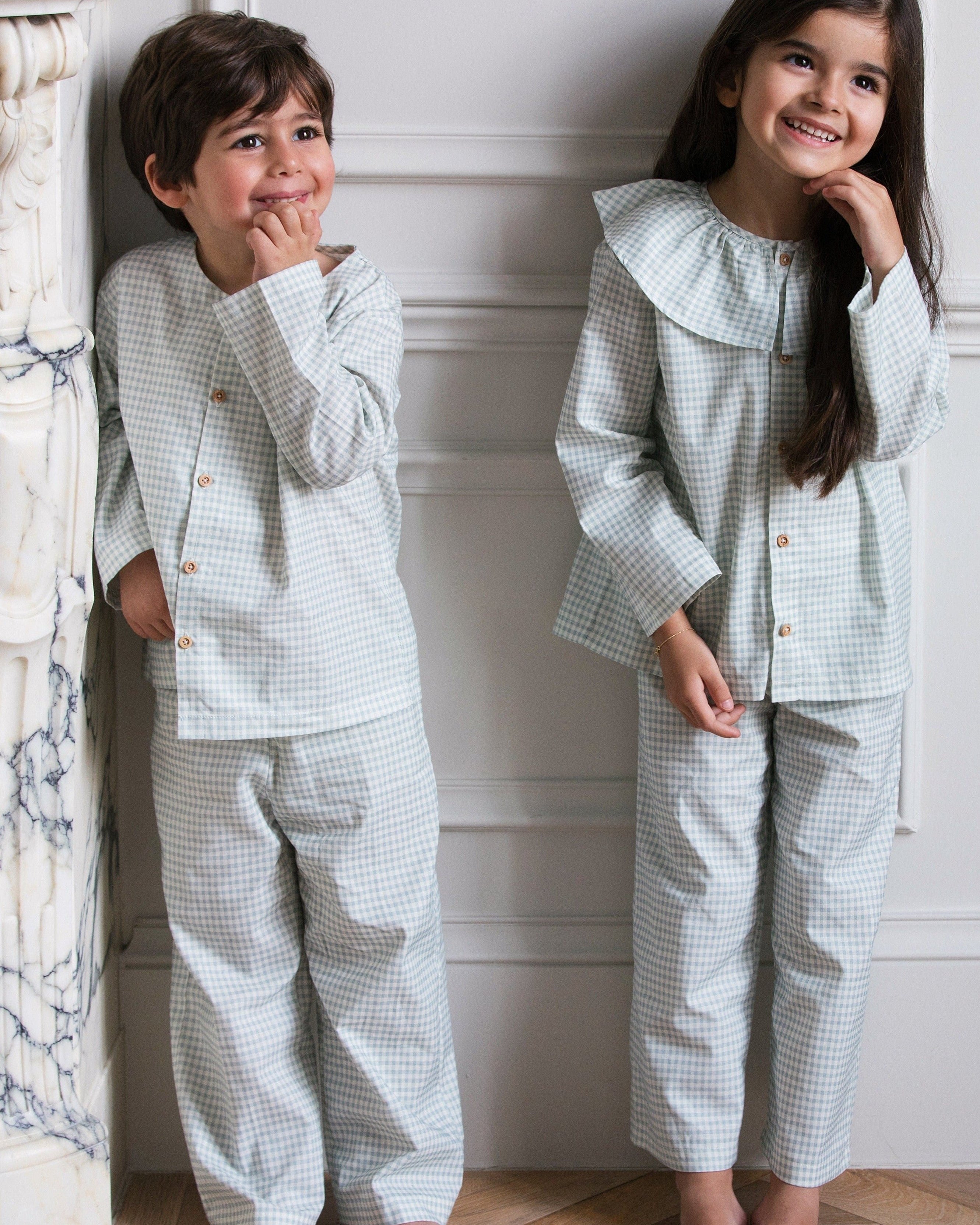
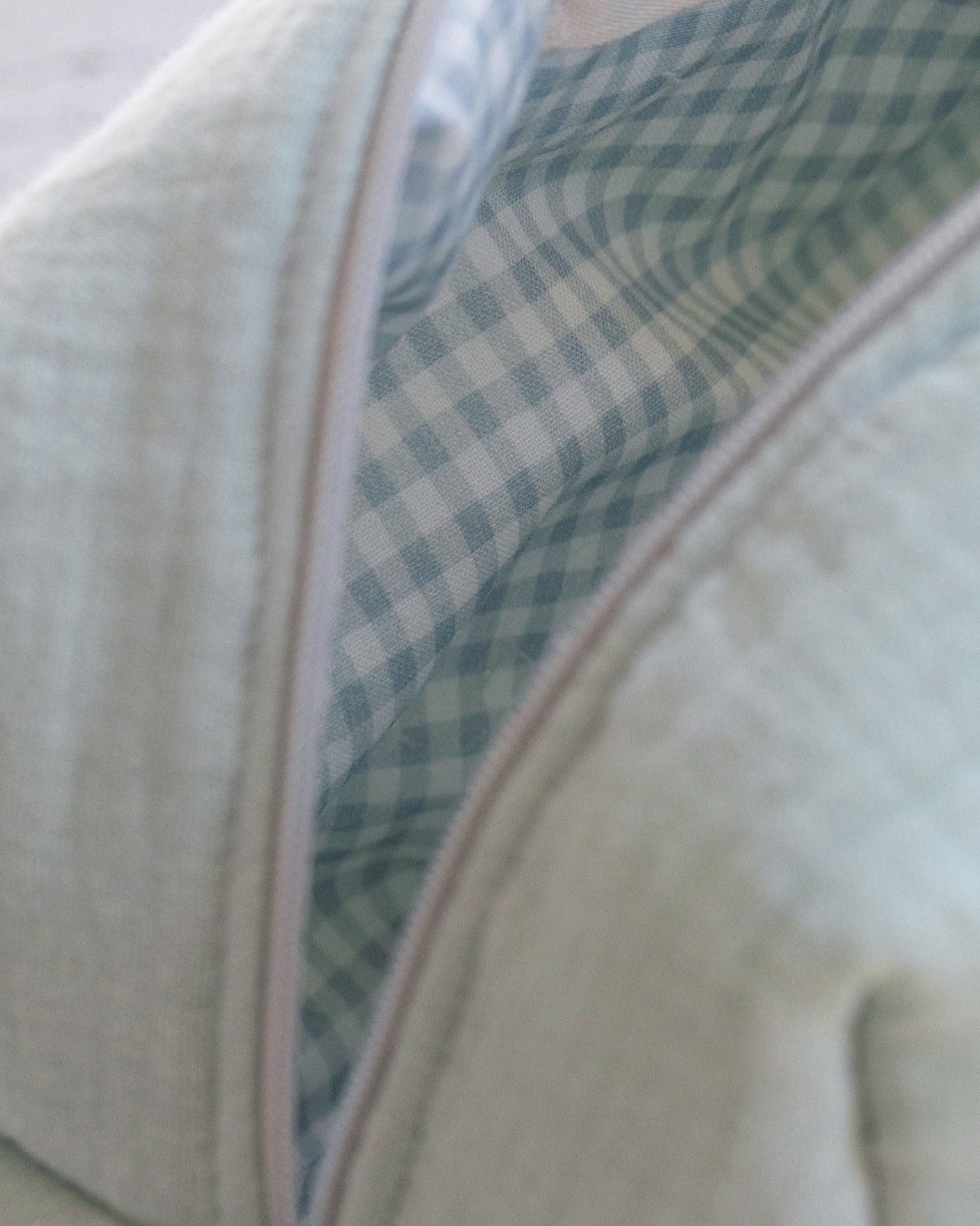
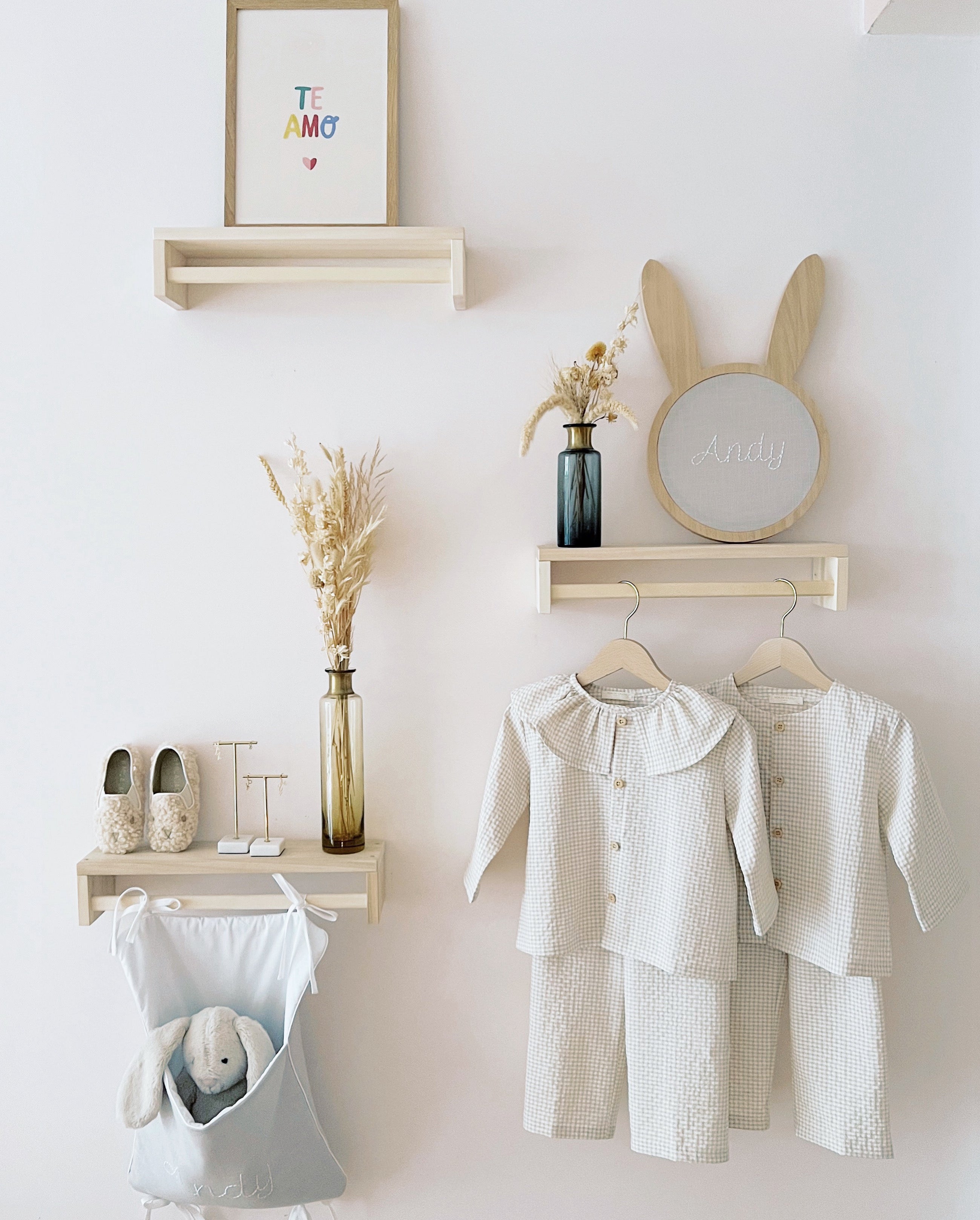
· Mother wears cotton pajamas in gingham or fine stripes.
· The child wears the same pajamas, in their own size.
Same pattern, same fabric, same spirit. The result is tender and spontaneous, without any effort. This is the most natural matchy: comfortable, emotional and obvious.
Cajou offers a full range of pajamas in coordinated colors and patterns to create matchy-matchy styles that are comfortable and relaxed.
Sunday stroll look
Here, coordination comes through the color palette rather than identical pieces.
Example:
· Mother in a flowing, luminous ecru cotton dress.
· Child in an ecru cotton blouse paired with beige shorts.
Same tonal range, silhouettes adapted to each person. Coherence is immediately visible, without a duplication effect.
Coordinated casual look
A matchy option that is easy to wear every day.
Example:
· Beige sweatshirt for the mother.
· Beige sweatshirt for the child (in a slightly lighter or warmer shade).
· Denim bottoms for both.
Same piece, adapted interpretation. The overall look stays simple, wearable and natural.
Sibling matchy
Sibling matchy is more about balance than strict replication. The aim is to create visual unity while letting each child keep their personality. Coordination should be noticeable, but never restrictive.
Coordination through color
The simplest way to coordinate several children is through color.
Example:
· The eldest wears a pastel green T-shirt.
· The younger chooses a deeper green.
· Both pair their tops with neutral bottoms (denim, beige, off-white).
Same color family, individuality preserved.
Coordination through pattern
A shared detail can create a strong link without identical outfits.
Example:
· Two tops with the same delicate embroidery or the same small, printed motif.
· Different cuts: a blouse for one, a T-shirt for the other.
The motif becomes the common thread, without imposing the same silhouette.
Coordination through fabric
Harmony can also be created through texture and feel.
Example:
· All children wear pieces in natural white or ecru cotton.
· Bottoms vary: shorts, skirts, trousers or jeans.
Same fabric, same tone, but freedom in how each silhouette is built. The matchy effect stays discreet, elegant and perfect for everyday life.
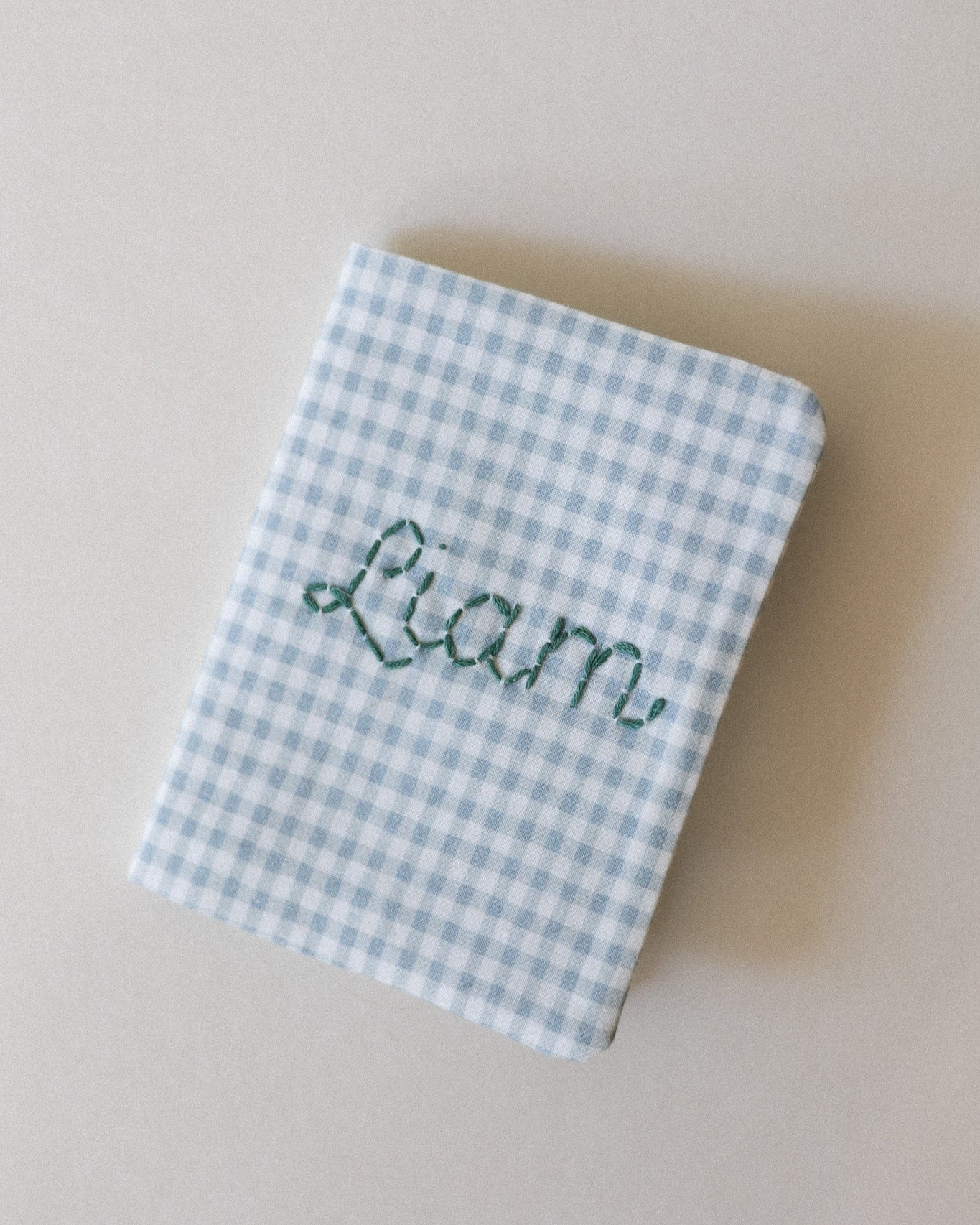
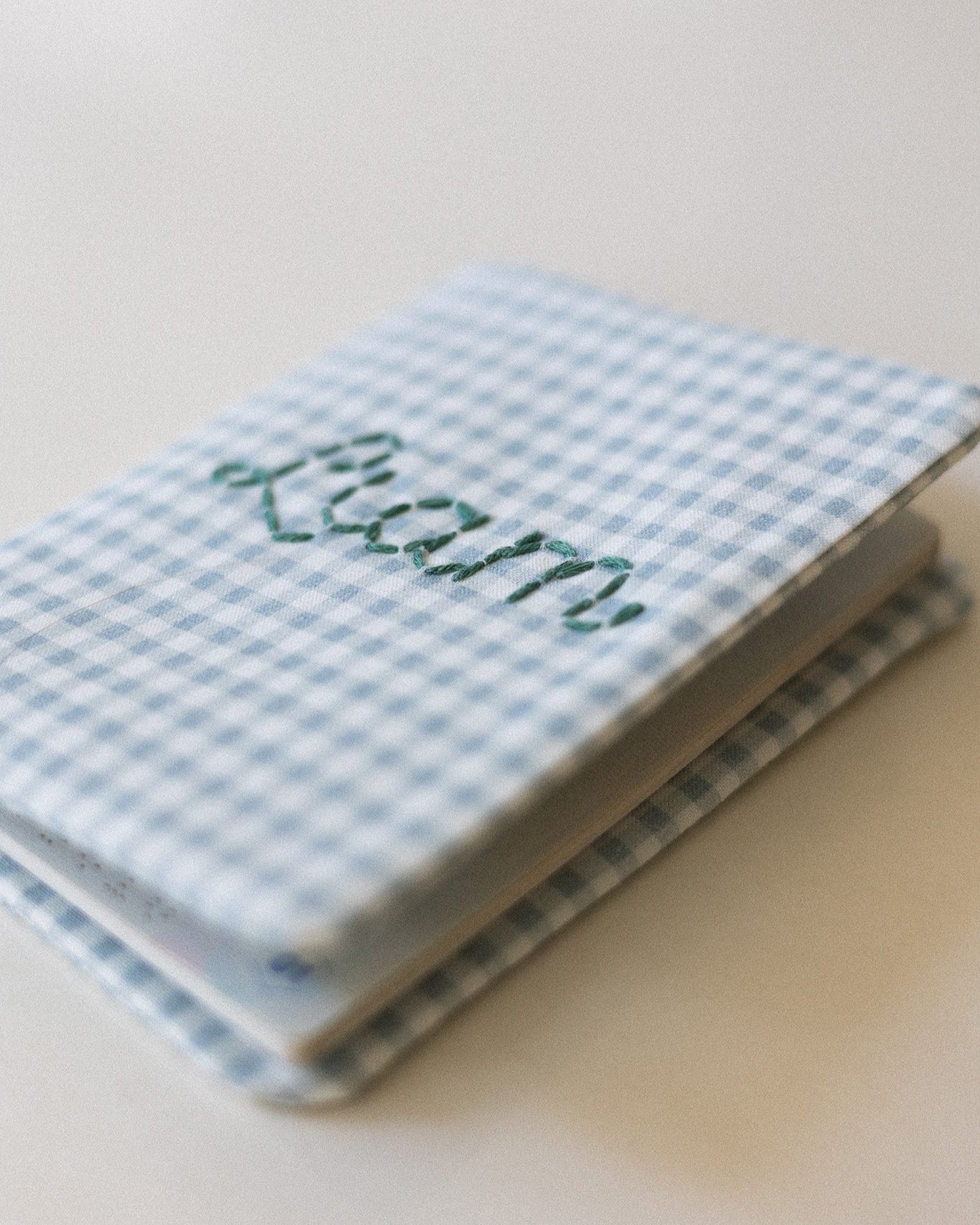
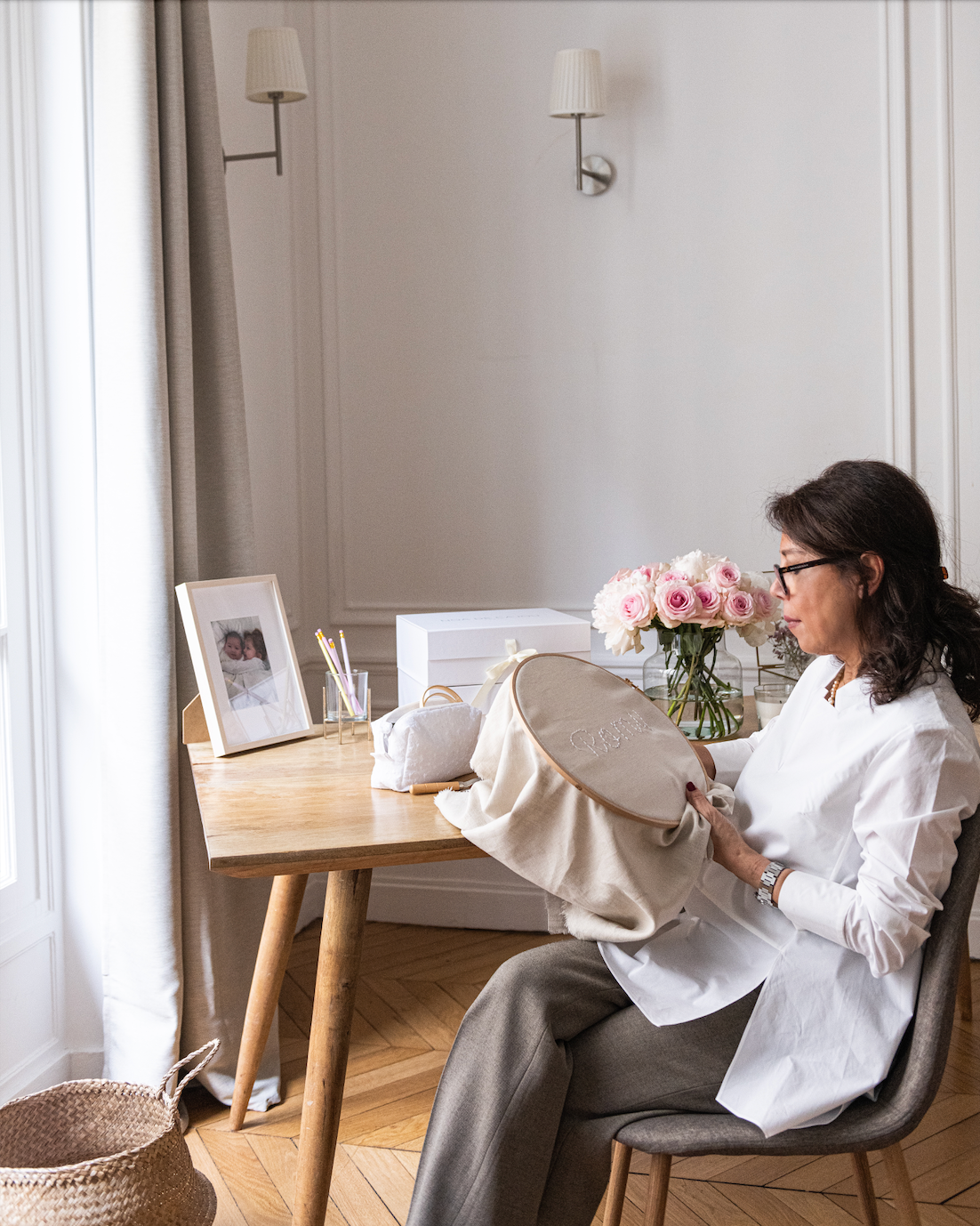
Once again, cajou paris can help you coordinate outfits: pajamas offer similar patterns in different colorways, and can be enhanced with personalized embroidery so each child can express their individuality.
For outdoor outings, you can also add matching hats made from organic cotton. A simple accessory creates natural harmony while also protecting little heads from the sun.

Matchy as a couple
Matchy is not limited to families. As a couple, it can be just as elegant and often more subtle. The goal is not to dress identically, but to create a natural visual coherence.
Matchy through color
Choosing a shared palette is the most straightforward way to coordinate a duo.
Example:
· She wears an ecru cotton dress or blouse.
· He chooses an ecru or light beige shirt.
The rest can differ (jeans vs. Fluid trousers), but color creates the link immediately.
Matchy through fabric
Sharing the same texture brings a quiet, effortless harmony.
Example:
· She in a lightweight cotton dress.
· He in a cotton shirt or overshirt, in a similar tonal range.
Same fabric, different silhouettes: coordinated, without feeling forced.
Everyday casual matchy
A simple option for a weekend or informal outing.
Example:
· Beige sweatshirt or knitwear for her.
· Beige sweatshirt or sweater (in a slightly different shade) for him.
Paired with neutral bottoms (denim, straight trousers), these pieces create a clean, natural unity.
Cozy at-home matchy
Couple matchy also works in relaxed mode.
Example:
Coordinated pajamas in the same print or a soft color.
It’s a playful and affectionate way to show closeness, especially during quiet weekends or holidays.
“pleasure” matchy: no pressure, just connection
Matchy does not need to be designed for a perfect photo. It can be:
· Spontaneous
· Imperfect
· Simple
“we’re all wearing a white top today.”
A spontaneous decision can be enough to create a small shared code. What matters most is comfort and shared enjoyment.
Looking for a soft matchy style? Discover cajou paris
For those who want to create matchy-matchy styles that are elegant and comfortable, cajou paris offers pieces designed specifically for women and children.
Matchy-matchy pajama sets make it easy to create a coordinated duo instantly:
· Gingham prints
· Soft colors
· Comfortable cotton
· Refined finishes
Coordinated pajamas are perfect for:
· Family weekends
· Holidays
· Cozy evenings
· Meaningful gifts
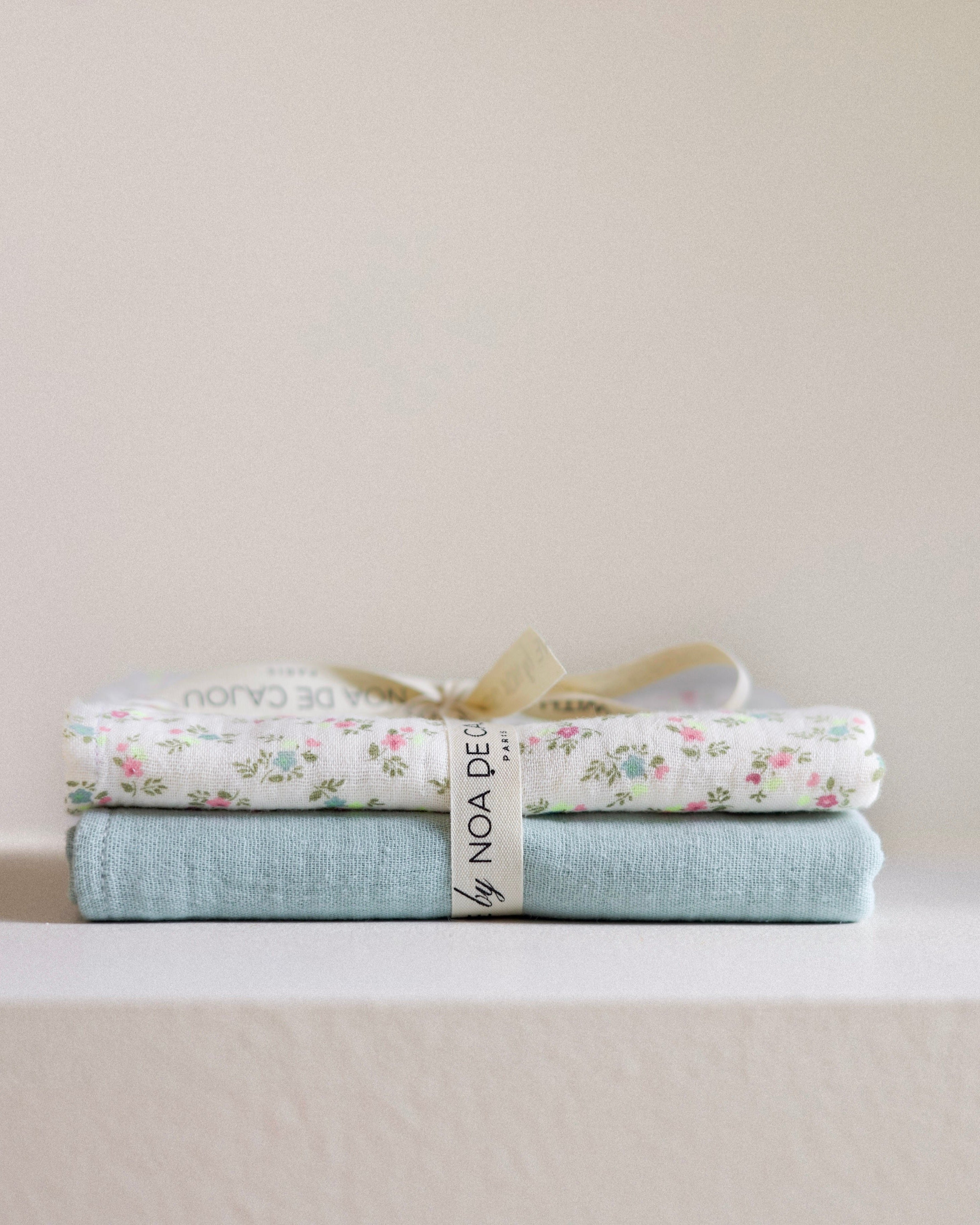
Beyond pajamas (often made from organic cotton), accessories also help create matchy-matchy styles that are subtle and natural for everyday life.
Creating a matchy-matchy style should never be complicated. With soft fabrics, comfortable cuts and a harmonious palette, it becomes a simple gesture to celebrate connection while staying elegant.