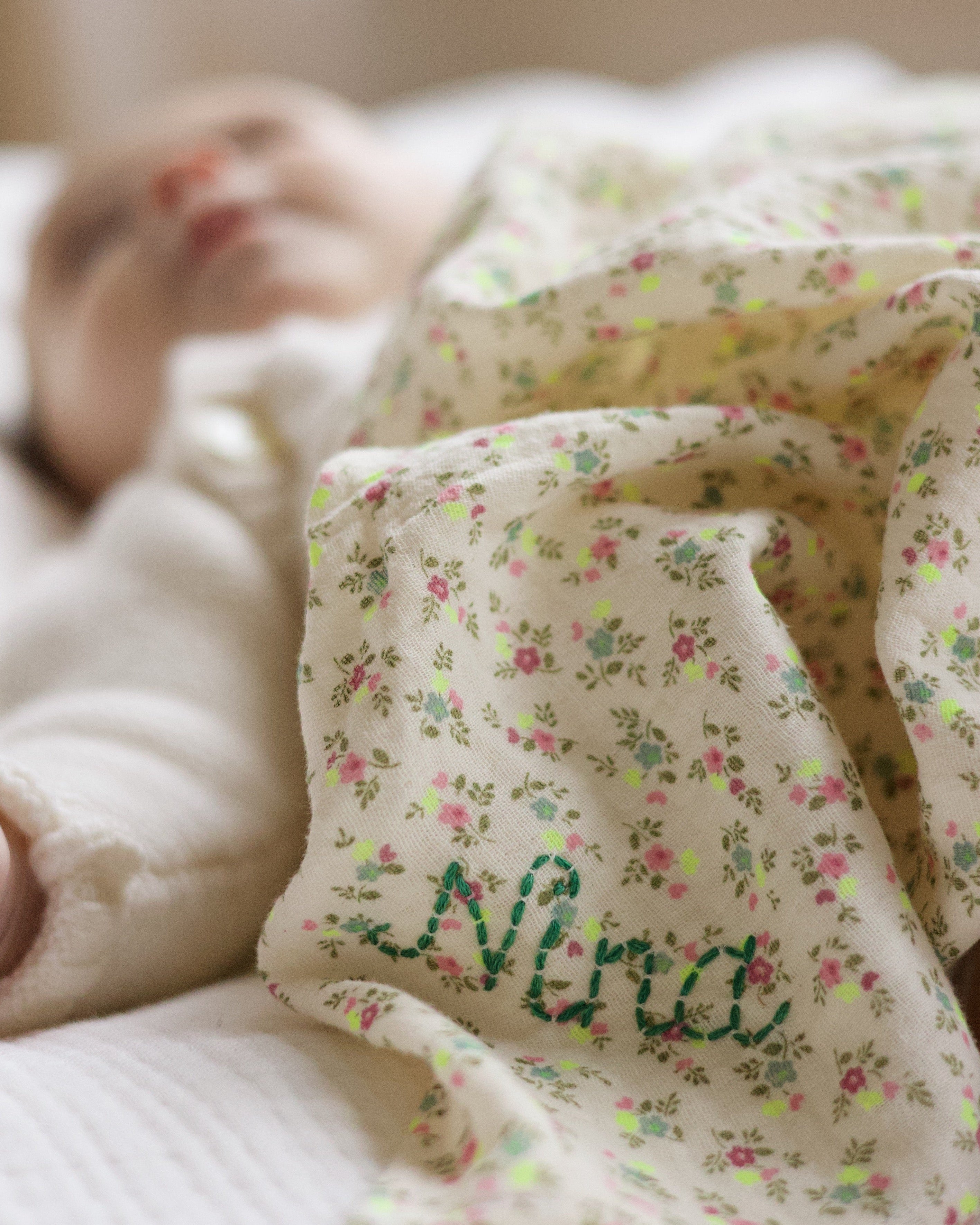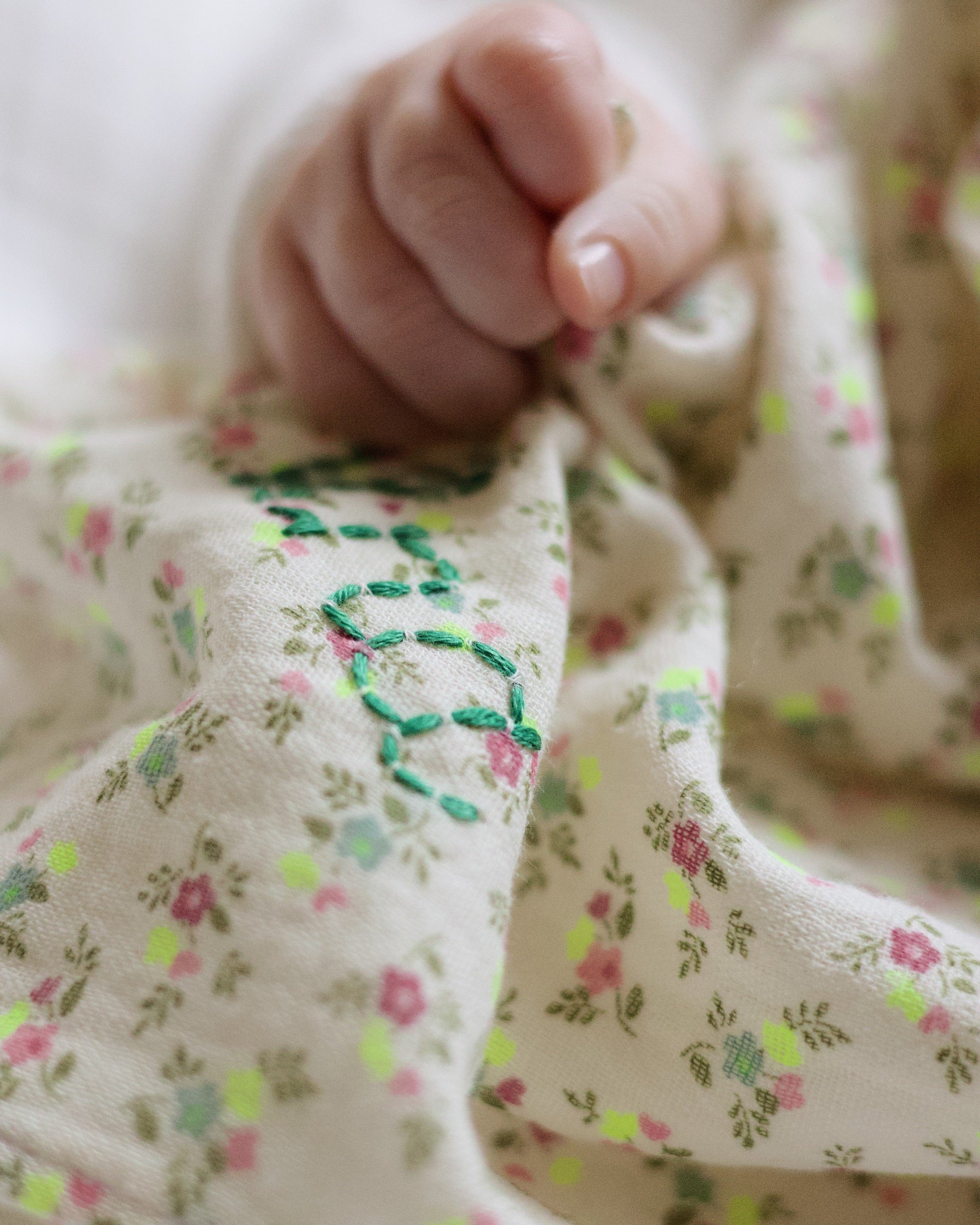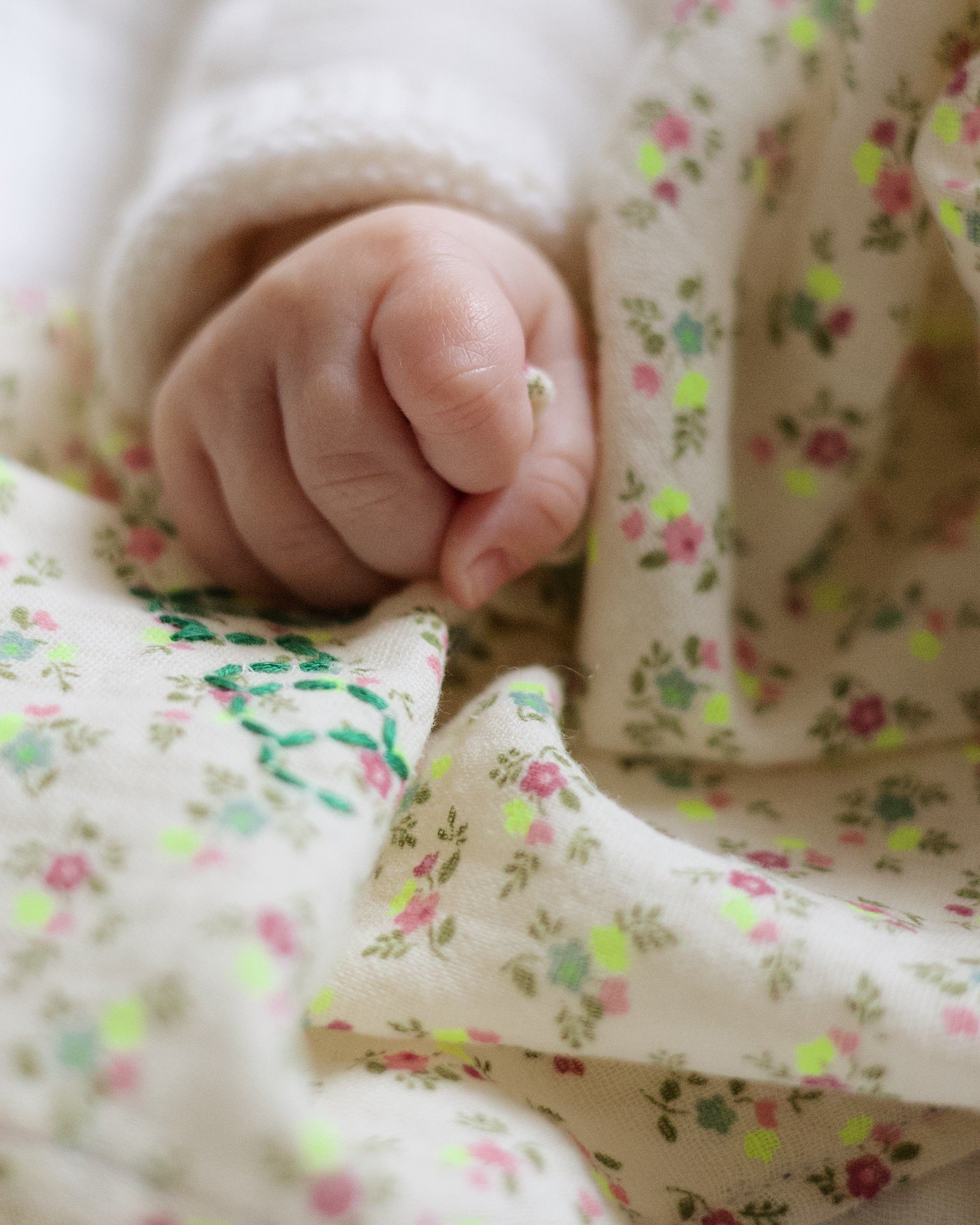


The matching look is appealing: it allows you to create visible harmony between parent and child, without necessarily wearing exactly the same outfit. Colors, materials, patterns, accessories or embroidered details can be enough to compose a coordinated, natural and comfortable ensemble.
A successful matching look is first and foremost based on balance. It is not necessarily about reproducing the parent’s outfit identically on the child, but about creating visual continuity by using the same color, a shared pattern, a similar material or a matching accessory.
A coordinated outfit works best when it is simple, fluid and suited to the situation. A color reminder, a shirt and a blouse in the same spirit, a touch of gingham or coordinated embroidery can create a more elegant result than an overly obvious total look.
It should also respect each person’s style. The child should not be dressed like a miniature adult if the outfit does not suit their age or needs. In the same way, the parent can echo one detail from the child’s outfit without wearing exactly the same pieces. That nuance is what makes the result feel more natural.

What criteria should you follow when choosing a matching outfit with your child?
Adapt the look to the child’s age
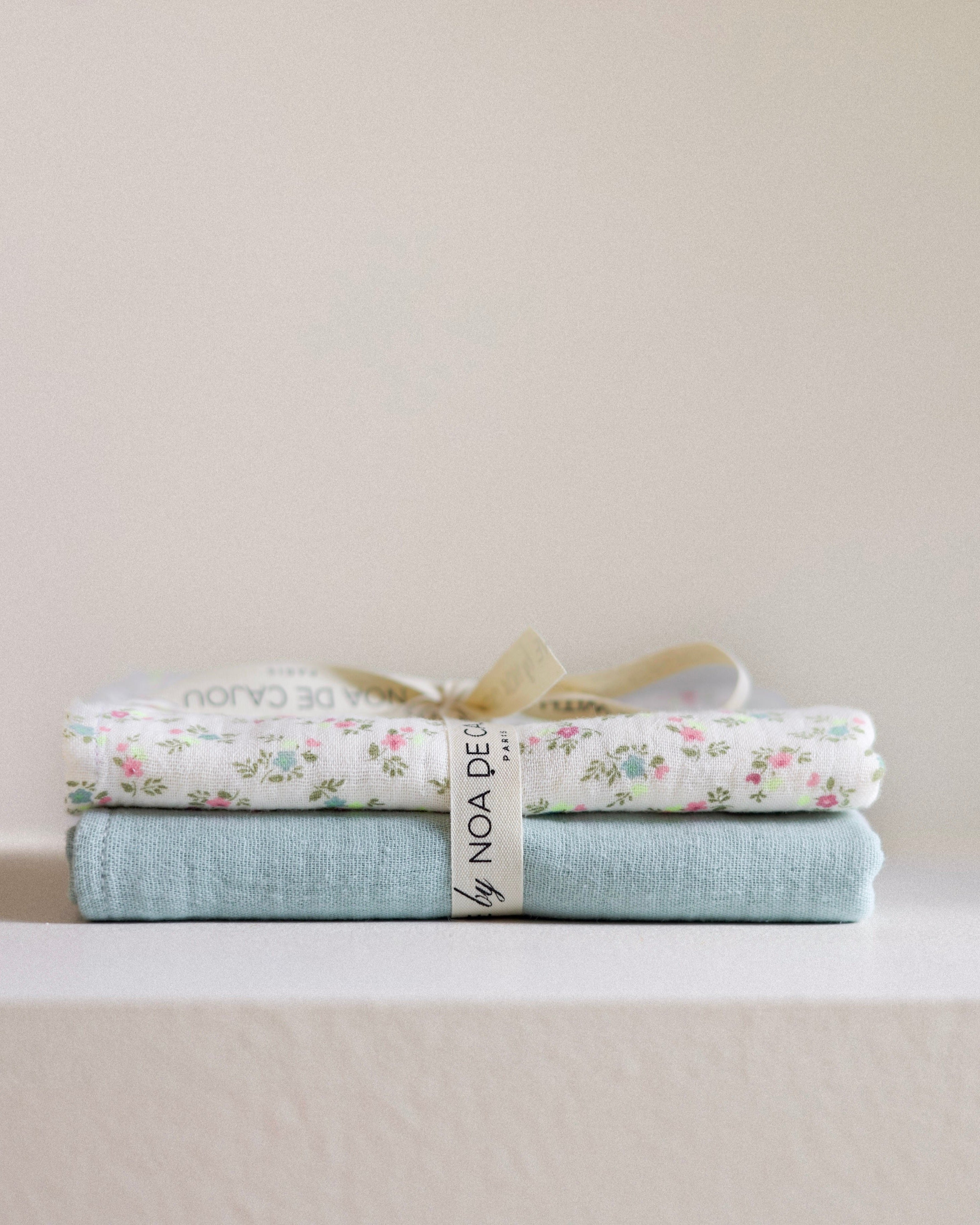
With a baby, comfort, softness and ease of dressing should remain priorities. The matching look can then come through a blanket, a bodysuit, a blouse, a textile accessory or a small embroidered piece that echoes the parent’s outfit.
With an older child, the outfit can be more assertive, but it should take their tastes into account. A child who is starting to express preferences will accept a matching look more easily if they take part in choosing the color, pattern or accessory. The outfit then becomes a shared moment rather than an imposed composition.
Let the child take part in choosing the outfit
A matching look works better when the child feels involved. Offering a few simple options allows you to maintain visual harmony while respecting their personality. They can choose between two colors, two accessories or two patterns, while the parent preserves the overall coherence of the outfit.
This participation also makes the result more authentic. A coordinated look should not only be designed for a photo or a visual effect. It should remain pleasant to wear and reflect a form of complicity. When the child likes their outfit, the result immediately feels more natural.
Prioritize comfort and pleasant materials
Comfort is essential, especially for a child. A matching outfit can be aesthetic, but it should never restrict movement, scratch, feel too warm or prevent the child from playing freely. Soft, breathable materials such as cotton, cotton gauze, linen or lightweight knitwear are often the most suitable.
This requirement also applies to dressier occasions. For a wedding, christening or photo shoot, it can be tempting to choose a very elaborate outfit. Yet a comfortable, well-cut and pleasant garment will often create a better result than a piece that is too stiff or too restrictive.
Choose an outfit that is easy to wear
A good matching look should not be reserved for a single occasion. Separate pieces, such as a shirt, trousers, a skirt, a blouse, a sweatshirt or an accessory, have the advantage of being wearable again in other outfits. This allows you to create a coordinated ensemble without buying an outfit designed for one-time use.
This approach is particularly relevant for everyday looks. A matching piece can work in a parent-child outfit, then be reused on its own with more neutral clothes. The matching look then becomes more practical, more durable and easier to integrate into an existing wardrobe.

Creating a harmonious matching look with your child
Start with a coherent color palette
Color is often the easiest way to achieve a successful matching look. You simply need to choose a reduced palette, then use it across both outfits. Shades such as white, beige, sky blue, powder pink, gray or navy blue help create a soft harmony that is easy to wear.
The parent and child do not need to wear exactly the same color in the same place. The parent can wear a blue shirt while the child wears shorts, a dress or an accessory in a similar shade. This echo effect creates a more subtle result than a perfect reproduction of the outfit.
Echo a pattern in small touches
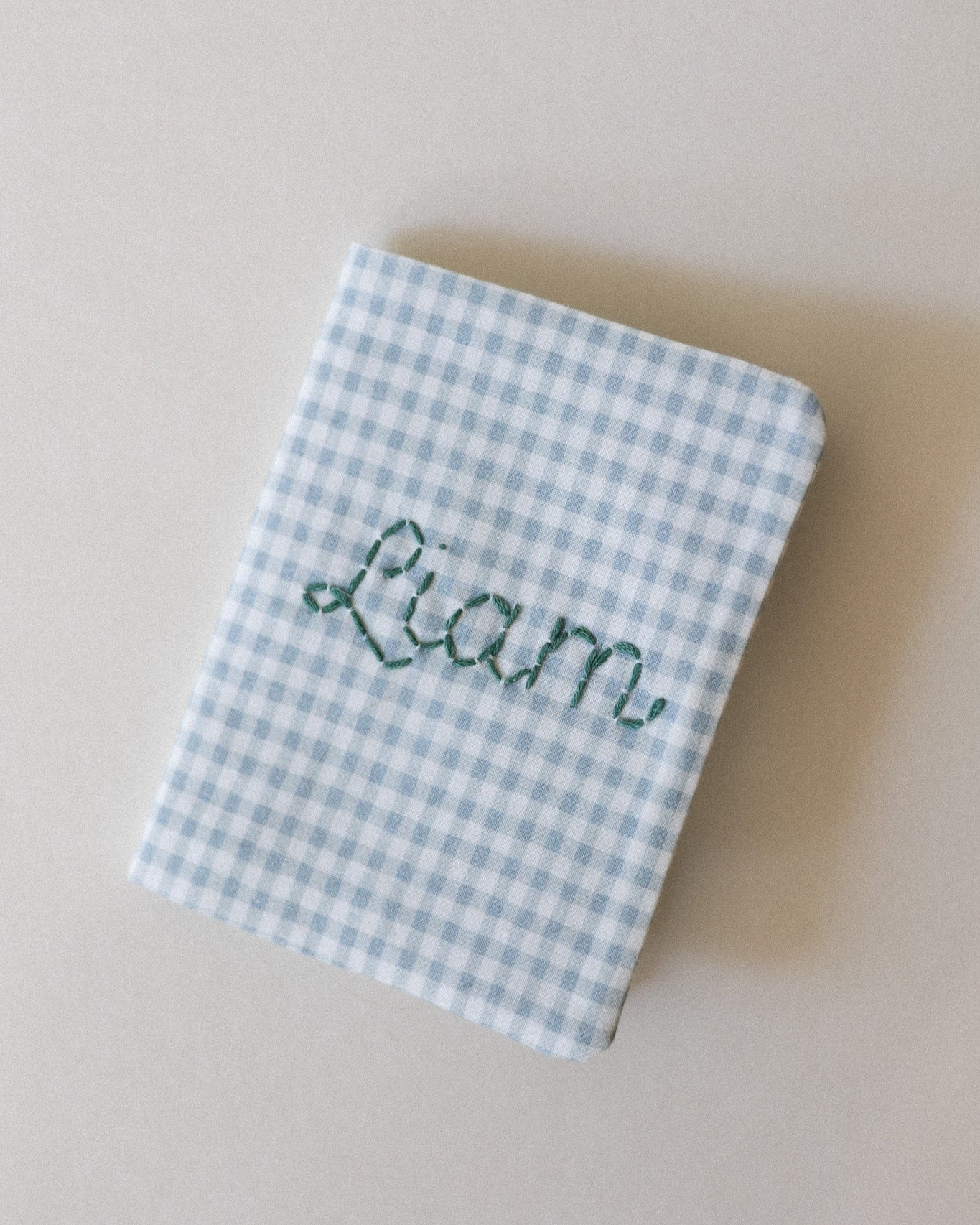
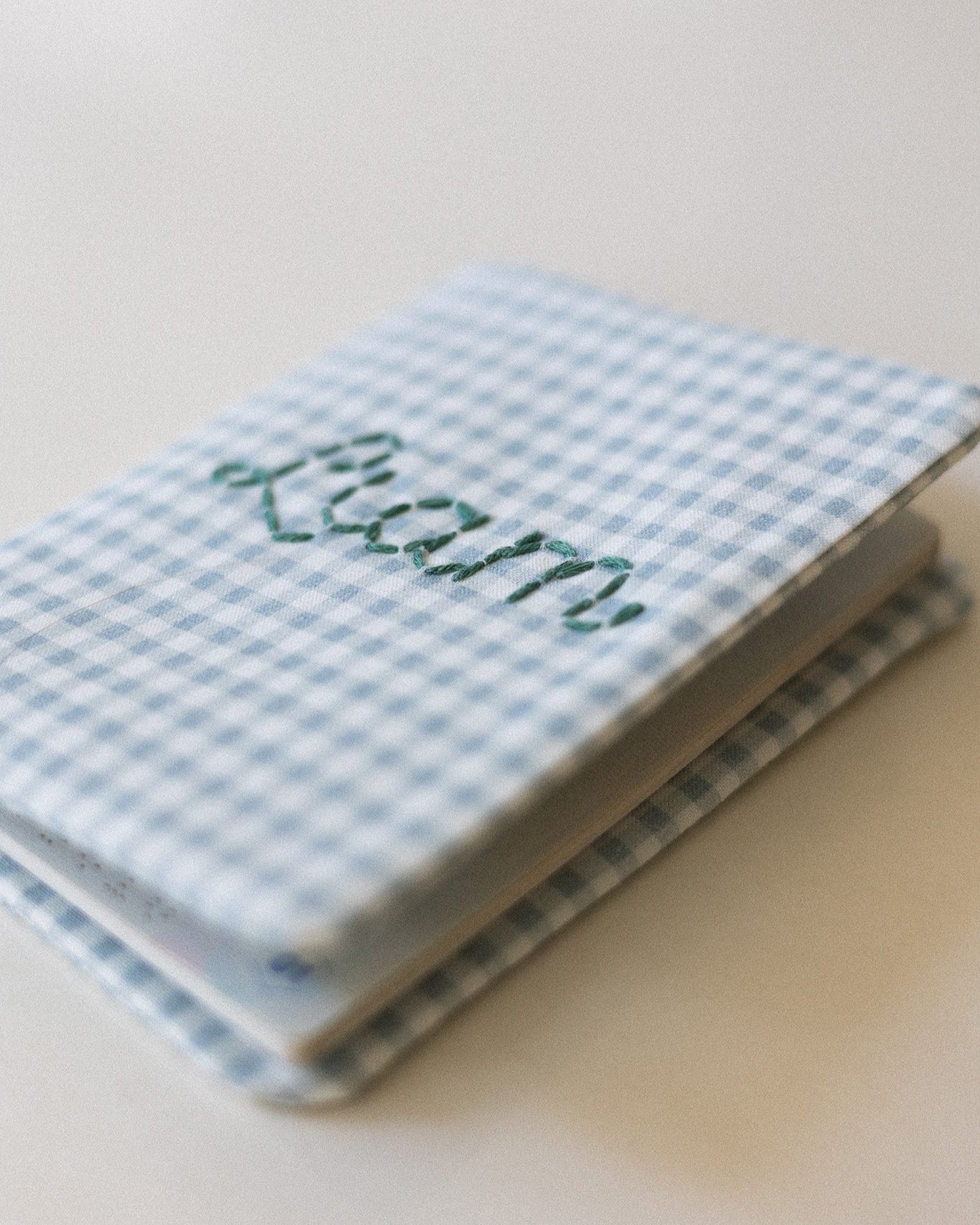
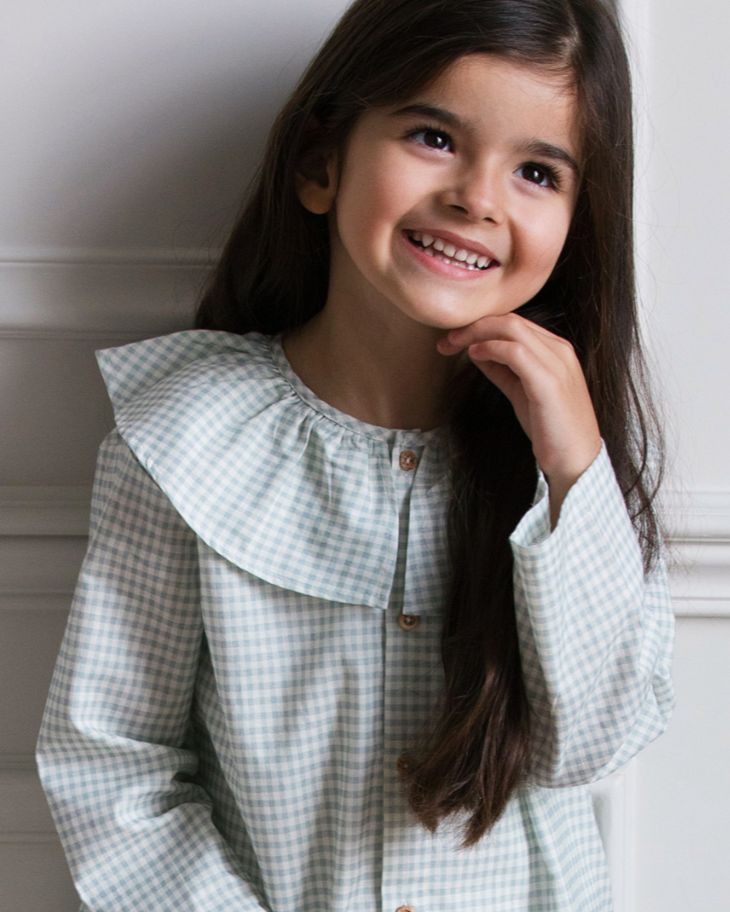
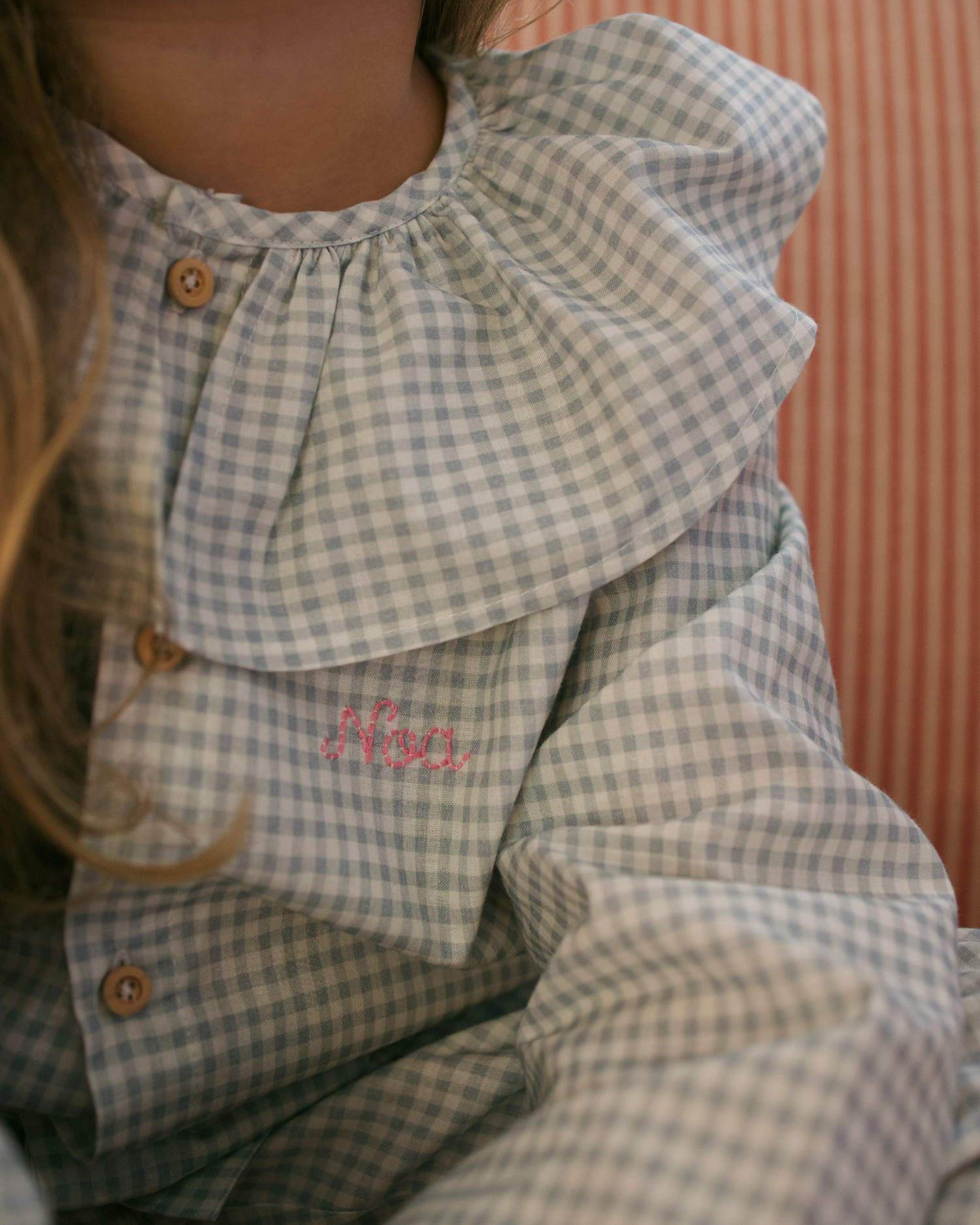
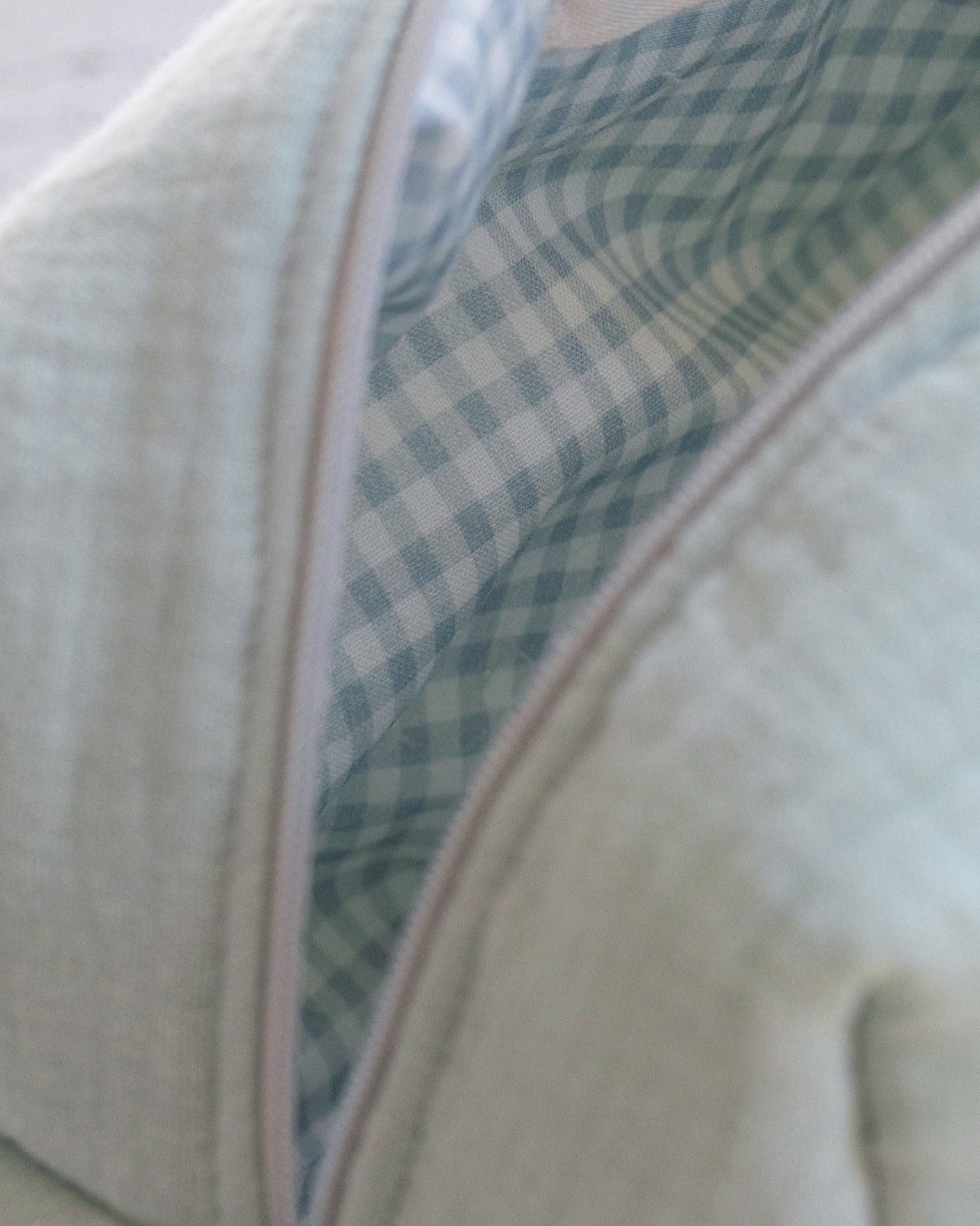
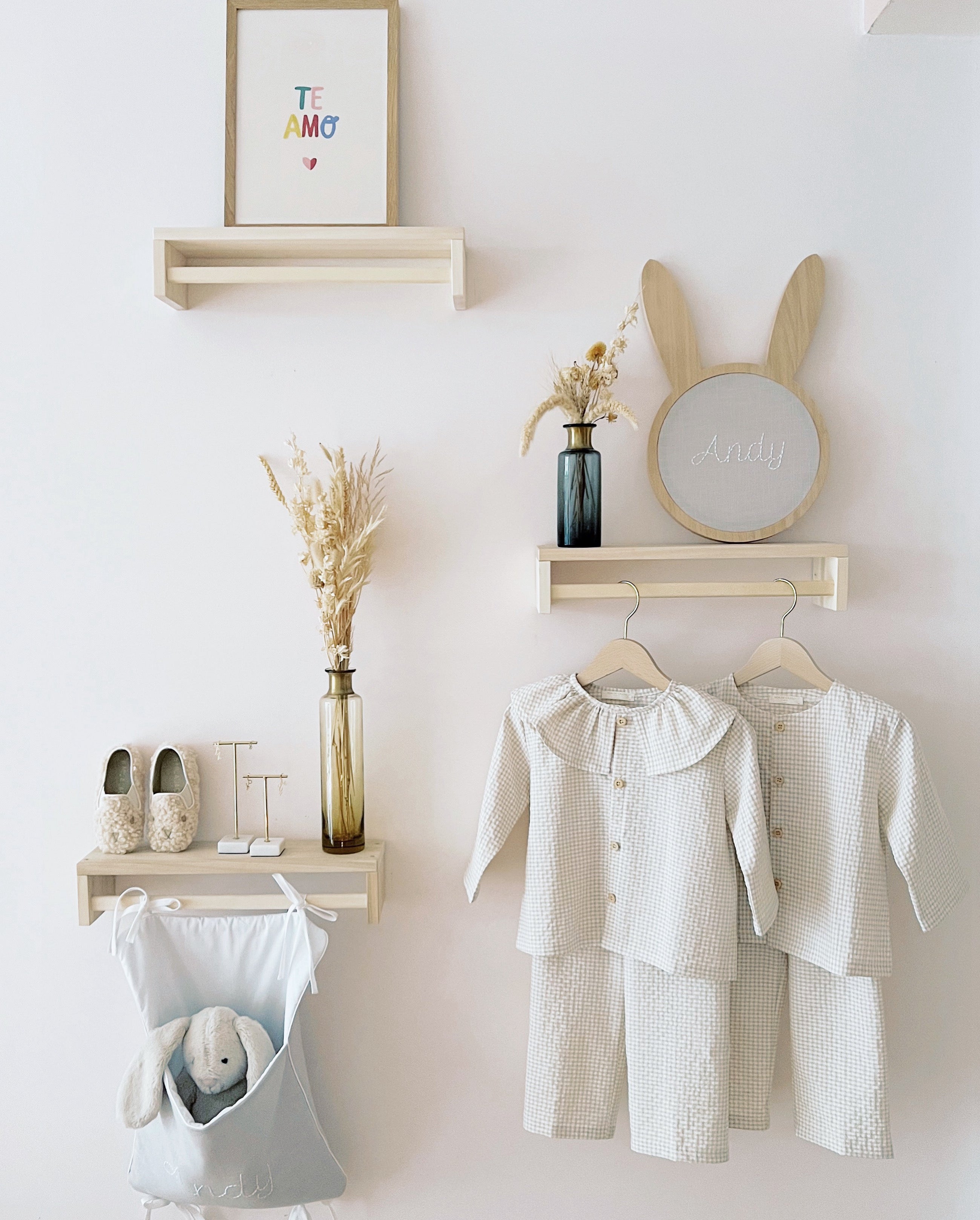
Patterns are also very effective for creating a coordinated look. Gingham, fine stripes, small checks, discreet florals or prints can add character to the outfit while maintaining visual unity.
To avoid an overloaded effect, it is better to use the pattern with restraint. The child can wear a main patterned piece, while the parent echoes the same spirit on an accessory, a shirt or a more discreet detail. This method creates a coordinated outfit without making the two silhouettes look identical.
Rely on accessories
Accessories are an excellent way to create a matching look with subtlety.
• A scarf,
• A headband,
• A hair clip,
• A cap,
• A bag,
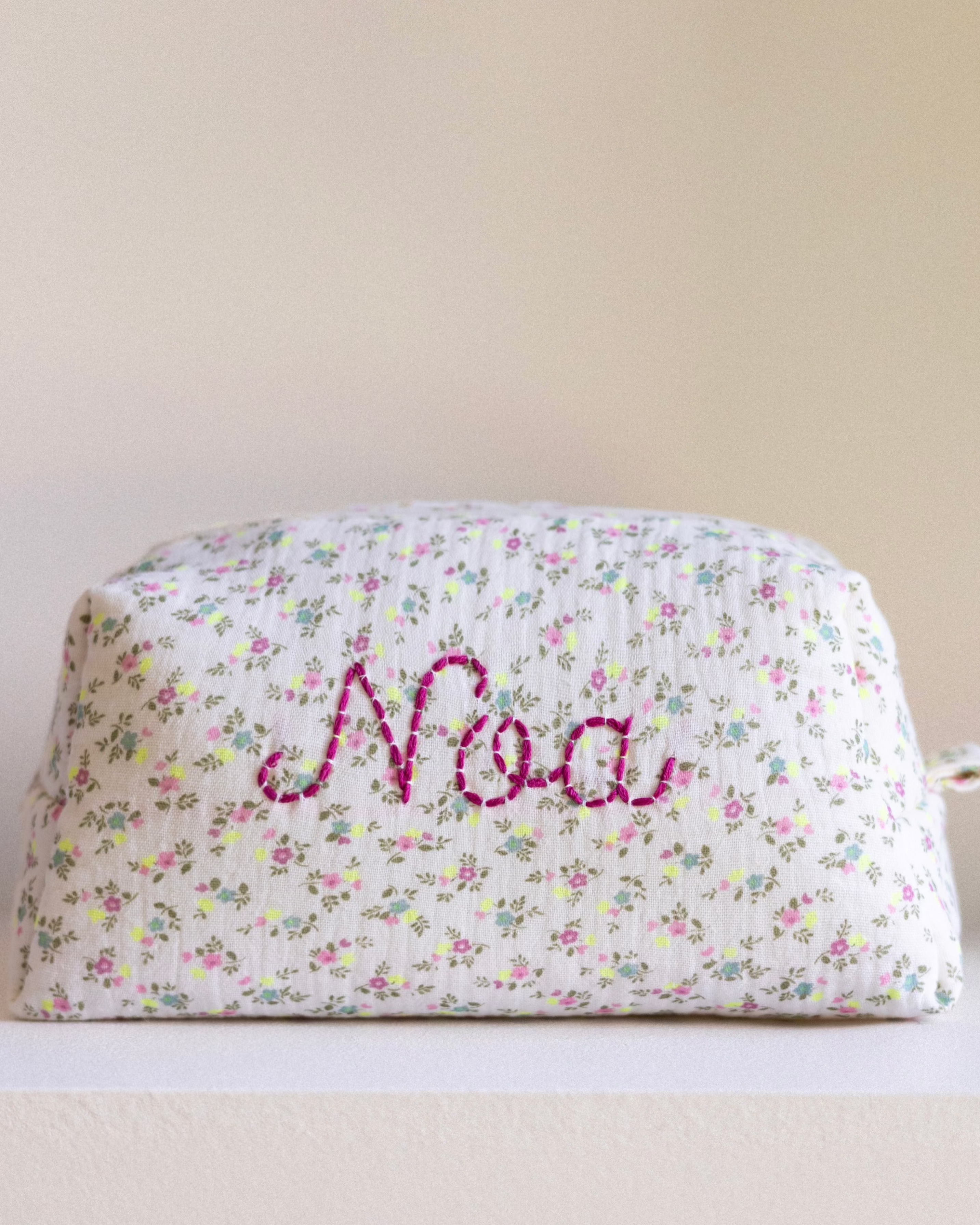
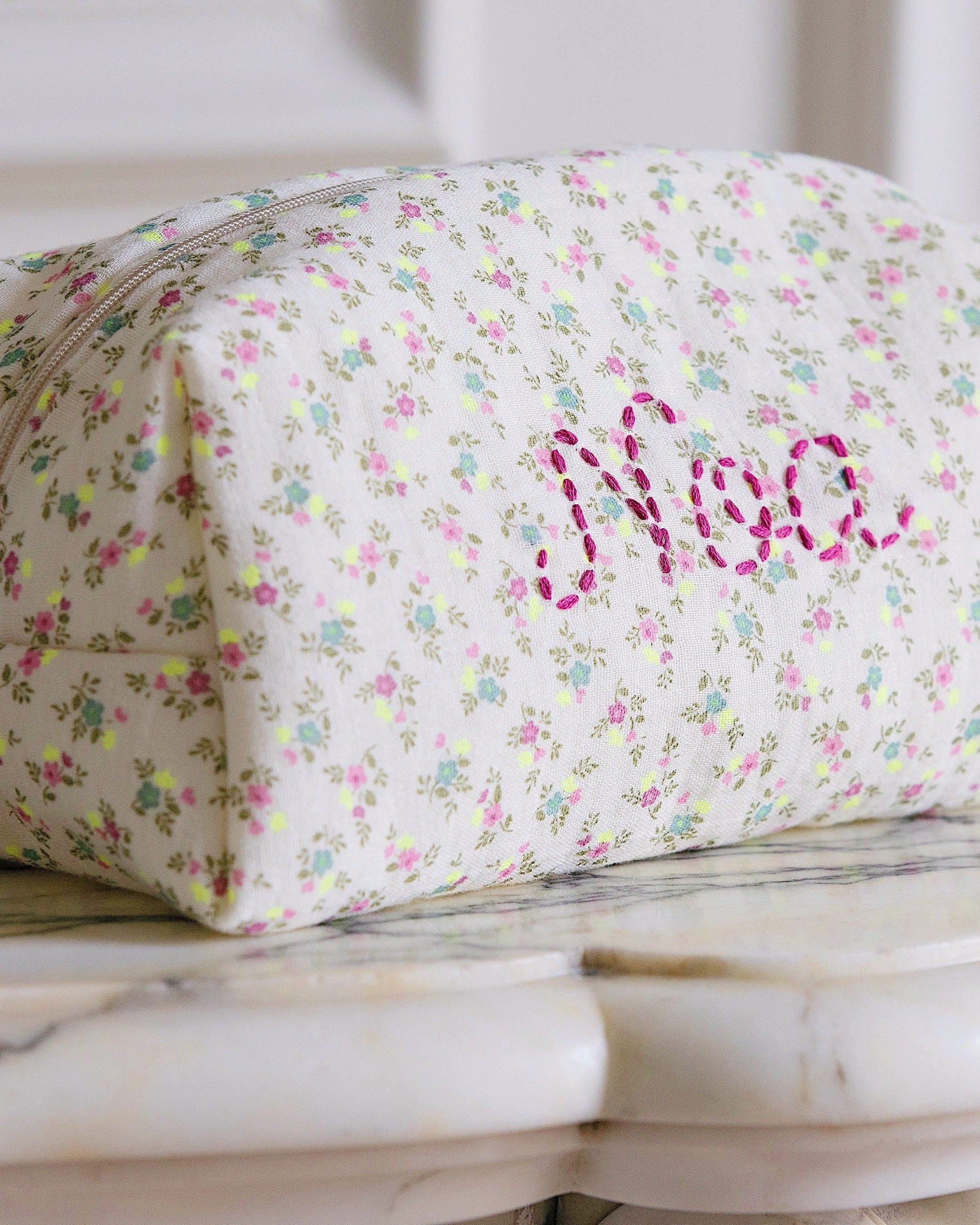
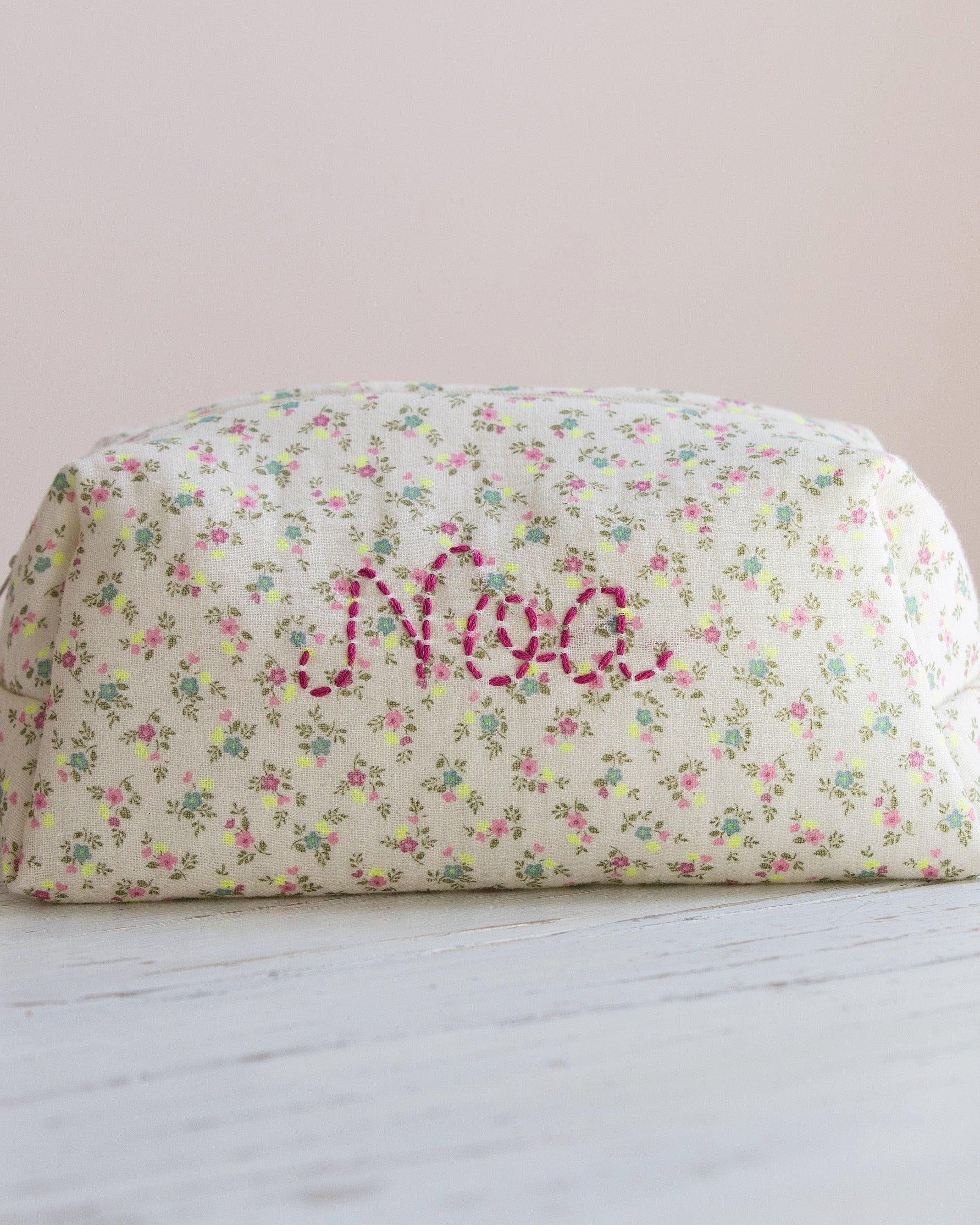
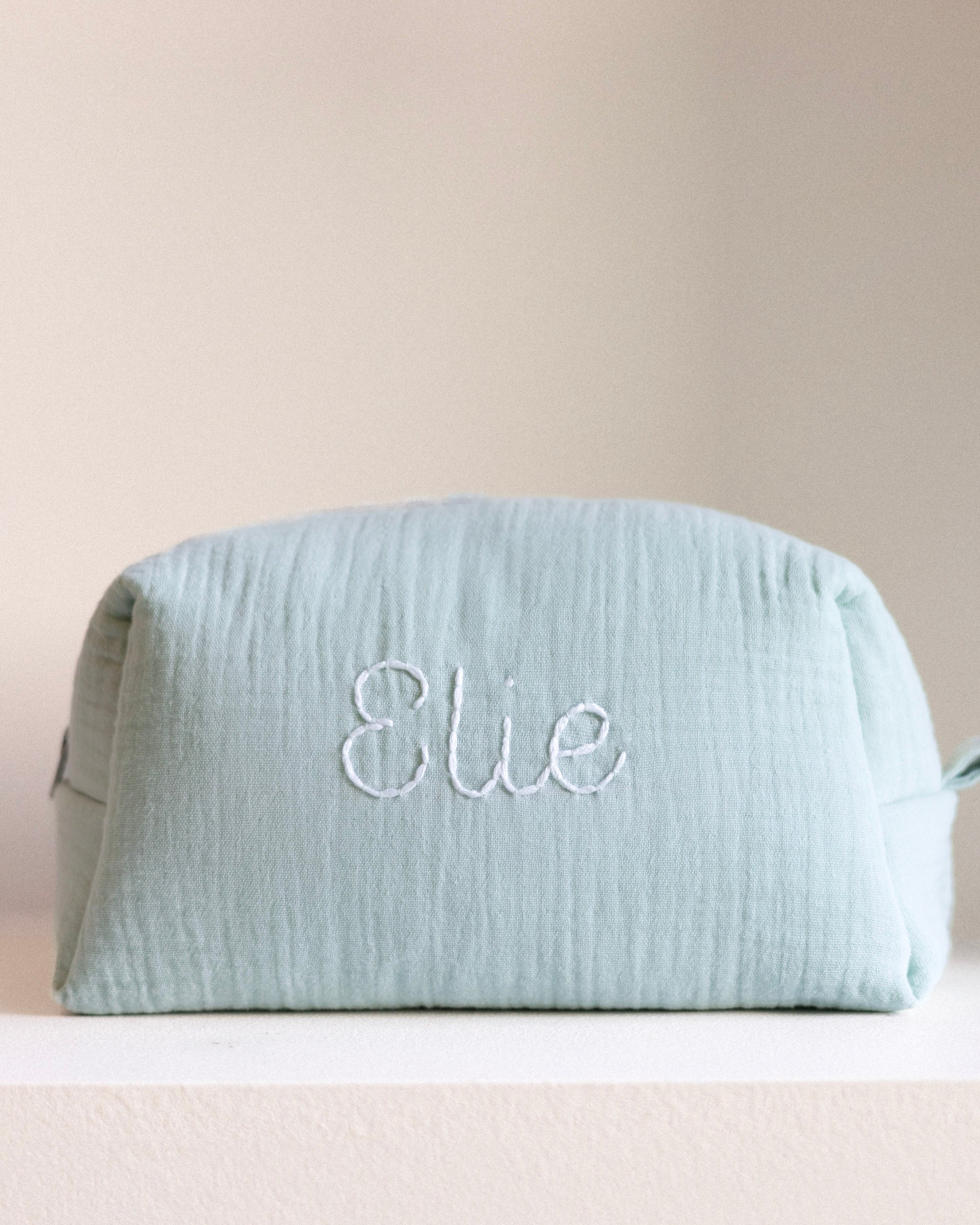
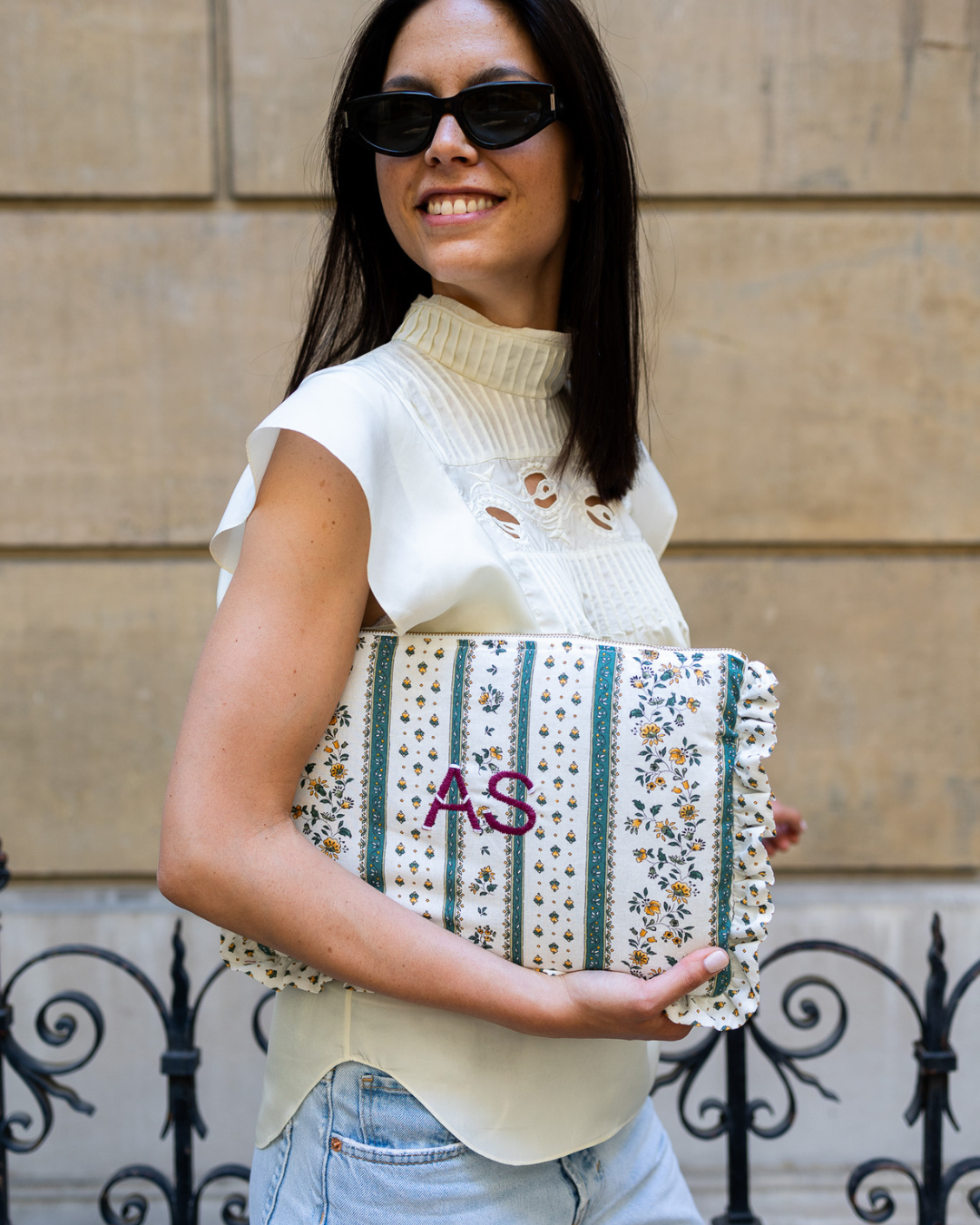
• A pouch,
• A pair of shoes,
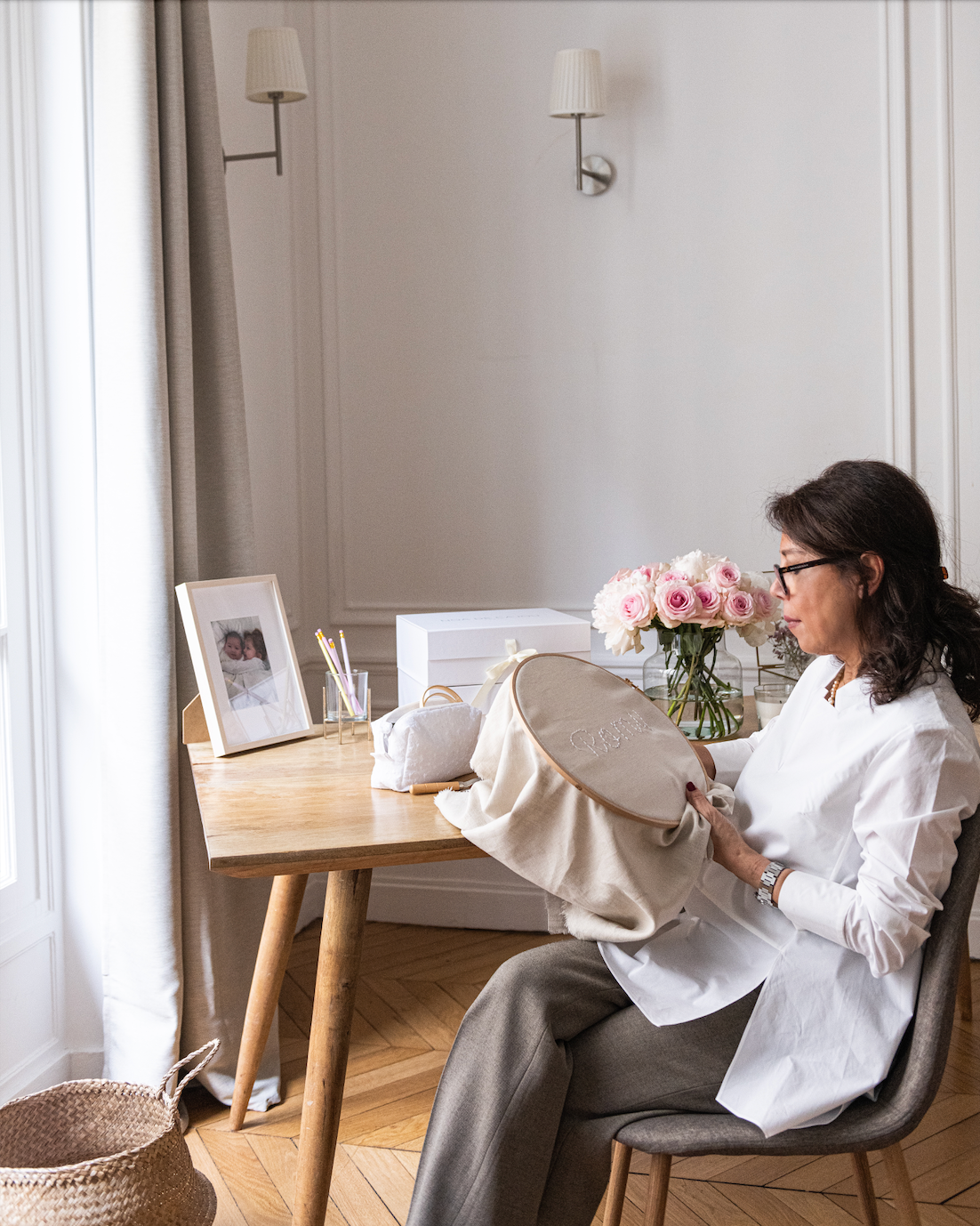
• An embroidered detail
can be enough to create a link between the two outfits.
This option is especially useful if you do not want to wear exactly the same clothes as your child. It also allows you to adjust the level of matching according to the context. For a family outing, a simple color reminder may be enough. For a ceremony, a more refined accessory can add an elegant touch without overloading the outfit.
Reserve the total look for the right contexts
The total look can work, but it should be used with discernment. Wearing exactly the same outfit can be fun for a photo, a party, a special day or a cozy outfit at home. In everyday life, however, a more discreet echo is often easier to wear.
When the total look is chosen, it should remain comfortable and suited to each person. The cut, size and details should suit both the parent and the child. The goal is not to erase differences, but to create a harmonious version of the same clothing idea.

Which matching look should you choose with your child depending on the context?
A simple matching look for everyday life
In everyday life, the matching look should remain easy to live with. An overly sophisticated outfit may feel out of place and impractical. It is better to choose flexible, comfortable clothes that are easy to combine in a shared shade, such as:
• A sweatshirt,
• A T-shirt,
• A cotton shirt,
• A lightweight blouse,
• Trousers.
A color, a material or a pattern is enough to create a coherent whole. The child can keep moving, playing and going through the day normally, while the parent keeps an outfit that feels natural and suited to their own style.
A coordinated look for holidays and family outings
Holidays and family outings lend themselves well to matching outfits. Lightweight materials, bright colors and soft patterns easily create a fresh impression. Linen, cotton, cotton gauze, stripes or gingham can shape a harmonious outfit without effort.
The matching look can be more visible than in everyday life, but it should remain simple. A child’s dress and a parent’s shirt in the same spirit, shorts matched with an accessory or a shared color palette are enough to create a beautiful unity. The result should evoke family complicity, not an overly composed outfit.
A matching look for a ceremony or family event
For a wedding, christening, birthday or major family celebration, the matching look can be dressier. In this case, harmony relies more on materials, cuts and details. The same dominant shade, embroidery, a refined accessory or a shared material can give the whole ensemble elegant coherence.
You should avoid overloading the outfits. The child should remain comfortable:
• Clothes that are too stiff,
• Too many accessories,
• Patterns that are too strong.
These can harm both comfort and visual balance. The right choice is to keep one strong detail, then build the rest of the outfit around it.
A matching look for a photo shoot
The photo shoot is one of the contexts where the matching look makes the most sense. The aim is to create an image that is harmonious, readable and memorable. Neutral colors work particularly well, because they leave room for faces, gestures and the relationship between parent and child.
For a photo shoot, it is better to avoid patterns that are too imposing or colors that attract too much attention. The matching look should support the image, not dominate it. A soft palette, natural materials and a few well-chosen visual echoes help create a more timeless result.

A coordinated look at home
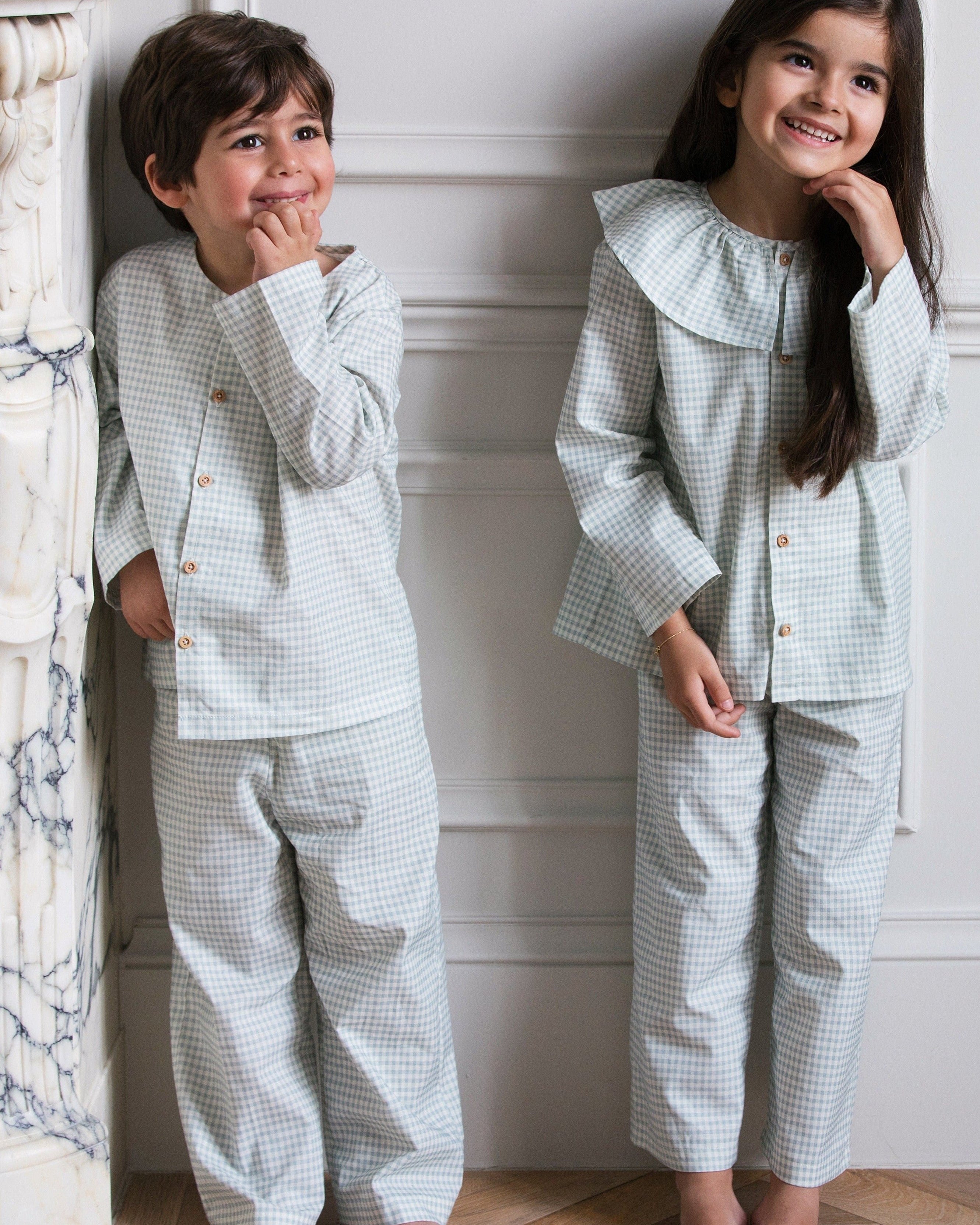
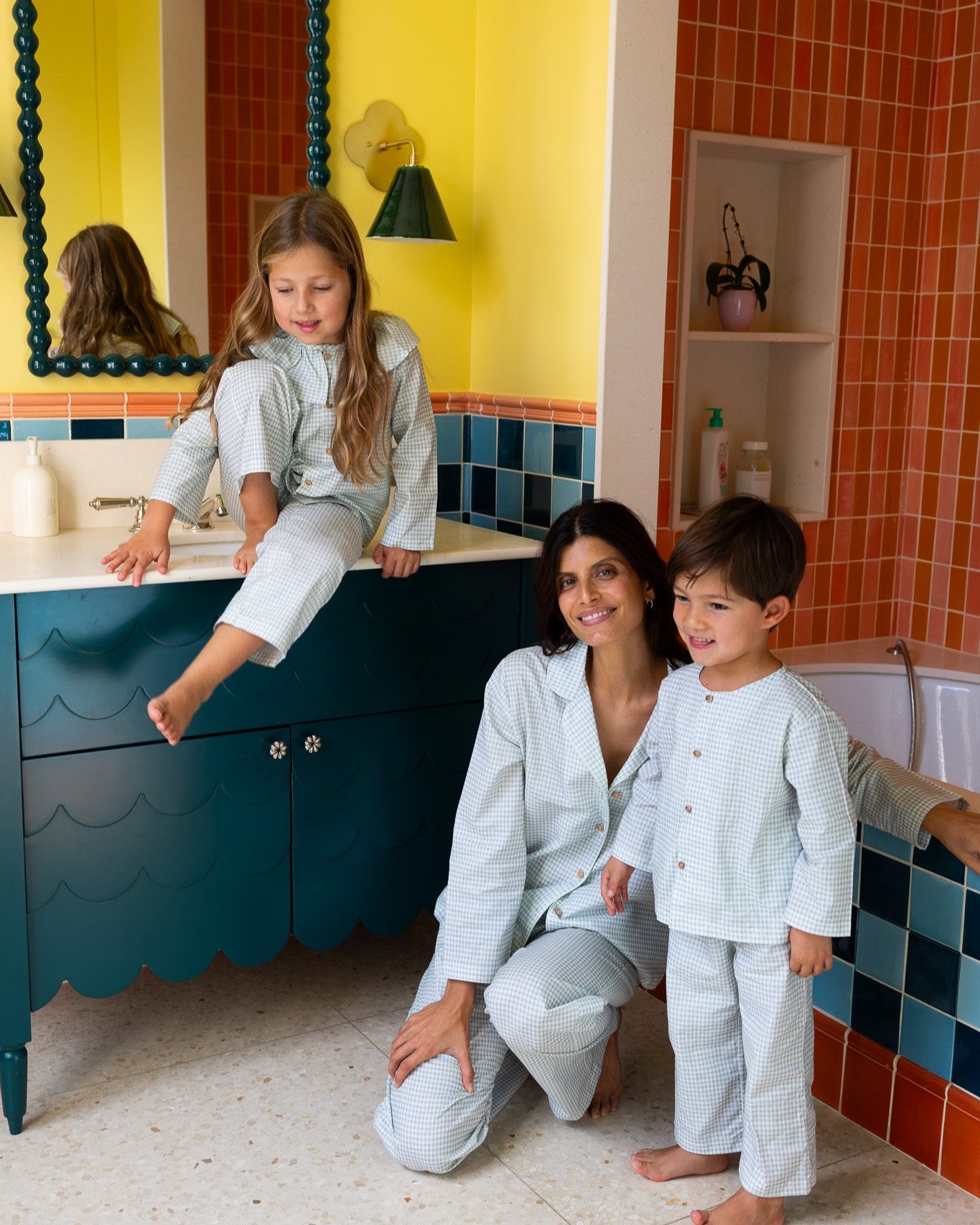
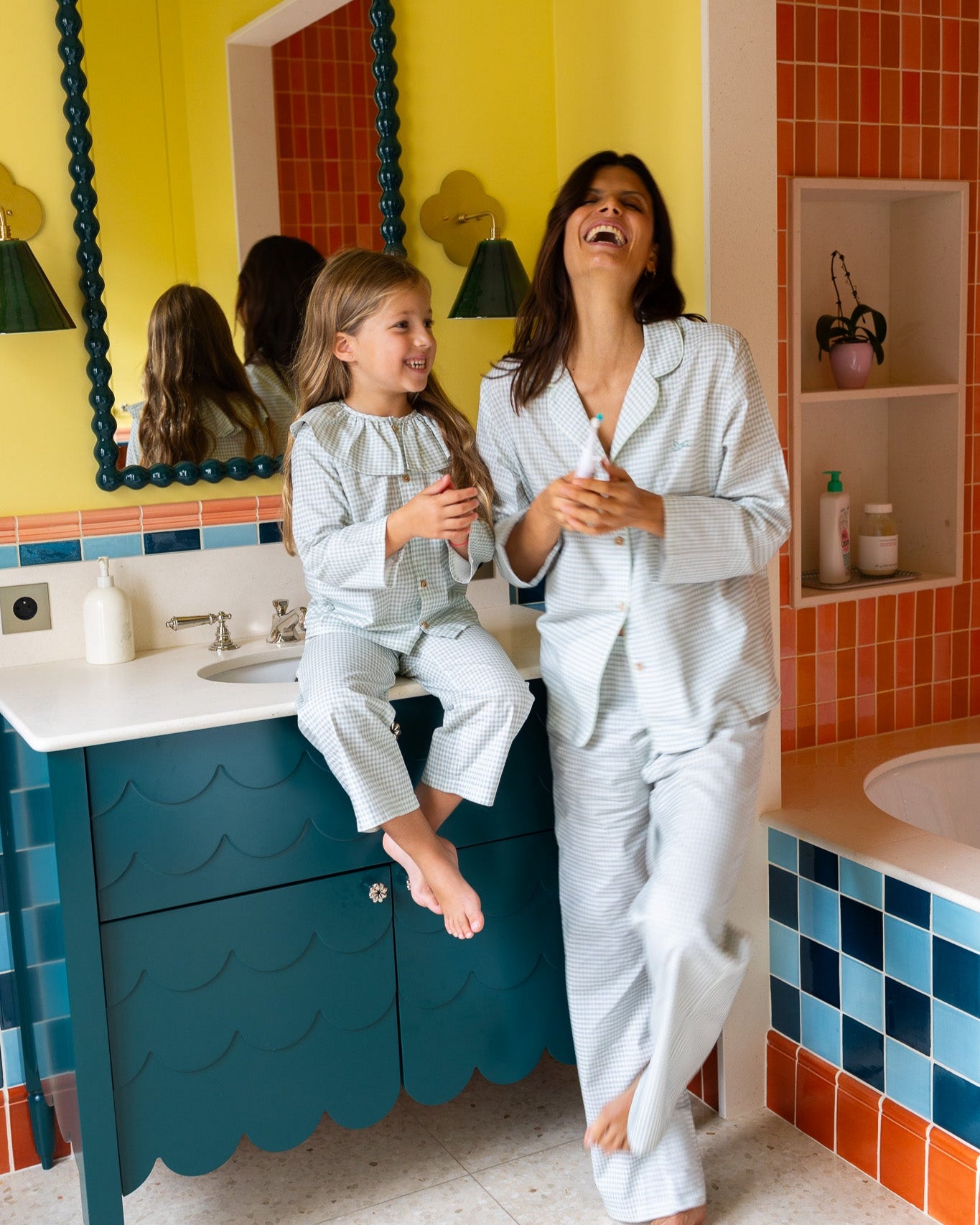
At home, the matching look can be more spontaneous and more assumed. Coordinated pajamas, soft sweatshirts, cozy sets or matching sleepwear make it possible to create a complicit moment without excessive effort. This type of outfit suits weekends, holidays, slow mornings or the end-of-year celebrations.
In this setting, comfort matters far more than elegance. Soft materials, loose cuts and pieces that are easy to put on are the most suitable. The matching element can be more playful, because the context is intimate and relaxed.
For example, mother and child can choose to wear together one of Cajou Paris’s matching pajama sets, made from organic certified cotton to protect sensitive skin while remaining elegant and pleasant to wear!
A matching look for the festive season
Festive occasions make it possible to embrace a more marked look. Seasonal colors, shiny details, soft knitwear, festive patterns or coordinated accessories can create a more expressive parent-child outfit. The look can be joyful without becoming excessive, provided you choose one strong element.
For example, if the pattern is very present, the rest of the outfit can remain understated. If the color is vivid, the cuts can be simple. This logic keeps the result balanced, even when the matching look is more visible.
How can you create a natural matching look with your child?
Creating a successful matching look with your child mainly comes down to choosing the right level of coordination.
• For everyday life, a discreet echo is enough.
• For a ceremony, more elegant coordination can be relevant.
• For a photo shoot, harmony between colors and materials becomes essential.
• For home or festive occasions, the look can be more assumed.
The most successful result is rarely the one that tries to match everything. It is based instead on a few coherent choices: a shared color, a pattern echoed with subtlety, a pleasant material, a well-chosen accessory and an outfit adapted to the child’s age.
By keeping this logic in mind, the matching look becomes a simple way to create visible complicity with your child, without losing comfort or naturalness.