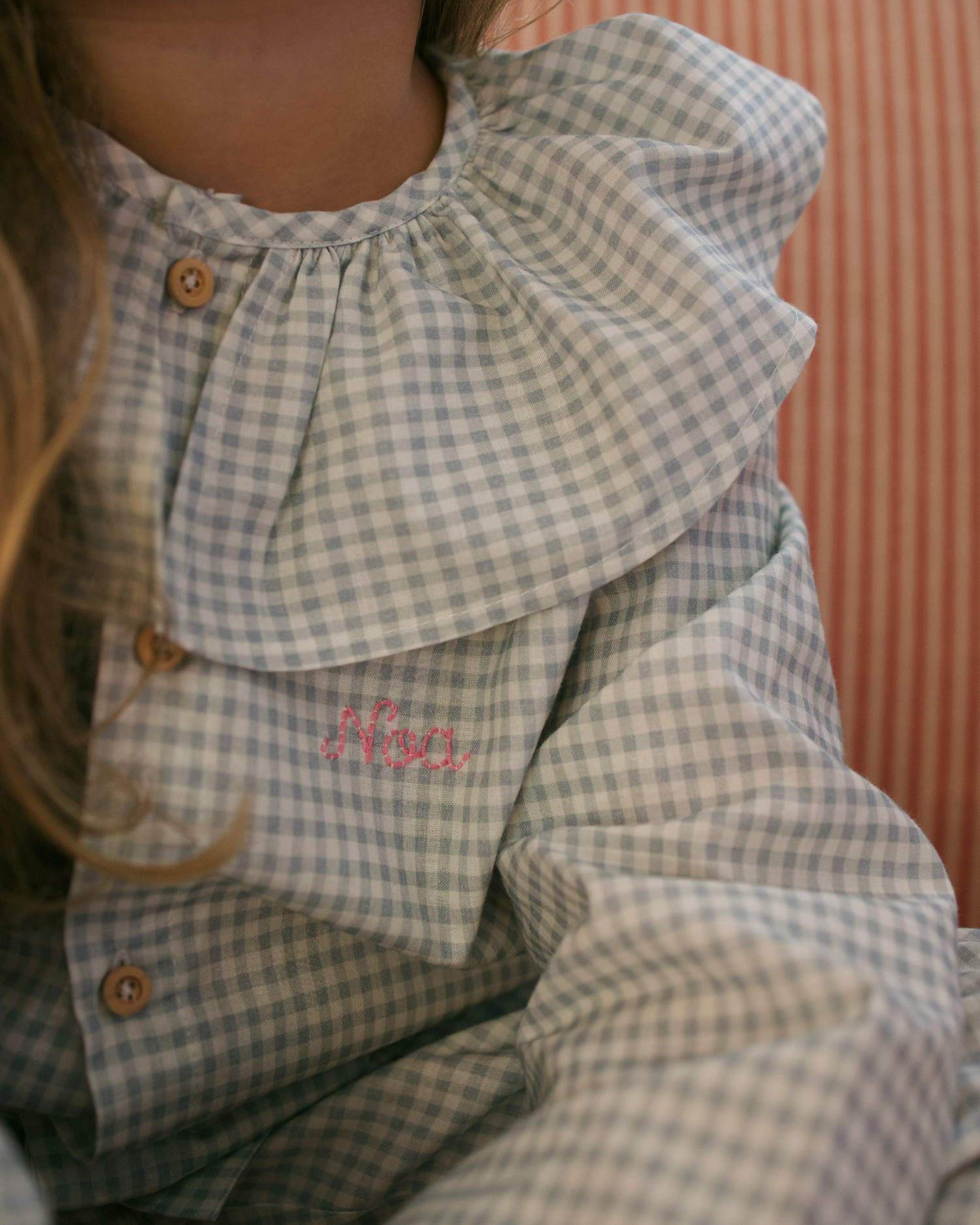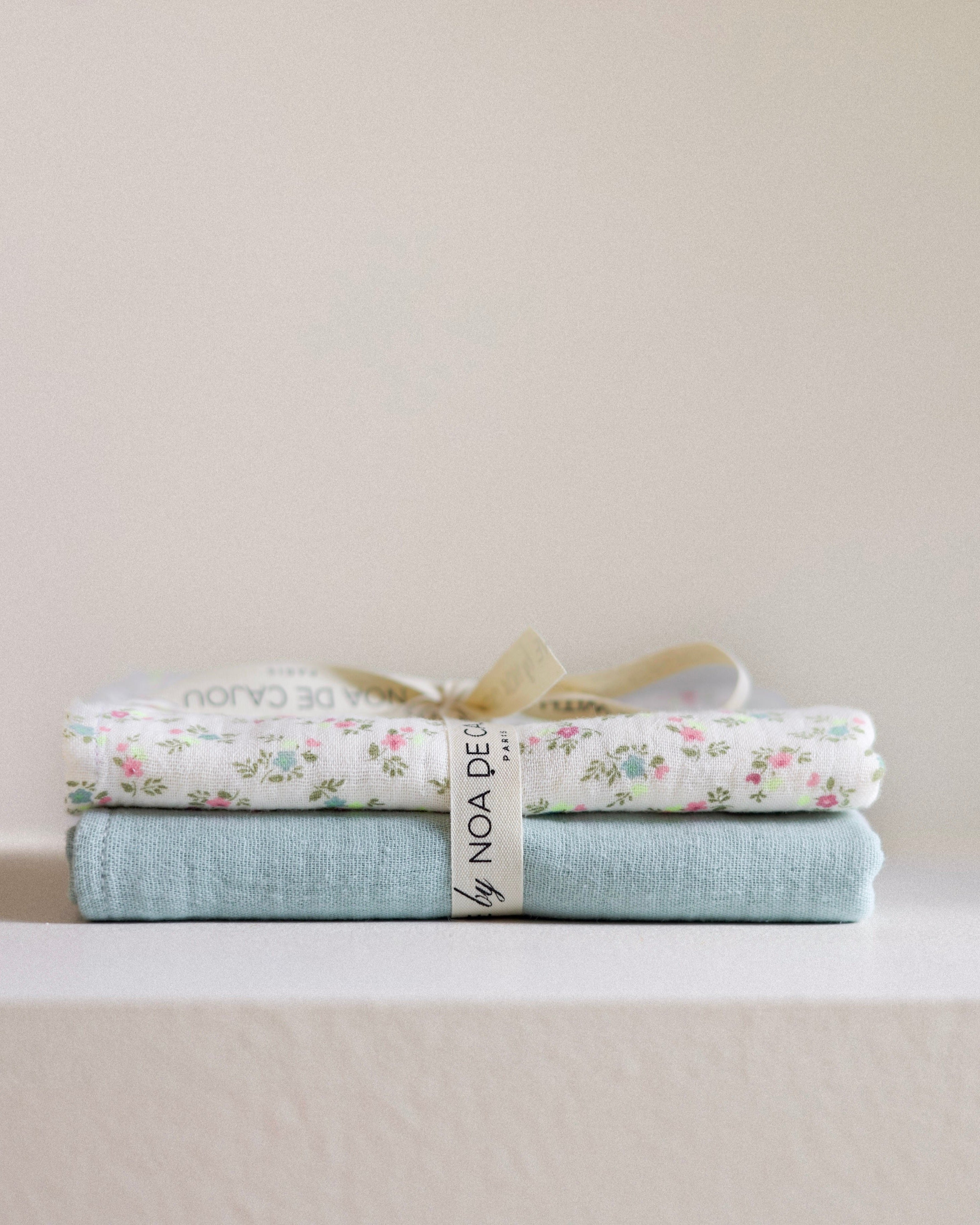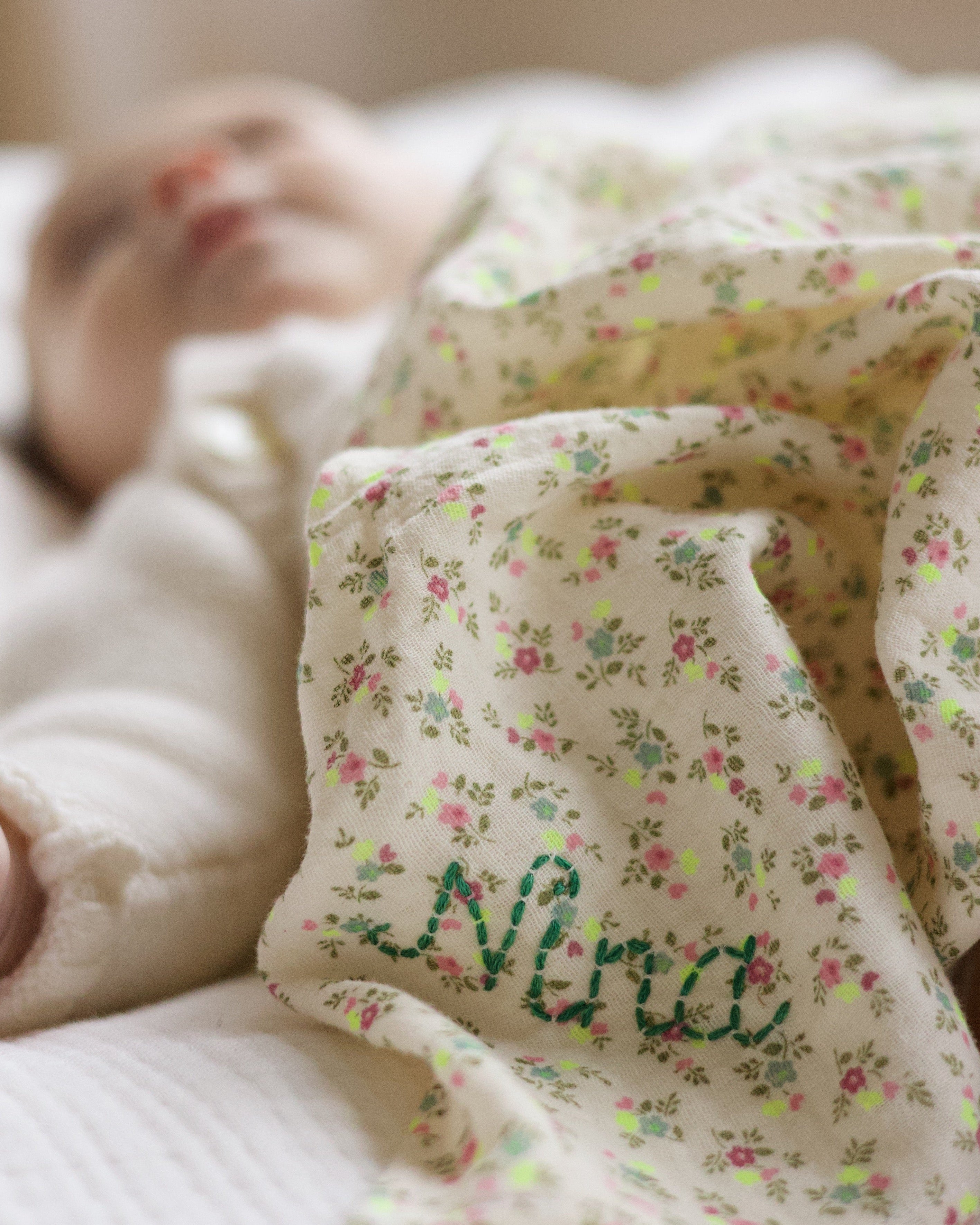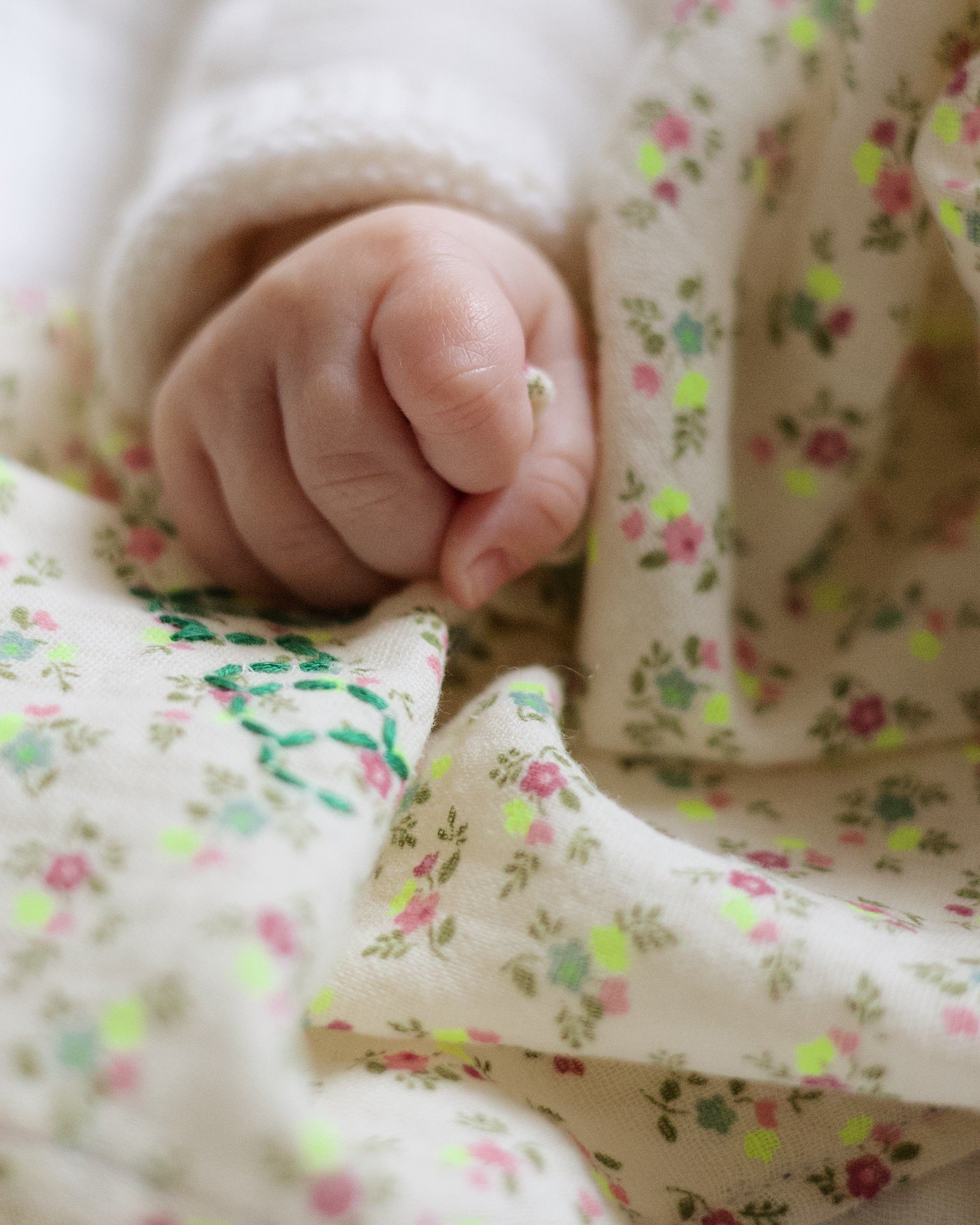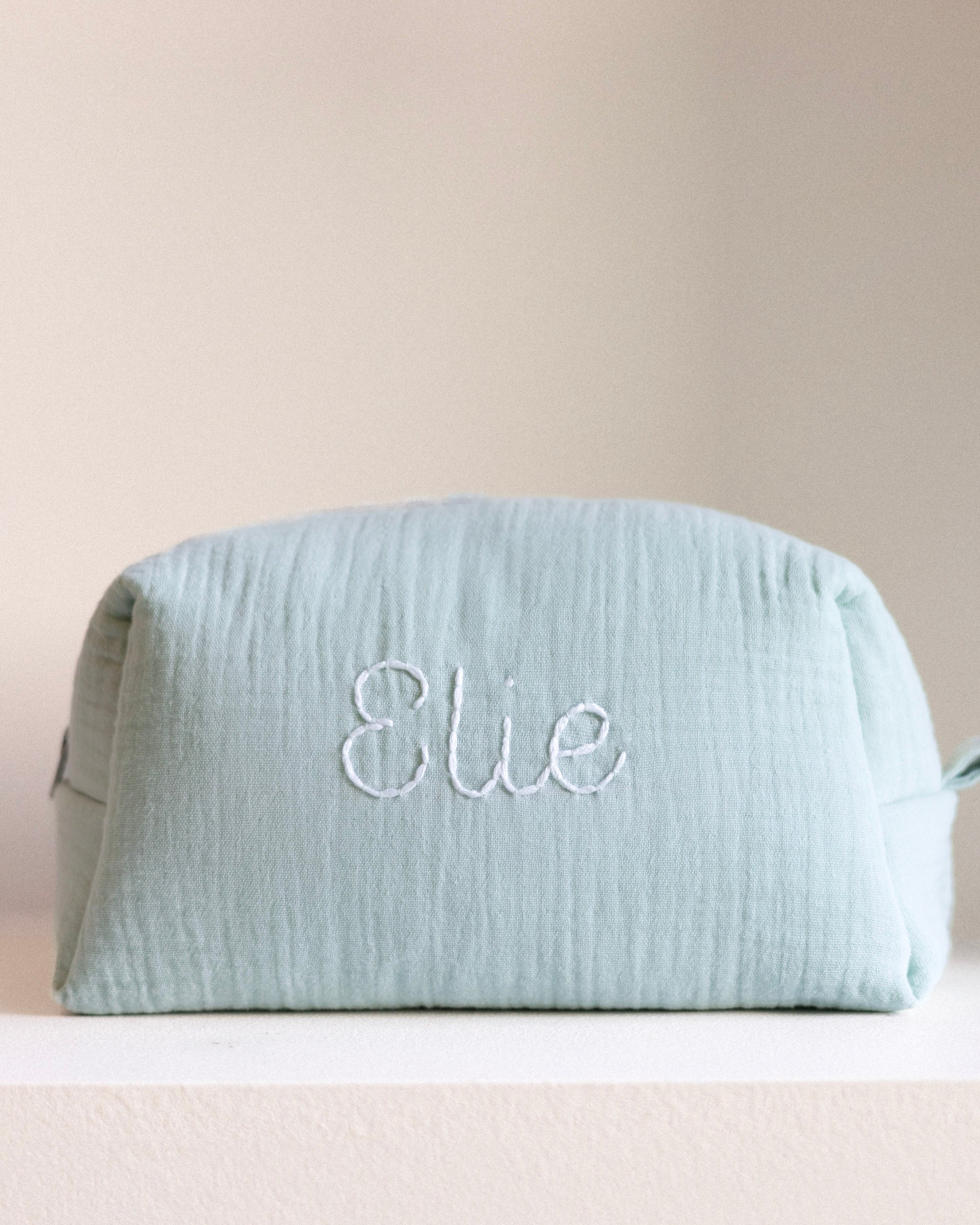

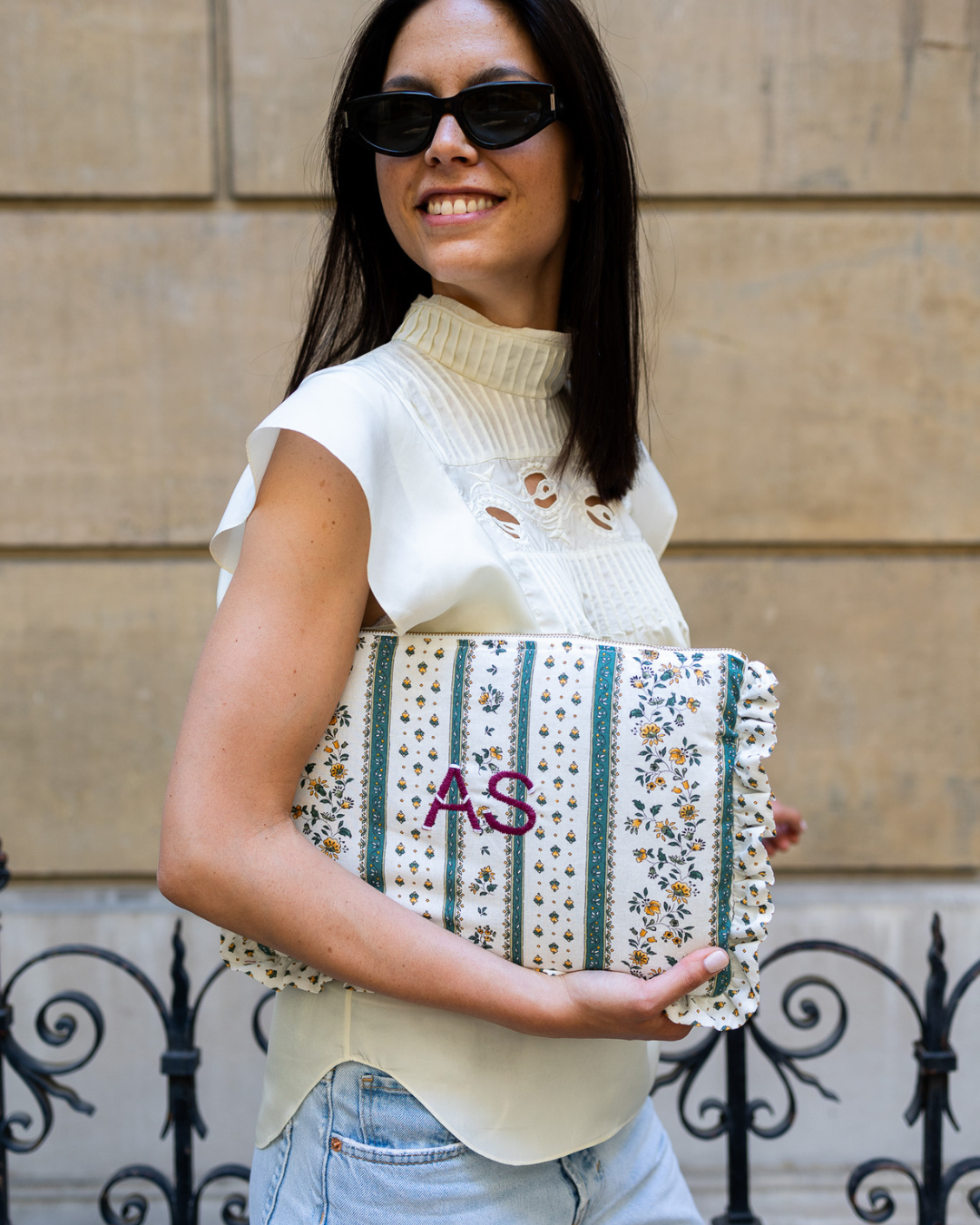


Organic cotton is increasingly used to make clothing and textile accessories. Valued for its more environmentally conscious cultivation methods, it also offers the natural qualities of cotton: softness, breathability and comfort.
But what are the real benefits of organic cotton? Explore its advantages for the skin, everyday clothing and the planet, along with the factors to consider when choosing it.
What Is Organic Cotton and How Is It Grown?
Organic cotton is a natural fibre grown using farming methods that exclude genetically modified organisms (GMOs), synthetic chemical pesticides and synthetic fertilisers.
Its cultivation relies on agricultural practices designed to maintain soil fertility and limit environmental impacts. Farmers may use organic fertilisers, rotate crops and favour natural pest-control methods.
Contrary to popular belief, organic cotton does not necessarily have better textile properties than conventional cotton. The main difference lies in how it is produced.
|
Criterion |
Organic cotton |
Conventional cotton |
|
Pesticides |
Synthetic chemical pesticides excluded |
Use permitted |
|
Fertilisers |
Synthetic chemical fertilisers excluded |
Use permitted |
|
GMOs |
Prohibited |
Permitted in some countries |
|
Soil preservation |
Practices that promote fertility |
Varies with farming practices |
|
Water consumption |
Depends on growing conditions |
Depends on growing conditions |
Organic cotton is therefore an appealing alternative for consumers who want textiles made using more responsible farming practices.
What Are the Environmental Benefits of Organic Cotton?
Organic farming methods offer several environmental benefits. In particular, they limit the use of synthetic chemical substances and encourage more sustainable management of agricultural land.
Cultivation That Helps Limit Soil and Water Pollution
One of the main benefits of organic cotton is the exclusion of synthetic chemical pesticides and fertilisers. When used in conventional farming, these substances can contribute to pollution of soils and aquatic environments.
Organic farming favours alternative solutions that reduce certain pressures on ecosystems. It can therefore help protect soil organisms and surrounding biodiversity.
This approach also limits agricultural workers' exposure to synthetic chemical pesticides.

Better Preservation of Soil Fertility
Organic cotton farmers use various practices to maintain the quality of cultivated land.
Crop rotation involves growing different plant species on the same plot over time, while organic fertilisers help enrich the soil and improve its structure.
These methods help maintain natural soil fertility and reduce dependence on synthetic chemical inputs.
Potentially More Responsible Water Management
Water consumption is an important issue in cotton farming. However, organic cotton does not always require less water than conventional cotton.
Water requirements mainly depend on climate, rainfall and irrigation techniques.
Some organic farming practices can nevertheless improve the soil's ability to retain moisture and help make more efficient use of available water resources.
The main environmental benefits of organic cotton therefore include:
· Reduced agricultural pollution, thanks to the exclusion of synthetic chemical inputs.
· Preservation of biodiversity, by reducing certain pressures on ecosystems.
· Maintenance of soil fertility, through appropriate farming practices.
· Potentially better water management, depending on production conditions.

What Are the Benefits of Organic Cotton for Skin and Comfort?
Beyond its environmental benefits, organic cotton retains the natural qualities of cotton. These make it a popular fabric for everyday clothes, particularly those intended for children.
A Natural Fabric Suitable for Sensitive Skin
Cotton is generally well tolerated by delicate skin. Its soft, flexible texture makes it possible to create comfortable garments that minimise friction when properly made.
It is therefore a good option for underwear, pyjamas and baby clothes.
Organic cotton also has the advantage of being grown without synthetic chemical pesticides. However, an organic cotton garment is not automatically hypoallergenic. Dyes and treatments used during textile processing can also affect how well skin tolerates it.
A Breathable Fabric That Supports Thermal Comfort
Cotton is a naturally breathable fibre. Depending on the weave and fabric thickness, it allows air to circulate and helps maintain physical comfort.
This property is particularly useful for clothing worn in warm weather or at night.
Good Moisture Absorption
Cotton naturally absorbs moisture. Its hydrophilic fibres can retain a certain amount of water, which explains why cotton is often used in everyday textiles.
This quality is particularly useful for muslin cloths, towels and some baby garments.
However, cotton can take time to dry once it is thoroughly soaked. Wet clothing should therefore be changed to keep a child comfortable.
A Soft Fabric That Feels Pleasant Against the Skin
Softness is one of the most sought-after qualities in cotton clothing.
When processed well, cotton can be made into supple, comfortable garments particularly suited to direct contact with skin.
How soft it feels also depends on several factors, including fibre length, weave and finishing treatments.
Organic cotton can therefore be very soft, without necessarily being softer than conventional cotton of equivalent quality.

What Are the Benefits of Organic Cotton for Baby Clothes?
Newborns need comfortable, flexible clothing that is easy to care for. Thanks to its natural fibre properties and versatility, organic cotton can meet these needs.
A Comfortable Fabric for Baby's First Months
During their first months, babies spend much of their time sleeping or being held. Their clothes remain in contact with their skin for long periods.
Cotton's softness and flexibility make it suitable for comfortable garments worn over extended periods.
Its breathability is also an advantage for nightwear and everyday outfits.
However, choosing the right fit remains essential: sufficiently loose clothing with carefully finished seams allows easier movement and reduces pressure points.
A Practical Material for Everyday Clothes and Accessories
Organic cotton can be used to make many garments and accessories for newborns:
· Bodysuits, comfortable for everyday movement.
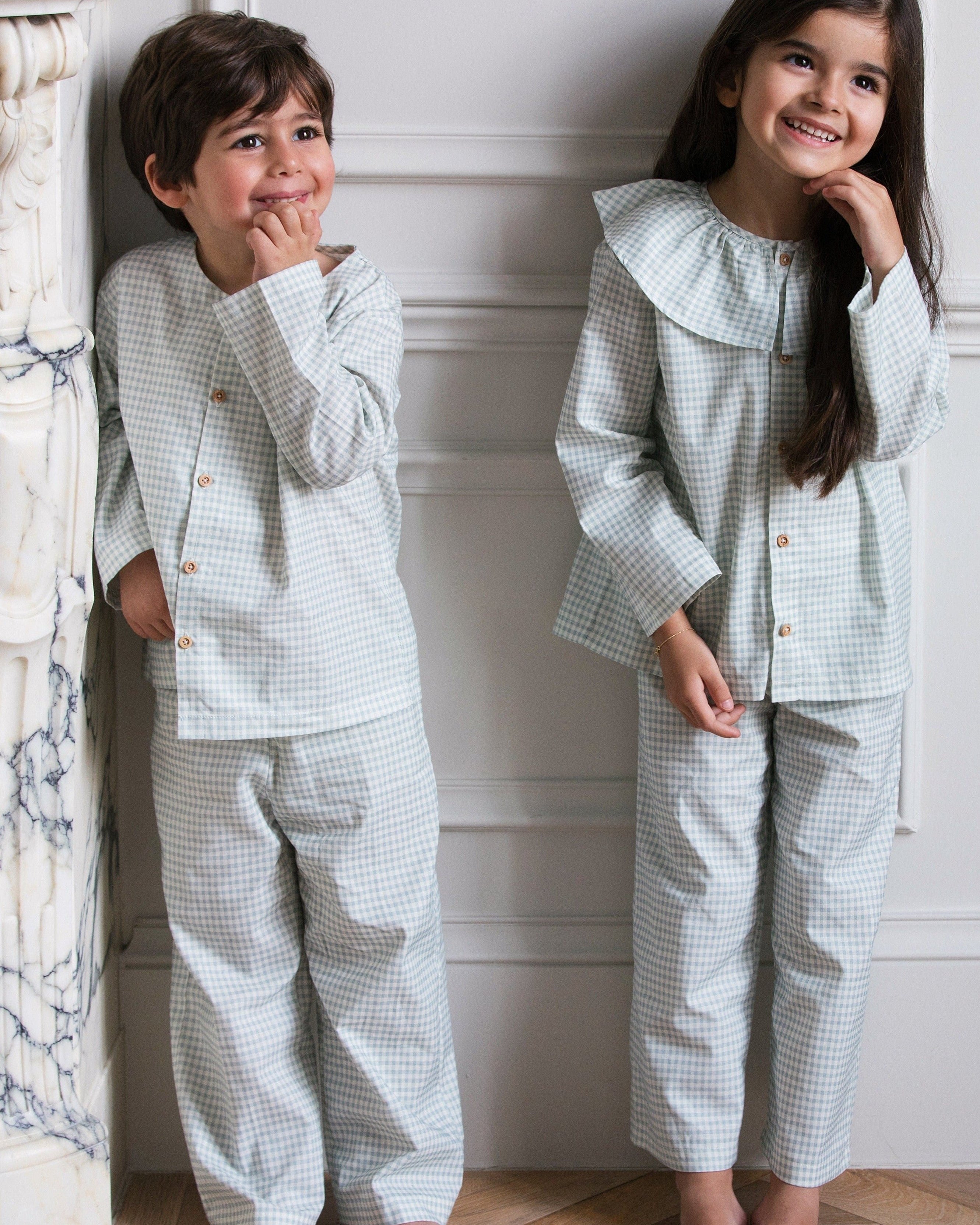
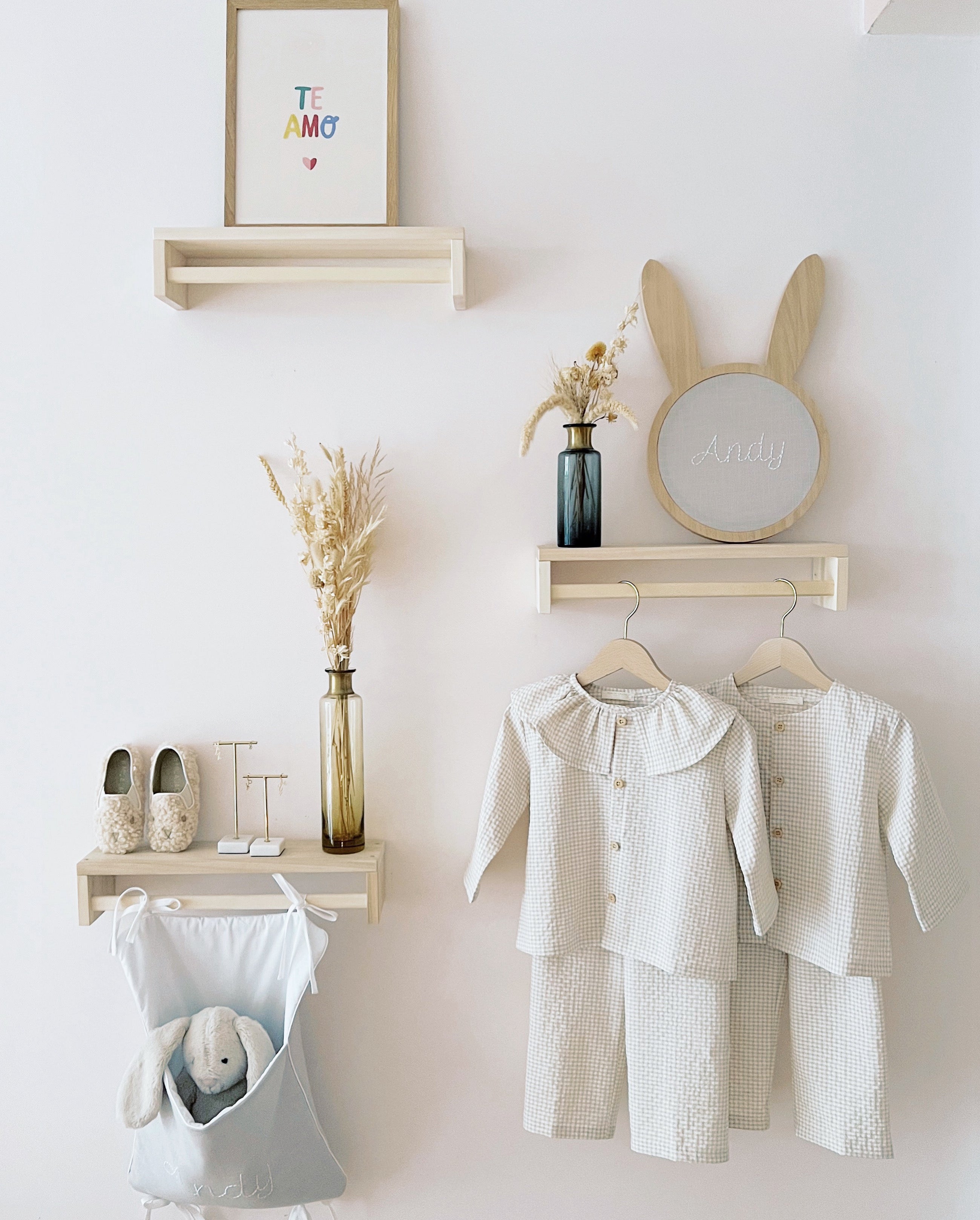
· Pyjamas, appreciated for their softness and breathability.
· Muslin cloths, versatile and absorbent.
· Baby sleeping bags, with a thickness suited to the room temperature.
Cotton is also relatively easy to care for. Many cotton textiles withstand regular washing, which is essential for baby clothes.
Durability nevertheless depends on fabric quality and following the care instructions.
Are There Any Disadvantages to Organic Cotton?
Despite its benefits, organic cotton has certain limitations.
First, it can be more expensive than conventional cotton. This difference can be explained by production methods, certification and sourcing conditions.
Its organic status does not automatically guarantee greater softness, superior durability or the complete absence of unwanted substances in the finished garment.
To assess the quality of clothing, it is therefore important to consider the entire manufacturing process, not just the organic origin of the fibres.

How Can You Enjoy the Benefits of Organic Cotton When Choosing Clothes?
When buying organic cotton clothing, it is advisable to check its composition, certifications and manufacturing quality.
Check Organic Cotton Certifications
Certifications help consumers understand textile characteristics and the standards applied during production.
Several points deserve particular attention:
· GOTS certification, which covers the organic origin of fibres and imposes environmental and social criteria during processing.
· OCS certification, which verifies the presence and traceability of organic materials.
· OEKO-TEX STANDARD 100 certification, which tests finished textiles for harmful substances without guaranteeing that their fibres are organically grown.
· Fabric composition, to identify the proportion of organic cotton and any other fibres.
· Care instructions, to help preserve the garment's qualities.
These criteria help clarify what guarantees a textile offers and support a choice suited to your needs.
Prioritise Comfortable, Well-Made Garments
A garment's quality depends as much on its construction as on the material. Pleasant fabrics, neat seams and a suitable fit all contribute to everyday comfort.
For babies, it is particularly important to choose clothes that are easy to put on, sufficiently flexible and suited to their body shape.
Proper care can also preserve softness and durability through repeated washes.
At Cajou Paris, we pay particular attention to fabric selection and the comfort of little ones. Discover our collections of baby clothing and accessories, made with organic cotton to accompany life's earliest moments with softness and simplicity.